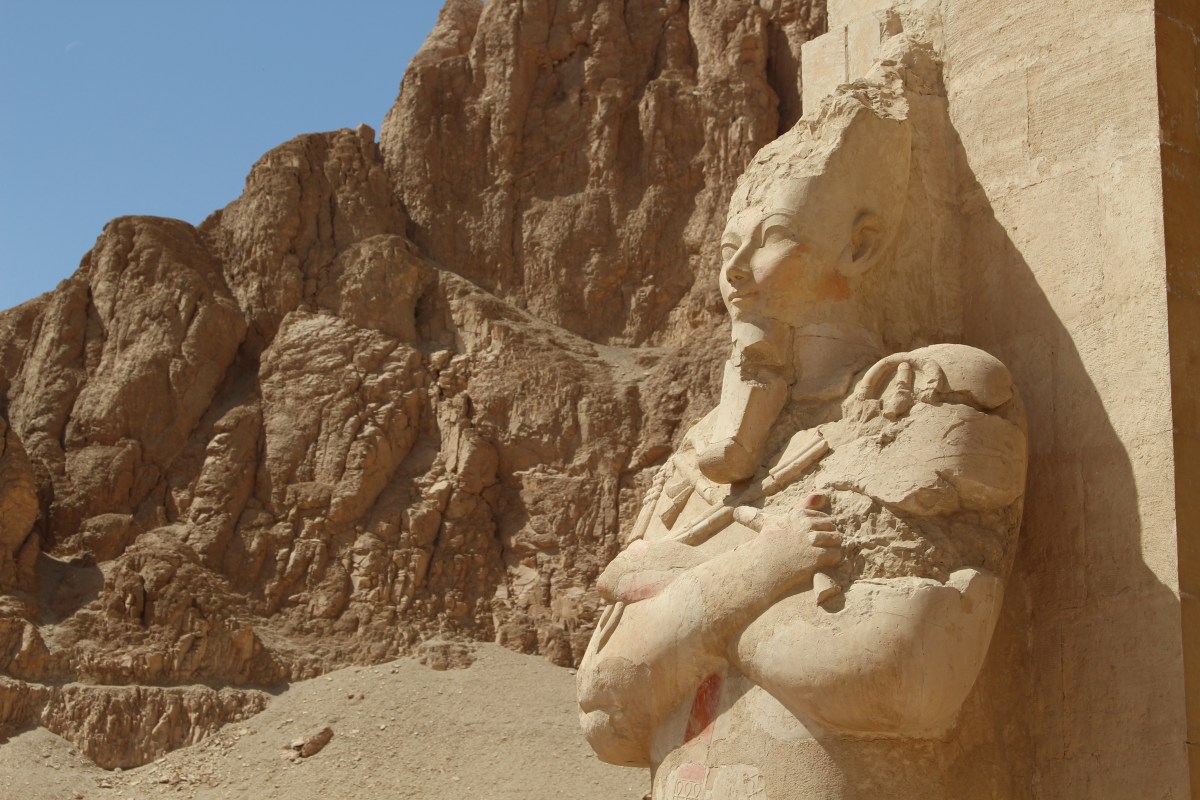
On Traveling to Egypt

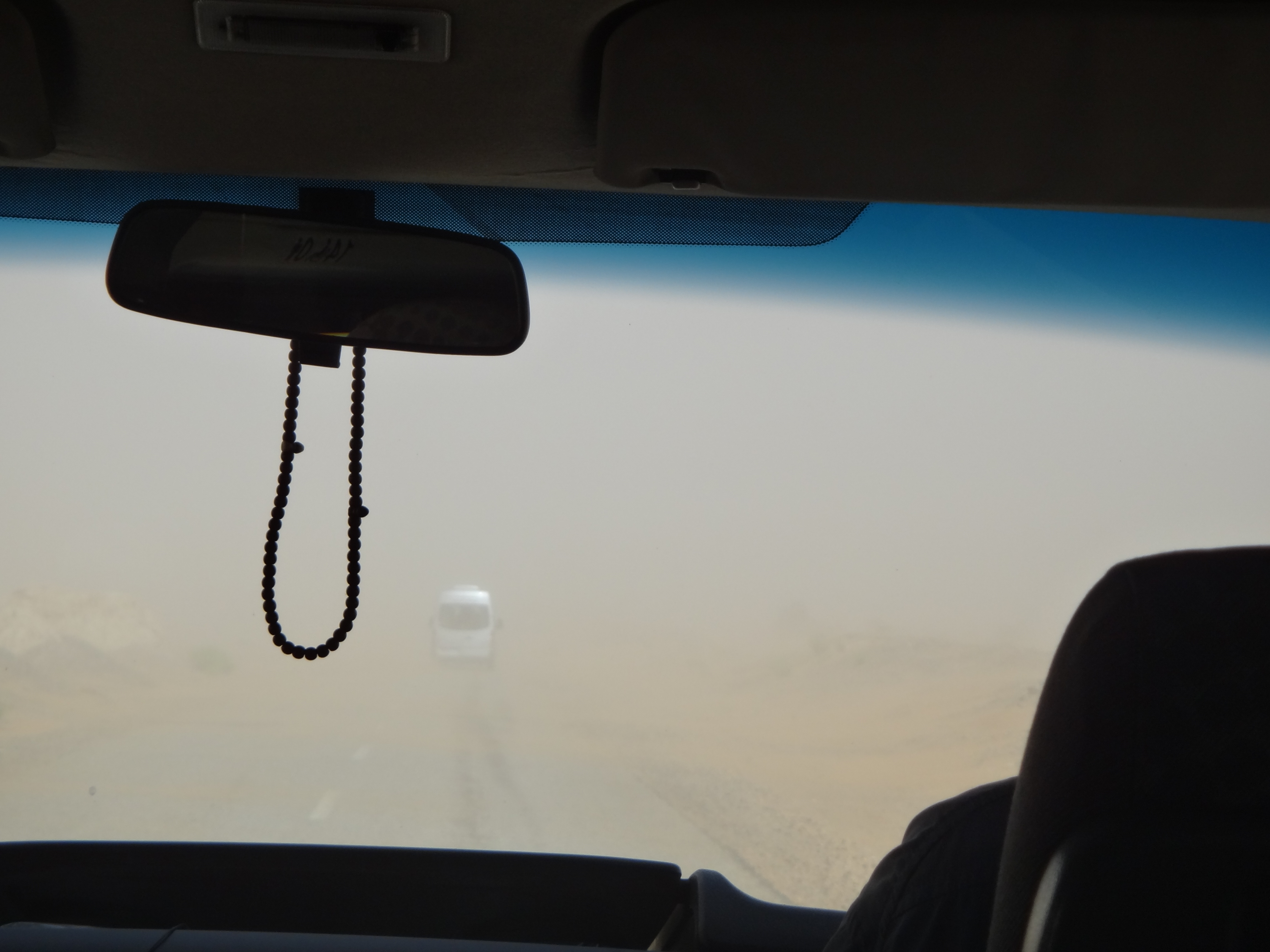
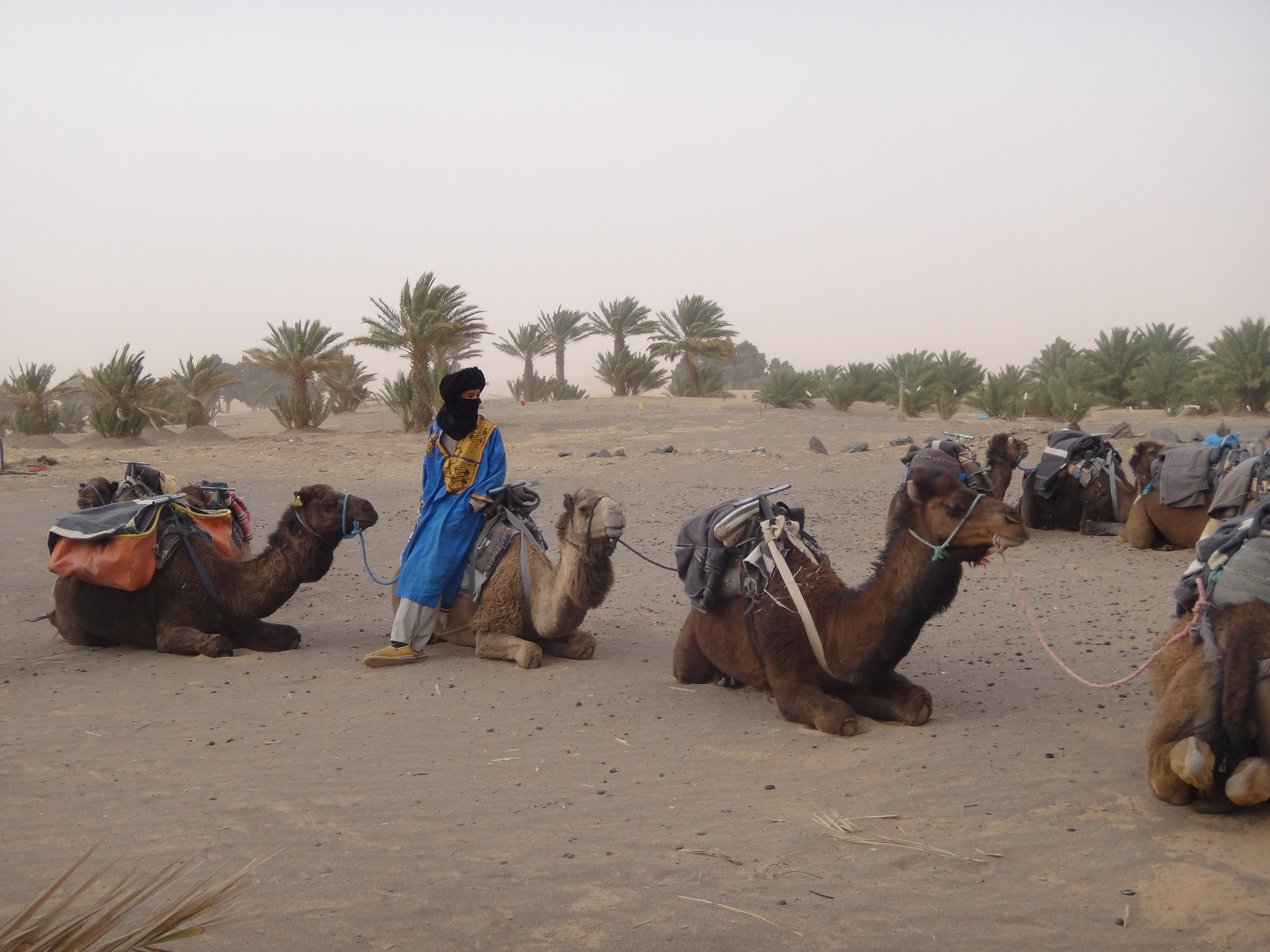
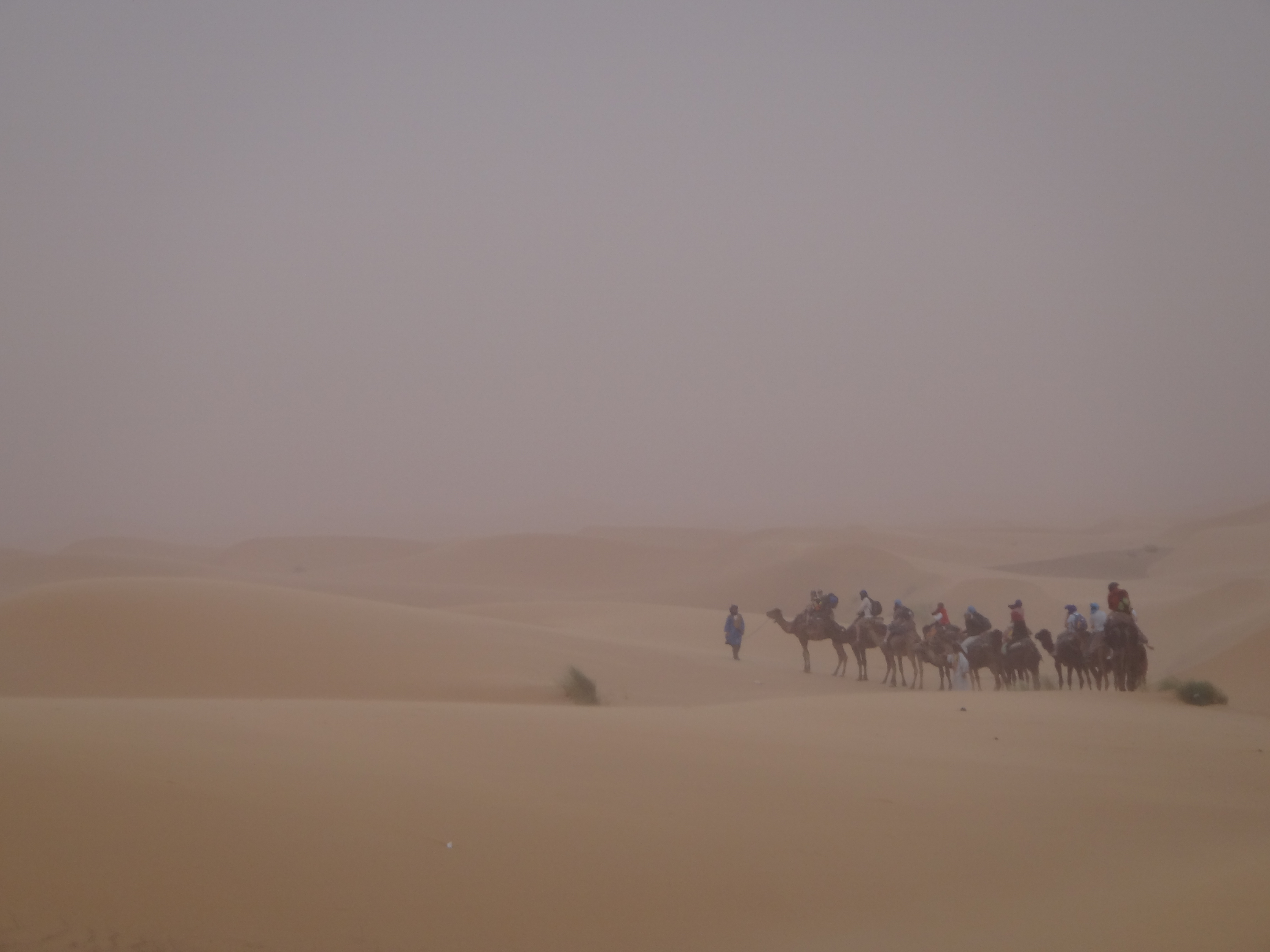
Five months ago, I went to Egypt. When I returned, I planned to write a rave review and urge others to visit Egypt too—for reasons I’ll get to later. But a lot has happened since then; namely, the crash of EgyptAir flight 804 in May (the airline I flew several times within Egypt) and in June, the attacks on the Istanbul airport, which was my connecting airport for this trip. I have rewritten this post several times, trying to reconcile my enthusiasm for Egypt with the legitimate concerns of travelers in an increasingly uncertain world. So, this is where I’ve landed. Understanding that many aren’t willing to travel to Egypt these days, I hope to shed some light for those who are.

Why You Should Go to Egypt

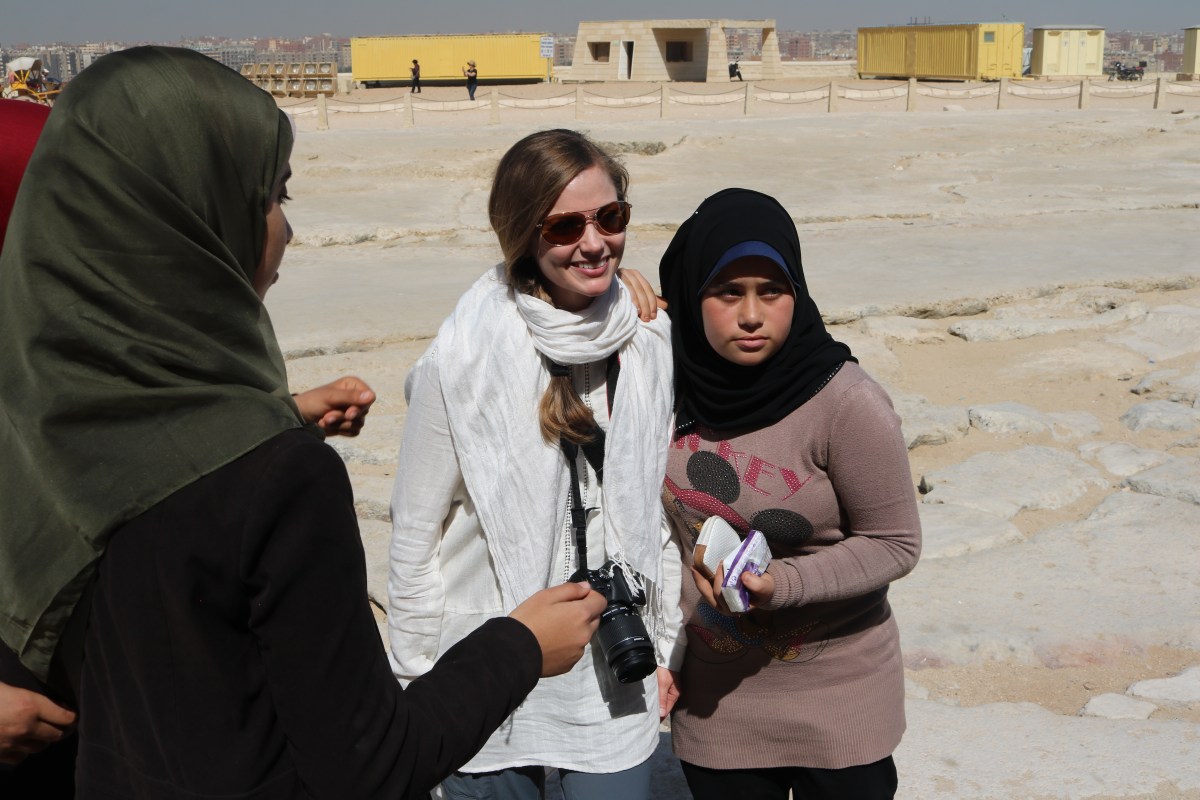
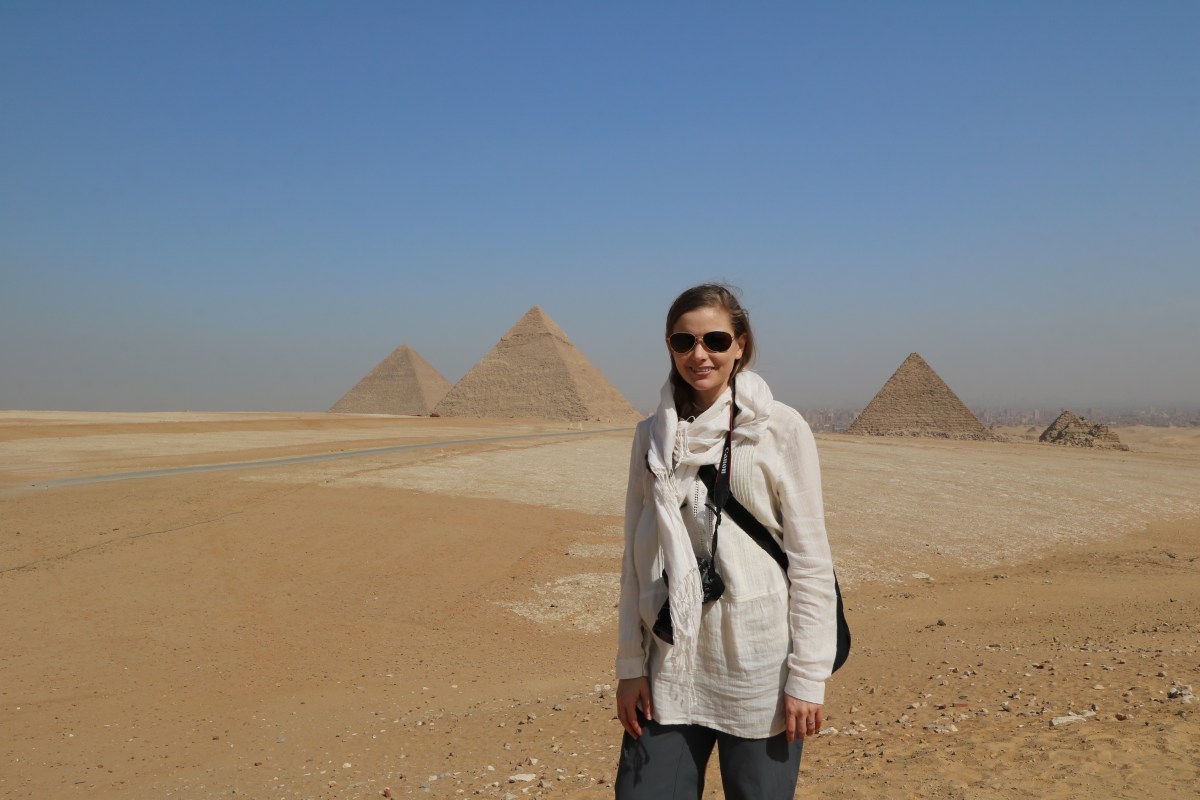
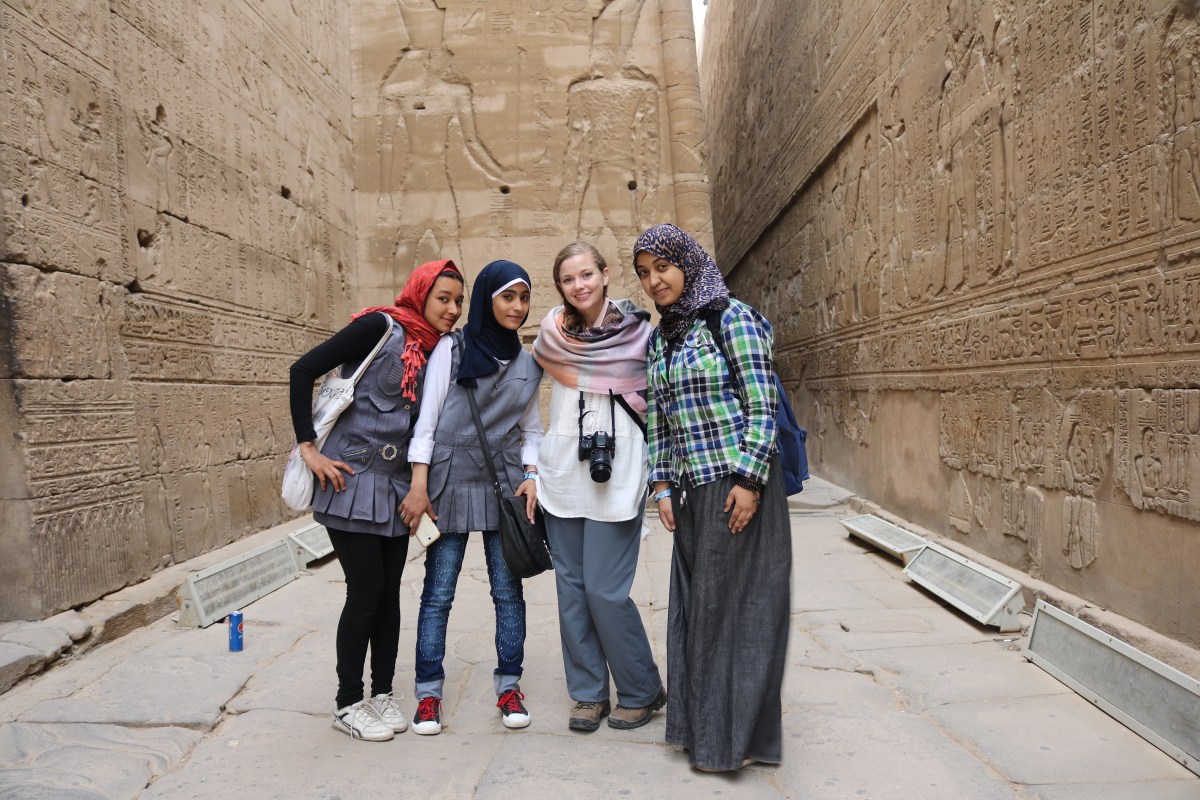
As if you needed another reason to visit Egypt—whose name alone conjures images of pyramids, camels and hieroglyphics—going to Egypt now has some significant advantages. Namely, fewer crowds. With Egypt’s tourism industry in serious decline, you’ll enjoy being among the few tourists at popular sites. At the pyramids of Giza, for example, I noticed only a handful of tourists. In fact, most people at tourists sites were actually locals, in particular, school groups who I assume are less accustomed to the tourist crowds of Egypt’s heyday. Many of them waved, said hello or asked to take selfies with my husband and me.

On our Nile cruise, we were the only Westerners onboard, among Egyptians and Lebanese, and the staff went out of their way to make sure we were happy. We were assigned to a group (us and three retired Egyptian couples) and a tour guide for the duration of the cruise. I was glad to spend time with locals rather than other tourists; we had great conversation (everyone spoke English) and a truer experience of the real Egypt.

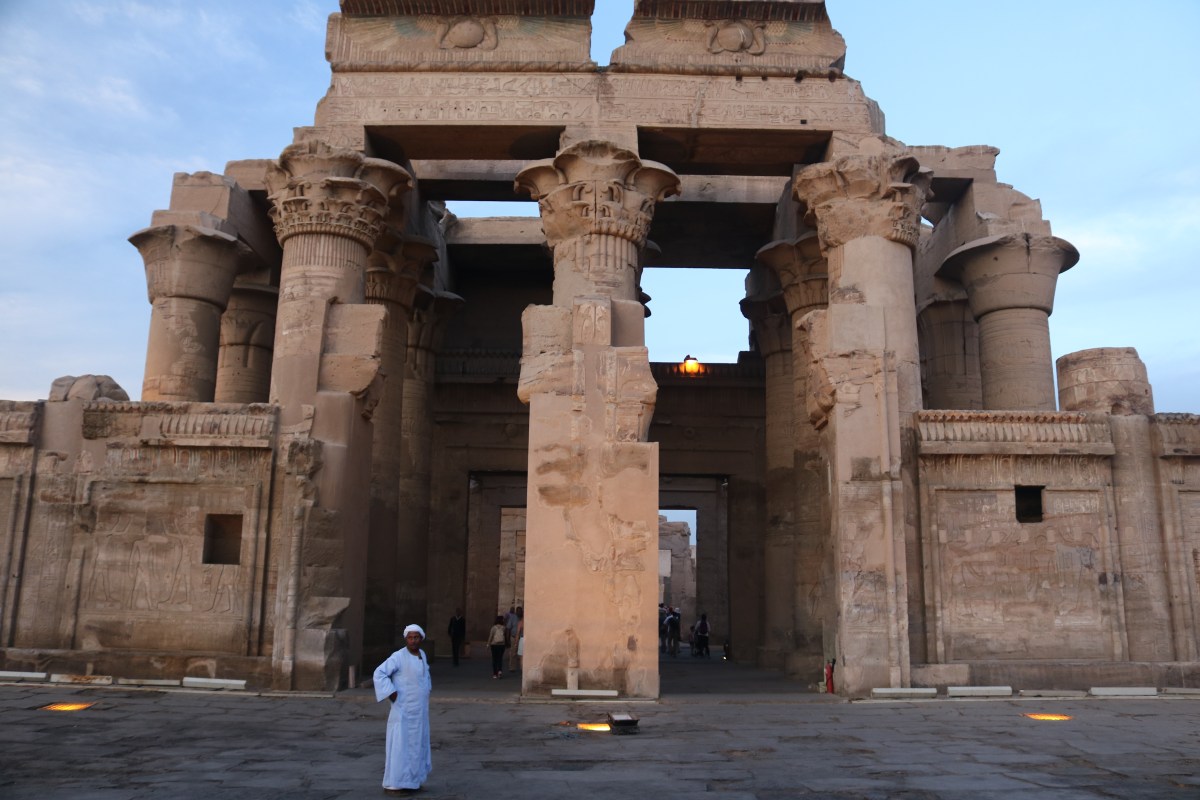
Some moments of the trip felt particularly special. Like standing among the ruins of temples, alone, with the exception of a few guards and some birds who had taken up residence. In these moments, we had time to reflect on the history (there’s an overwhelming amount to absorb), marvel at the grandeur of Egypt’s art and architecture, and of course, take photos without being photobombed. And in places where photos are not allowed (there are many), we were able to linger and really pay attention to the details.

The one notable downside, though, is the vacuum left by the declining industry. Street vendors are understandably desperate to sell their wares and are more aggressive. A simply no, or la shukran, did little to deter them. We bought a few items—some cheap, some pricey—practiced our haggling skills, and even bought some things we didn’t want for the sake of supporting the locals. Everywhere we went, we could feel the void the tourists left behind.

The Nile cruises, we were told, have about 25 boats still in operation, compared to the 300-plus boats that used to run (info from March 2016). While we didn’t select a bargain vessel, we got a lot of bang for our buck—another benefit of the weak market. Our flights and hotels were also quite reasonable, especially considering the lack of advanced planning; we booked only a few weeks out.

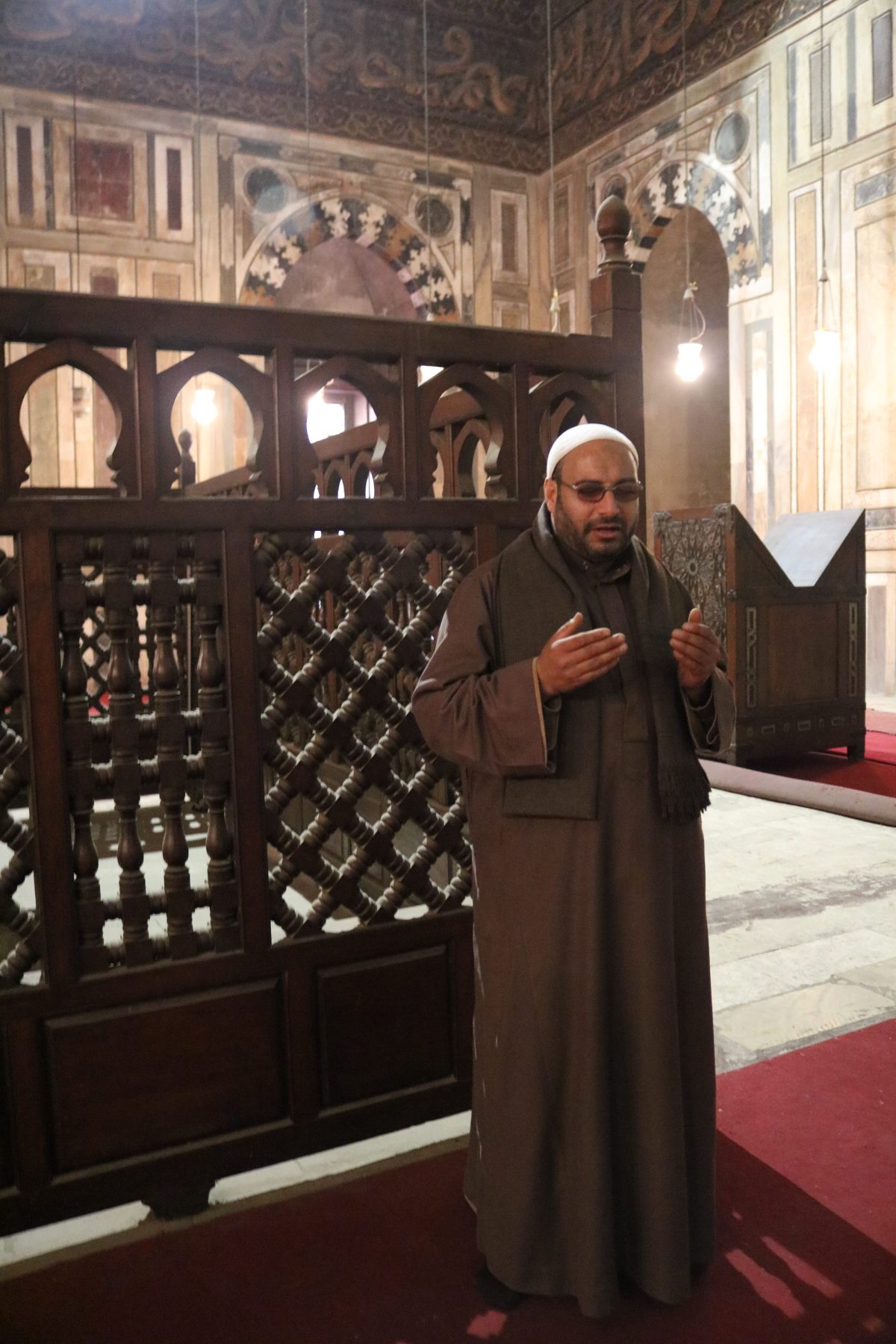
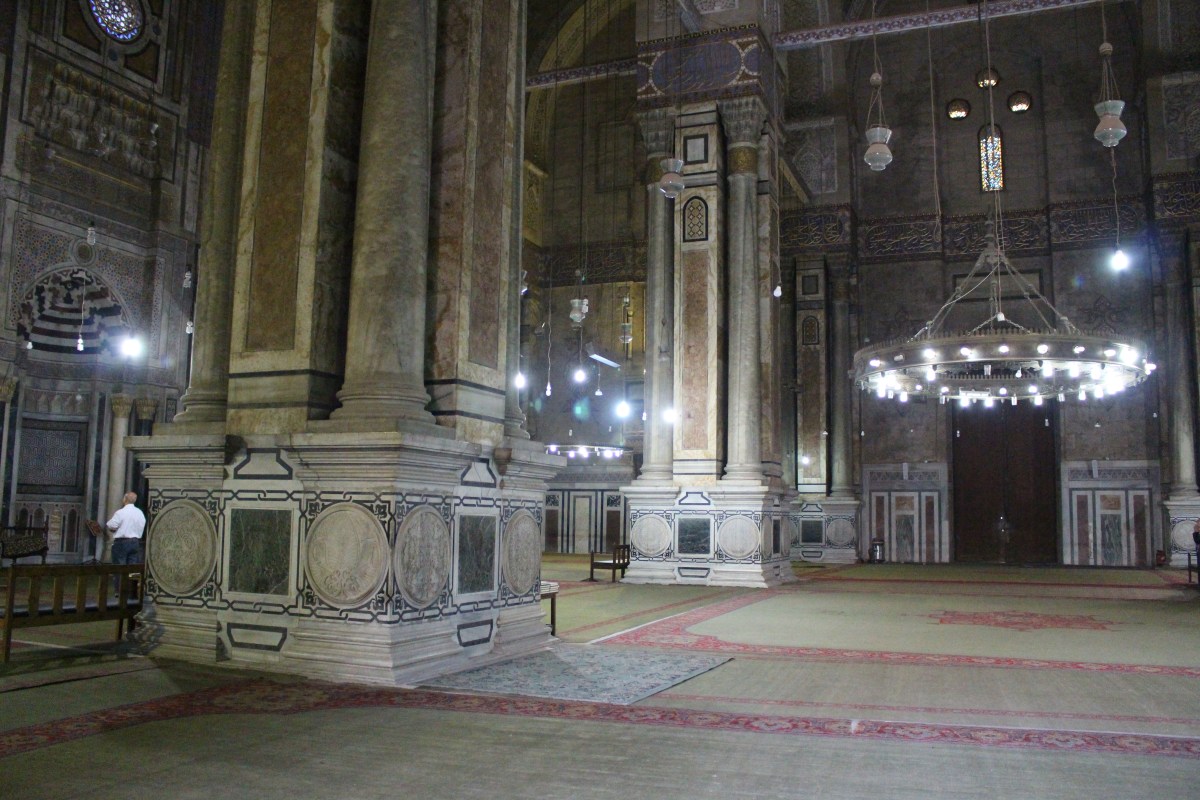
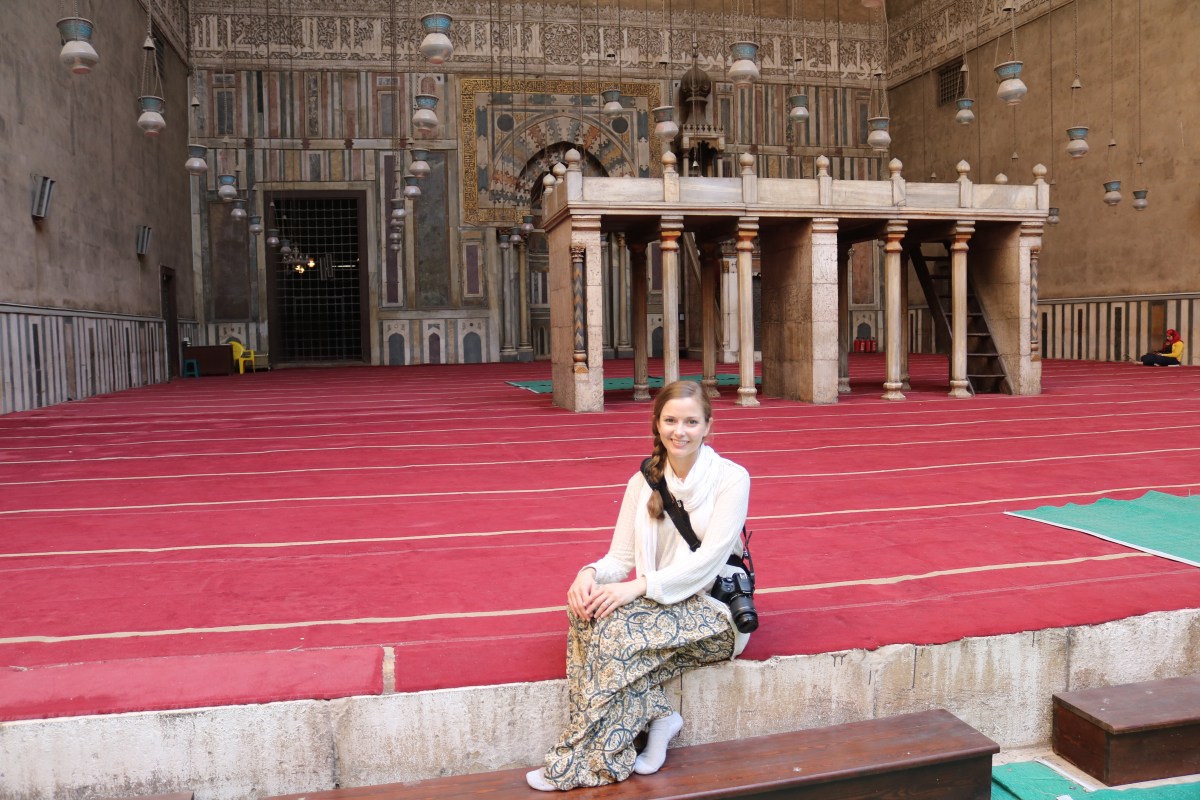
While scrambling to put this trip together, I also researched issues of concern to most travelers—from cultural differences to general safety concerns. I chose to dress conservatively (long, loose clothing with a scarf in tow for visiting mosques) and I felt perfectly safe and comfortable during the entire trip. I never felt I was in danger due to my gender or nationality. (However, I cannot speak to the experience of traveling alone as a woman, another topic I researched before traveling.) We were welcomed into mosques (one imam even sang for us) and people were generally quite nice and helpful.

The one question we were asked repeatedly is why Americans no longer visit Egypt. I said I didn’t know but promised to help spread the word. Promise kept!

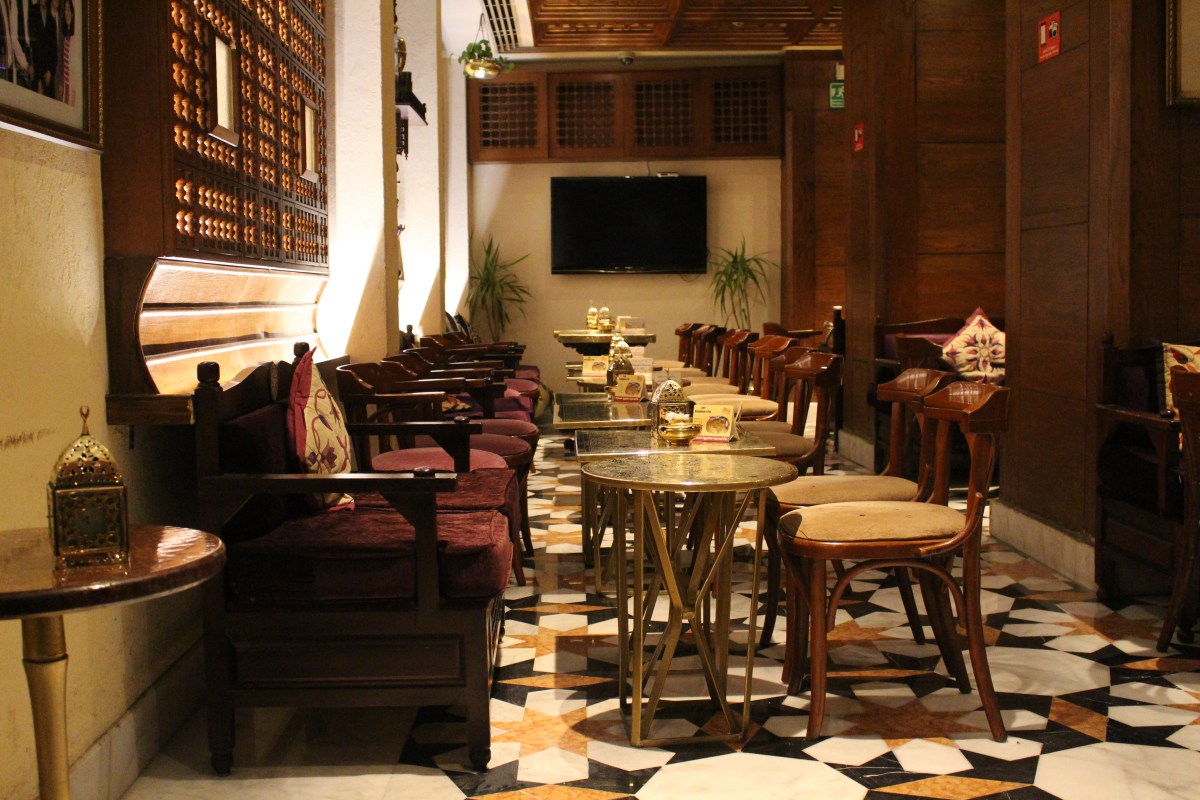
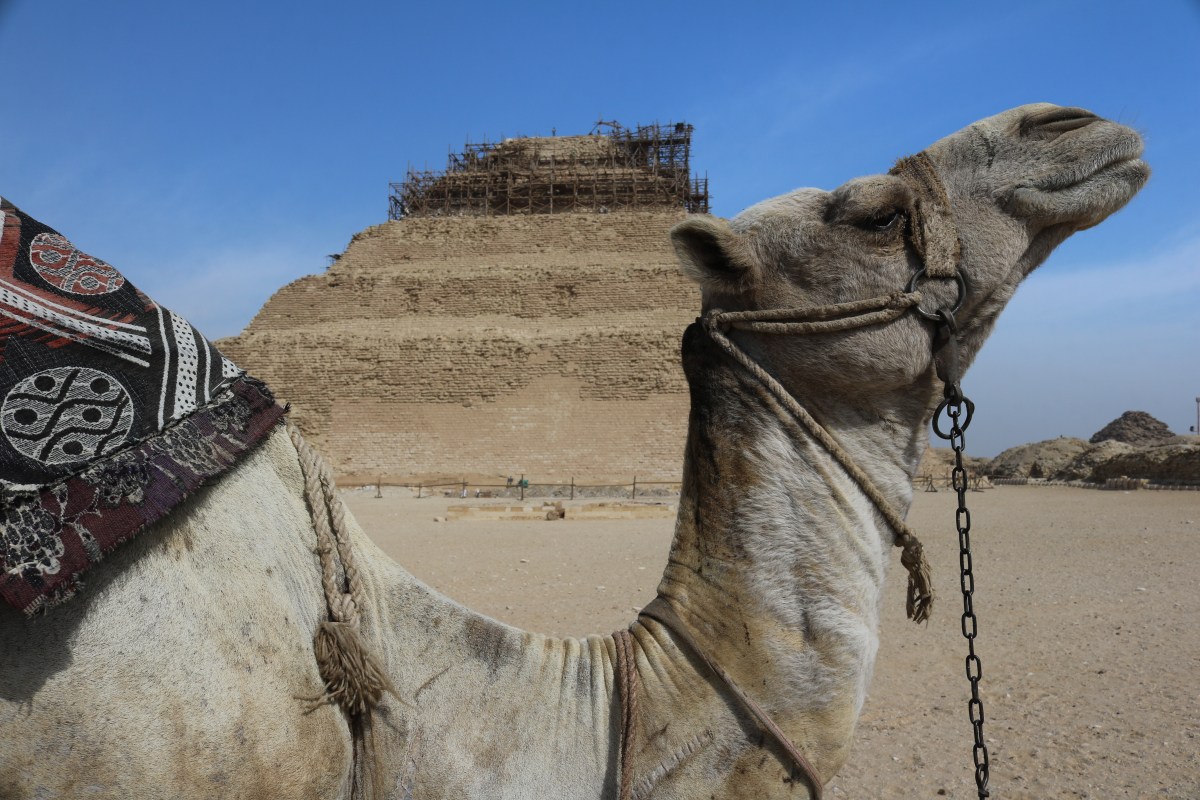
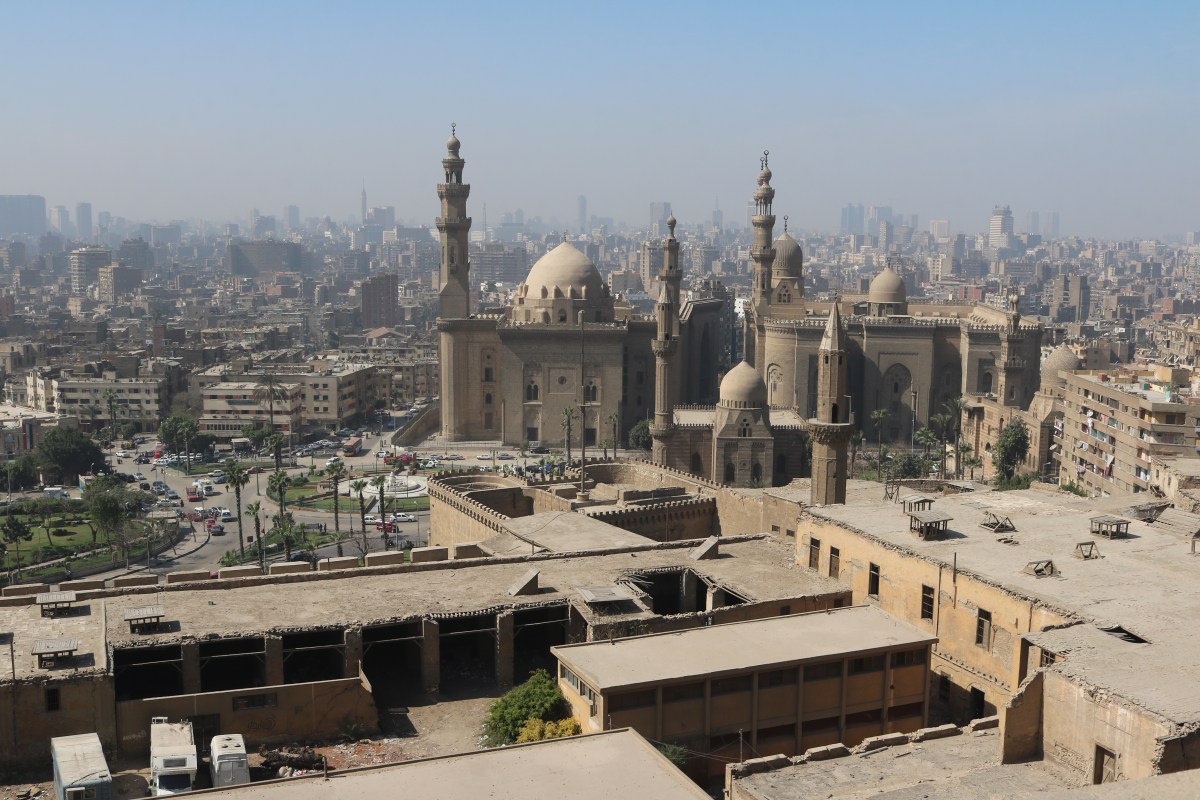
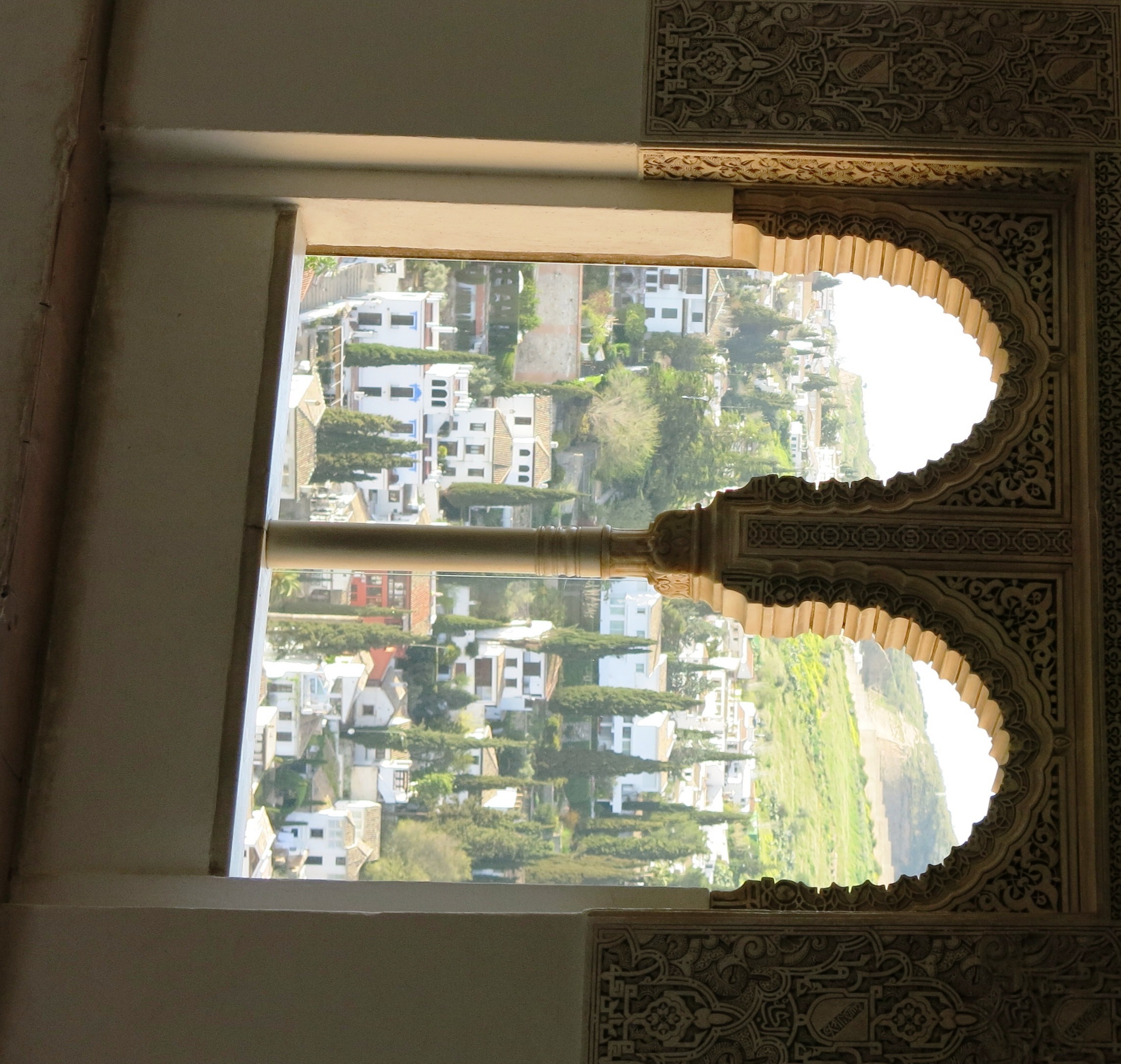
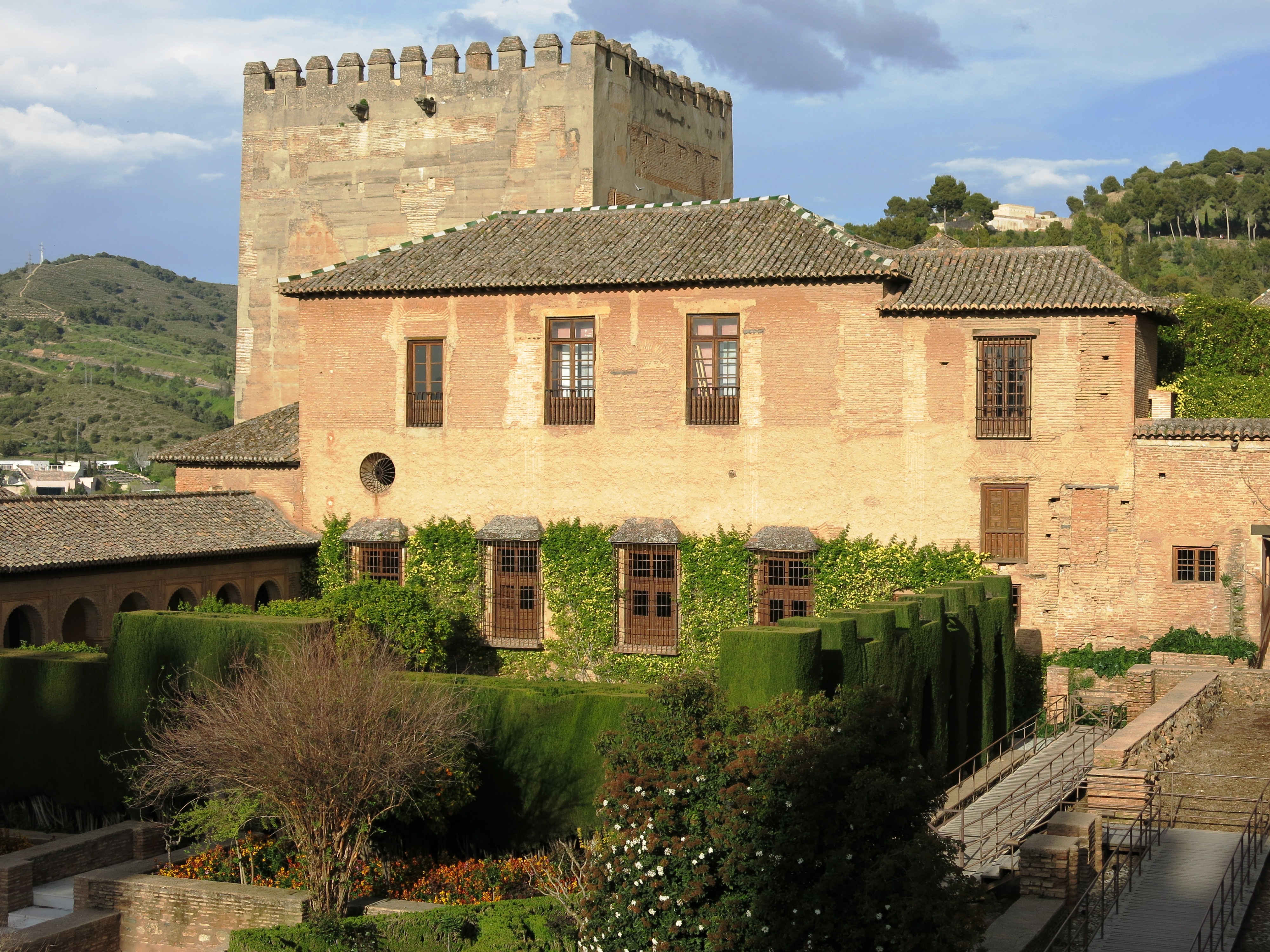
Now that I’ve convinced you to go to Egypt, here are some recommendations to get you started. And if that doesn’t work, browse my photos. It was very difficult to narrow them down (from thousands to just 50) since every day of my trip was interesting and different than the day before.

Planning Your Trip

  • Check the State Department website for up-to-date travel advisories (e.g., it is currently not recommended to visit the Sinai Peninsula).
  • Check the weather. Summer is the low season due to high temperatures. High season is winter (October–February) but September, March and April can also be pleasant.
  • Take a Nile cruise from Luxor to Aswan (or vice versa). This will serve as your floating hotel room and will stop at all of the places you want to see along the Nile. I recommend the Sonesta Moon Goddess. It’s not a cheap option, but it is definitely worth the money. The boat was clean and modern with excellent food, a courteous staff, and a knowledgeable tour guide. See cruise itineraries.
  • In Cairo, visit the Museum of Egyptian Antiquities to see King Tut’s mask and treasures, and the mummy rooms (for an extra fee). Guides hang out near the entrance and will offer their services. If you’re interested in actually learning about the pieces and you don’t have a detailed museum guide, it’s worth it. Otherwise, you can pop in and out in an hour.
  • In Cairo, book day tours to the pyramids, Islamic and Coptic Cairo (and more, time permitting) through Emo Tours. A driver and a guide will pick you up at your hotel, take you on the tour, and then drop you back off. While you can take taxis and tour sites yourself, using a tour company is very convenient and not very expensive. Plus, you know exactly how much to pay; no haggling required. Another selling point: the tours are private. It was just me, my husband, our driver and guide. Additionally, we emailed the company ahead of time to customize our tours and they were very amenable.
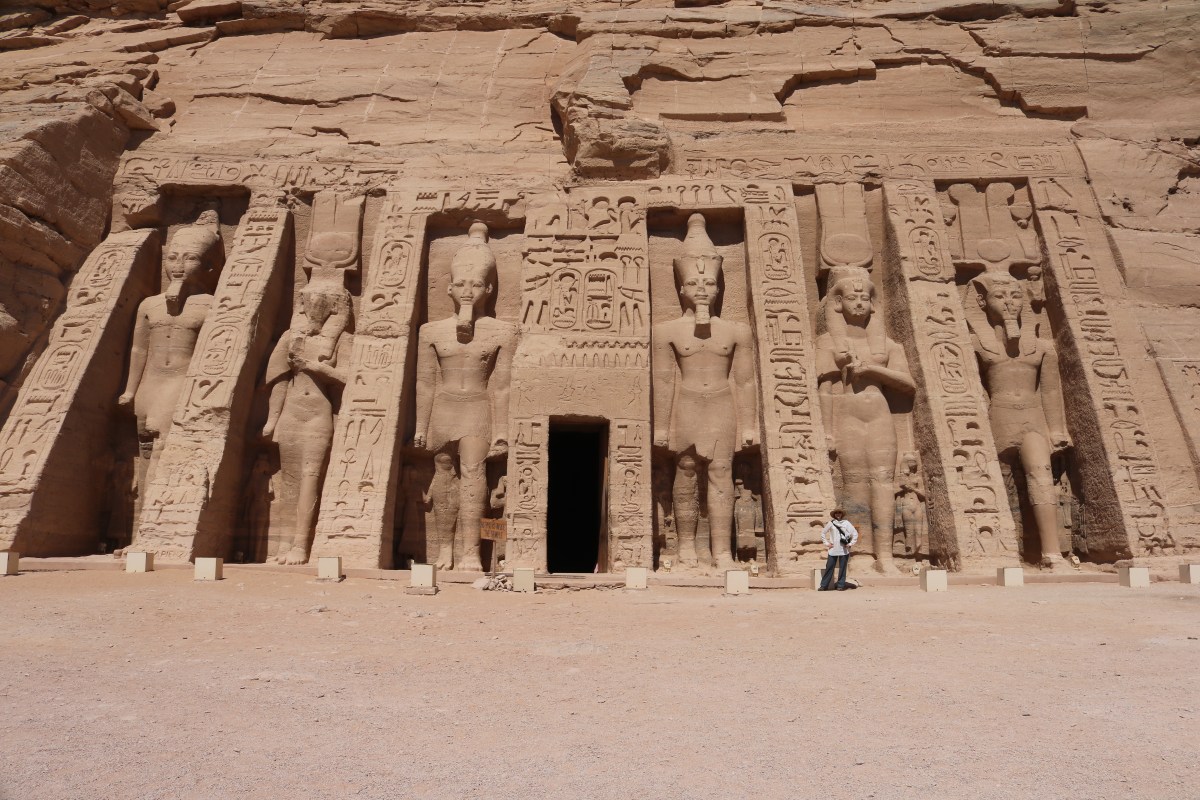
  • Visit Abu Simbel! Once you see the photos, you’ll understand. It’s a short, 45-minute flight from Aswan and you’ll have several hours at the site before your return flight.
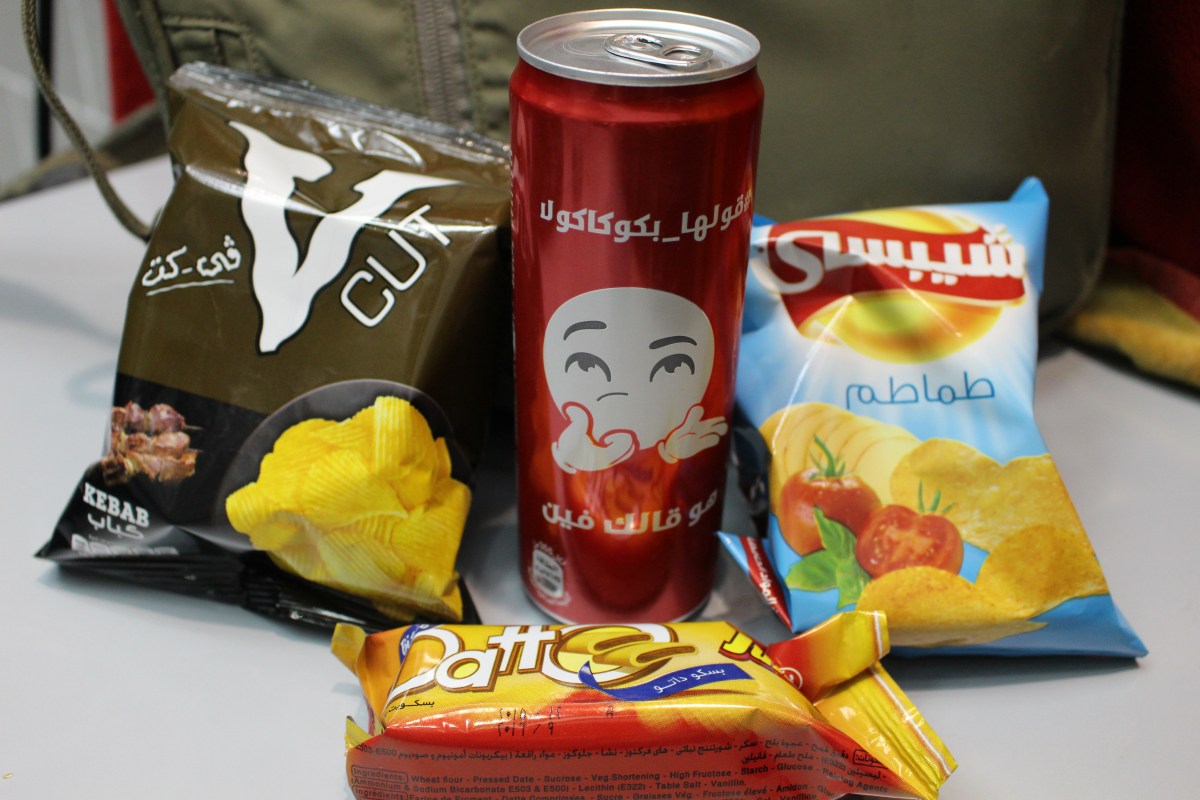
  • Learn to haggle and eats lots of koshary and date bars.

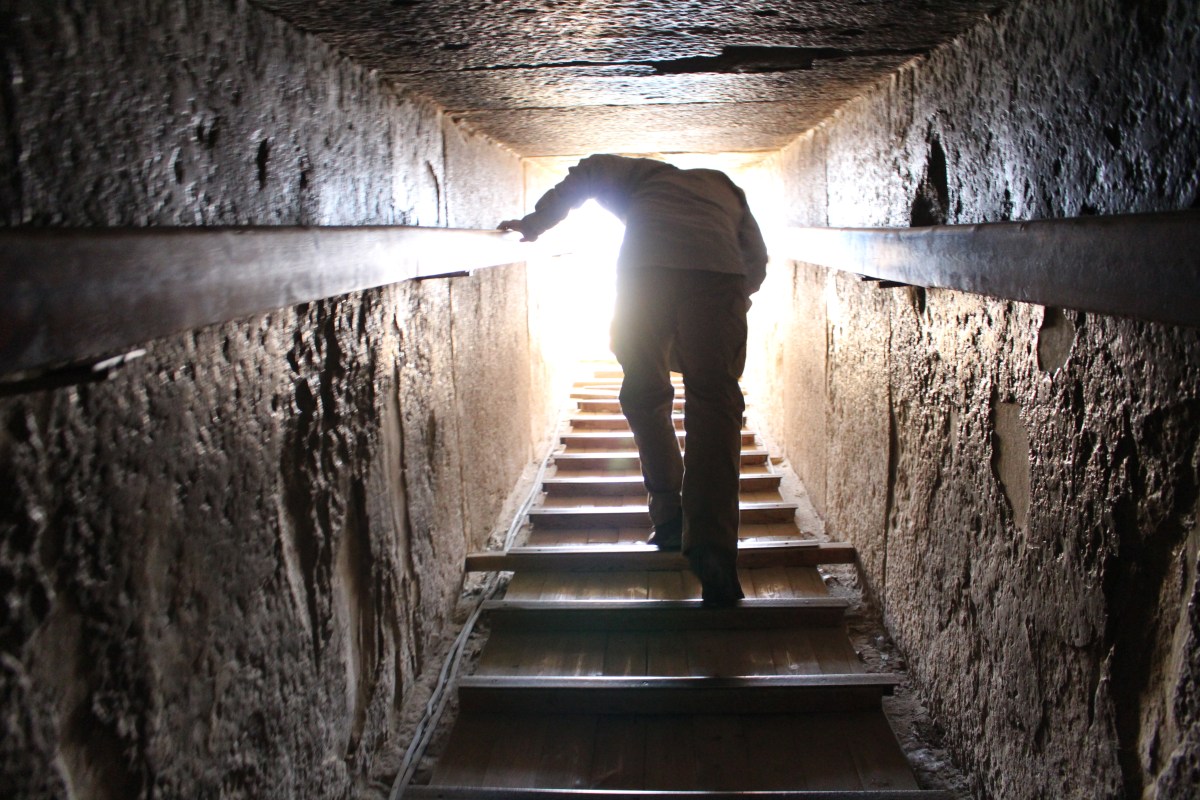
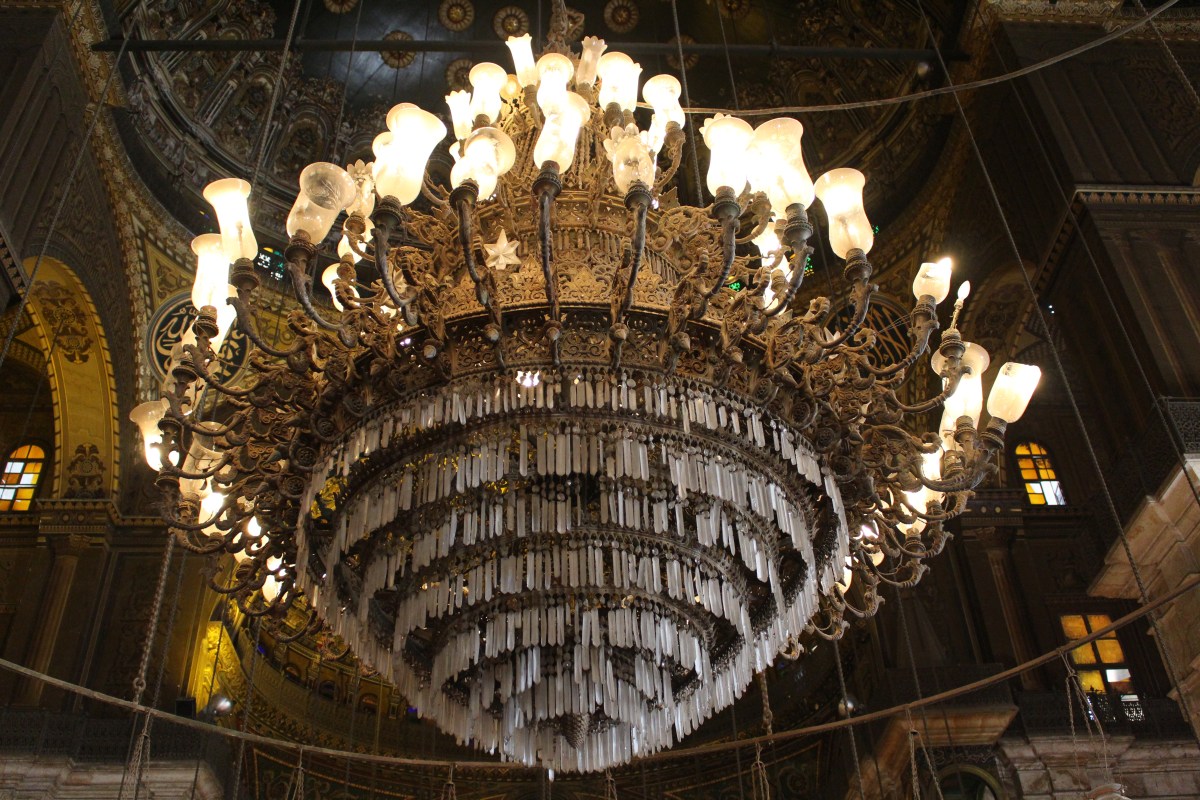
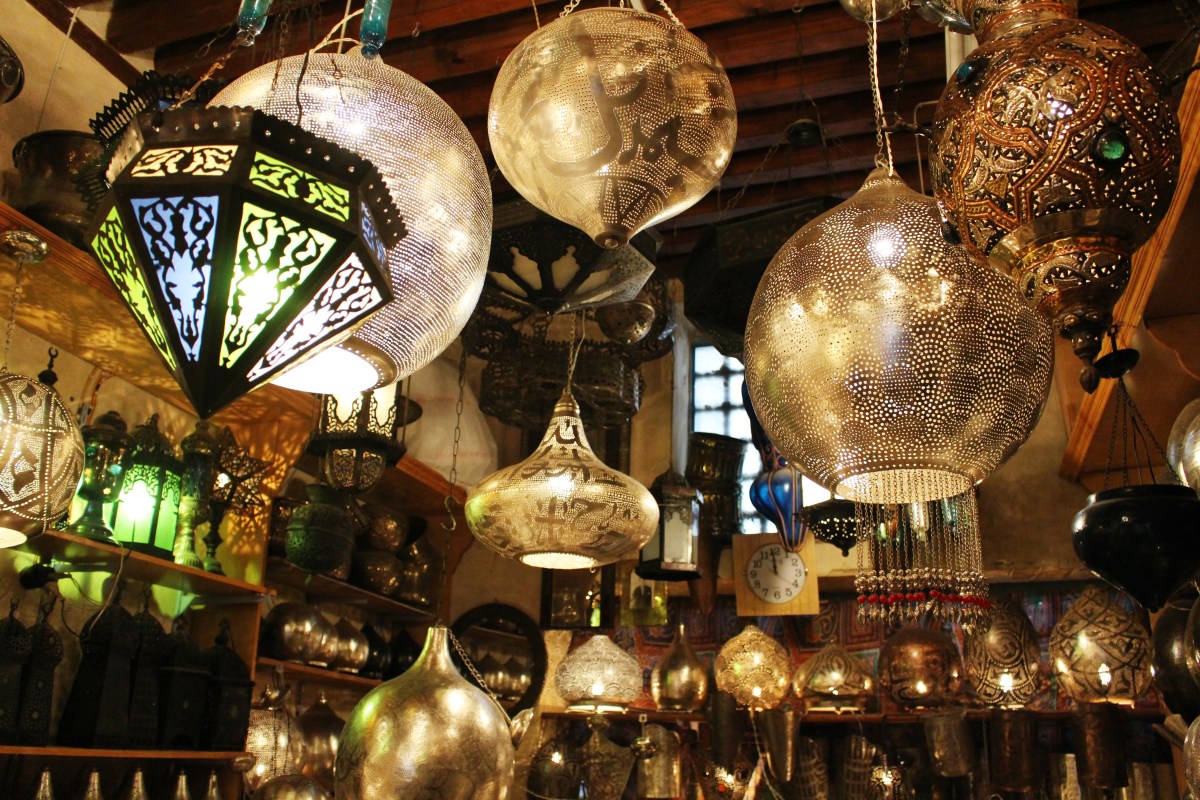
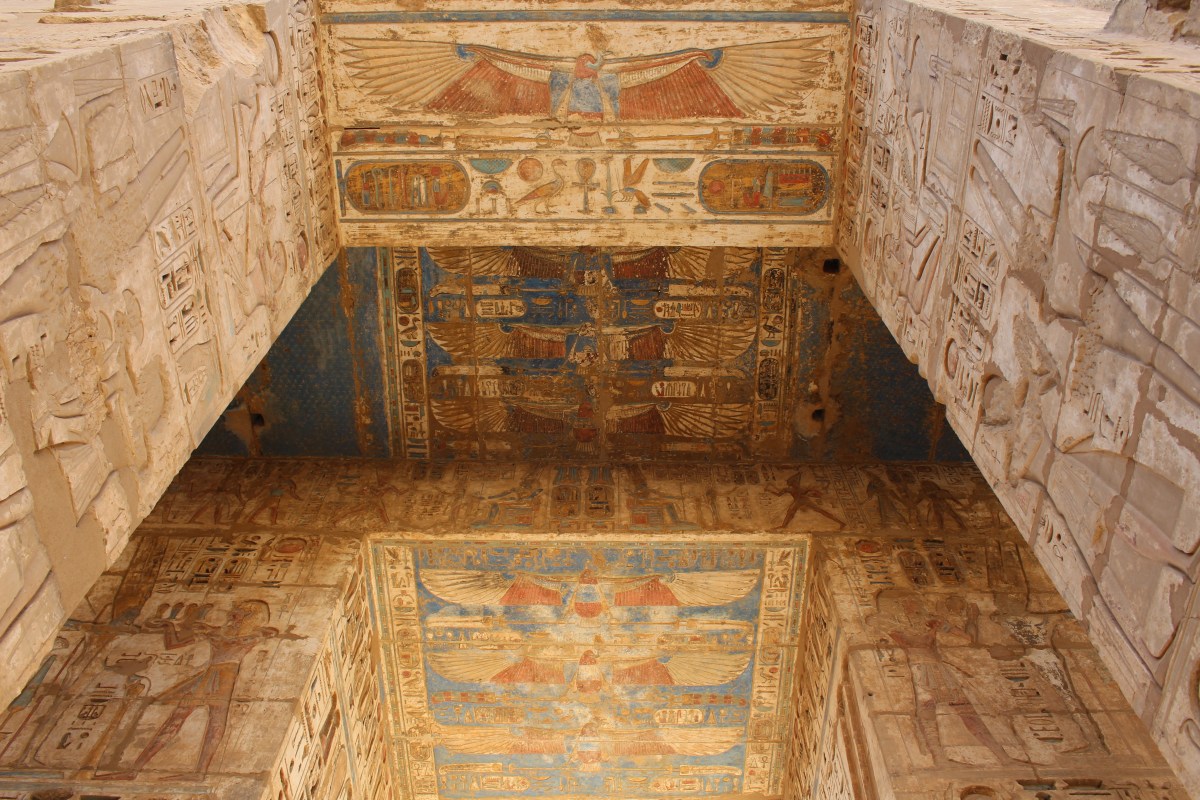
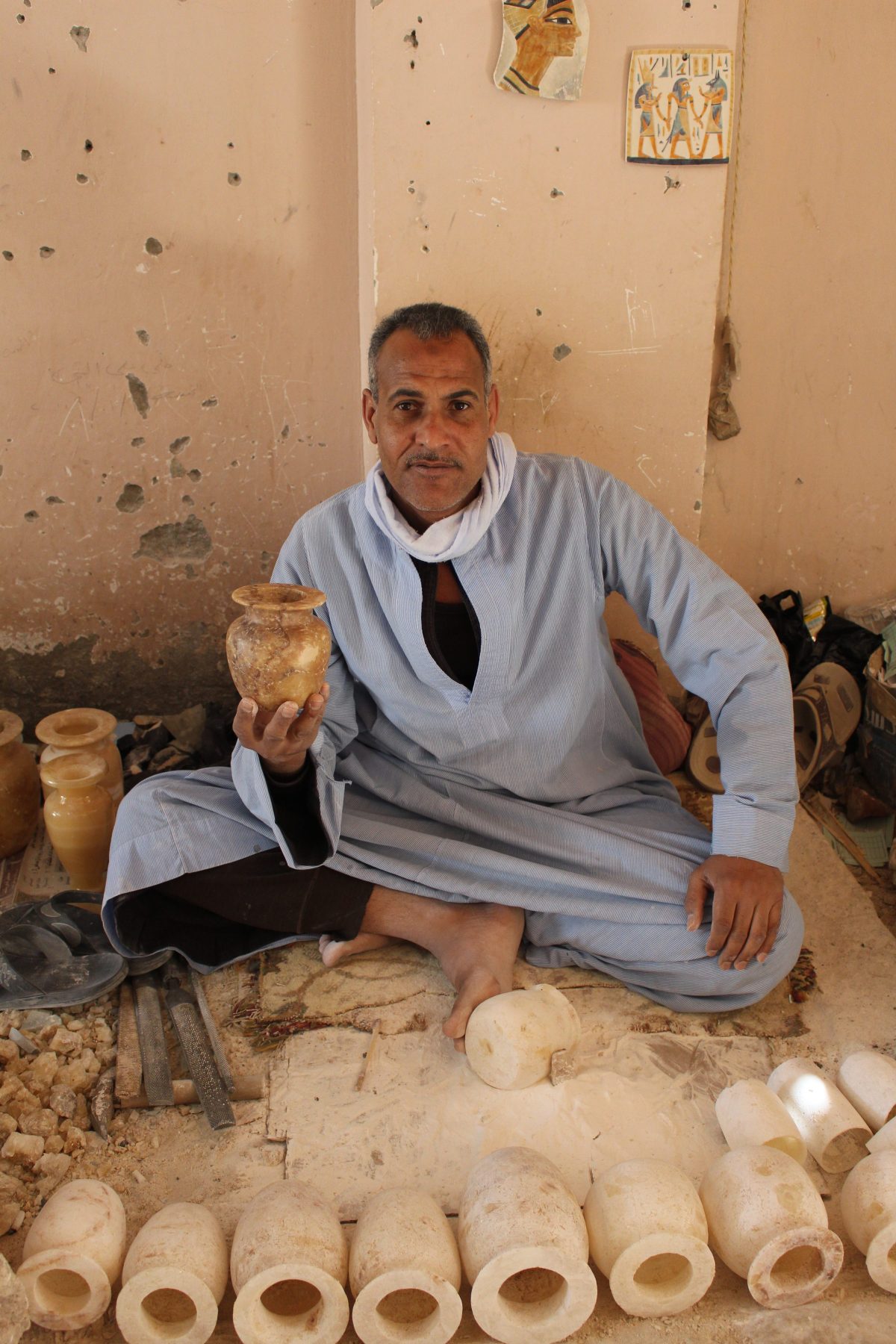
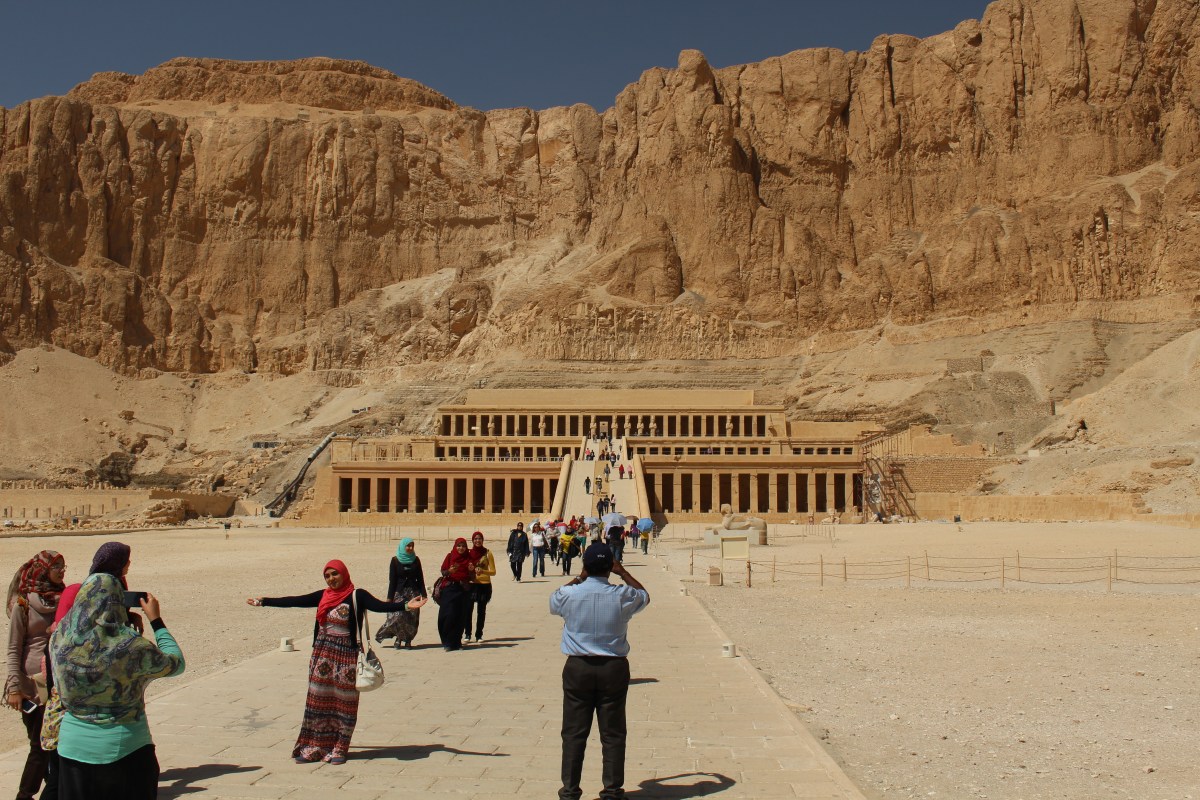
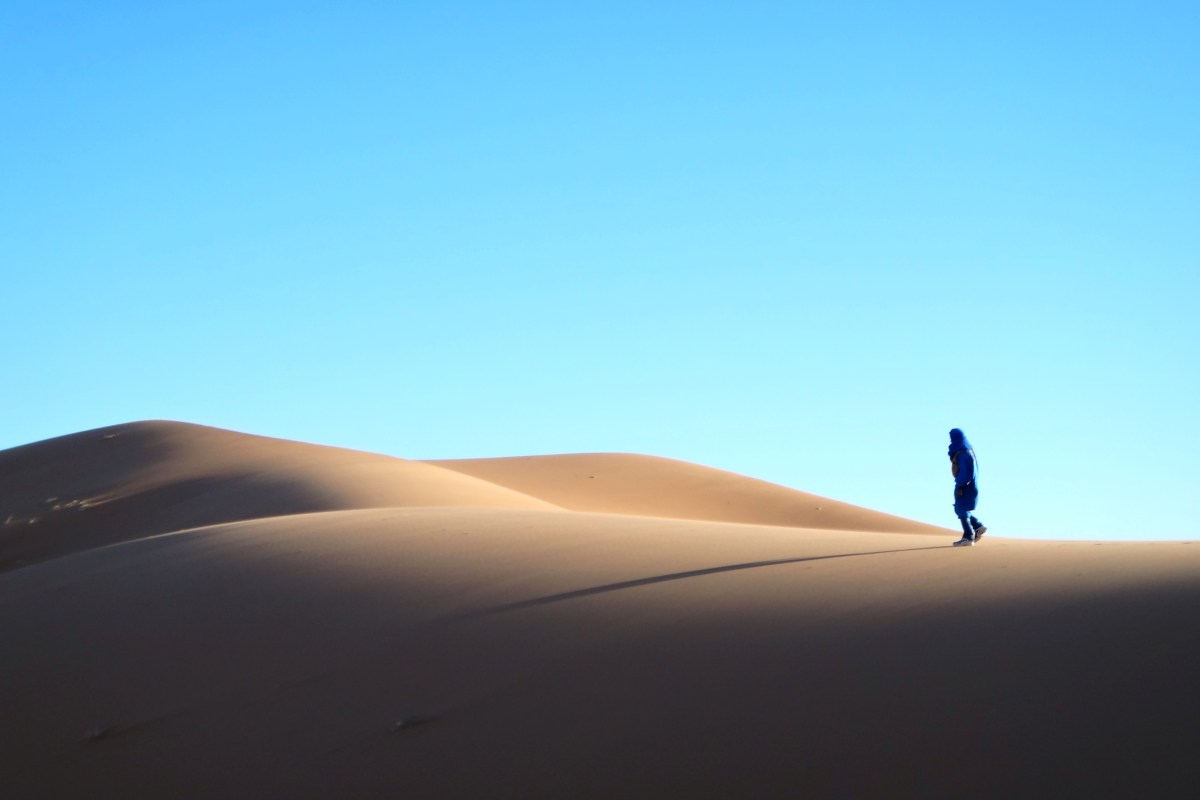
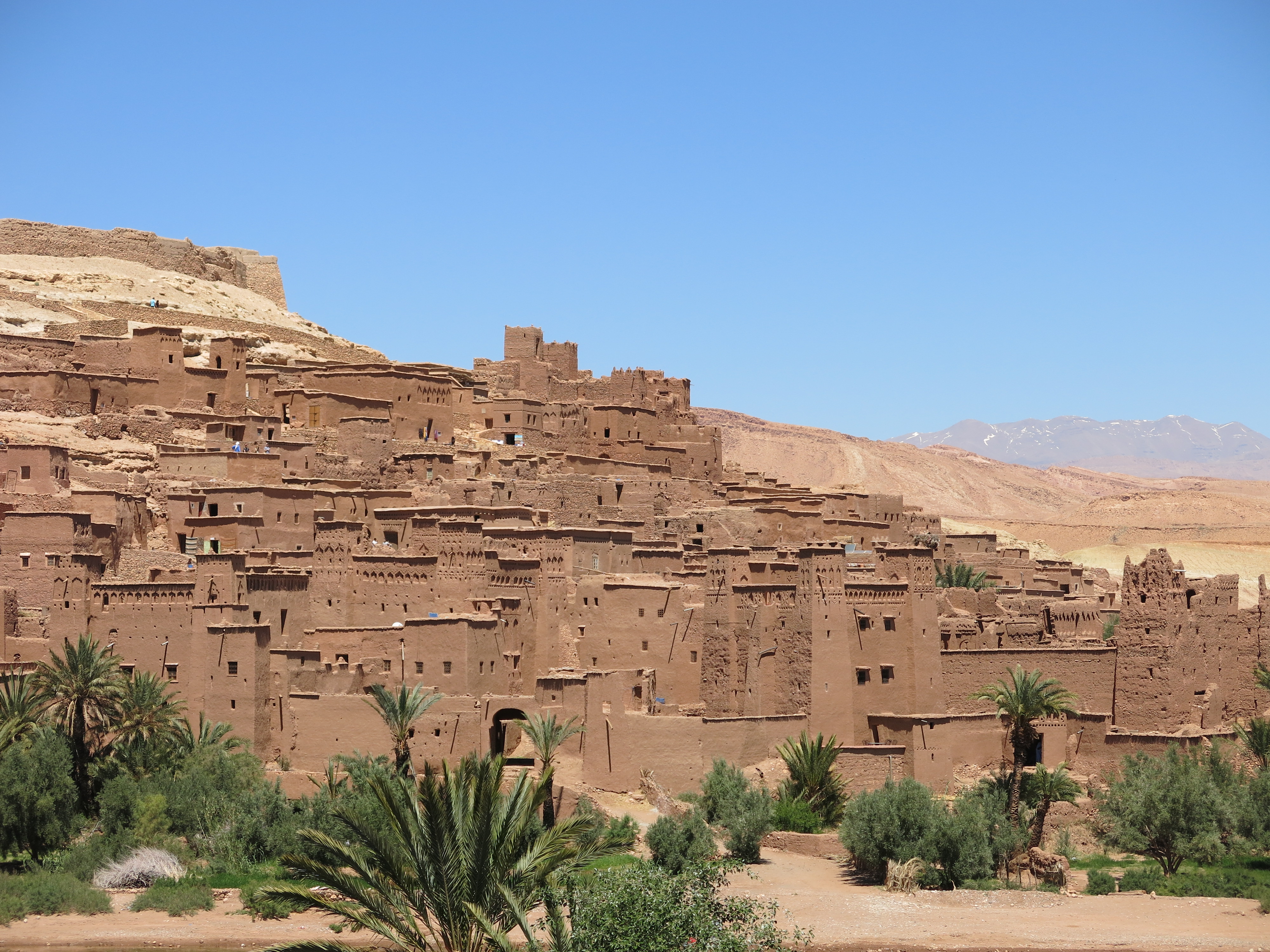
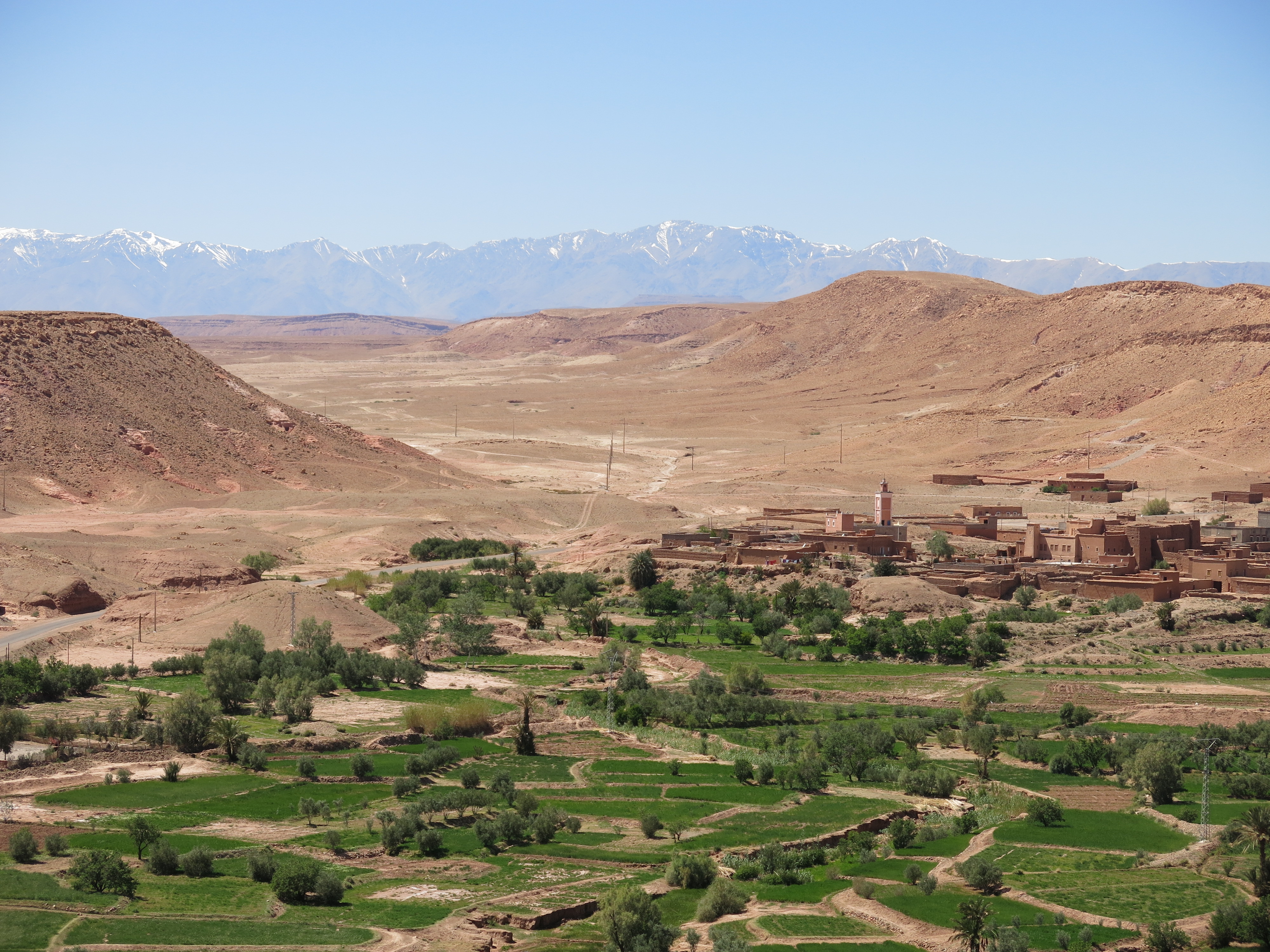
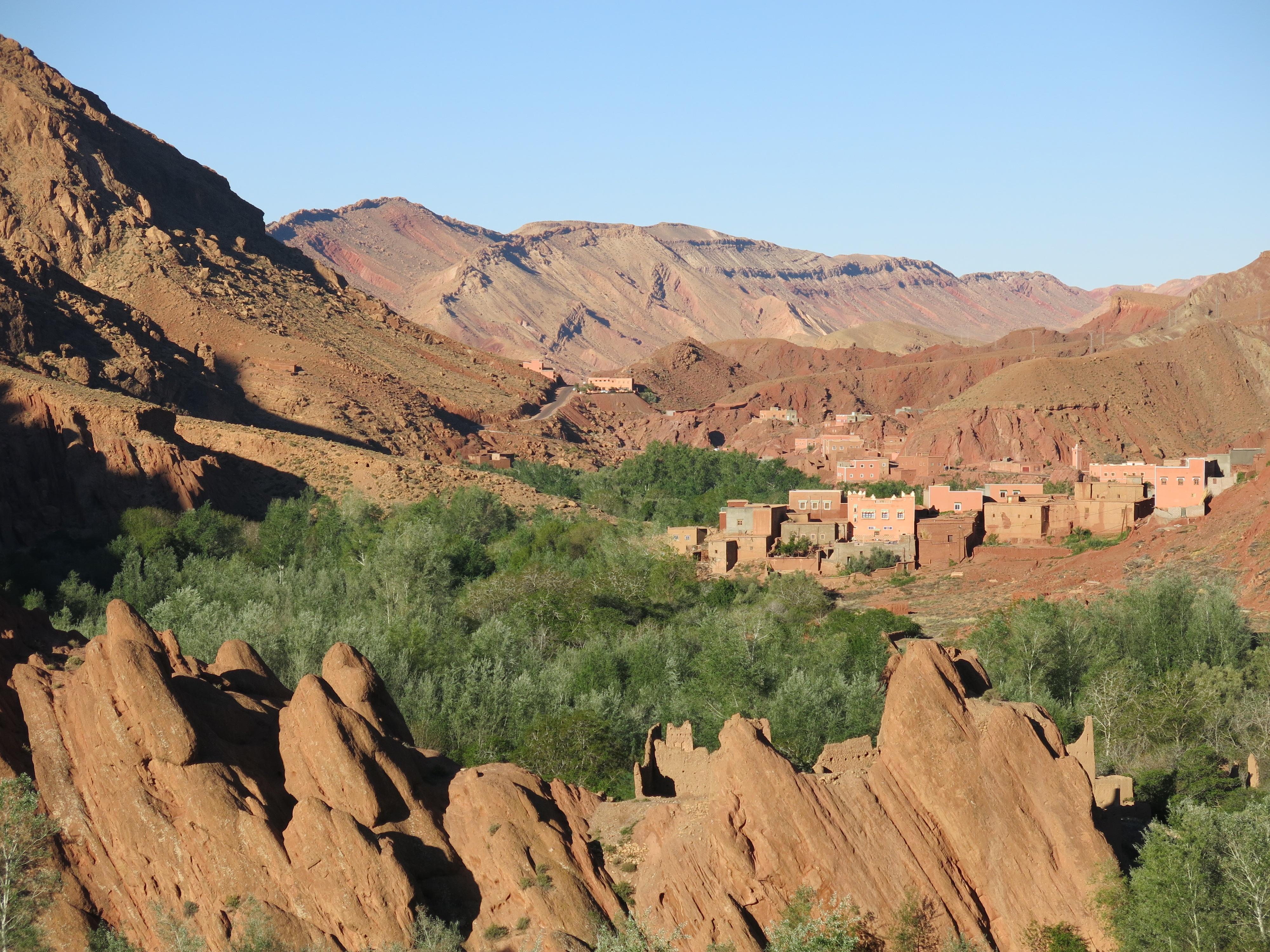
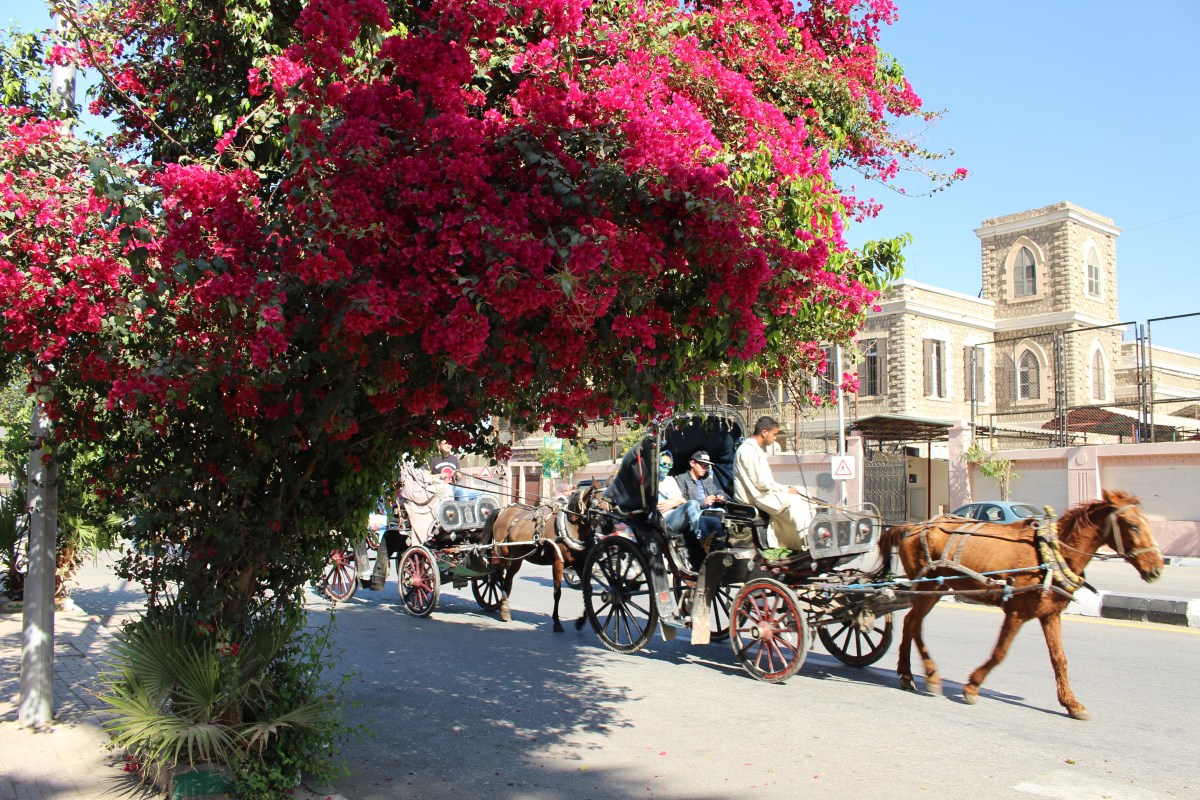
Mortuary Temple of Hatshepsut 2Hieroglyphics 1Exiting pyramidNew friends 1Great Pyramid, closeupObligatory photo of SphinxMosque of Muhammad Ali 3El Sultan Hassan Mosque 3Naguib Mahfouz, kosharyMosque of Muhammad Ali 1Naguib MahfouzAl-Rifa'i Mosque 1Al-Rifa'i Mosque 2Camel and the Pyramid of DjoserCoptic CairoCairo, view from CitadelAbu Simbel 1Elephantine islandLantern shop in souk  1Lantern shop in souk 2Old Cataract Hotel, AswanGreat PyramidsLuxorLuxor souk 3Abu Simbel 2El Sultan Hassan Mosque 2soukEl Sultan Hassan Mosque 1Nile cruise shipTemple of PhilaeKom Ombo Temple 1snacksNile vendors alongside shipKom Ombo, snake charmerarchaeological digKarnak TempleLuxor soukKom Ombo, croc mummiesLuxor 2New friends 2Luxor souk 2boat to Temple of PhilaeKom Ombo Temple 2Temple of Medinat HabuMaker of alabaster bowlsMortuary Temple of Hatshepsut 1Hieroglyphics 2Kom Ombo Temple 4Mosque of Muhammad Ali 2temple wall


Day Trips from Munich

After a fun day in Munich, seeing the Marienplatz and Glockenspiel, and making new friends over many pints at the Hofbräuhaus, we didn’t want to leave. However, we also wanted to see more cities. So we did both. We made Munich our base camp for 3 days and took day trips to nearby Fussen and Salzburg.

Munich to Salzburg is just 90 minutes by train. And unless you want to do the 4-hour Sound of Music tour, you can see most of the city in a half day.

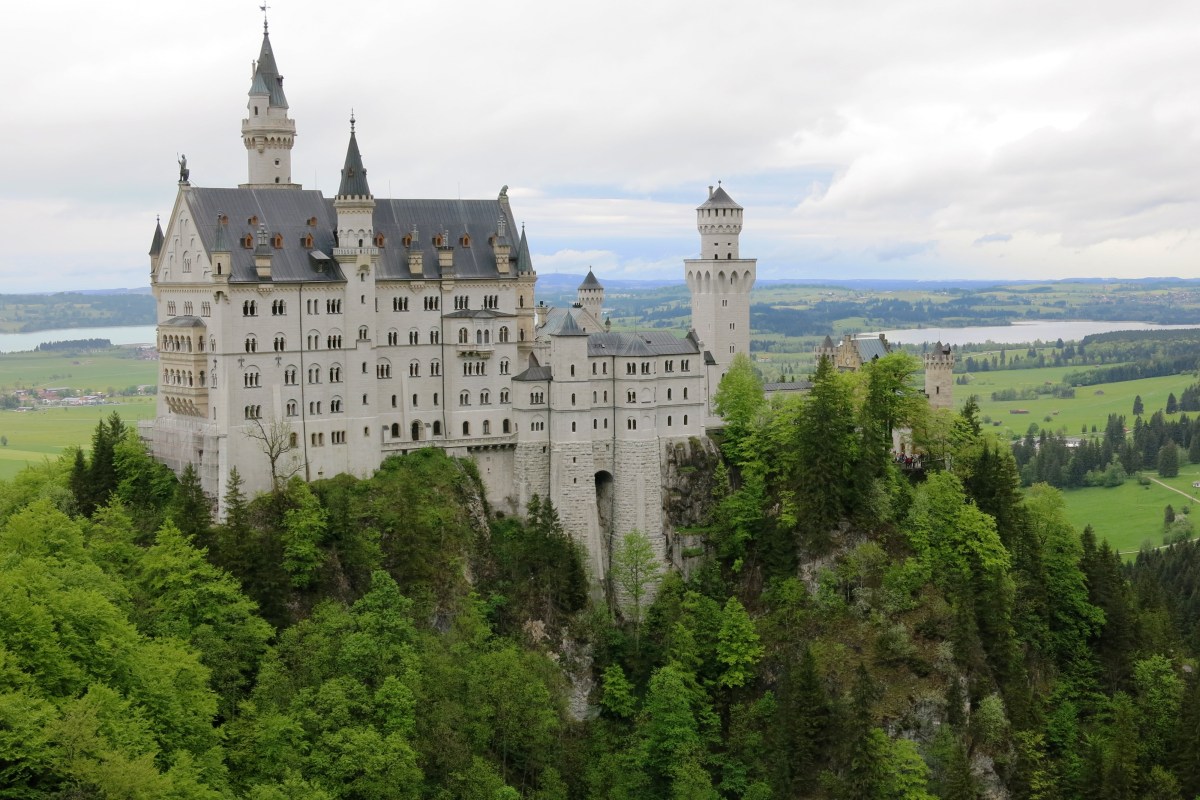
Munich to Fussen is a little farther at 2 hours by train, but the ride is so scenic and beautiful that you won’t mind. From there, head to the nearby Neuschwanstein Castle (so beautiful it inspired Disney’s Cinderella Castle), then tour the tiny, quaint and lovely town of Fussen before heading back to Munich for dinner. And more pints of course.

How to get to Neuschwanstein Castle from Fussen
Take the train to Füssen, then the bus RVA/OVG 73 in the direction to Steingaden / Garmisch-Partenkirchen or the bus RVA/OVG 78 in the direction to Schwangau until you reach the stop Hohenschwangau / Alpseestraße. (Directions copied from http://www.neuschwanstein.de/englisch/tourist/howtoget.htm.)

You can also take a cab from the train station if you’re short on time.

Munich


Salzburg


Fussen and Neuschwanstein


The Scenic Route


Sweet, Sweet Brussels

In a restaurant in Old Fes, I met a man named Giles who was in Morocco to escape the bitter cold of home. Don’t go to Brussels, he said. It’s miserable. In case we did, however, go to Brussels, he also gave me his contact information. And while I didn’t call him a month later when I finally arrived in Belgium, I was surprised by how welcoming he and other travelers that I met on my 10 week journey had been toward me. They offered to be my tour guide in their home country; some even offered a place to stay. As a new traveler, I wondered if I could ever become so trusting, offering my home to a stranger.

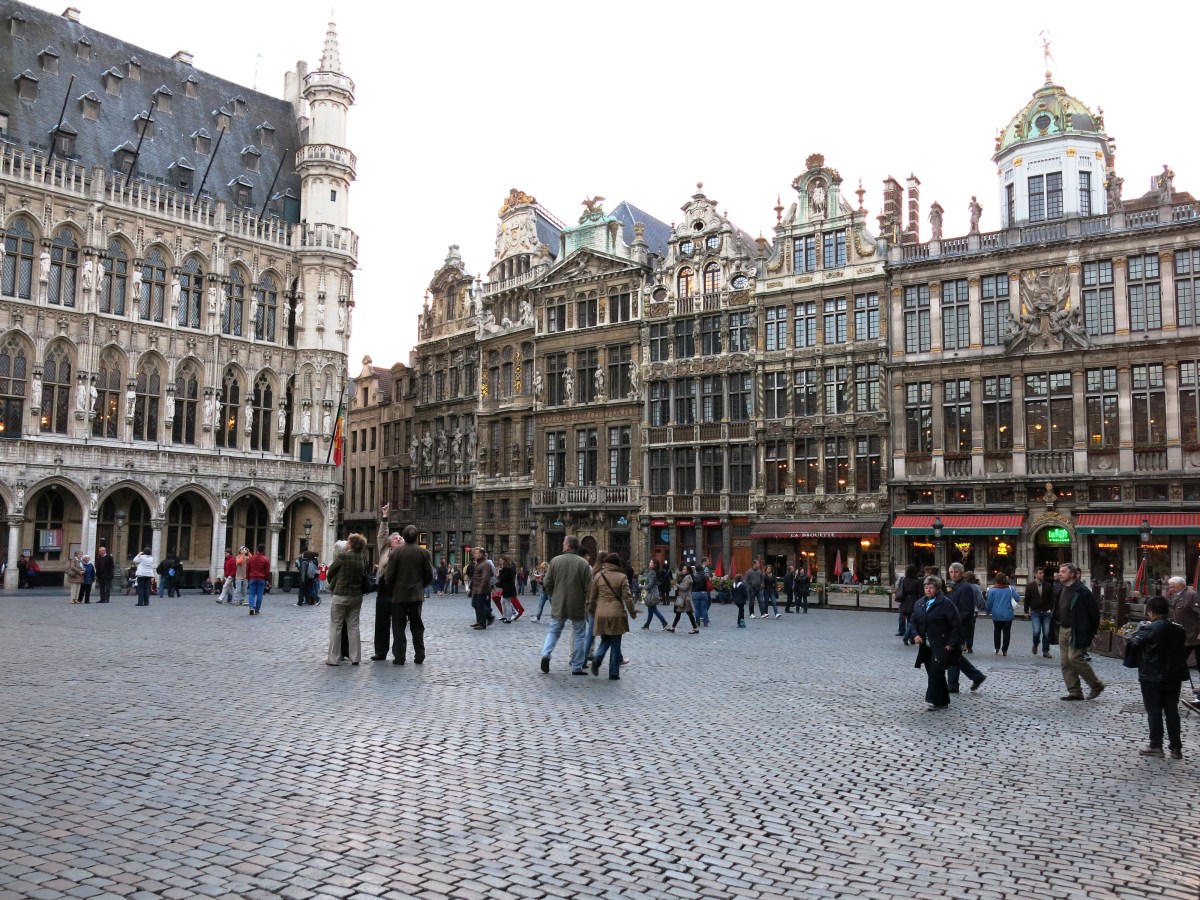
When I arrived in Brussels, it was cold and rainy, just as Giles had described. But it was also wonderful, paved in cobblestone and centered on the Gothic and baroque architecture of the Grand Place. And the food … how did Giles not mention it? I wasn’t aware of Brussels’ culinary praises at the time, but during my day and a half stay it was hard to ignore. There was shop after shop offering waffles, beer and chocolate, and I, of course, got my fill.

I started with a waffle.

With no knowledge of the Brussels vs. Liege waffle debate, or that the “Belgian waffles” I knew were really a North American food and didn’t exist in Belgium, I chose a small waffle shop with a large crowd.

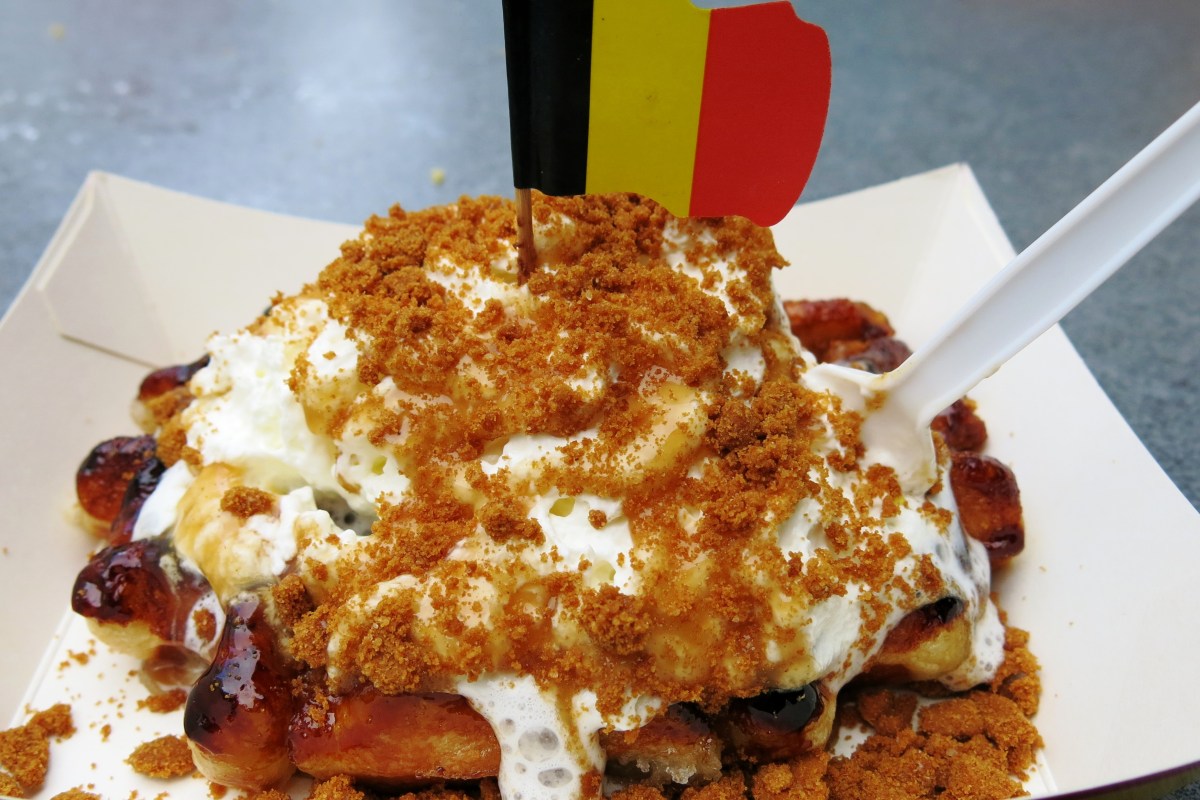
And in typical American fashion, I chose the waffle topped with the most fat and sugar: whipped cream, syrup and speculoos—a spicy, crunchy (and amazing) cookie I had never heard of. It was heaven.

Fortunately, through the gobs of toppings, I could tell this waffle was different. It was dense, chewy and delicious and unlike any waffle I’d had before. But now that I know the difference between a “Belgian waffle” and a waffle from Belgium (I believe mine was a Liege waffle) nothing I’ve had since can compare.

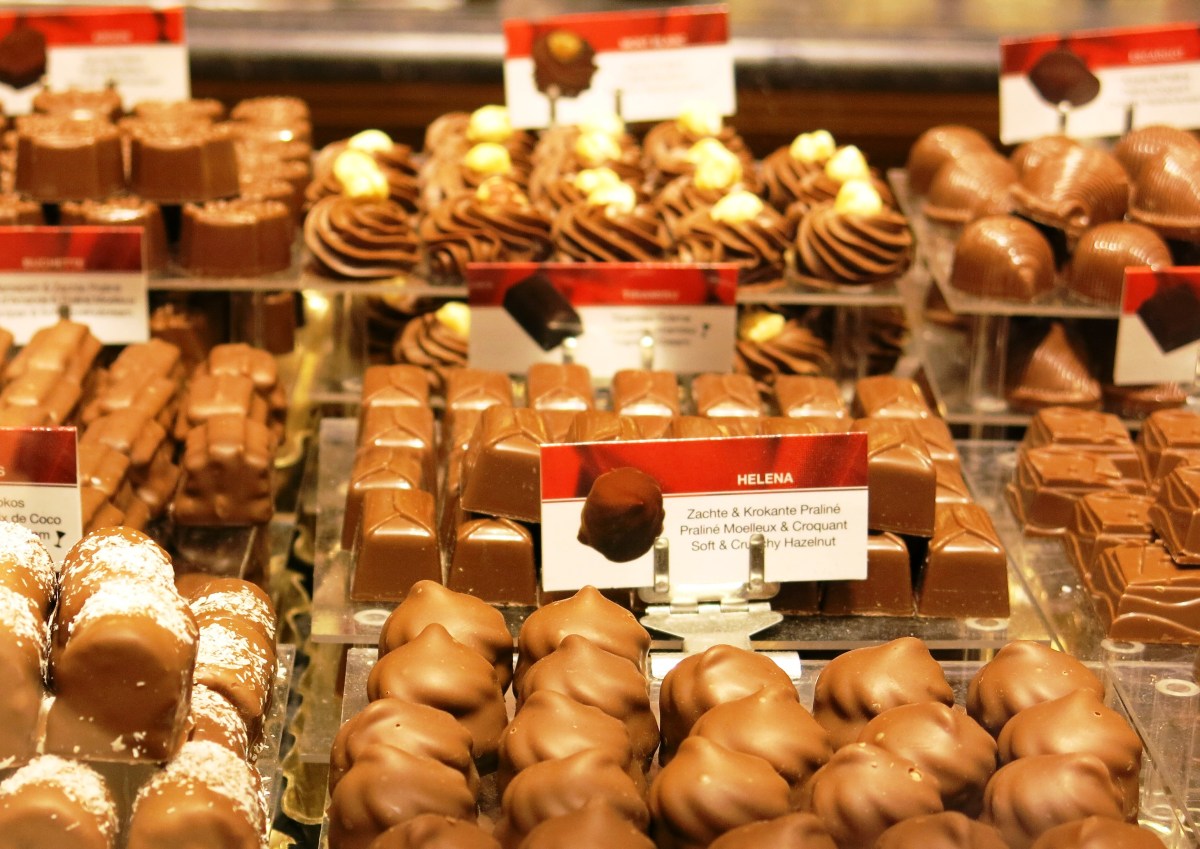
Next was chocolate. I sampled truffles and milk chocolate medallions from different shops and all were equally delicious. And then came the beer, which was the best treat of all. While craft brews have finally made headway in the U.S. offering selection beyond the swill of the masses (read: Bud Light), Belgium beer is incomparable. At least for me. I enjoy a yeasty, unfiltered Belgian white, my favorite being Blanche of Namur.

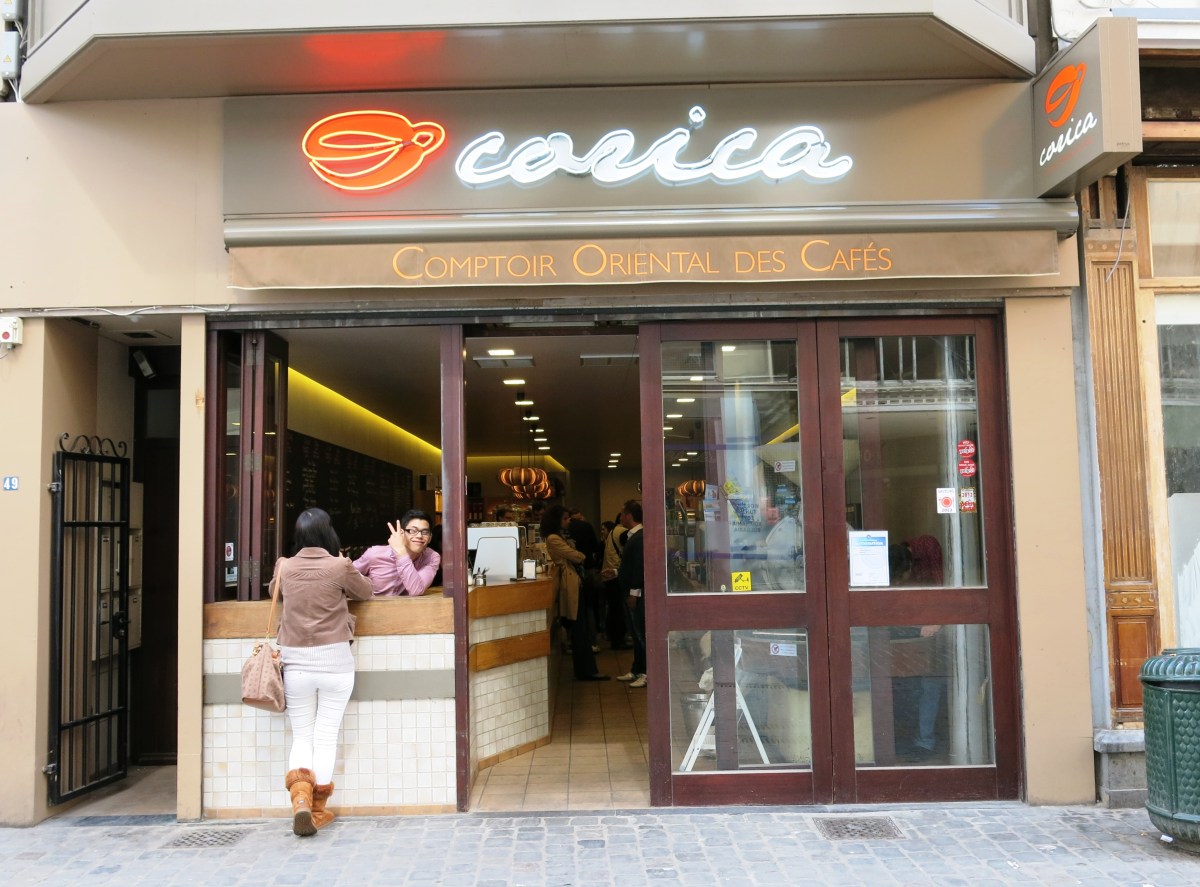
To top off my sugary feast, I stopped by the Corica coffee shop for a cappuccino and a non-Belgian specialty but a long-awaited first—kopi luwak.

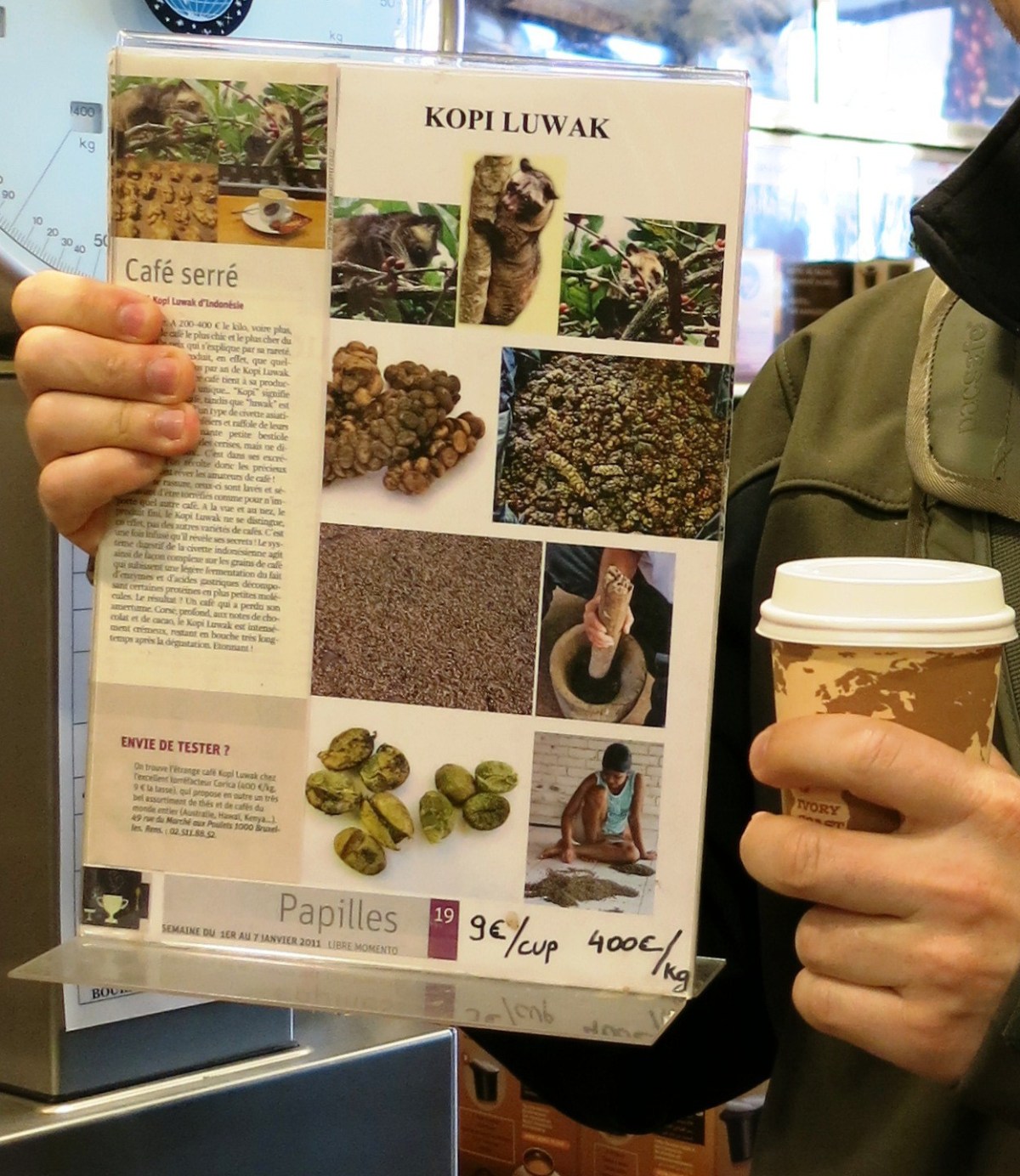
Kopi luwak is a rare coffee made from the seeds of coffee berries that have been eaten and digested by civets (some call it “cat poop coffee”). It was not delicious, but not terrible, and for me, an expensive one-time treat I’m glad to have tried.

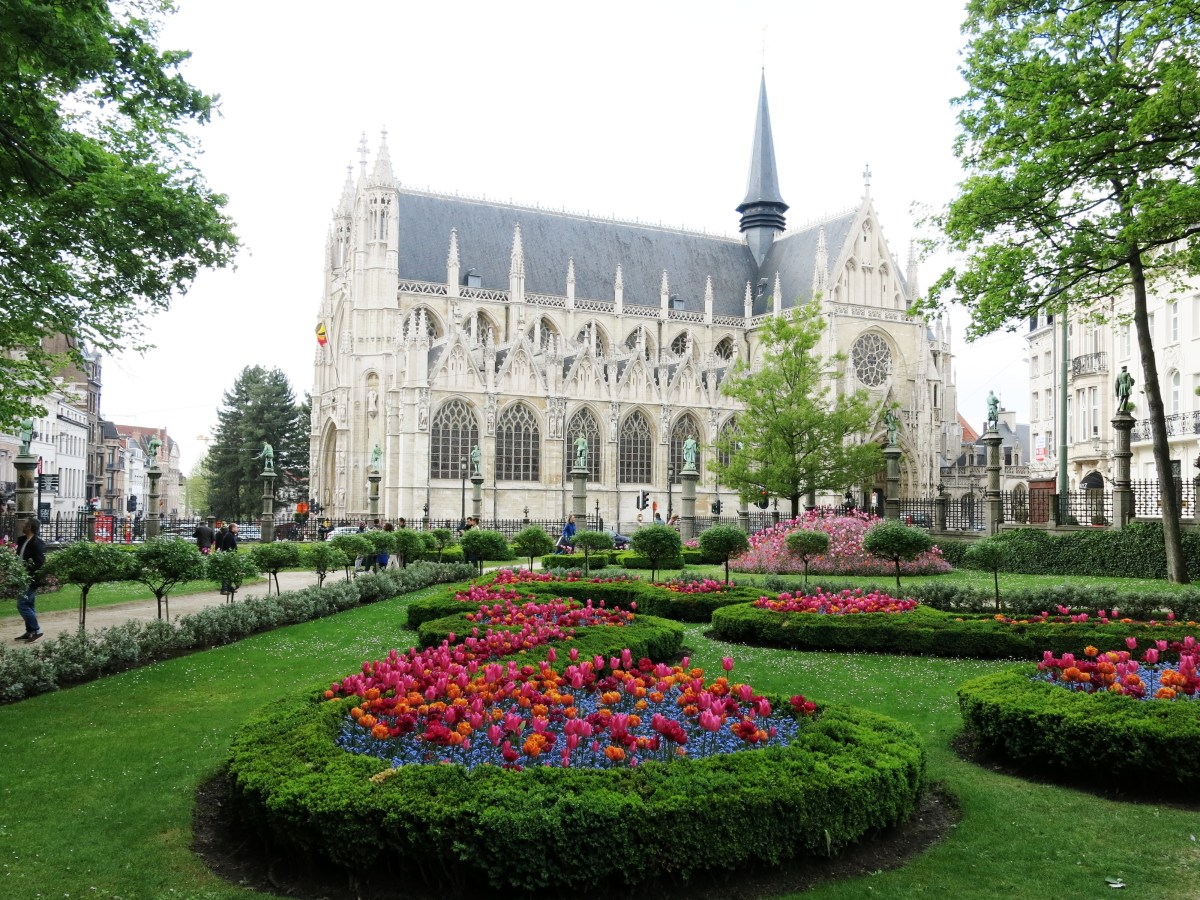
From there, I was off to enjoy Giles’ city: the tulips, the lovely architecture and the attire du jour of the Manneken Pis.

Waffle store

Waffle

Belgian chocolates

Belgian chocolate

beer

Corica coffee shop

Kopi luwak coffee

Manneken Pis

The Grand Place

The Grand Place

garden

[SPONSORED] A Long-Overdue Miami Weekend

Though I’m a Florida native, I haven’t spent much time in Miami, so I was thrilled when I got a chance to go this summer on assignment for a local magazine.

I started the weekend in Little Havana, Miami’s famed Cuban neighborhood, in search of the obvious: a Cuban sandwich and a fine cigar. On Little Havana’s main drag, Calle Ocho, I stumbled upon Versailles Cuban Cuisine, and judging by the crowd and a sign proclaiming it “The World’s Most Famous Cuban Restaurant,” I knew I was in the right place.

Inside the laid-back diner that was just a bit dirty, I ordered the Galician White Bean Soup made with ham, collard greens, turnip and potatoes; the famous Cuban Sandwich; and the essential Café Con Leche. I was not disappointed. The food was simple and delicious, a quick and solid no-fuss meal I would definitely have again.

Versailles Cuban Cuisine


After lunch, I headed to the Cuba Tobacco Cigar Co., the oldest cigar factory in Little Havana, to speak with the owners. I wanted to get a sense of this family-owned business so I went straight to the source. After saying hello to Don Pedro Bello who was smoking a cigar next to a wooden American Indian outside the store, I met with his son, Peter Jr., the fourth of five generations in the family business.

He offered me an espresso, gave me a tour of the store, and answered my many questions like why some of the cigars were green. (The answer: it’s a candela cigar which is cured quickly with high heat, preserving the green color of the tobacco leaf.)

Then he told me all about the Bello family history, how they left Cuba for Miami in 1959, and how they fought to keep their family tradition alive. Before I left, Peter Jr. recommended a cigar for me, a mild Bello cigar that was light and smooth, and he introduced me to the v-cut which he says gives better airflow and a more even burn.

Cuba Tobacco Cigar Co.


With my v-cut Bello in hand, I left the cigar store and began walking down Calle Ocho hoping to soak in more of this vibrant neighborhood. But it was mid-July and the heat was just unbearable, so I made it a short tour.

Little Havana


From there, I headed to Miami’s oldest bar to grab a drink and cool down. Established in 1912, Tobacco Road is a hole-in-the-wall with a rich history (it served as a speakeasy during Prohibition!). But sadly, this Miami relic will soon become history itself; the property has been purchased by developers and the bar will be demolished to make way for new construction.

I went in for a beer and about eight glasses of water to battle the heat. Though it was Saturday afternoon and pretty dead, I could tell it was my kind of place: laid-back and unpretentious. I’m glad I got to see it before it’s gone.

Tobacco Road


After a day of seeking the old and historic, it was time to switch gears. I headed to the South of Fifth neighborhood in South Beach for the chic, shiny and new: The Lord Balfour Hotel and Red, the Steakhouse.

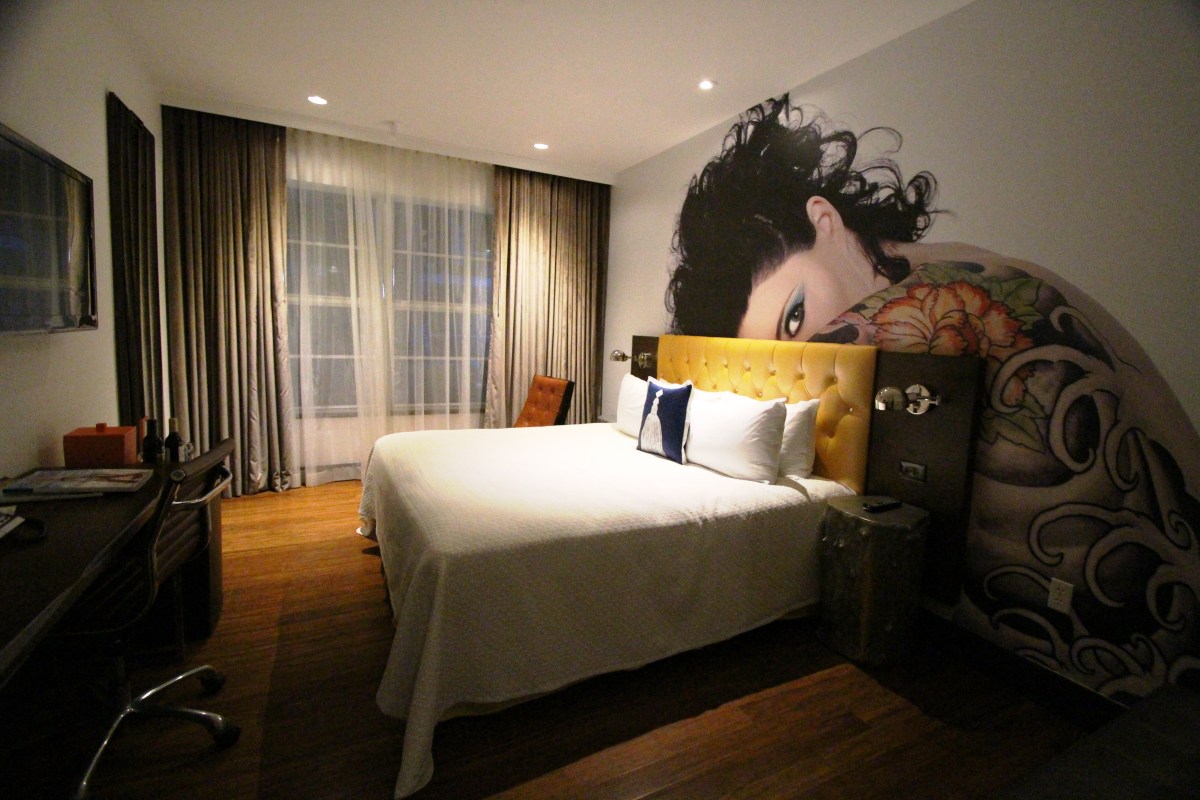
As soon as I entered the Lord Balfour, I knew what all the fuss was about. It is truly the most interesting hotel I’ve visited. It’s artsy, quirky and unique, part hotel and part art museum. Quotes from British Prime Minister Lord Balfour adorn a wave along the ceiling, and behind the hotel bar there are dozens of hands holding mirrors that protrude from the wall. Most famously, each room features portraits of tattooed women on the wall.

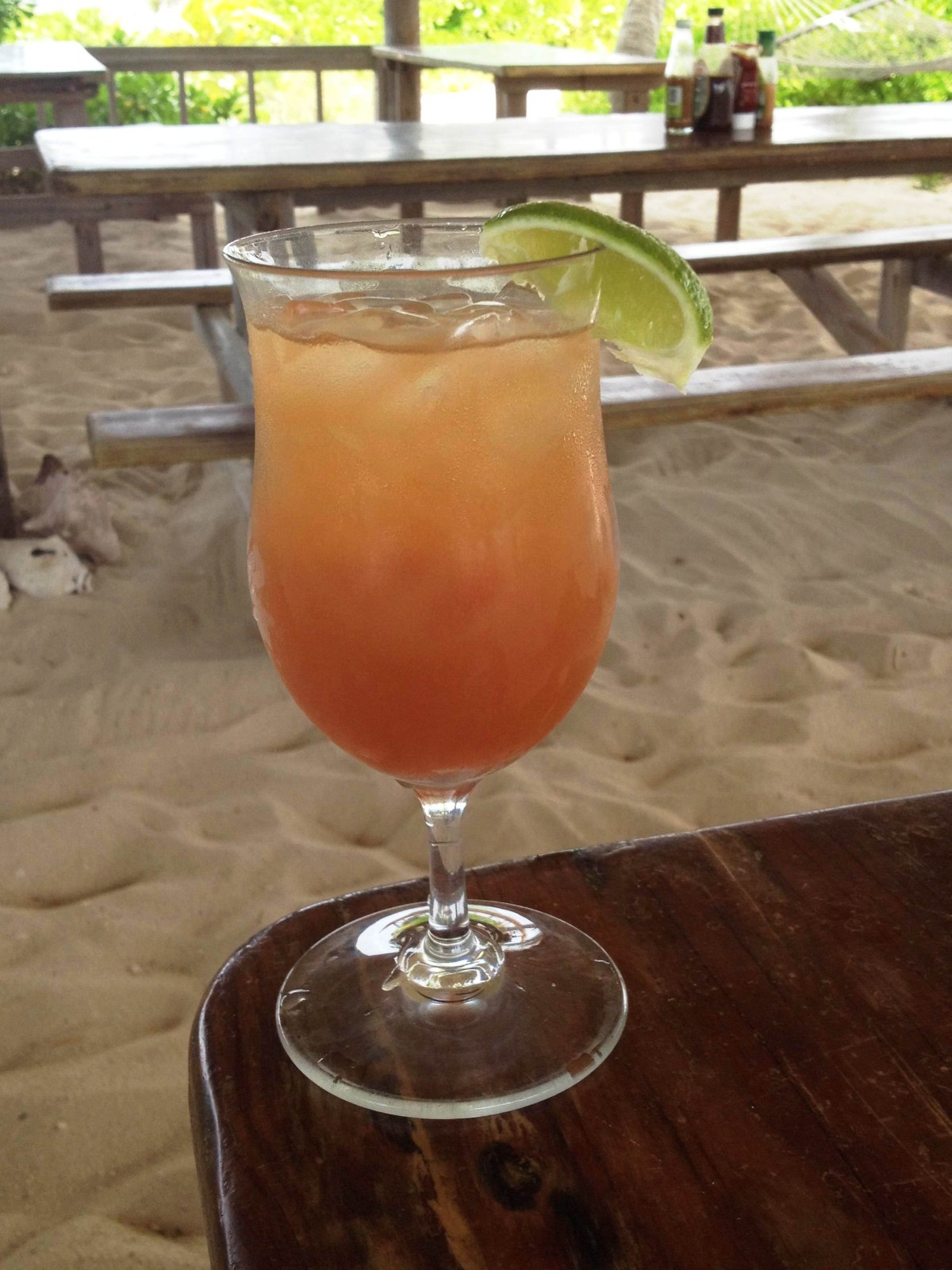
After settling into my room, which was a bit small but compensated by a clean, modern design that effectively uses each inch of space, I grabbed a “Tea Time” cocktail at the bar and headed out for the evening.

Lord Balfour Hotel


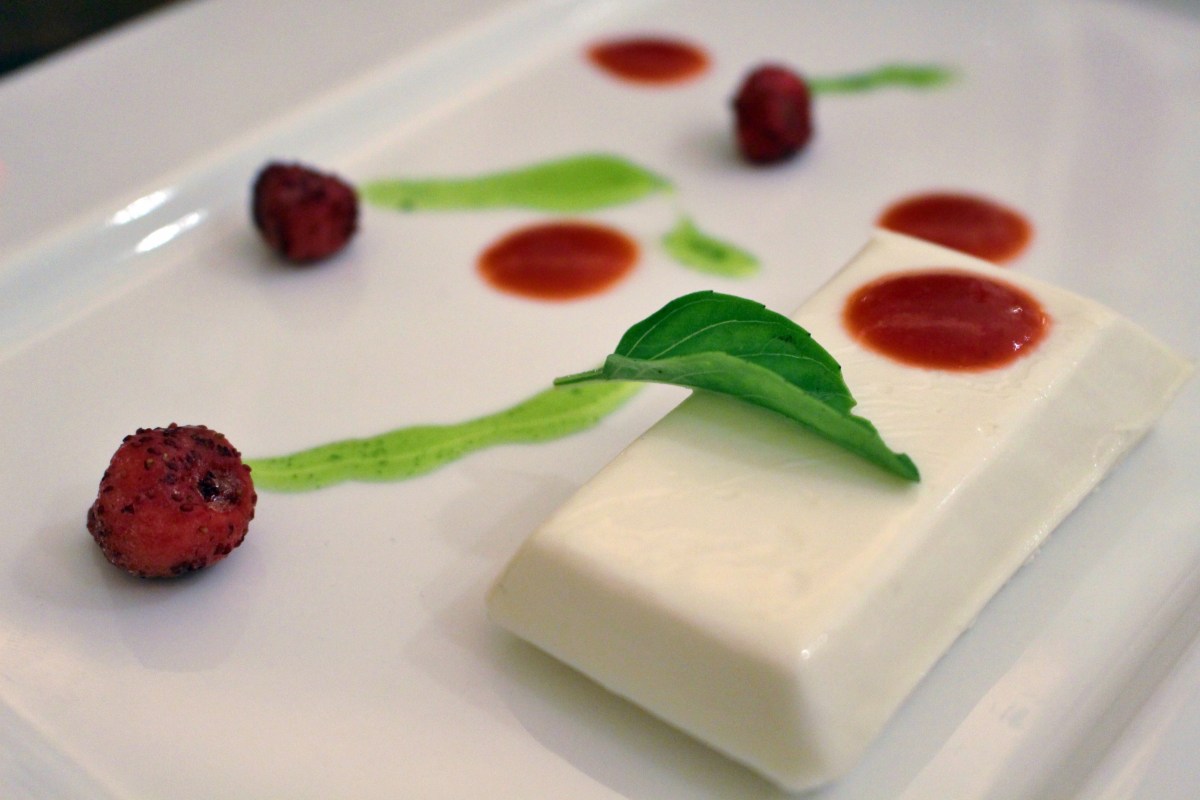
I was thrilled to enjoy a chef tasting at Red, the Steakhouse by Executive Chef Peter Vauthy who stopped by my table before each course. How many courses? I lost count. He basically threw the menu at me! We started with the tuna tartare, sashimi tuna, and homemade sausage in tomato sauce, all of which I highly recommend, and then moved on to the enormous “main course”: Aged Certified Angus Beef® cooked medium-rare, green beans with pine nuts, Alaskan king crab, corn casserole, fried potatoes with cheese and a fried egg, and my absolute (off-the-menu) favorite of the night: flash-fried burrata with wild berry balsamic and Iberico ham (I’m still drooling over this one).

And, believe it or not, I stuck around for dessert: New-York style cheesecake (the recipe to which the chef received as a young boy) and homemade doughnut holes with three dipping sauces. I have never eaten so much food in my life! Of course, much of it was brought home in doggy bags.

Red also has fantastic cocktails (try the South of Fifth made with Ciroc coconut) and a lovely ambiance with white table cloths and candlelight. However, the lighting did not bode well for my pictures which turned out kinda dark … which is a good excuse to go back and try again the next time I’m in Miami.

Red, the Steakhouse


7 Things You Must See in Istanbul

1. Topkapi Palace
The primary residence of the Ottoman sultans from 1465–1856, this palace complex is a major attraction for its holy relics—including Muhammad’s cloak, sword and footprint—the palace treasury, and the Imperial Harem which housed the sultan’s family and concubines.

Tip: Allot a half day to explore all of the buildings and courtyards of this gorgeous, expansive complex.

2. Hagia Sophia
Once a Greek Orthodox church, then a mosque, and now a museum, the Hagia Sophia features a domed roof, lovely chandeliers, and a mix of Christian and Islamic symbols: large round medallions display the names of Allah, Muhammad and others in Arabic script while gold mosaics feature Mary and Jesus. At the Sultan’s Tombs, you’ll see replicas of 16-century tiles, purportedly stolen and now on display at the Louvre.

Tip: The line can get really long. If offered to join a tour while standing in line, do it. It’s worth the price. You’ll skip the line, get out of the heat and learn a lot about the vast history of this important building.

3. Istiklal Street
This long, crowded pedestrian-only street is full of shops and cafes with bars and restaurants found off side streets. Colorful strings of lights light up the night and street vendors sell roasted chestnuts. At one end of the street is the famous Taksim Square and Monument of the Republic, a common although illegal place for public protests.

Tip: Try the stuffed grape leaves at the Beyoglu Hulk Doner Restaurant.

4. Grand Bazaar
Covered and crowded with thousands of shops, the Grand Bazaar is great for souvenir shopping and practicing your haggling skills.

Tip: Visit Nick’s Calligraphy for a truly special souvenir. His dried leaves with hand-painted calligraphy are often given as gifts to heads of state. You’ll find pictures of his most famous clients—including Hillary Clinton—hanging in his shop. Choose from Christian, Jewish or Islamic inscriptions. Visit www.nickscalligraphy.com for more information.


5. Blue Mosque
It’s hard to ignore this spaceship-looking mosque with six minarets that’s right in front of the Hagia Sophia. Inside, the mosque is intricately detailed with stained glass and traditional blue and white Iznik tiles.

Tip: You can enter the mosque for free, except during prayer. The line is long but fast-moving and scarves will be distributed at the entrance so ladies can cover their neck and hair, or arms and legs if not dressed conservatively. Donations are requested at the exit.

6. Bosphorus Strait
Take a 2-hour boat ride up the Bosphorus, one of the world’s busiest waterways. You’ll ride by palaces, mosques and forts and see Istanbul from a new perspective.

Tip: There are multiple tour companies and options. Don’t feel pressured to “buy now” from the salesman in touristy areas.

7. Asian Side
Take a short ferry across the Bosphorus and land in a new continent: Istanbul exists in both Europe and Asia! On the Asian side, explore the spice market.

Tip: Tour the Maiden’s Tower (also known as Leander’s Tower) in the middle of the Bosphorus. Its construction is shrouded in mystery and attached to several interesting legends.

[SPONSORED] Caribbean Escape: CuisinArt Golf Resort and Spa in Anguilla

Note: My travel and stay were compensated by the resort in exchange for editorial space in a print publication. This post and all posts on this site represent my own experiences and honest opinions.  

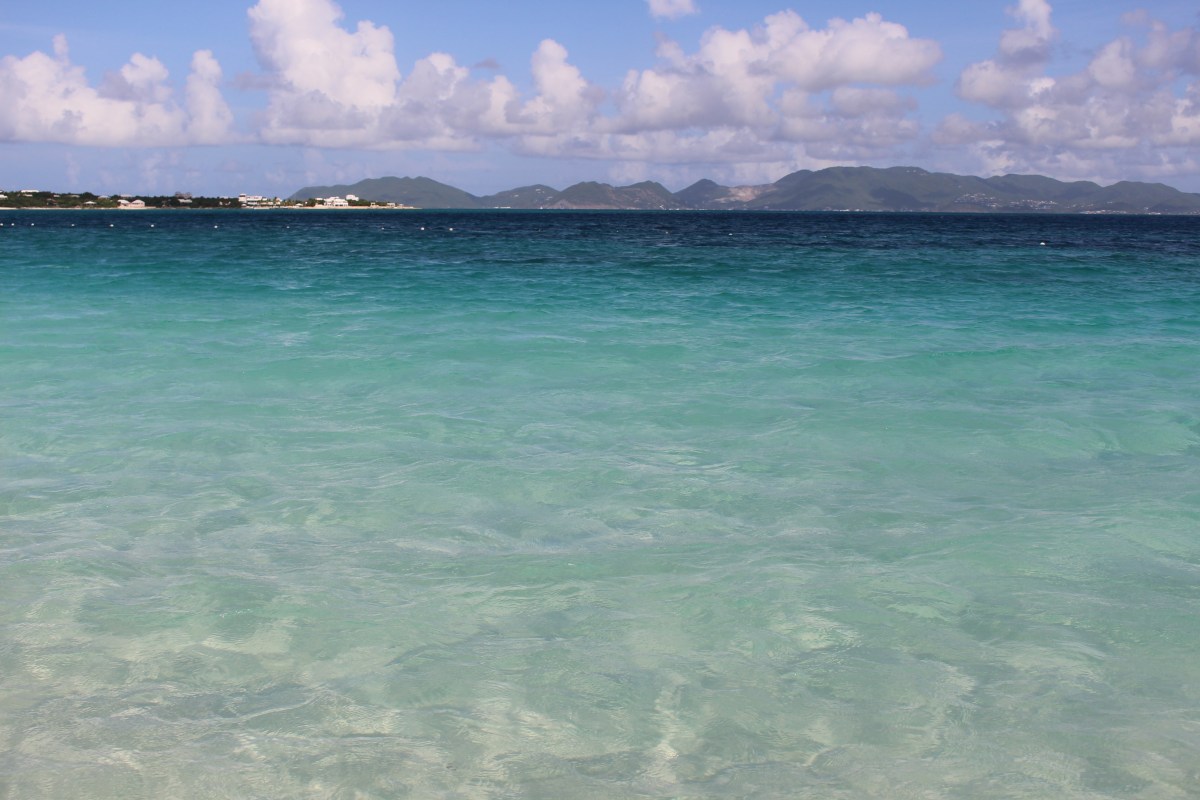
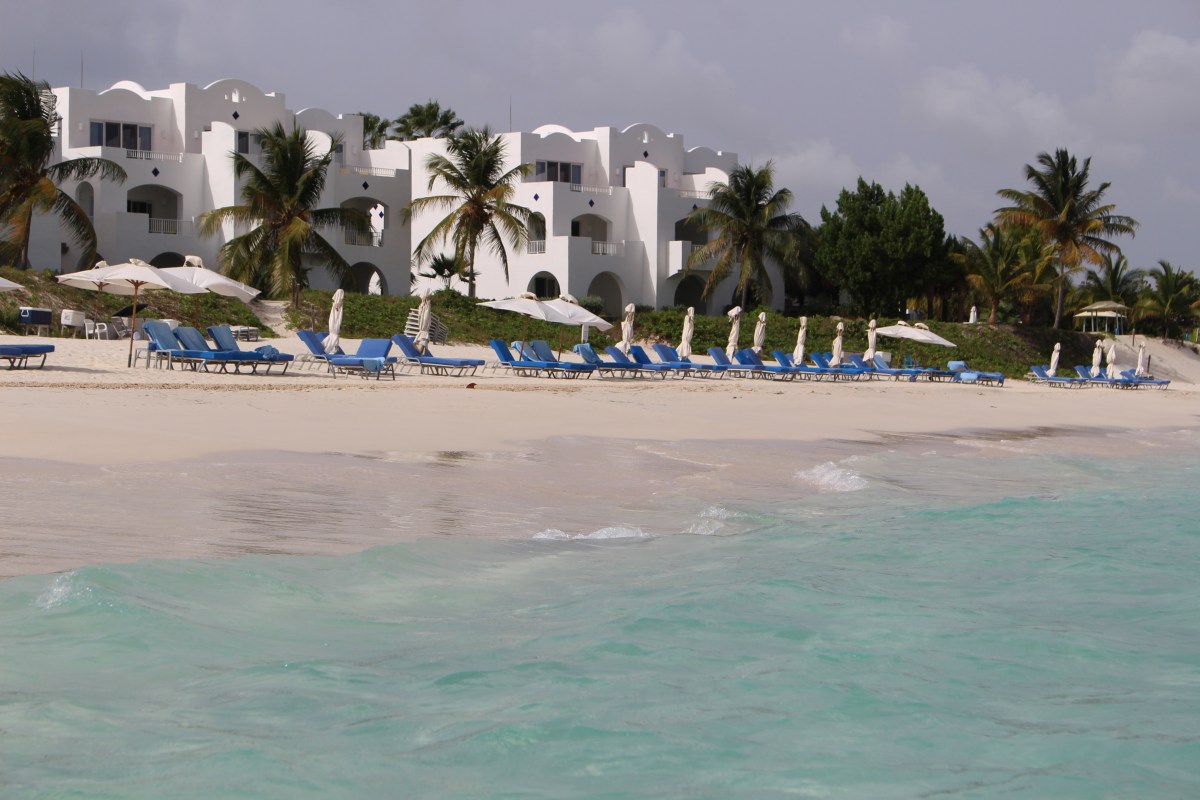
A 3-hour flight from Miami to St. Maarten, then a 20-minute ferry ride, and you’re in Anguilla—an unspoiled eel-shaped island with all the beauty of the Caribbean and none of the cruise tourists. No one selling coconuts or henna tattoos here. Instead, you’ll be greeted by friendly Anguillans and a laid-back vibe to match.

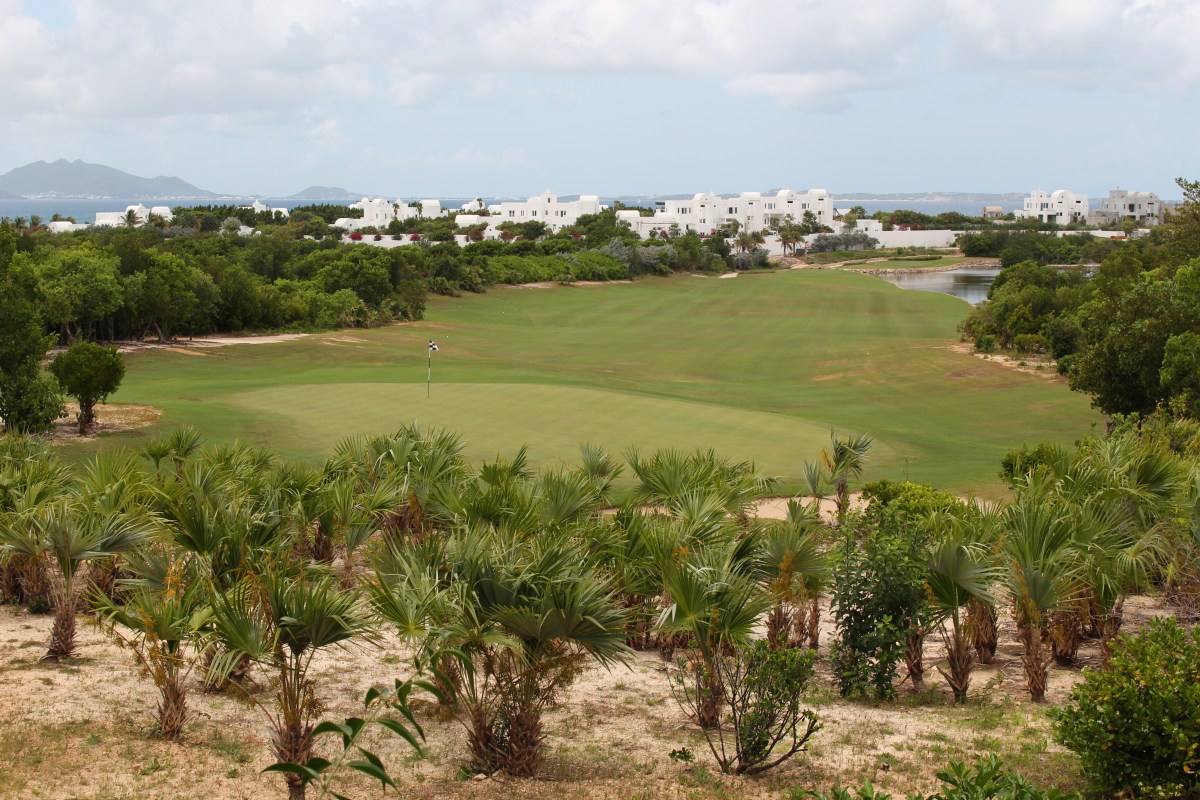
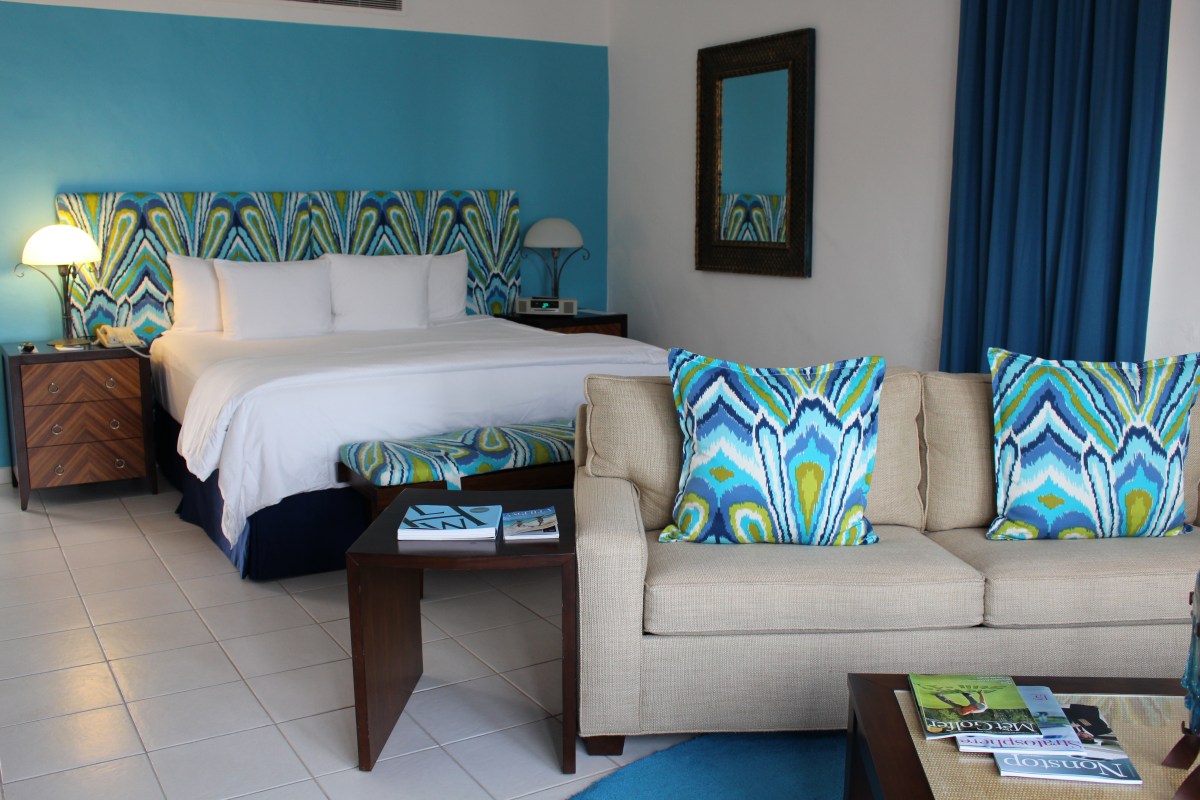
During my visit in June, I stayed for 3 nights at the CuisinArt at Rendezvous Bay and it was everything I could hope for: palm trees, crystal clear water and powdery white sand. I had an amazing view from my room (equipped with a long balcony, an espresso machine, and an oversized bathroom and tub) and the food was truly some of the best I’ve ever had. What I liked most, though, was how relaxing Anguilla was. This is one of the only places I’ve ever felt “away from it all.” For 3 days, I sunbathed and swam, ate seafood and drank wine, and forgot about everything on my to-do list back home.

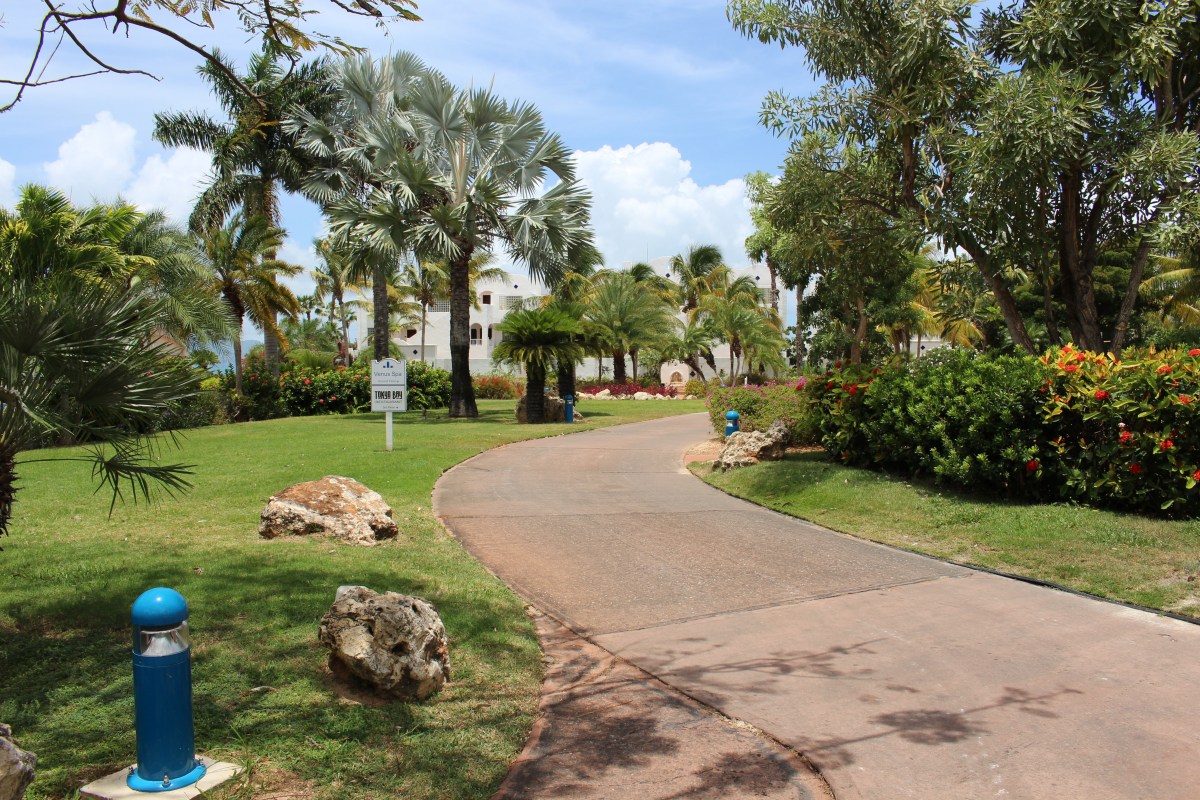
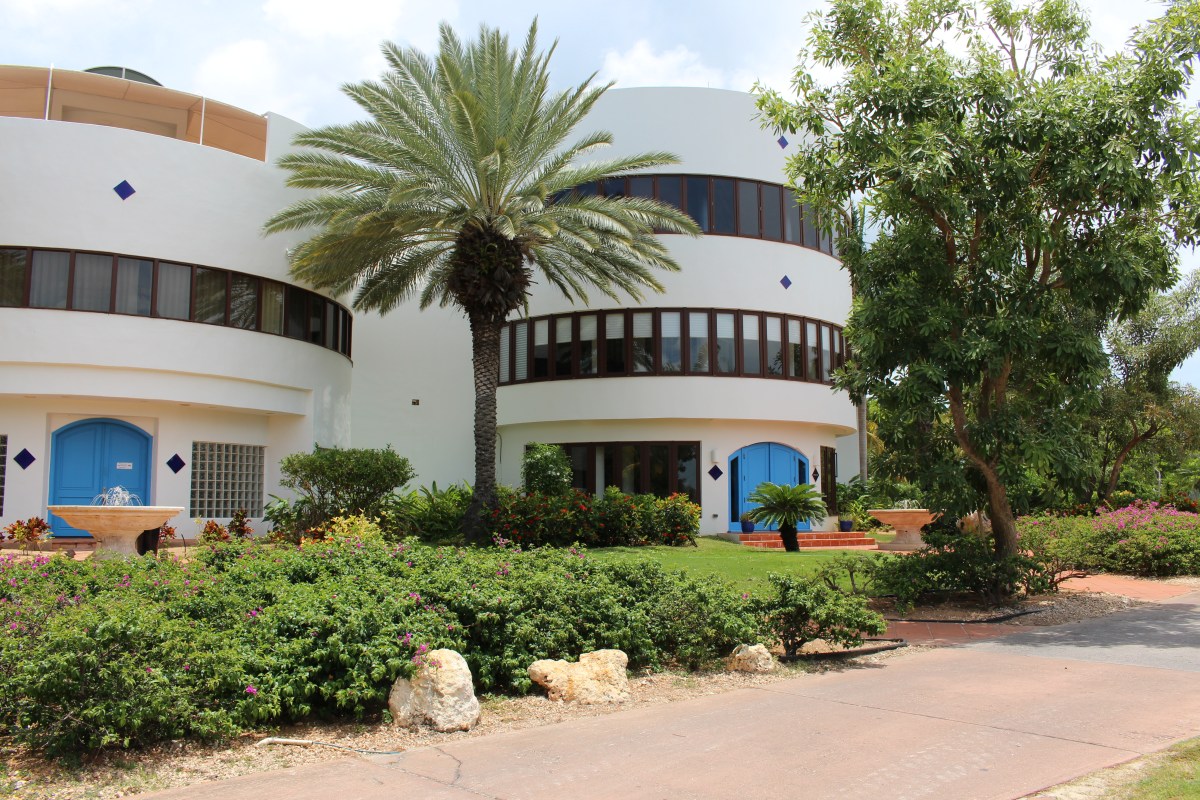
Below are photos I took at the resort highlighting their main attractions.

The beach …

CuisinArt Golf Resort & Spa, Anguilla CuisinArt Golf Resort & Spa, Anguilla CuisinArt Golf Resort & Spa, Anguilla CuisinArt Golf Resort & Spa, Anguilla CuisinArt Golf Resort & Spa, Anguilla


The golf course…

CuisinArt Golf Resort & Spa CuisinArt Golf Resort & Spa CuisinArt Golf Resort & Spa


The grounds …

CuisinArt Golf Resort and Spa CuisinArt Golf Resort and Spa CuisinArt Golf Resort and SpaCuisinArt Golf Resort and Spa

The room with a view …
CuisinArt Golf Resort and Spa

CuisinArt Golf Resort and Spa

CuisinArt Golf Resort and Spa

CuisinArt Golf Resort and Spa

The Chef’s Table with Executive Chef Jasper Schneider…
CuisinArt Golf Resort and Spa

CuisinArt Golf Resort and Spa

CuisinArt Golf Resort and Spa

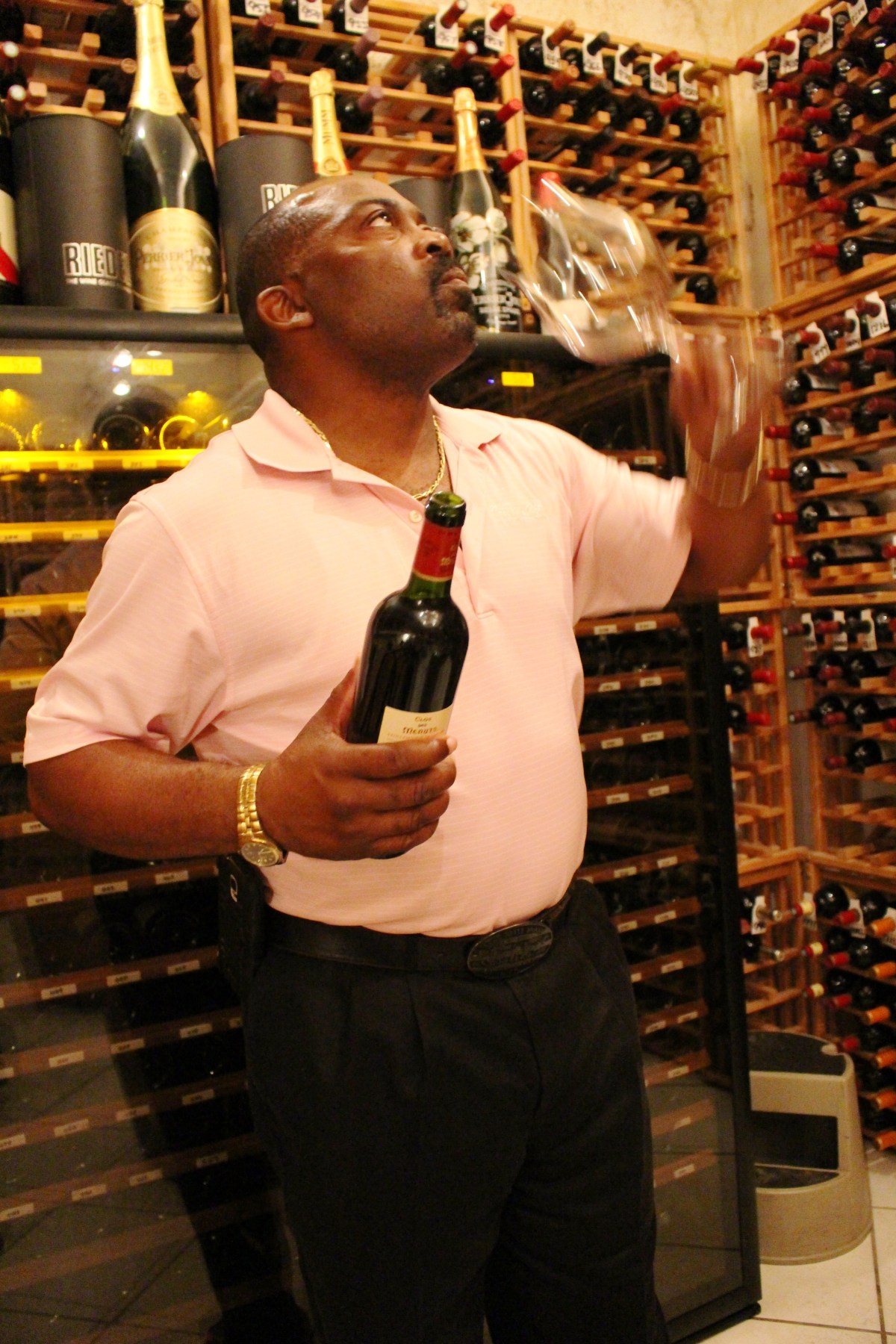
The wine tasting with Head Sommelier Garmon Greenaway …
CuisinArt Golf Resort and Spa

CuisinArt Golf Resort and Spa

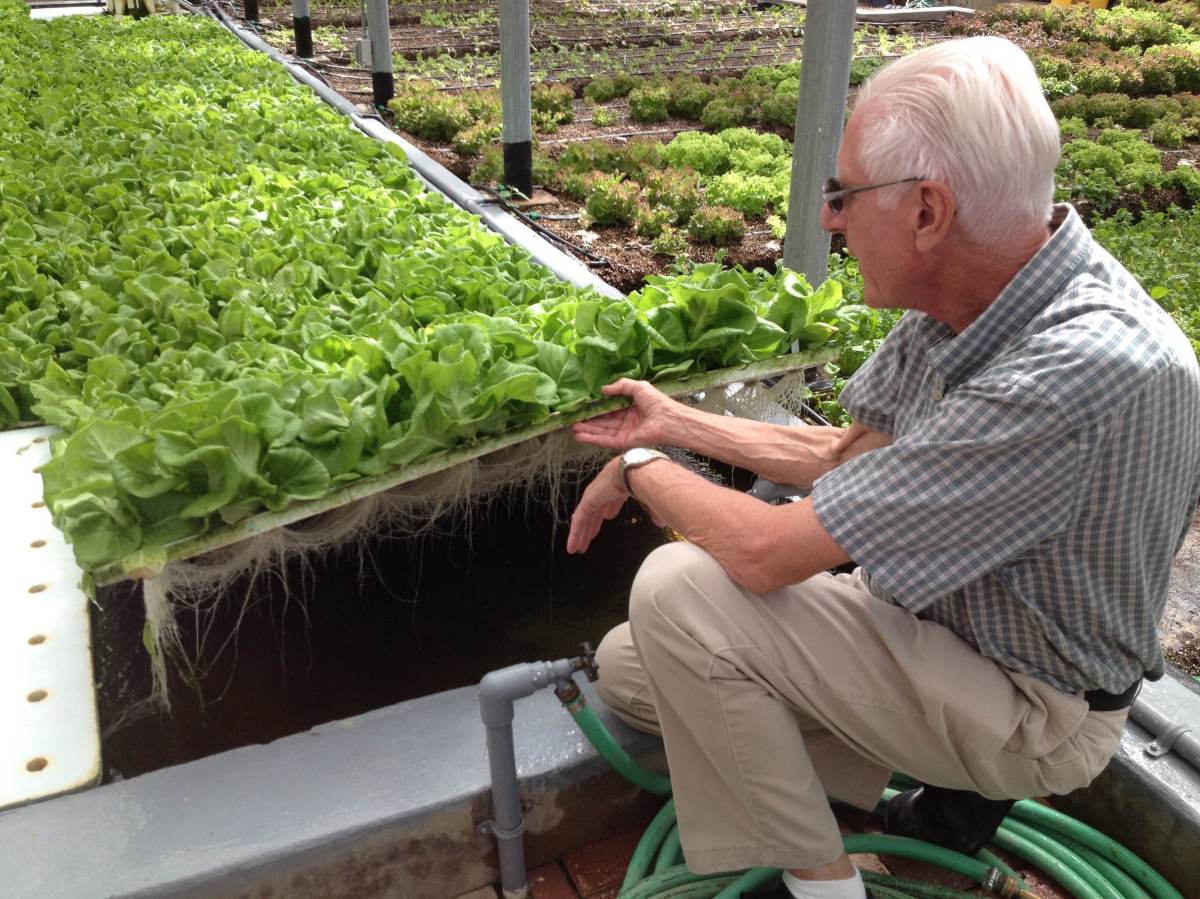
The resort’s own hydroponic farm managed by Dr. Howard Resh …
CuisinArt Golf Resort and Spa

CuisinArt Golf Resort and Spa

CuisinArt Golf Resort and Spa

CuisinArt Golf Resort and Spa

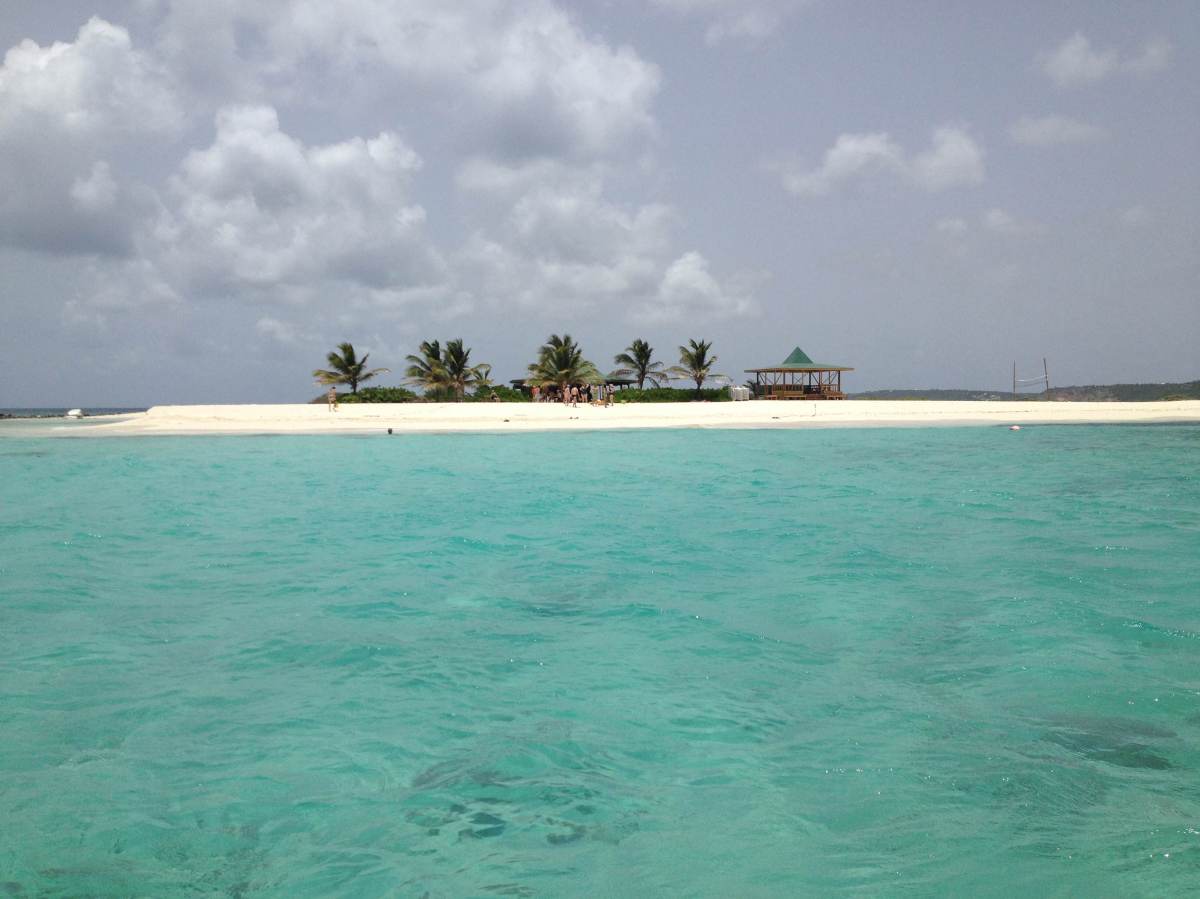
And nearby day trip–worthy Sandy Island.
Sandy Island

Sandy Island

Sandy Island

Sandy Island 5

Sandy Island

Sandy Island

Sandy Island

Sandy Island


For more information, visit www.cuisinartresort.com.

Exploring a Montana Ghost Town: Bannack State Park

After visiting Yellowstone, I headed out to see Montana’s best preserved ghost town, Bannack State Park.

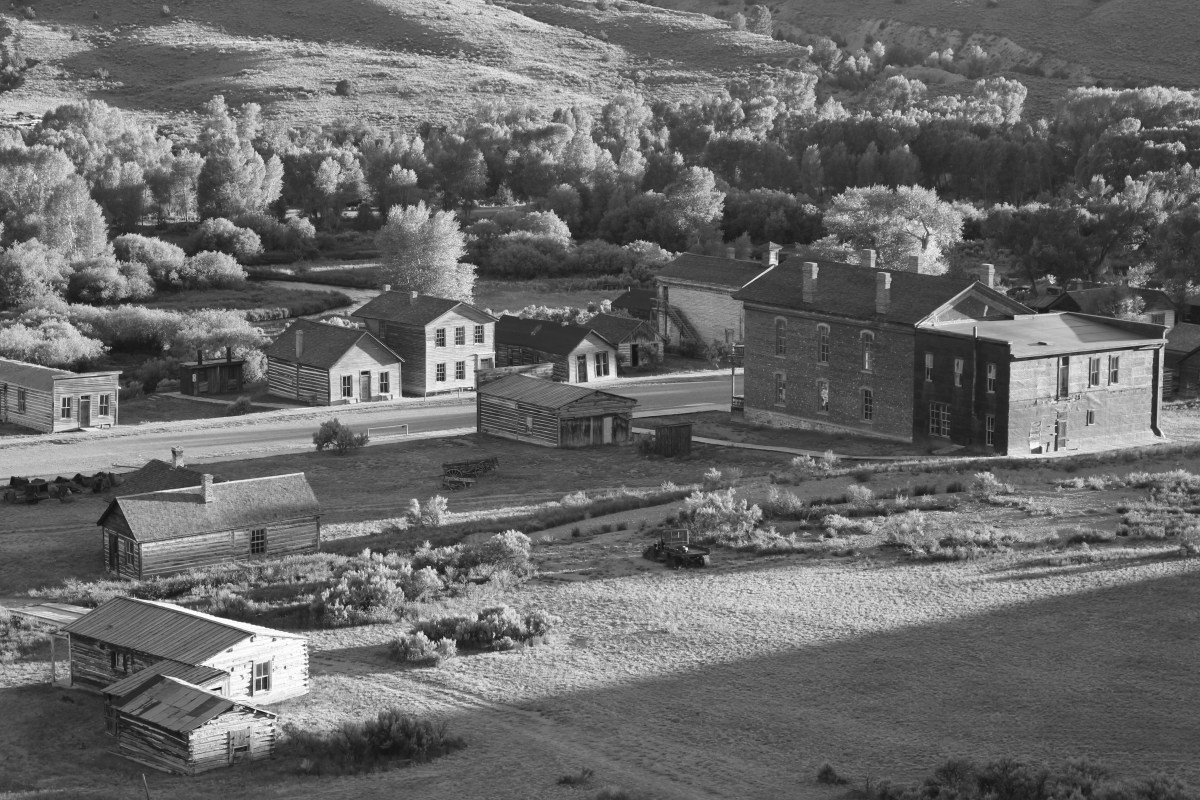
Bannack is the site of the first major gold discovery in Montana (1862) and was the first capital of the Territory of Montana. Once gold was found, Bannack followed the pattern of many boom and bust towns of the West: the population exploded and then dried up, transforming Bannack from a gold town to a ghost town.

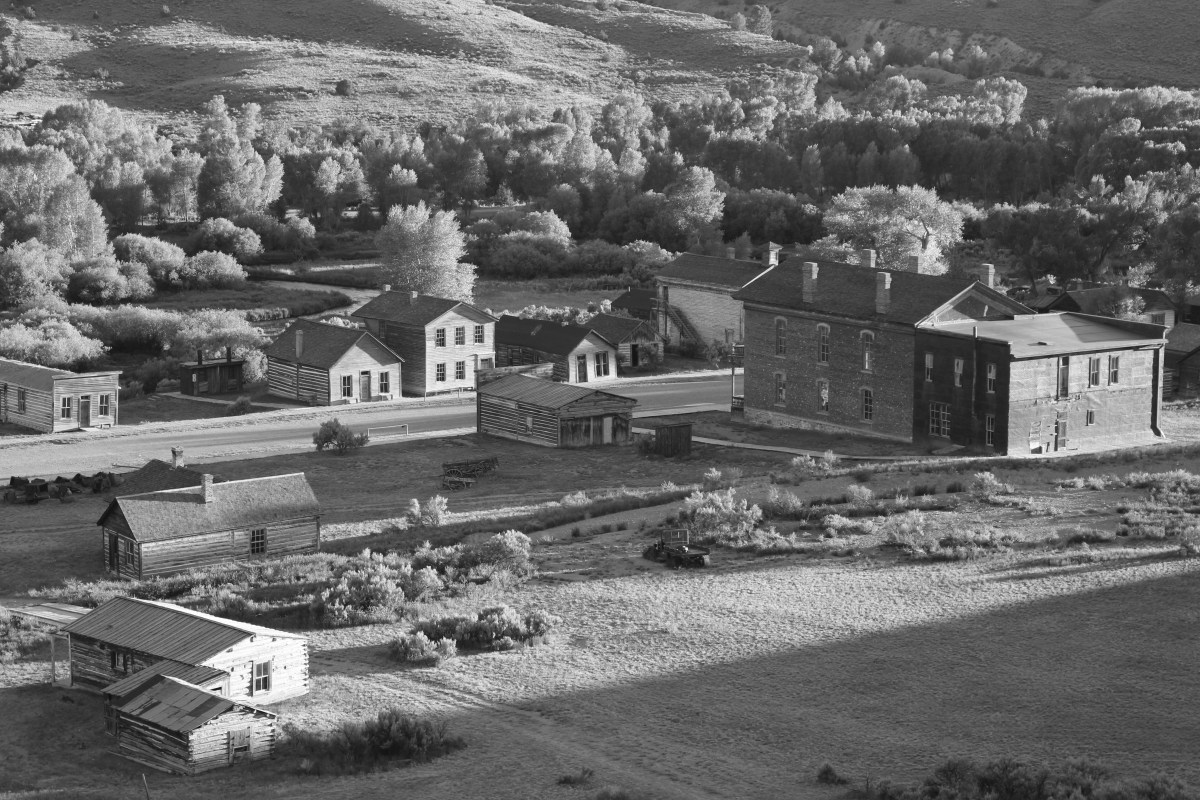
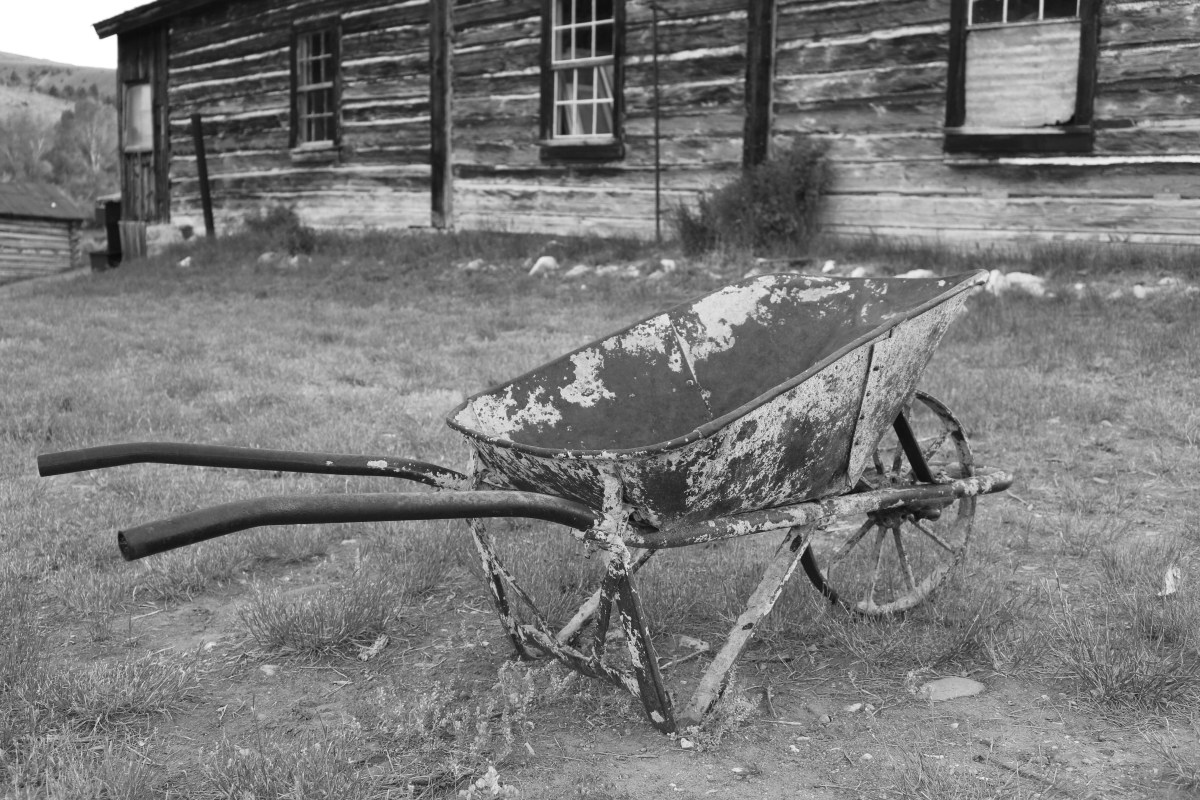
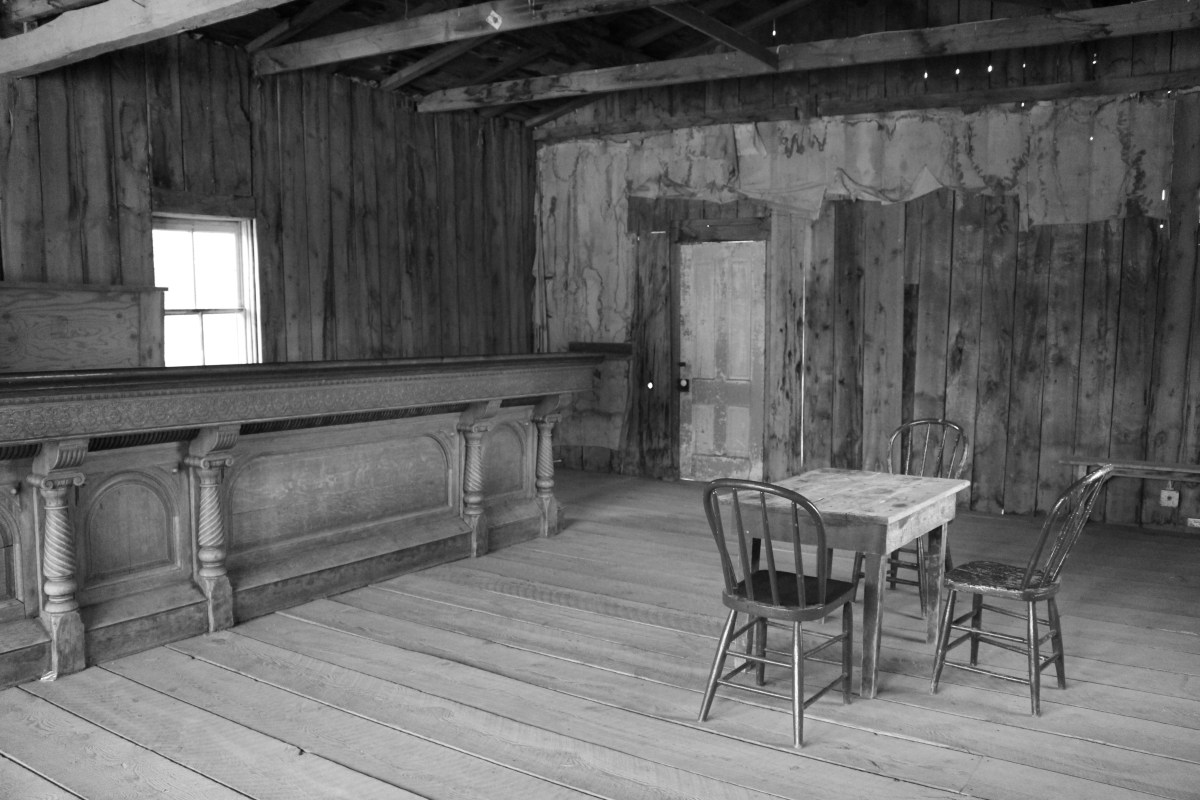
Fortunately, the town was purchased and donated to the state in the 1950s and now runs as a state park. There are no commercial features inside the park and Main Street features more than 60 original structures, most of which you can enter and explore.

At the visitor’s center, purchase the $2 guide that provides info on each of the town’s structures, describes gold mining techniques, and tells stories of the town’s rough and tumble history (including stories about the Road Agents, Vigilantes and “soiled doves” of the time).

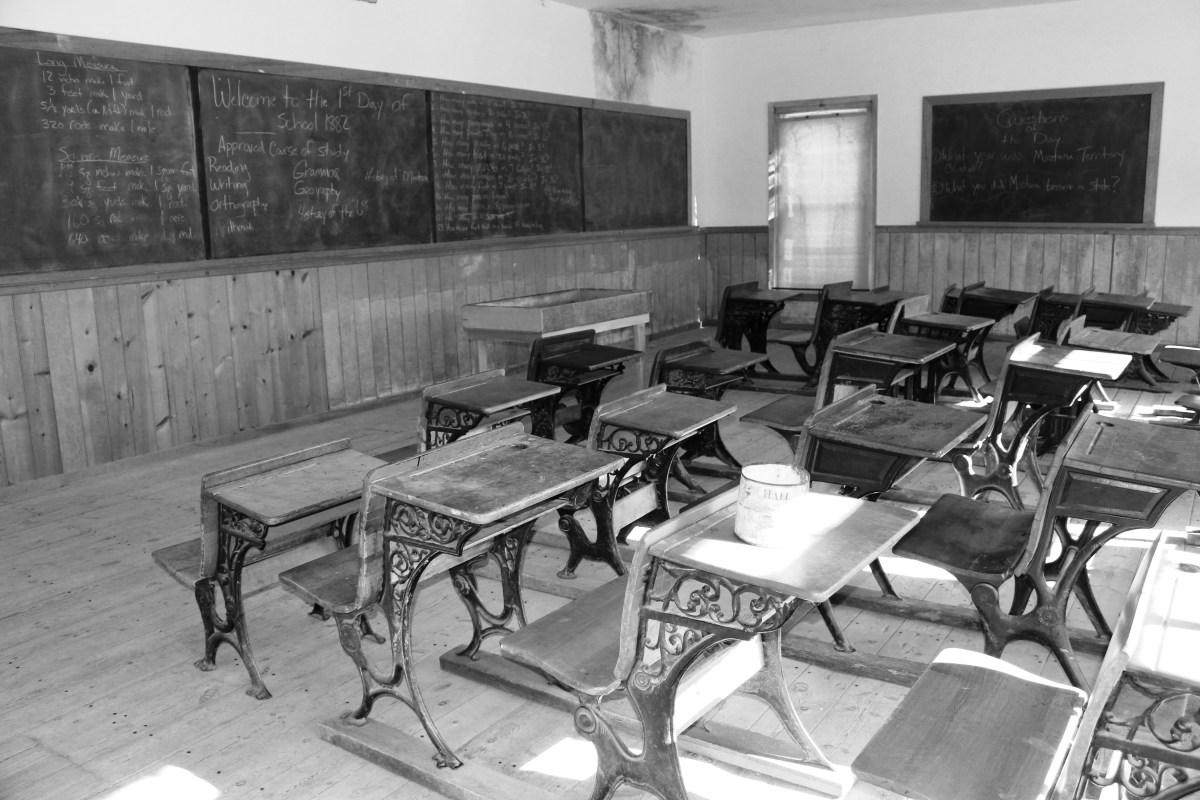
The buildings are mostly empty inside with the exception of the Masonic Lodge/school which has chalkboards and rows of student desks. There’s also an antique merry-go-round out front. (I tried it—it still works!)

When I visited in July, I practically had the park to myself which made the experience a little creepy (in a good way!). I walked up and down Main Street imaging the lives of those who once lived there.

Particularly unnerving was walking up to the gallows on the hill after reading about the men who were hanged there, and entering the Bessette House which was used to quarantine residents with contagious diseases like scarlet fever. Some believe the house is haunted by the children who died there. The house has even come to be known as the “Crying Baby House” due to reports of visitors hearing the sounds of crying babies. I didn’t hear a peep during this visit … but maybe next time.

For more information, visit stateparks.mt.gov/bannack.

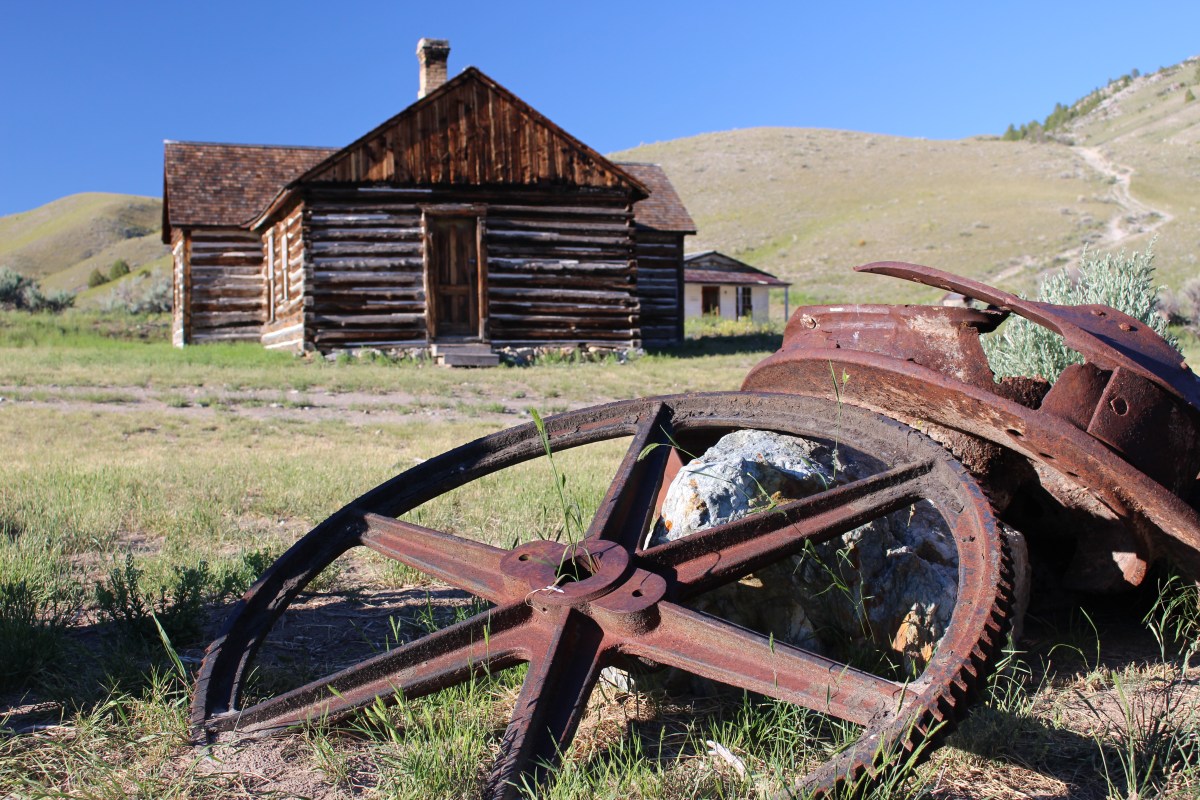
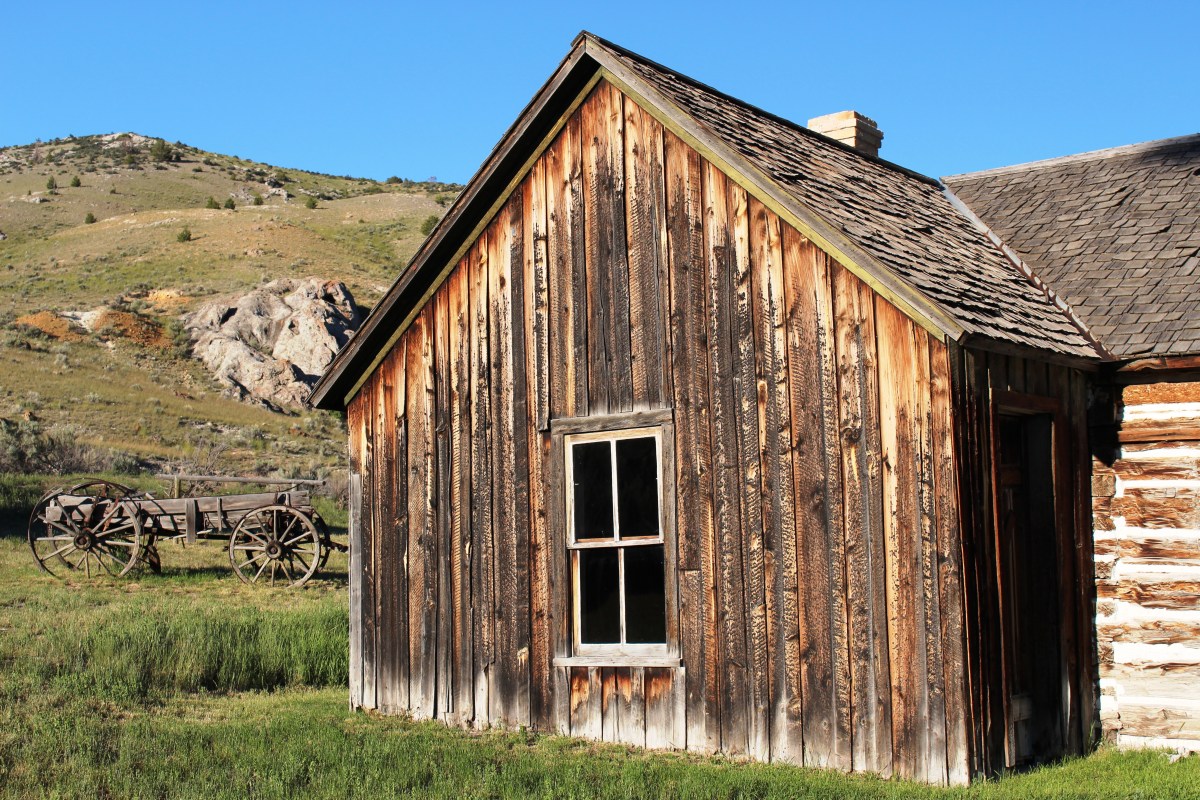
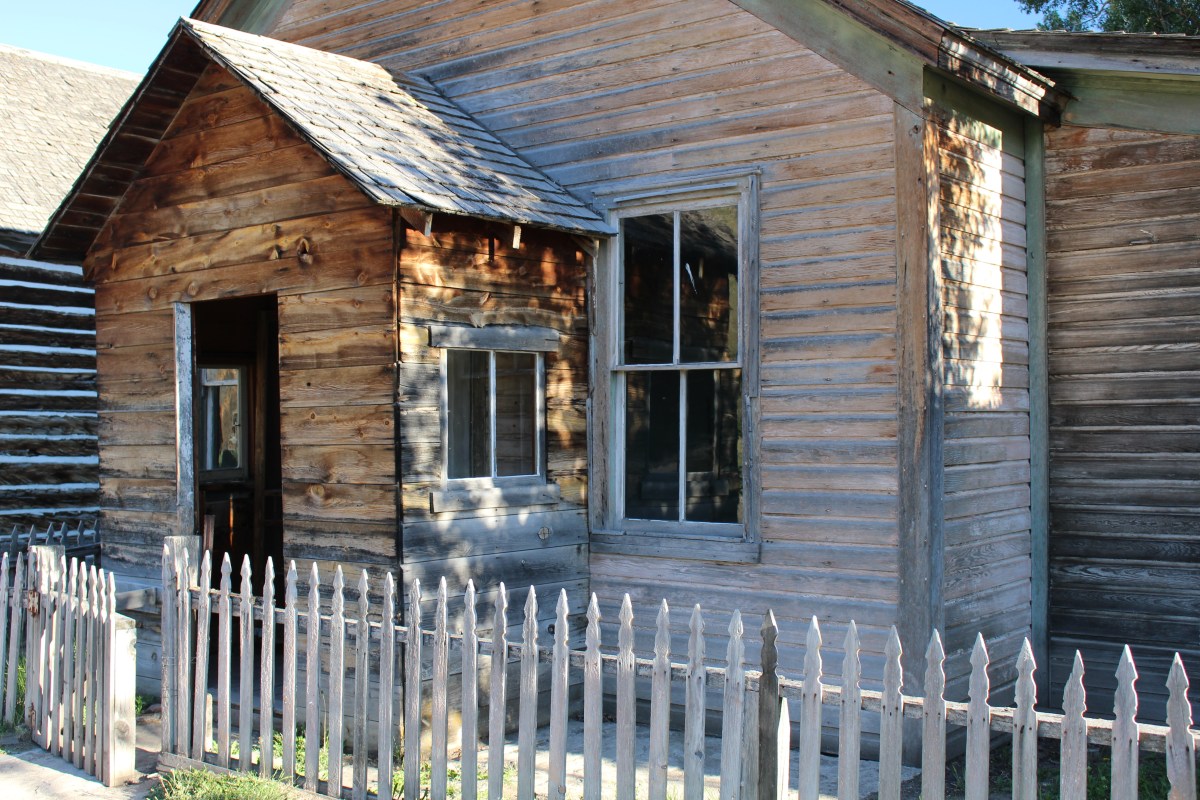
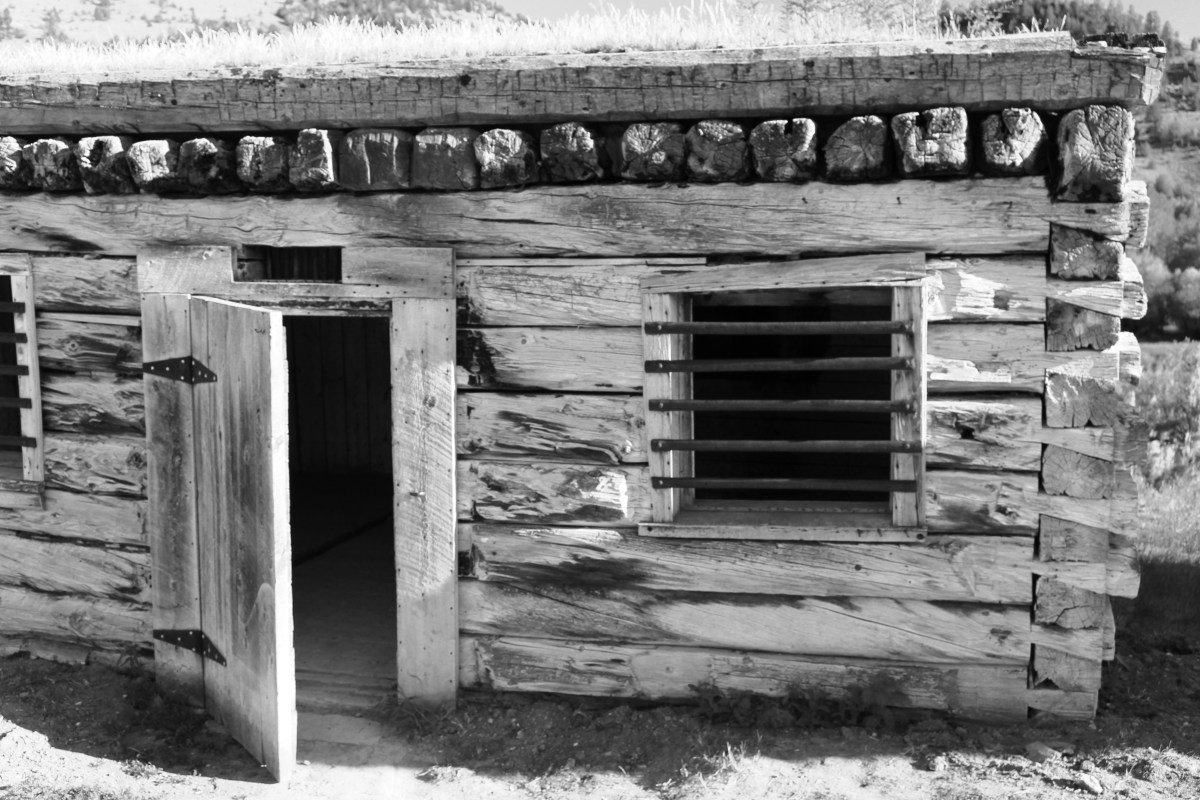
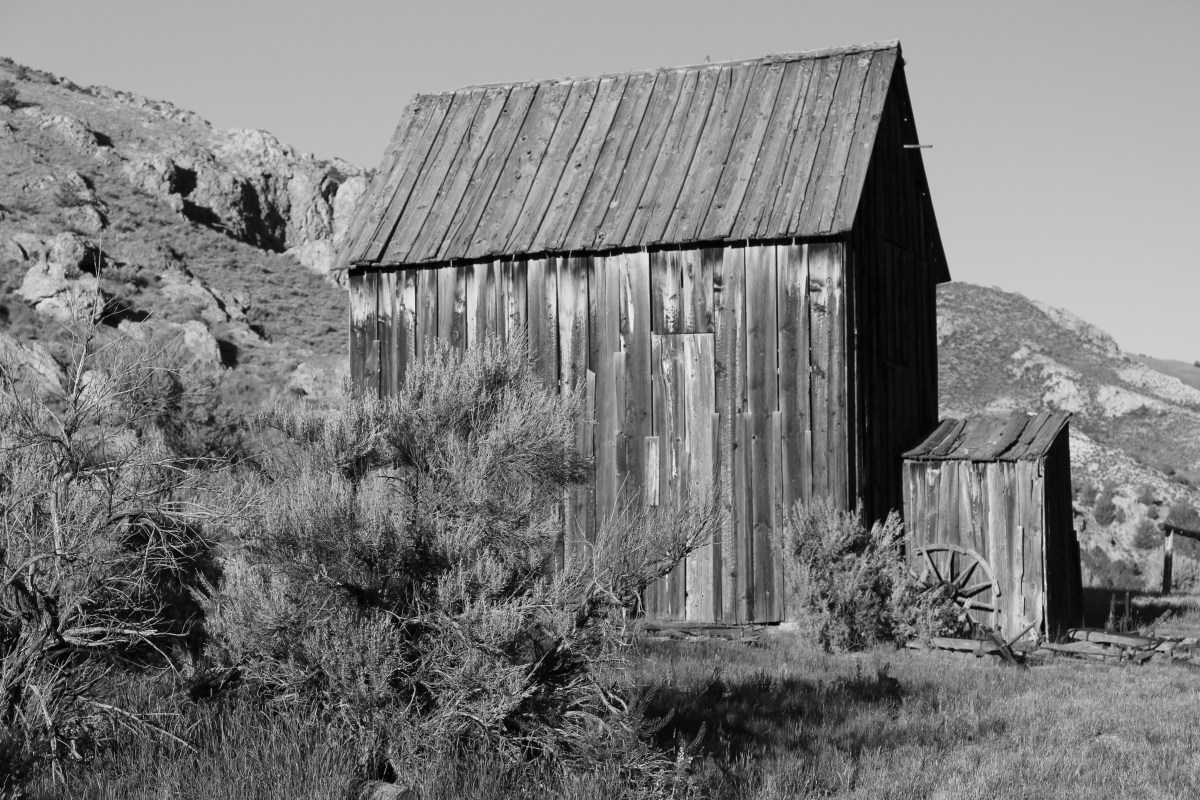
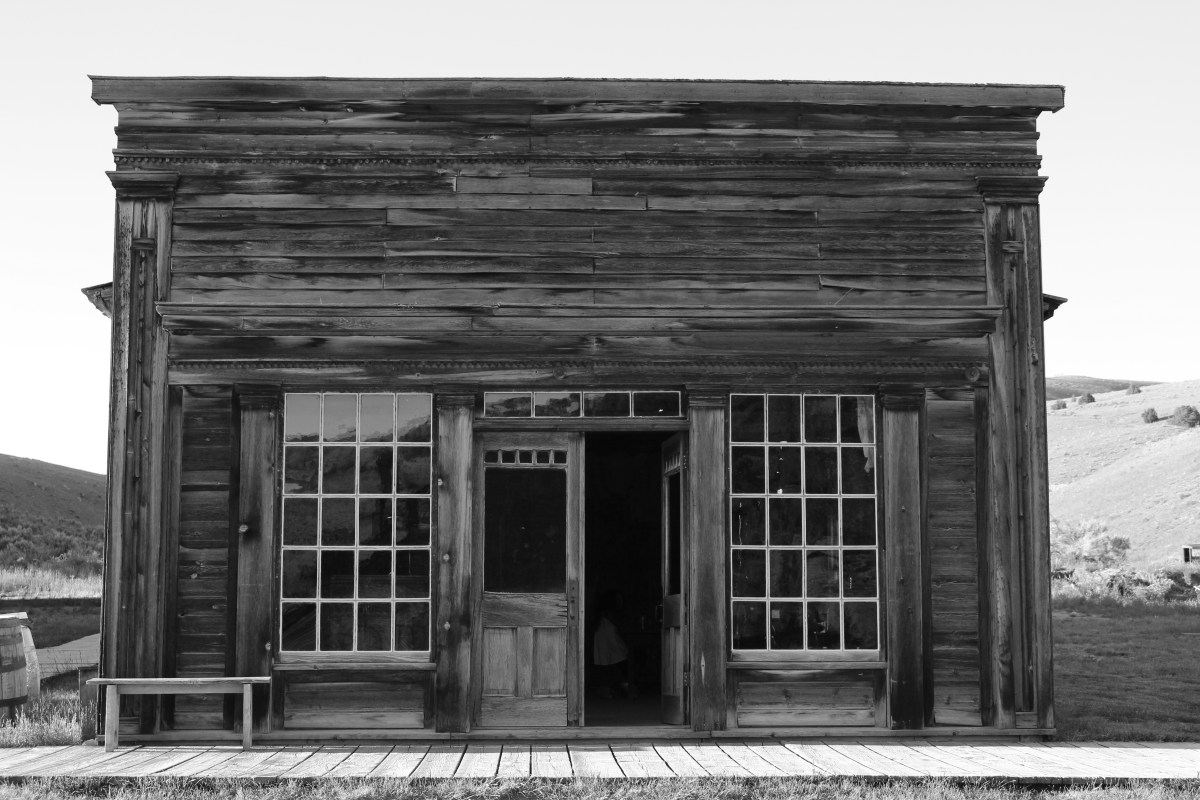
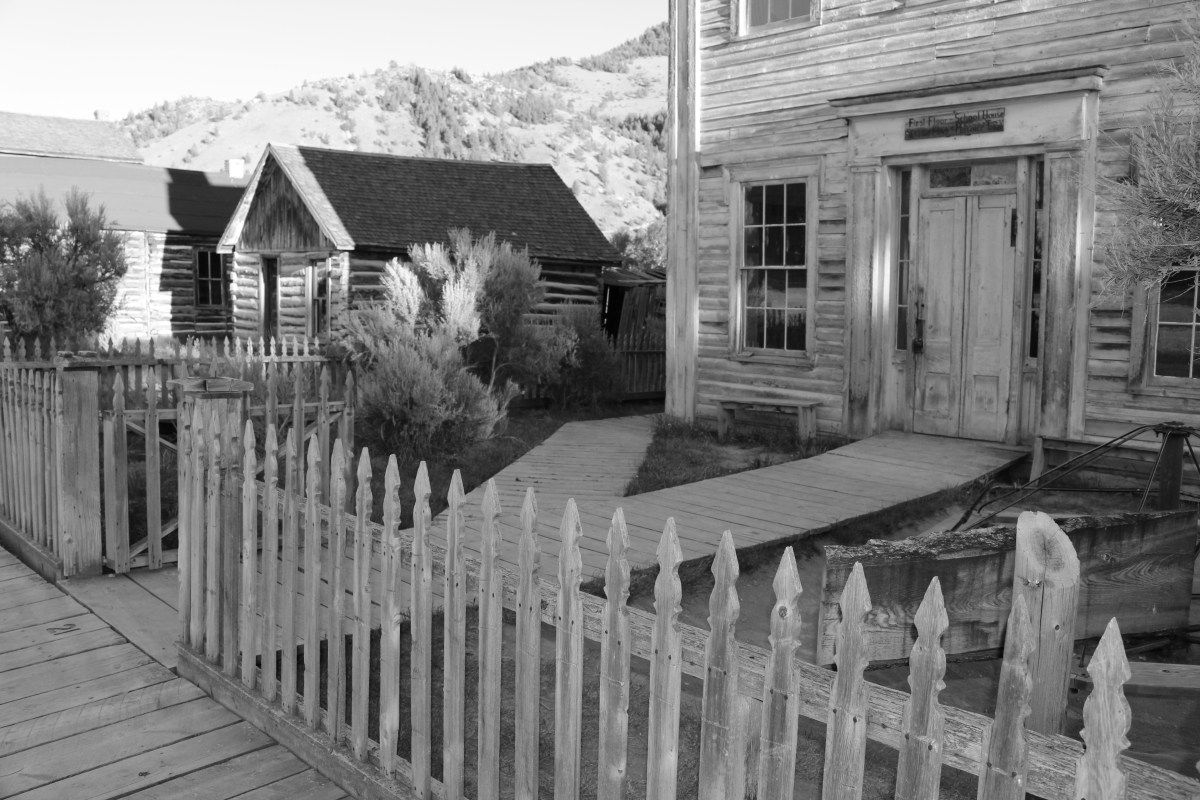
Bannack State Park Bannack State Park Bannack State Park Bannack State Park Bannack State Park Bannack State Park Bannack State Park Bannack State Park Bannack State Park Bannack State Park Bannack State Park Bannack State Park Bannack State Park
Bannack State Park

IMG_4503

Bannack State Park
Bannack State Park
Bannack State Park

Bannack State Park

Bannack State Park

Bannack State Park

Bannack State Park

Bannack State Park

Bannack State Park


Bannack State Park

Bannack State Park

Bannack State Park

Bannack State Park

Bannack State Park

Bannack State Park

Bannack State Park

Bannack State Park

The 8 Coolest Things to See in Yellowstone

When planning a last-minute trip to Yellowstone National Park, I was overwhelmed by all there is to see—there are more than 10,000 hydrothermal features including 300-plus geysers. But with 3 solid days inside the park, I saw all the highlights and then some. And while most Yellowstone guides describe each feature as “one of the best,” I can easily narrow it down to the best 8.

1. Grand Prismatic Spring
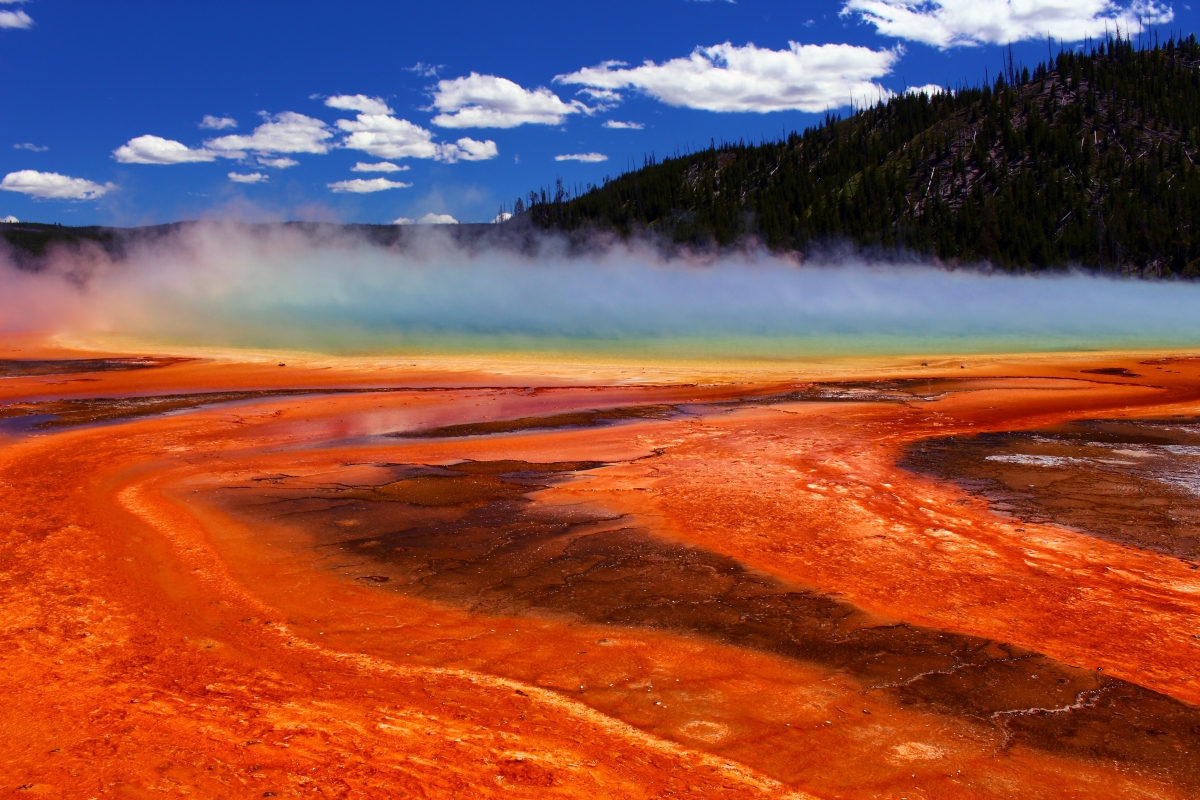
Walk along the boardwalk through the Midway Geyser Basin to get a close view of this iconic warm spring that gets its crazy vibrant colors from heat-loving bacteria. Getting an aerial view of the spring, however, requires a steep climb up an unofficial trail over fallen trees and slippery soil—not an easy trek, but definitely worth it.

Grand Prismatic Spring Grand Prismatic Spring Grand Prismatic Spring


2. Porcelain Geyser Basin (of Norris Geyser Basin)
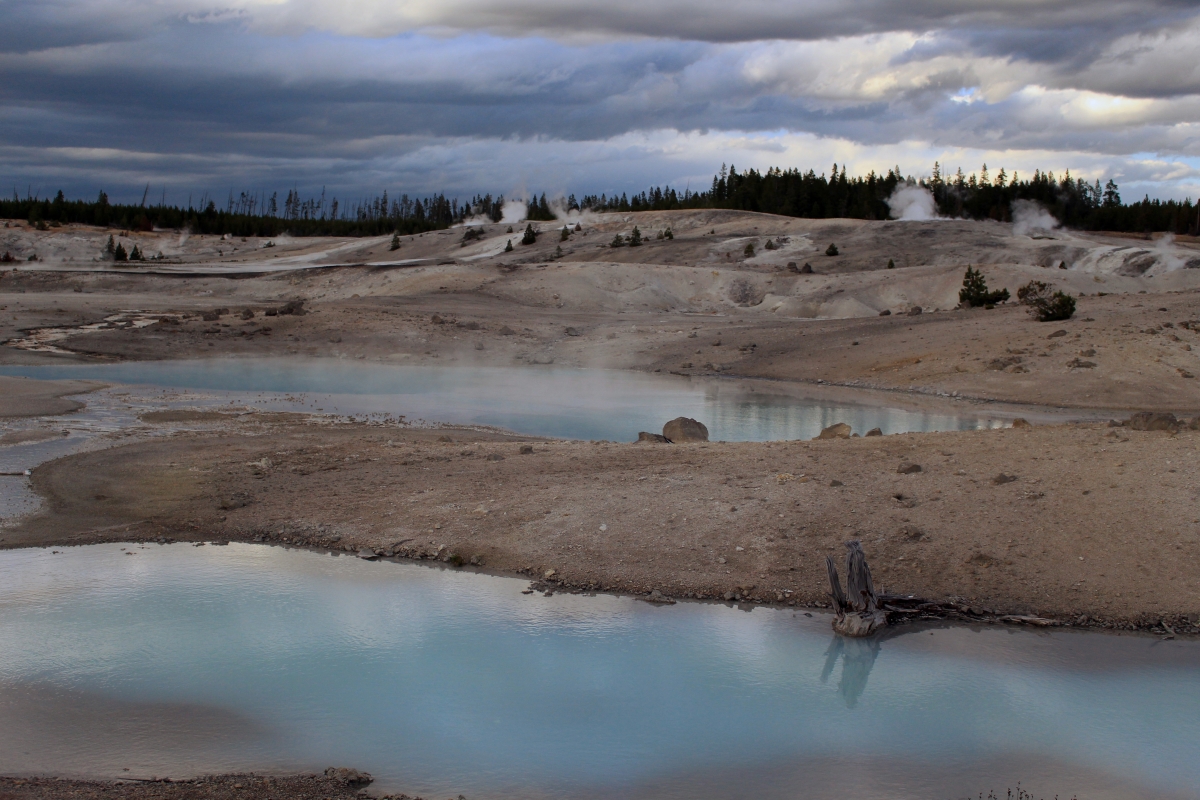
In most of the park, you have to keep an eye out for buffalo and grizzlies (in fact, you should always carry a can of bear mace with you). But at the Porcelain Geyser Basin, I was looking for T-Rex and pterodactyls. Every inch of the Porcelain Geyser Basin is oozing, bubbling and hissing with misty geysers, milky blue pools, and green swirls of something-or-other that make this place look straight up prehistoric. (Bonus: There’s no gag-inducing sulfur smell like the Mud Volcano Area.)
Porcelain Geyser Basin

Porcelain Geyser Basin

Porcelain Geyser Basin

3. Mammoth Hot Spring Terraces
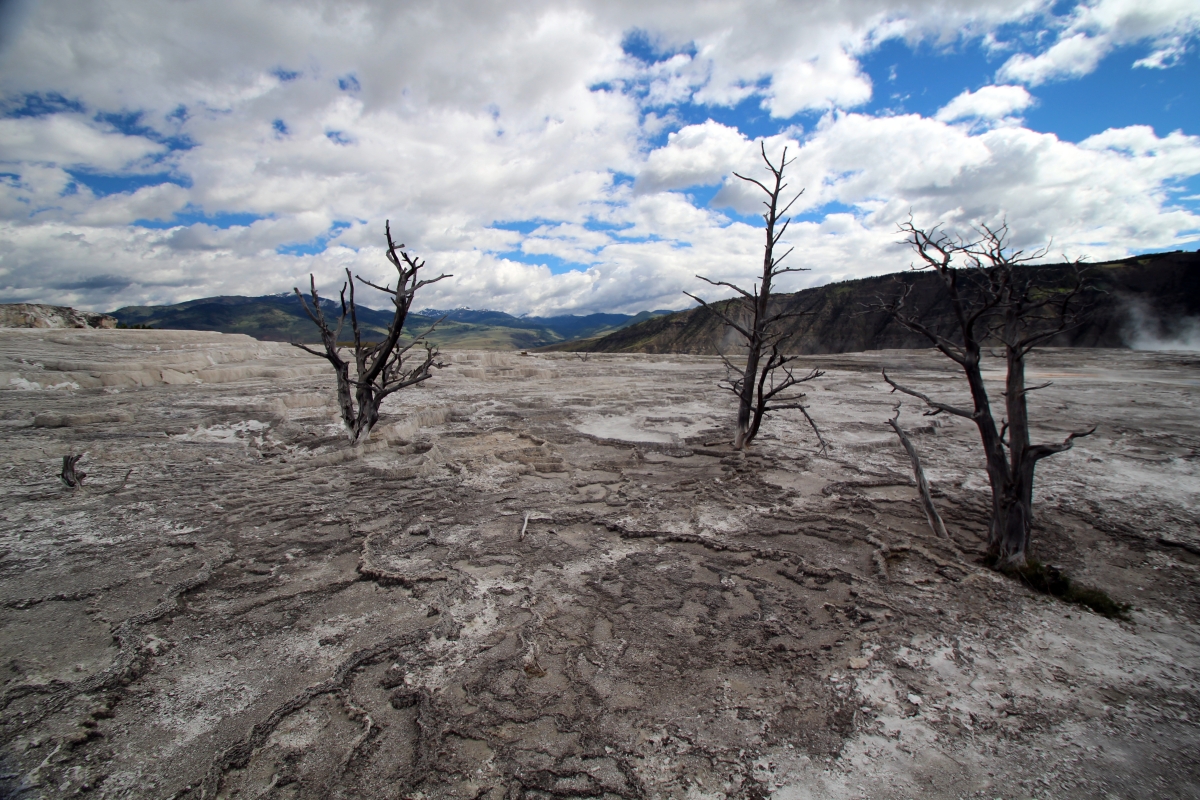
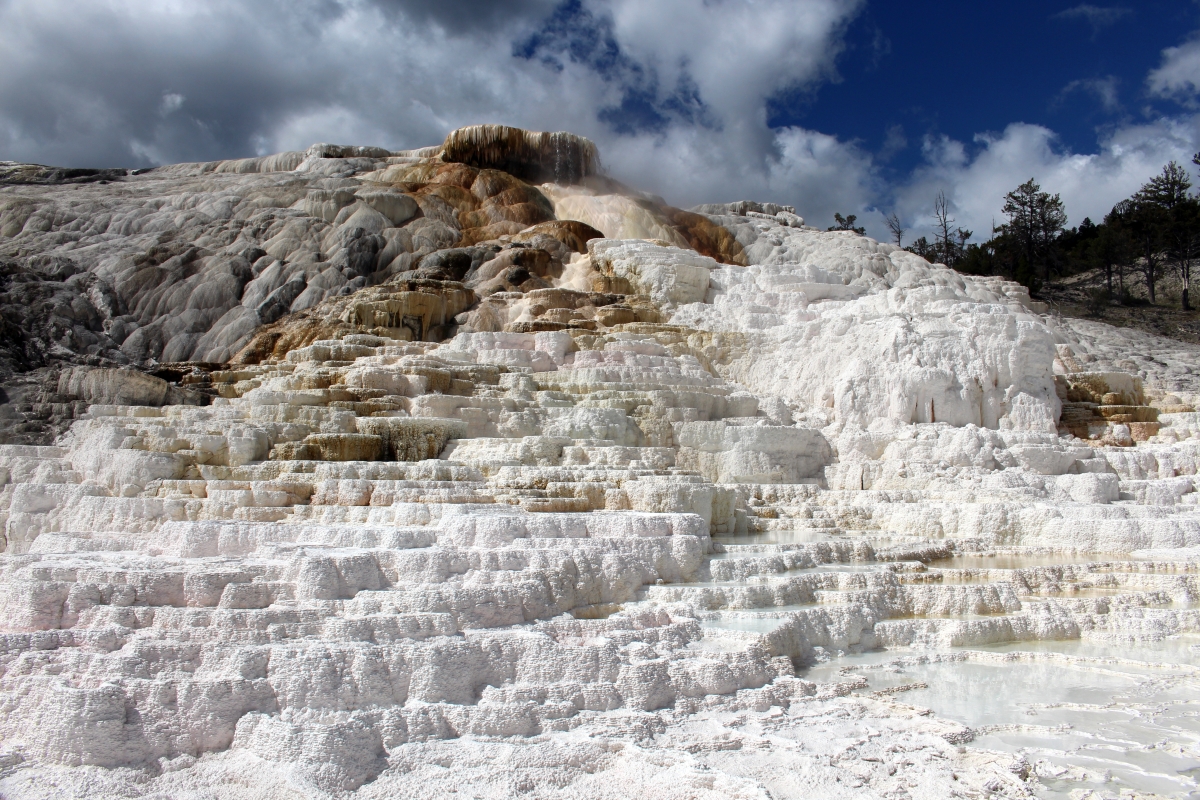
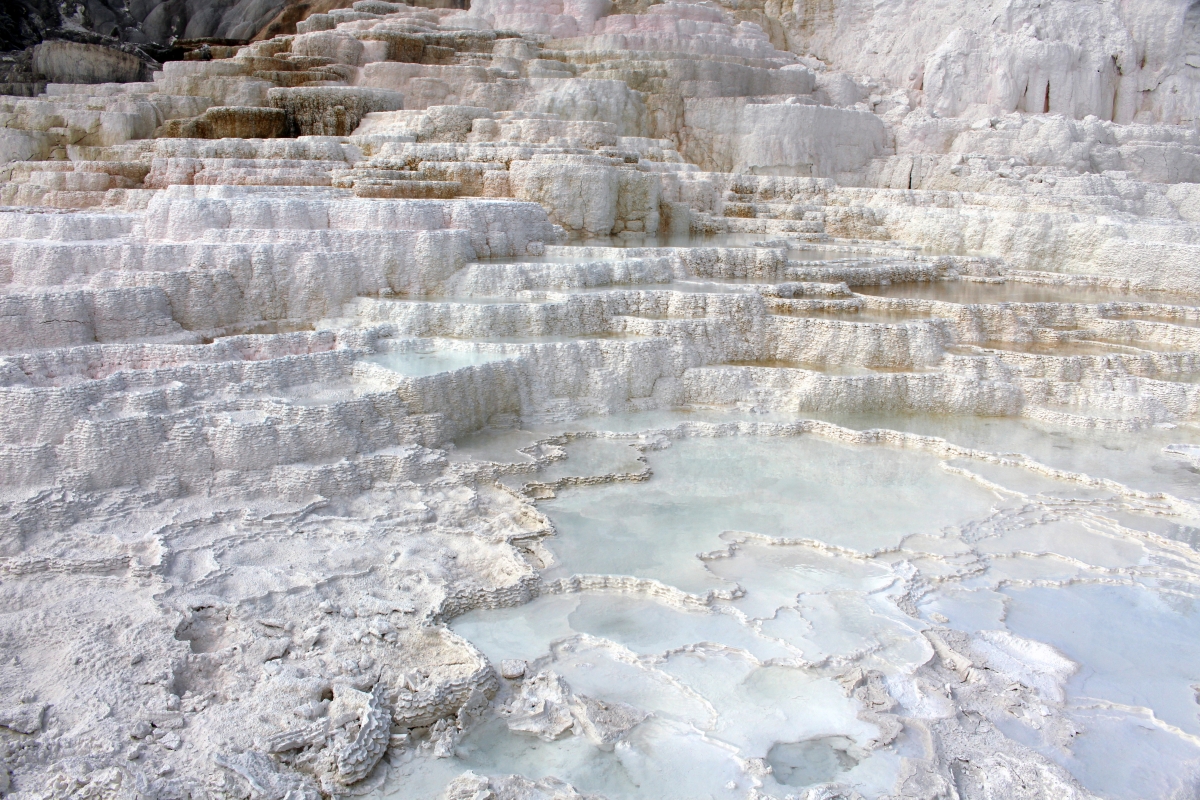
The National Park Service website describes Mammoth Hot Springs as a “cave turned inside out.” Enough said.
Mammoth Hot Springs

Mammoth Hot Springs

Mammoth Hot Springs

Mammoth Hot Springs

Mammoth Hot Springs

Mammoth Hot Springs

Mammoth Hot Springs

4. Old Faithful Inn
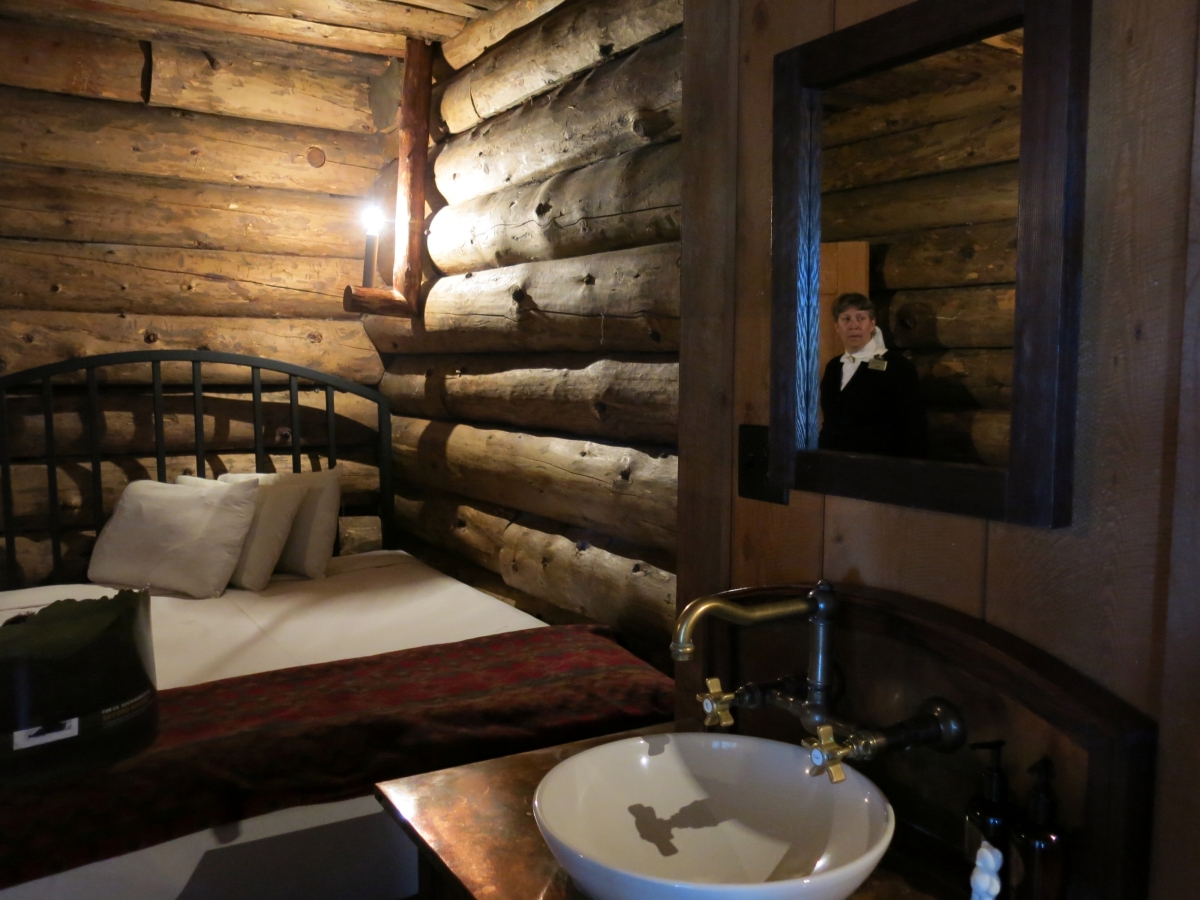
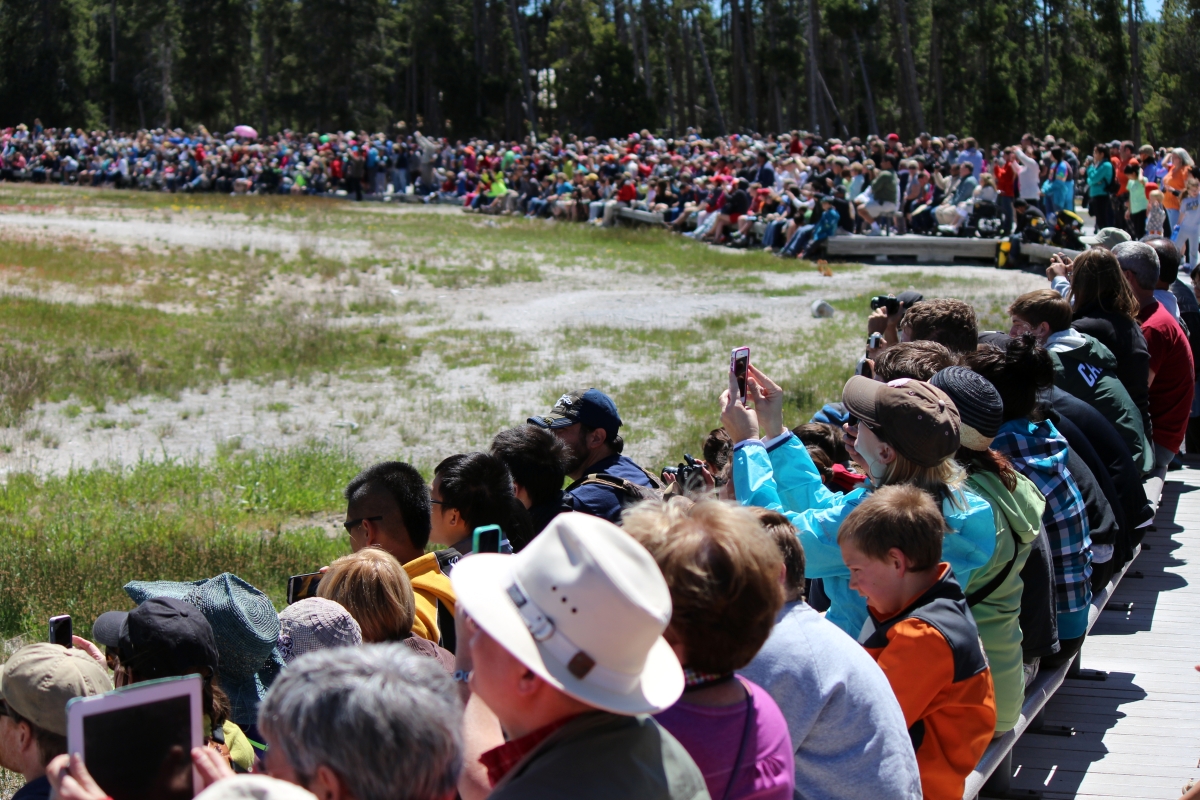
This 110-year old, seven-story log structure is simply gorgeous. Take the 45-minute tour to learn about its features and the history of Yellowstone tourism. To get the full old-timey experience, you can book a room at the Inn, though you’ll need to plan in advance or hope for a cancellation as these rooms are in high demand. Note that some rooms have shared bathrooms and the Old House, as opposed to the slightly newer east and west wing add-ons, is said to have “thin walls.” The Inn also gets very crowded with tourists (they gather right outside to witness the Old Faithful geyser), so staying at the Inn gives you a more intimate experience since you can walk around at night once the crowds have gone.

Old Faithful Inn

Old Faithful Inn

Old Faithful Inn

Old Faithful Inn

Old Faithful Crowd

Old Faithful

5. Firehole Lake Drive
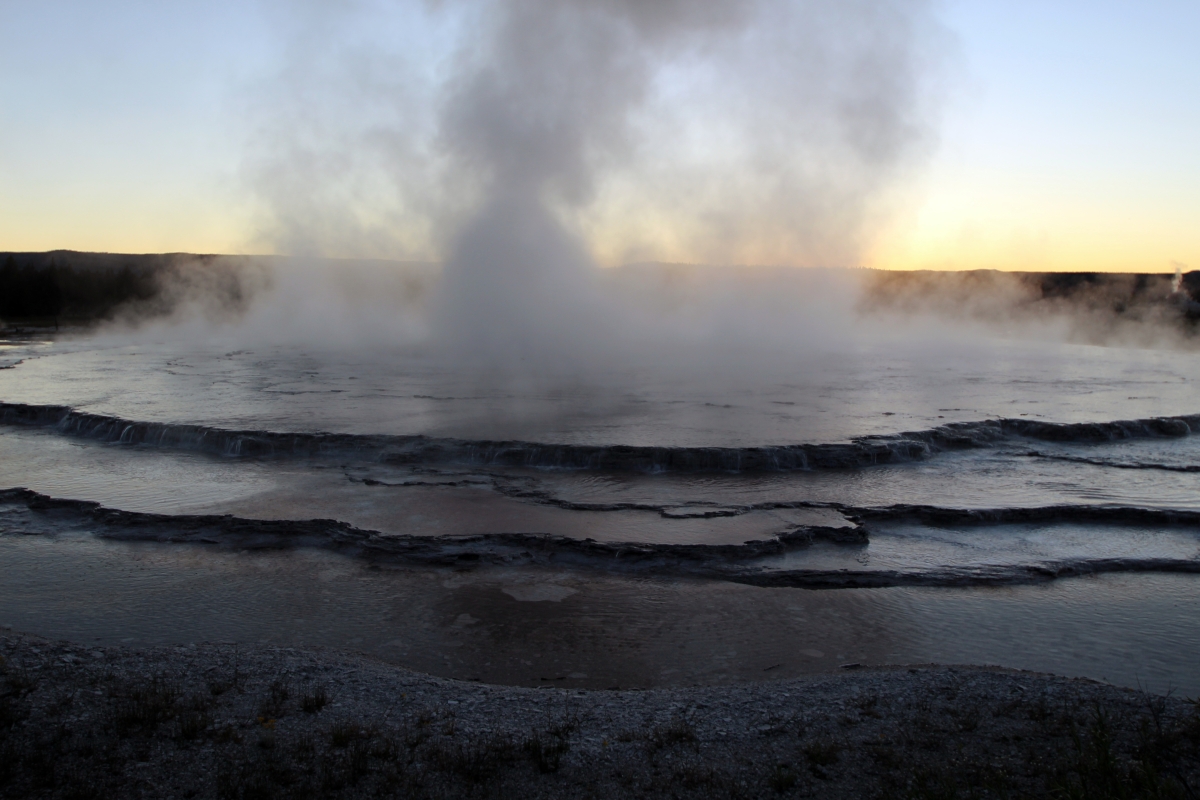
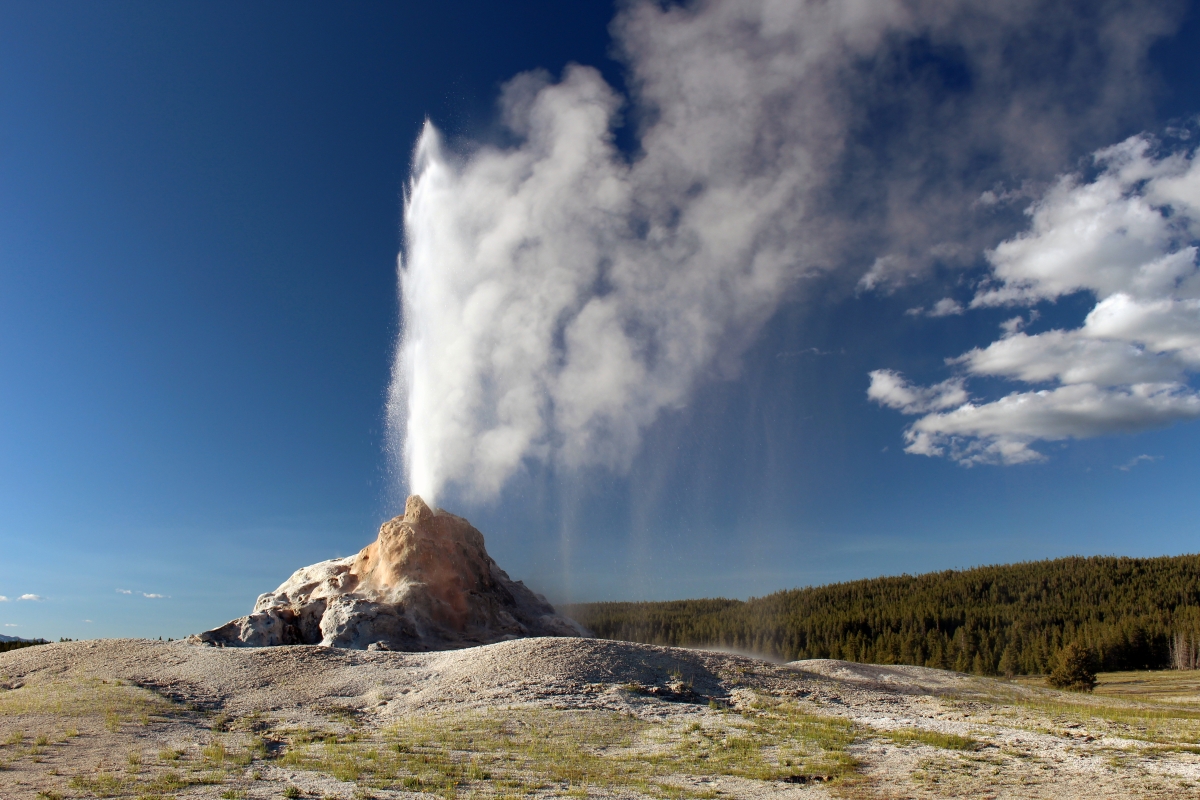
Though Old Faithful is the most popular geyser in the park (perhaps famous for being famous), there are better geysers throughout the park. Two are located on Firehole Lake Drive. The Great Fountain Geyser has calm pools of water which reflect the sky. Before eruption, the pools begin to fill, overflowing the terraces like gentle ocean waves. And once the geyser erupts, it lasts a while (1–2 HOURS as opposed to Old Faithful’s 1–5 minutes.) Right up the road is the White Dome Geyser, which is simple, but frequent and predictable, erupting about every 35 minutes.
Great Fountain Geyser

Great Fountain Geyser

Great Fountain Geyser

White Dome Geyser

6. The Grand Canyon of Yellowstone
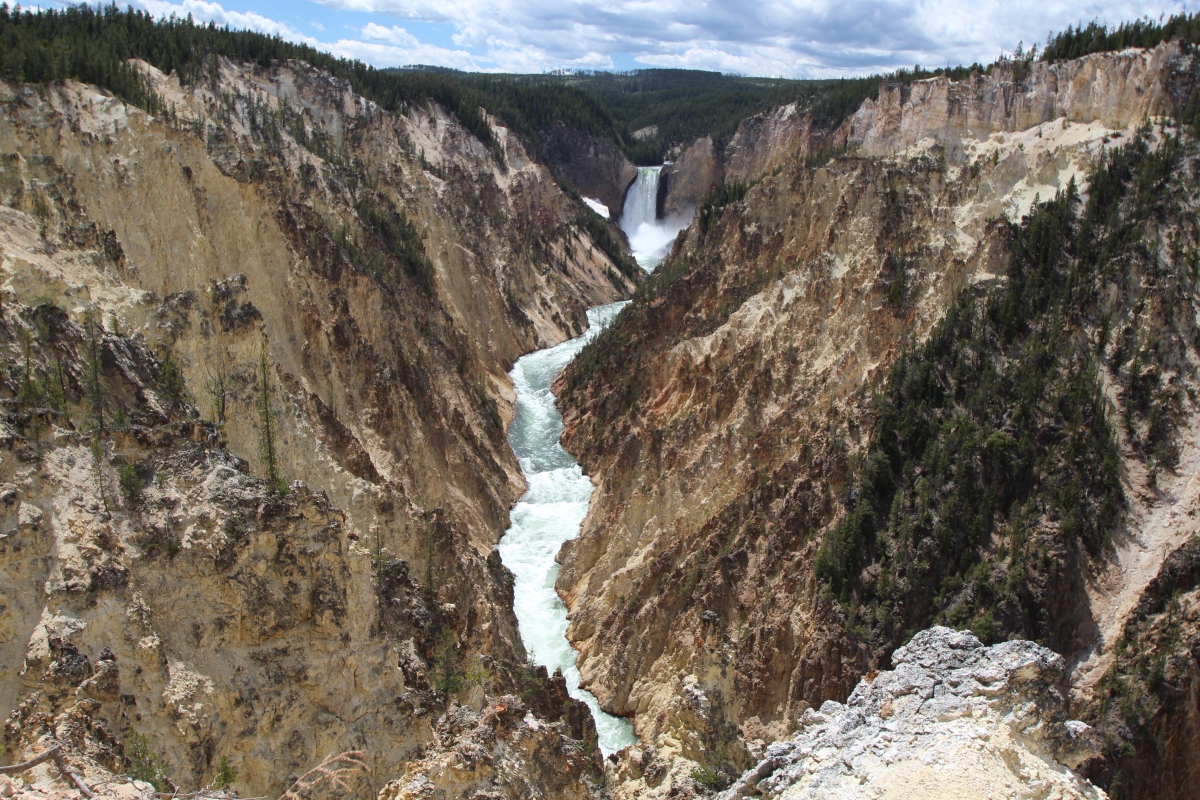
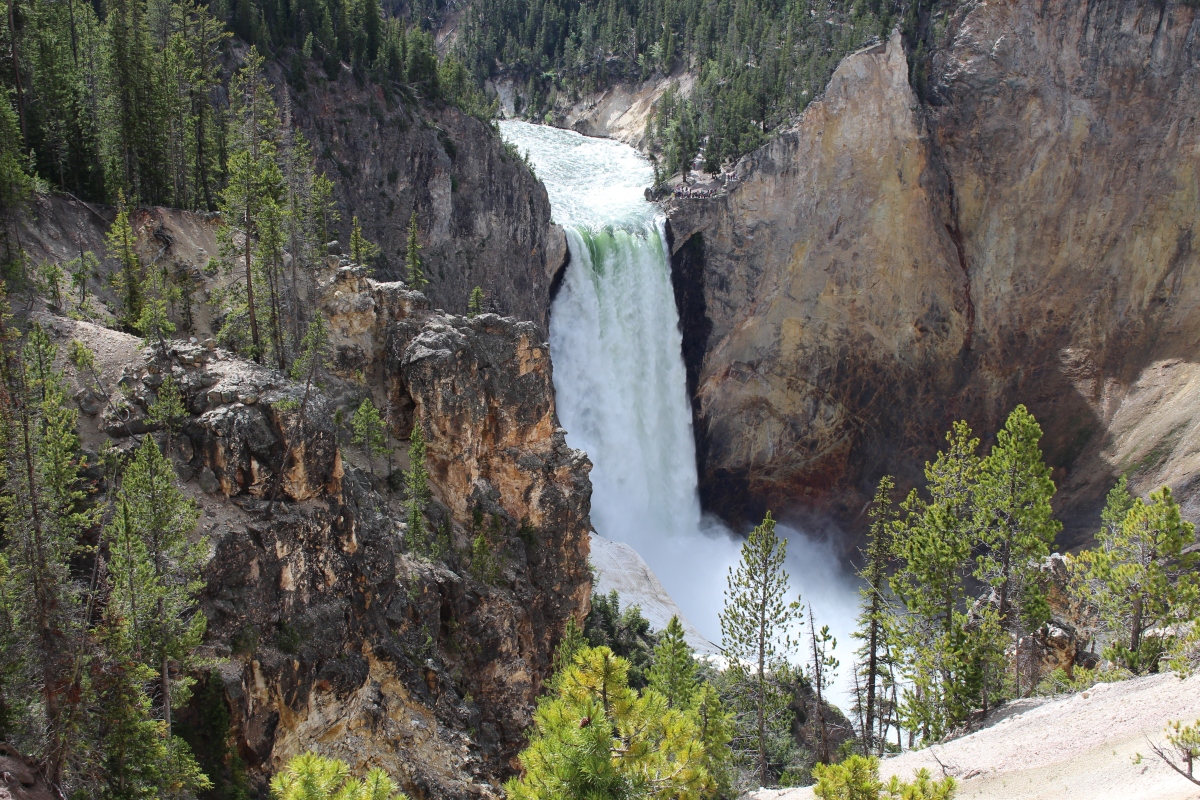
Often noted as the park’s most popular feature, The Grand Canyon of Yellowstone is pretty impressive. The Yellowstone River flows through the canyon for 20 miles between the Upper Falls and the Tower Falls area. Though the best waterfall along the canyon is the Lower Falls, a green waterfall that drops 308 feet. Trails along the canyon, as well as Artist Point, allow visitors to find the best view of the canyon’s pink and orange highlights.
The Grand Canyon of Yellowstone

Lower Falls

The Grand Canyon of Yellowstone


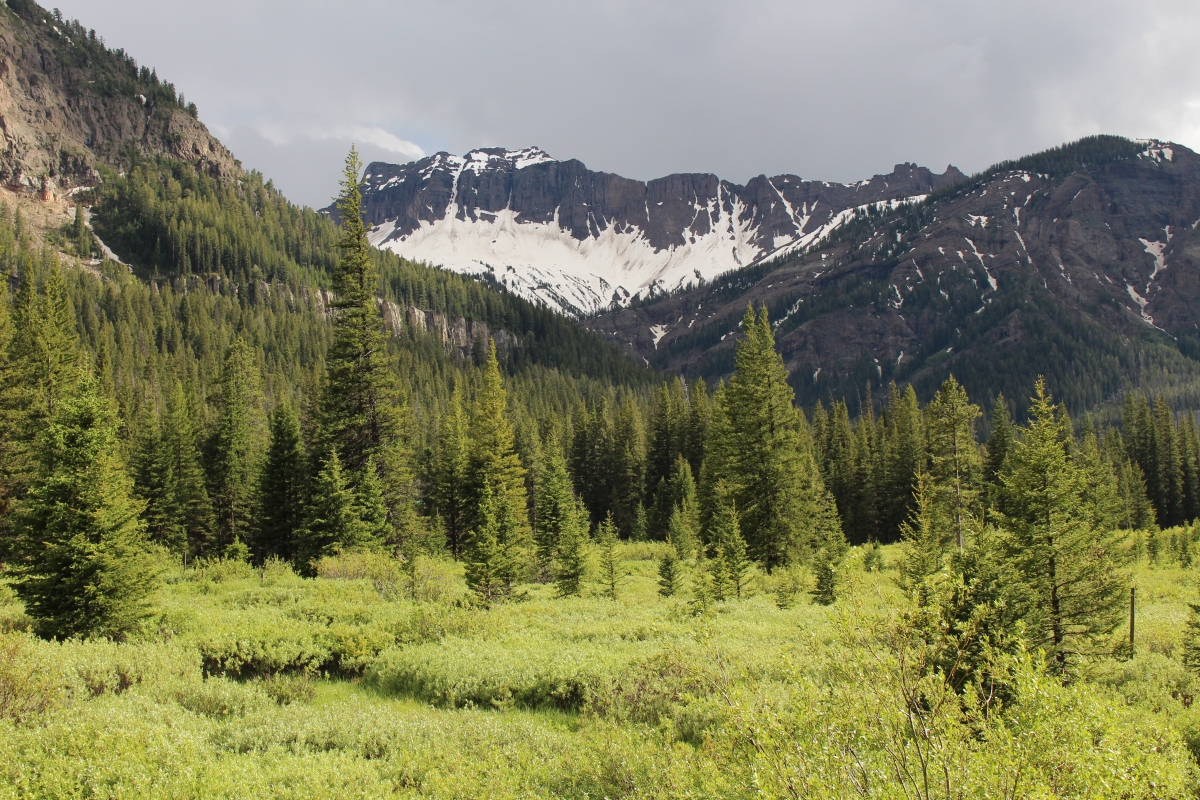
7. Wildlife, Wild Flowers and Wide Open Spaces

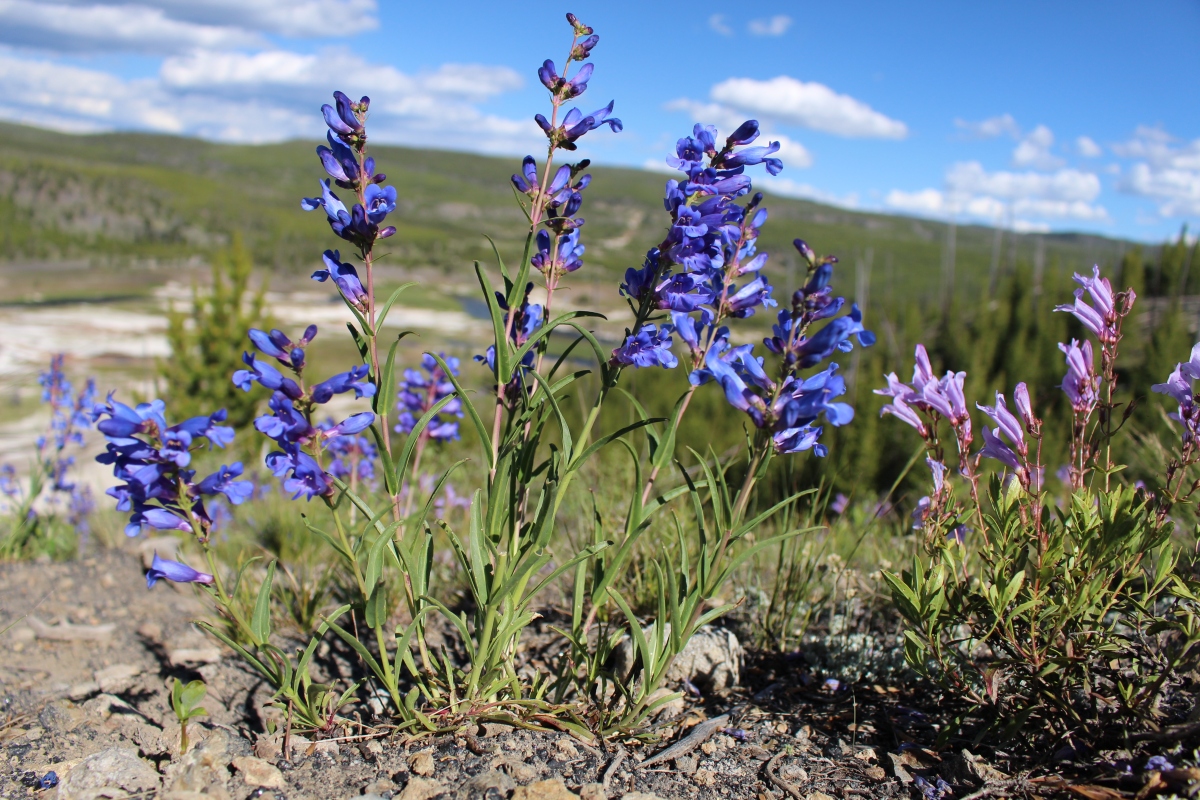
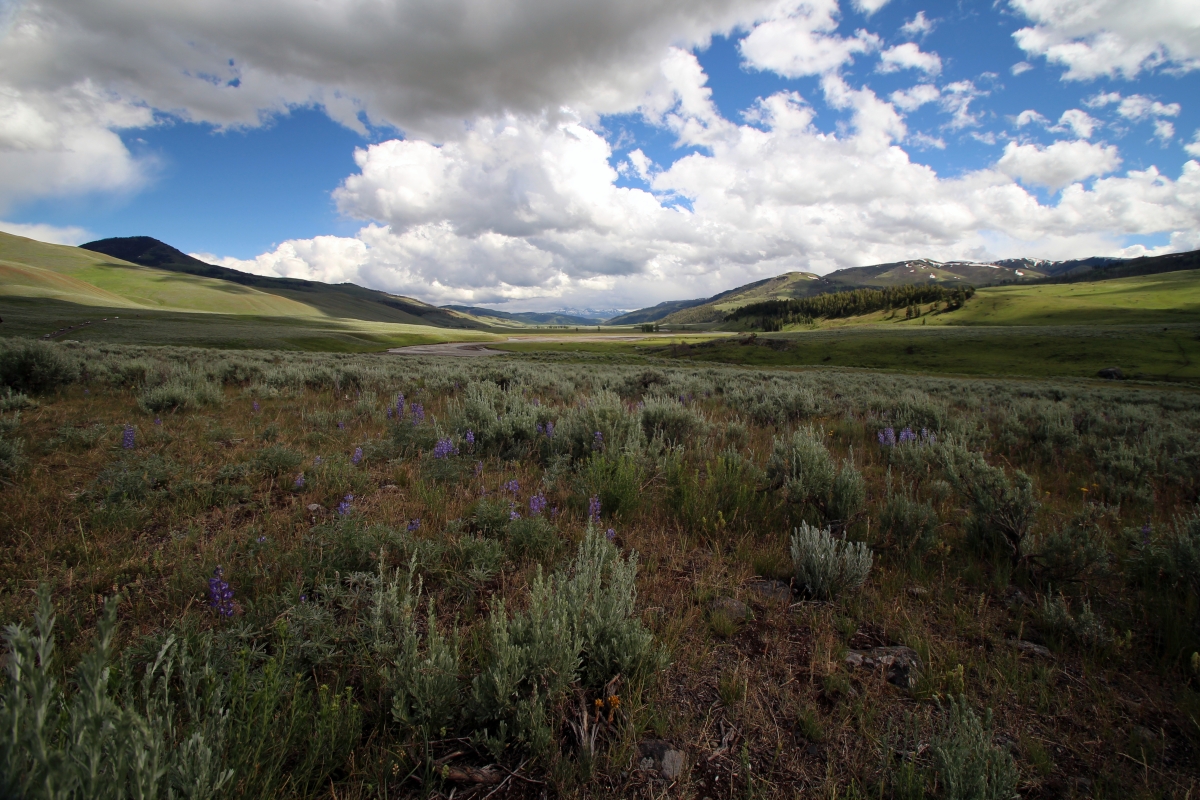
Simply driving around the park is awe-inspiring. Scenic pullouts allow you to park and sit for a while to admire the natural beauty of the park, most of which is in the state of Wyoming. If you only have a day in the park, just drive around the Grand Loops and enjoy the peaceful scenery, particularly Lamar and Hayden Valleys which can be observed from the roadside.
Mule deer

Warm stream

Wildflowers

Wide open spaces

Elk


Wide open spaces

Grizzly bear

Lamar Valley

Lamar Valley

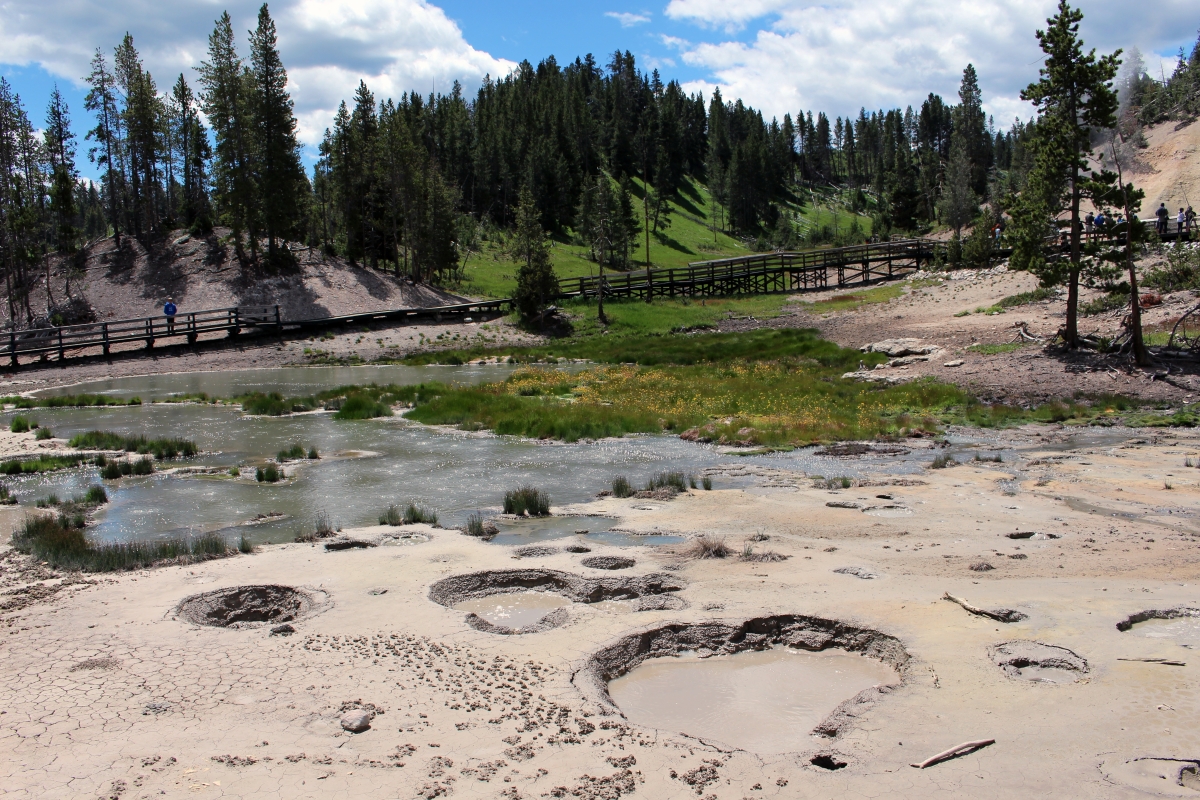
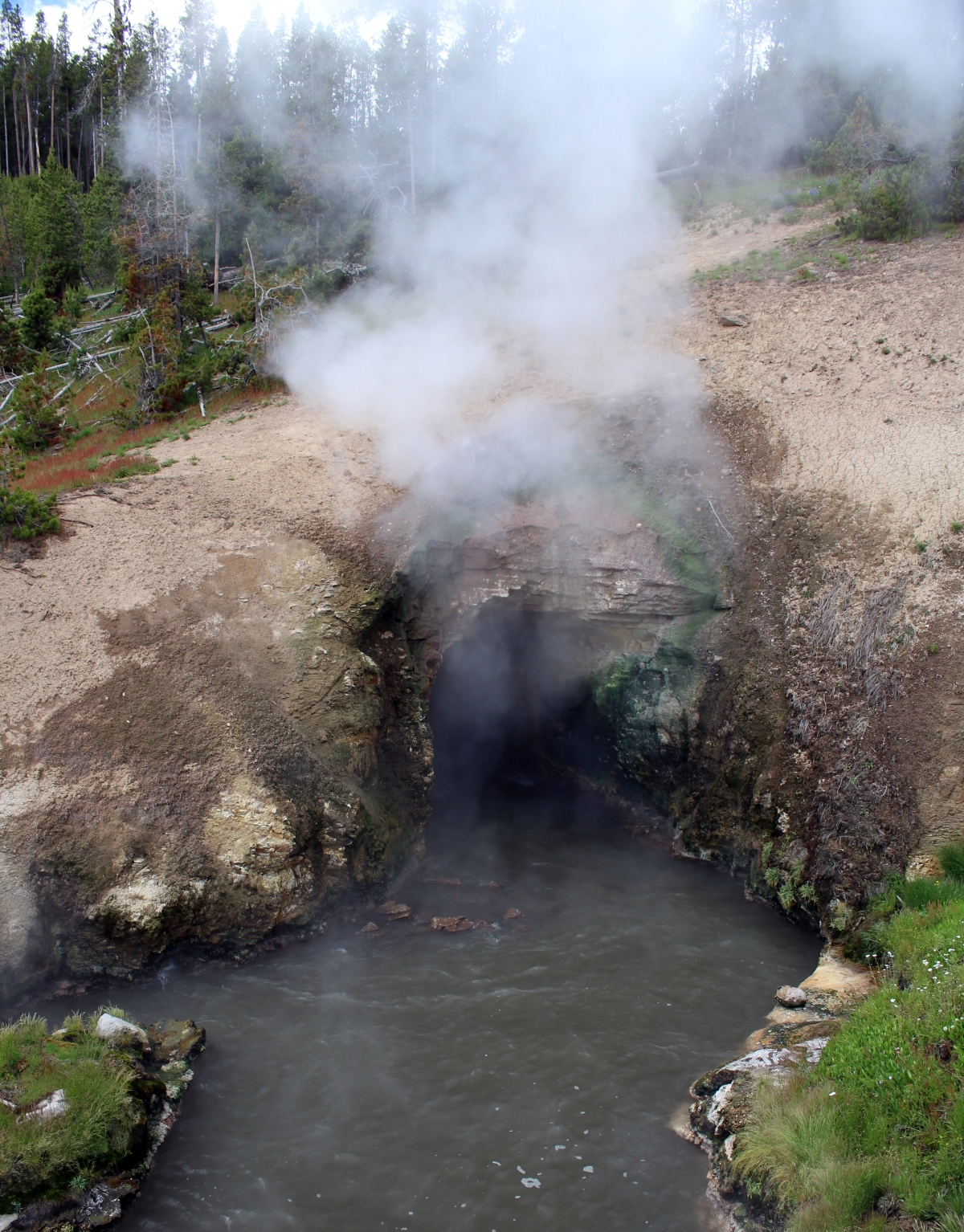
8. Mud Volcano Area
Yes, I earlier called this area gag-inducing (and it is), but it is also a great representation of what makes Yellowstone unique. This area features smelly, muddy, bubbling pools of steam and water that remind us of the Earth’s awesome power—underneath Yellowstone is one of the world’s largest supervolcanoes! Though the water isn’t actually at boiling temperature at many of Yellowstone’s features, heated gas and steam violently force their way upward, creating many of the park’s thermal features including those that resemble boiling pots of water (hence one feature’s name, the Churning Caldroun).
Mud Volcano Area

Mud Volcano Area

Mud Volcano Area

Mud Volcano Area

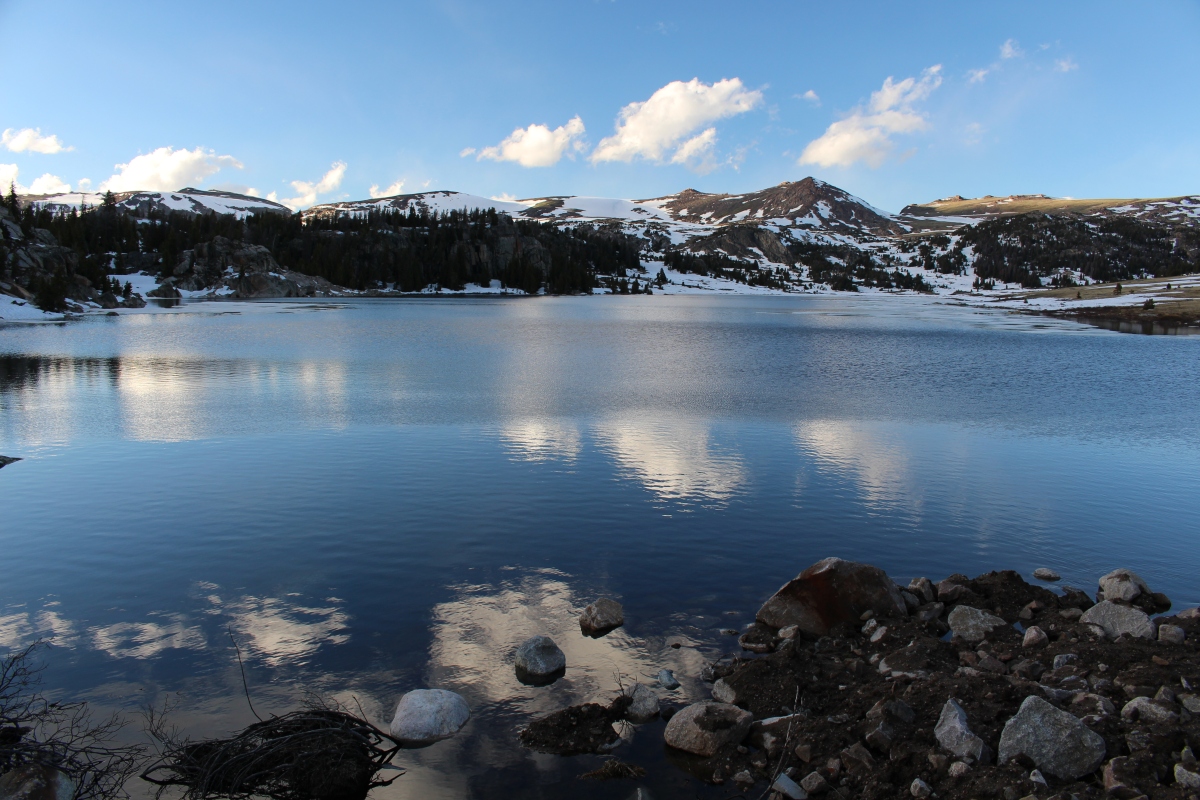
BONUS! Beartooth Highway
Located just outside the Northeast Entrance, this scenic road weaves you through icy lakes and snow-capped peaks to Bear’s Tooth Mountain.
Beartooth Highway

Beartooth Highway

Beartooth Highway

Beartooth Highway

Beartooth Highway

Beartooth Highway

Beartooth Highway

Beartooth Highway

Beartooth Highway

Beartooth Highway


What to Expect from Gorilla Trekking in Uganda

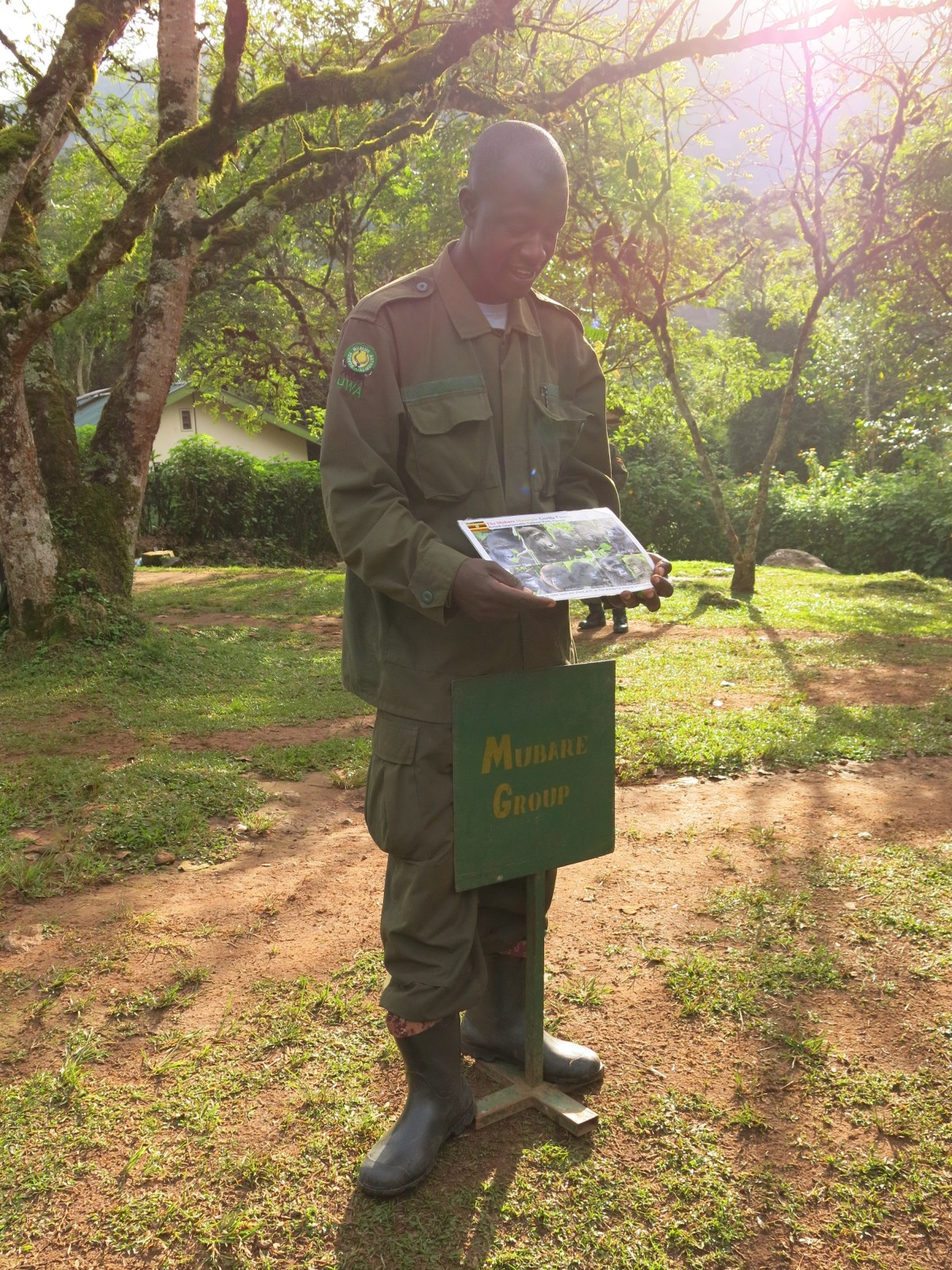
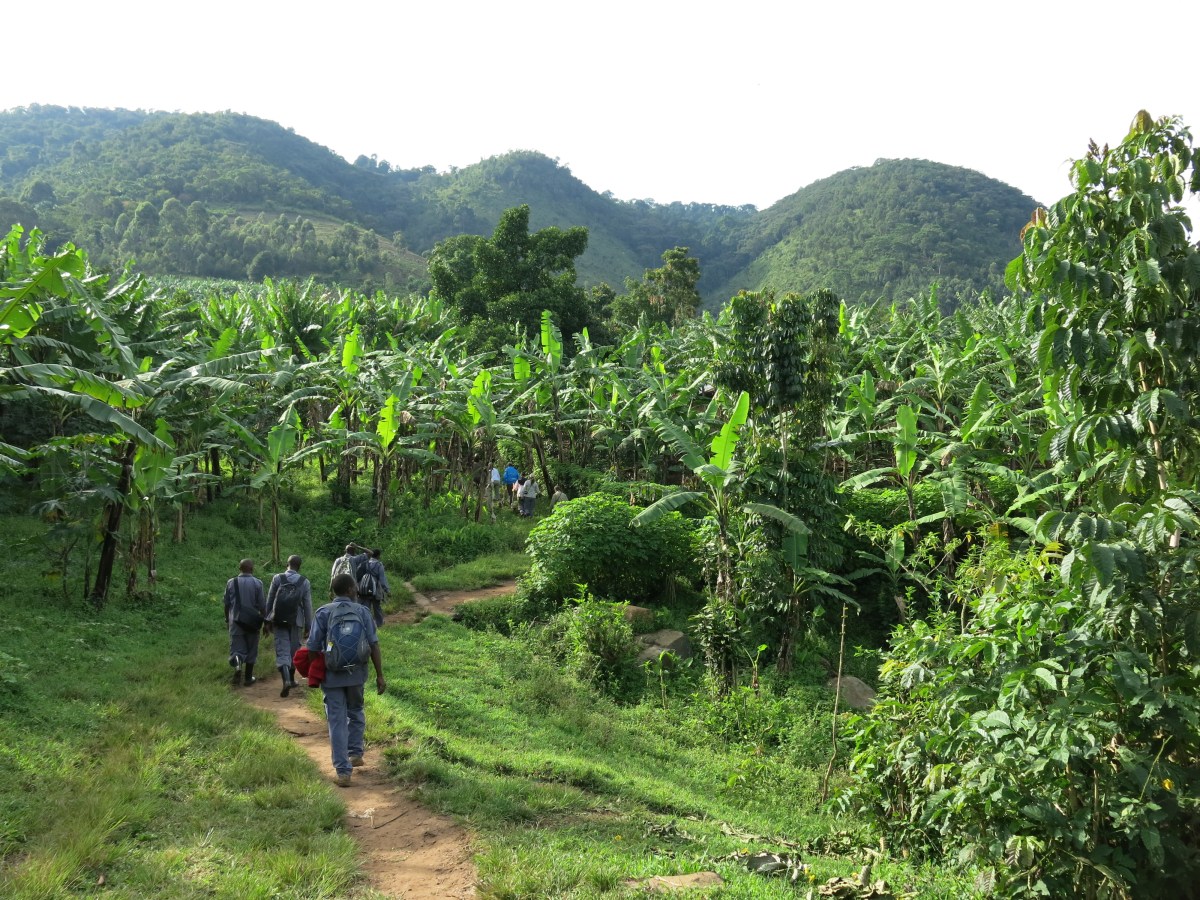
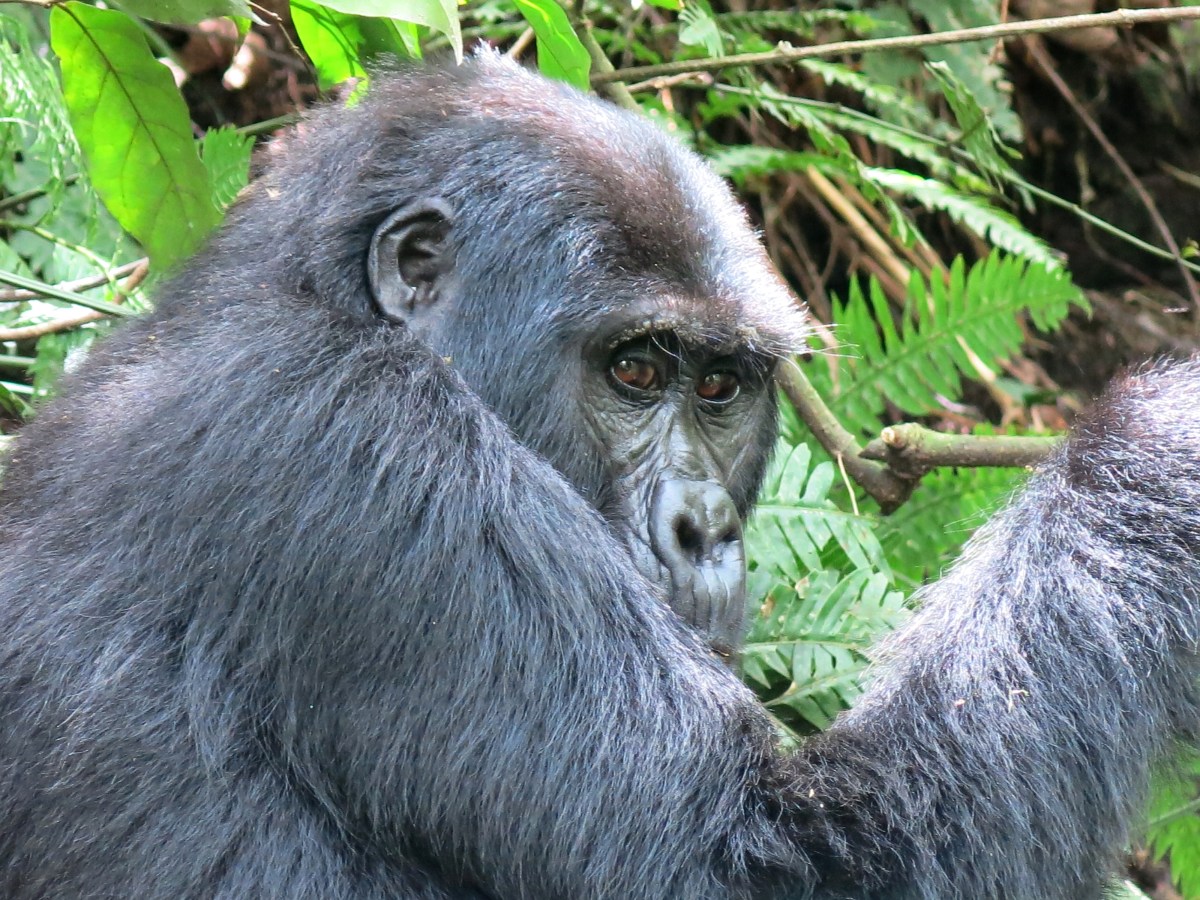
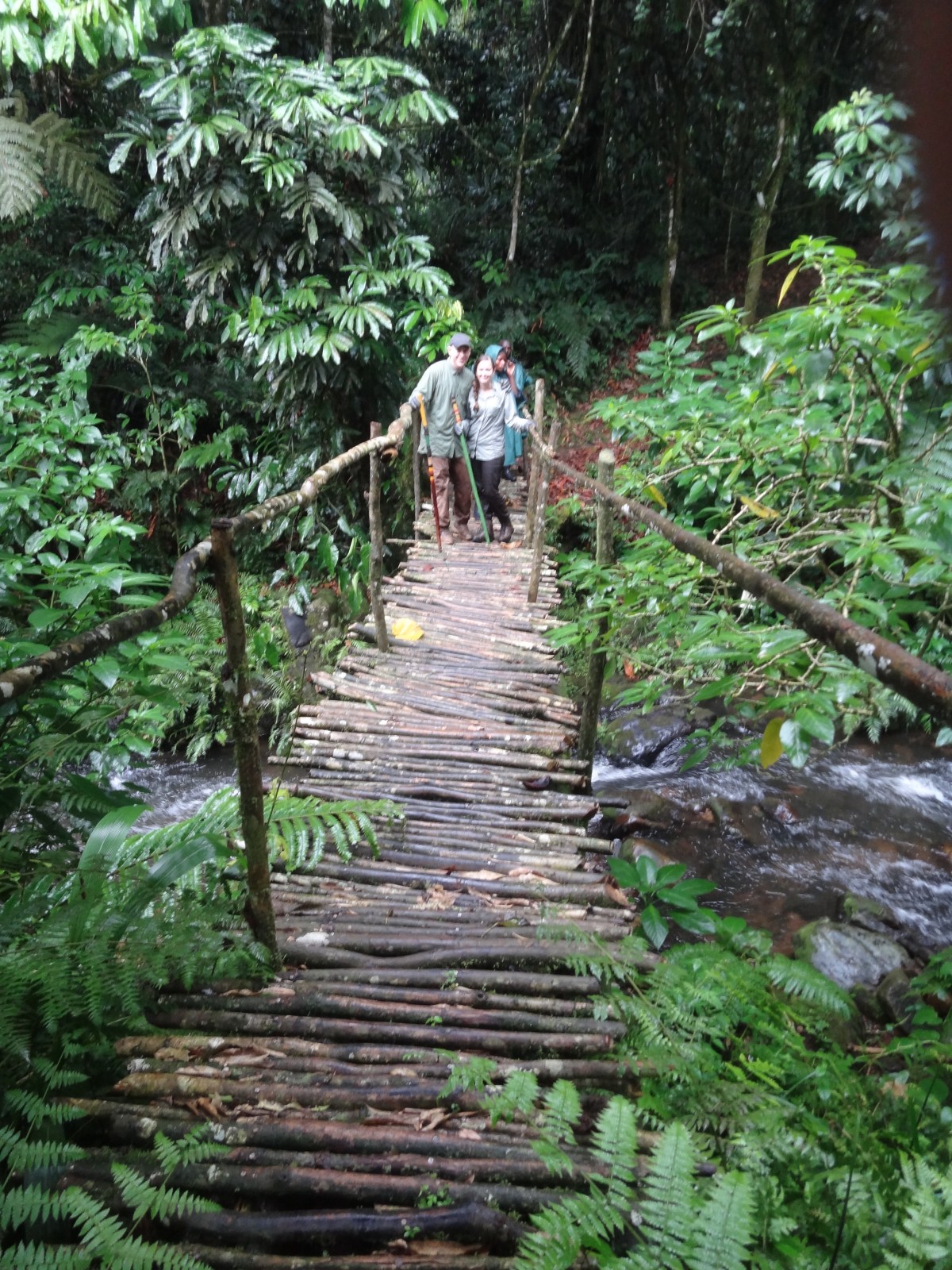
After a brief introduction, our tour guide, Obed, led us into the Bwindi Impenetrable Forest following directions from the gorilla trackers via radio. That morning, our gorilla family was at the top of the mountain. We were joined by four people from South Africa, flanked by park personnel carrying AK-47s, and accompanied by paid porters who helped carry our bags.

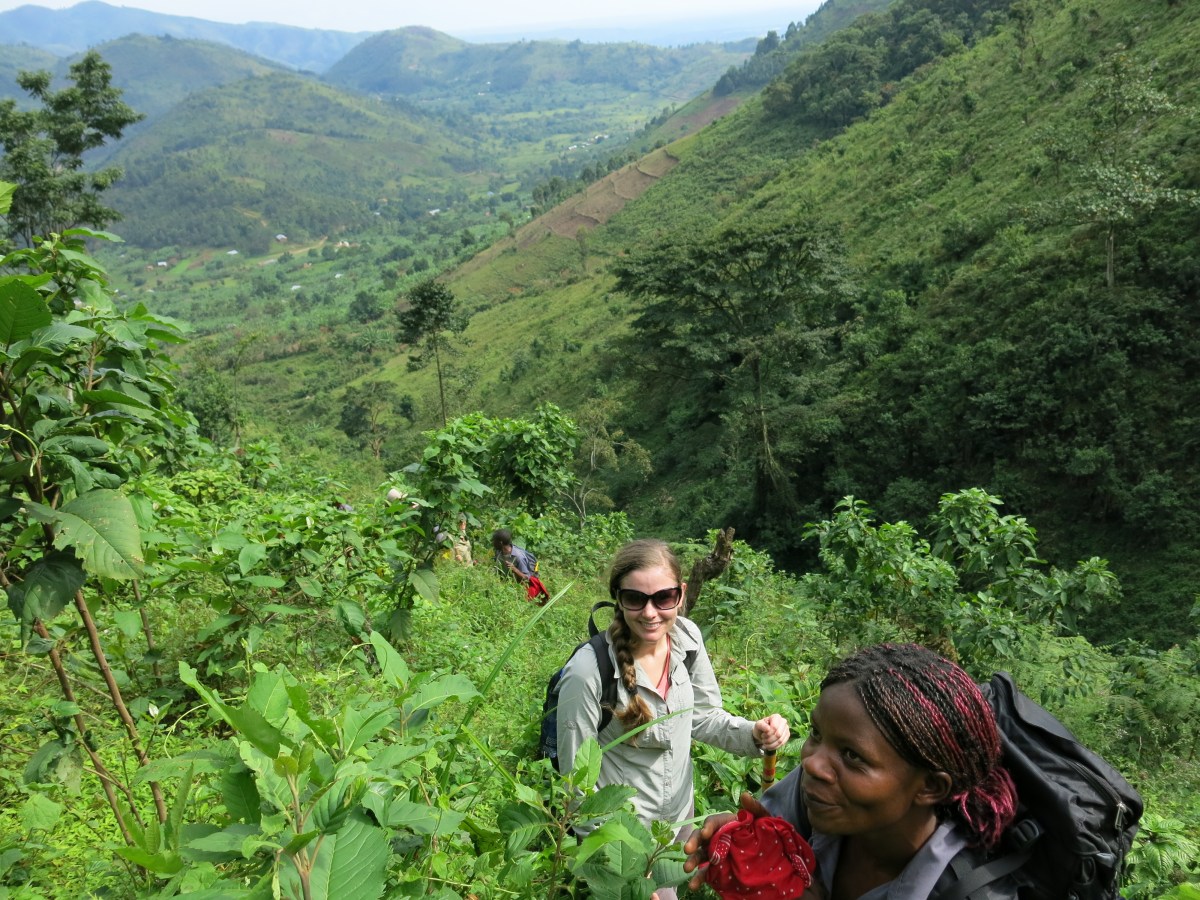
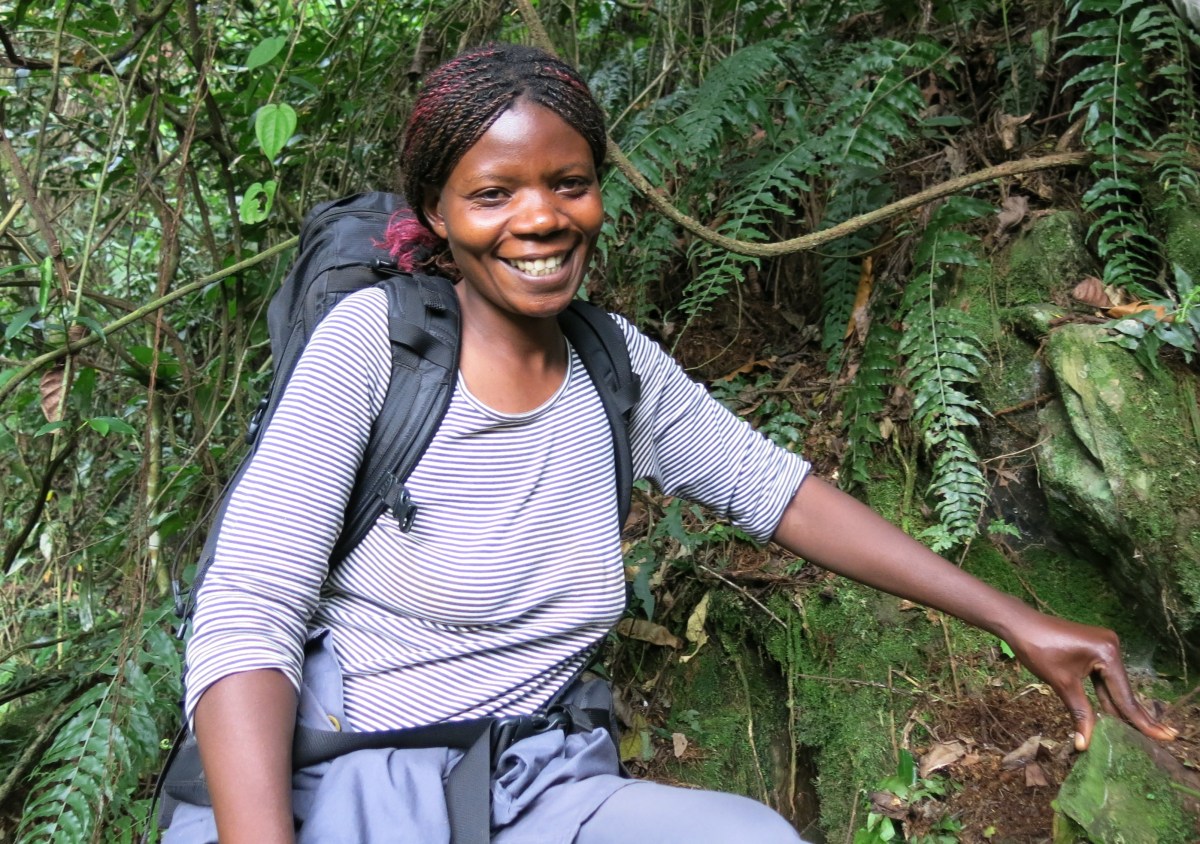
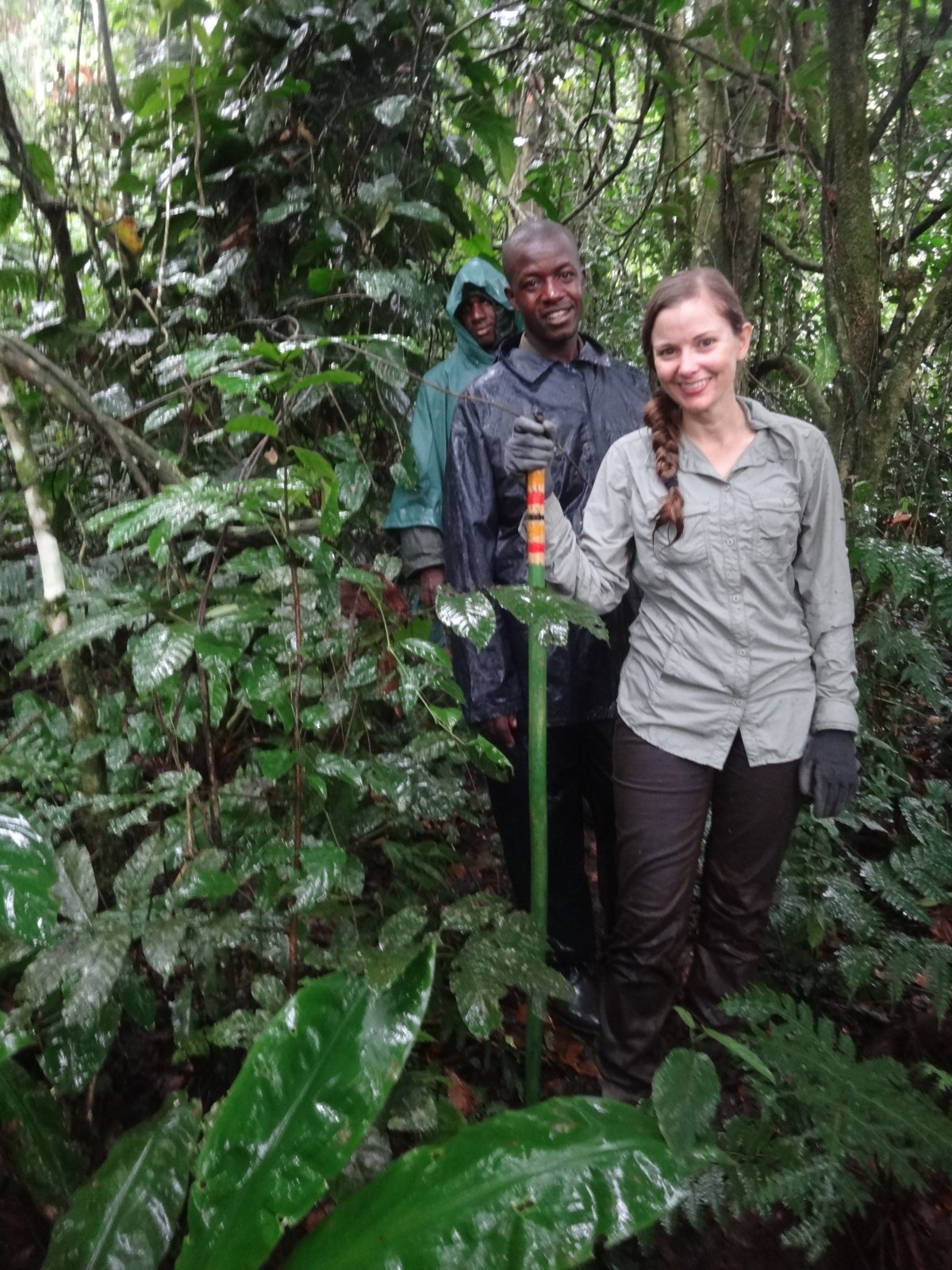
Our porter was Rulia. She was tough and graceful, effortlessly maneuvering the forest wearing rubber rain boots and carrying our backpack full of water bottles. I followed behind her, using a walking stick for balance while upright, and clawing my way up on all fours at steeper points. The soil was soft and gave way underfoot, so I grabbed for rocks and vines as I climbed. Before I put on gloves, I got a handful of thorns. And when I lifted my sunglasses, I was slapped in the eye with a branch. At least I had sturdy pants and good boots.

We climbed slowly and took several water breaks. Once we finally reached the top, or at least a plateau with level ground, we had to head back down; the gorillas had moved during our ascent. Obed led us with his machete, hacking a new trail for us to follow, and after four hours in the forest, we finally reached the gorillas.

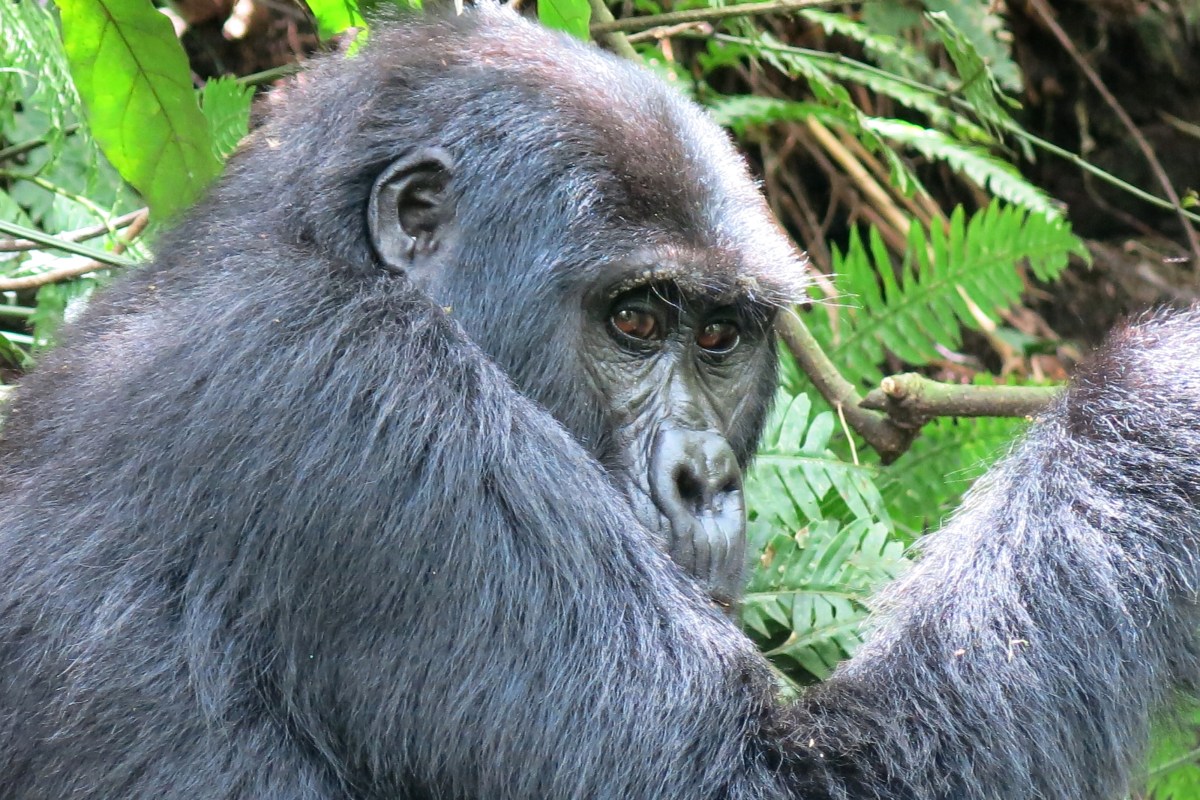
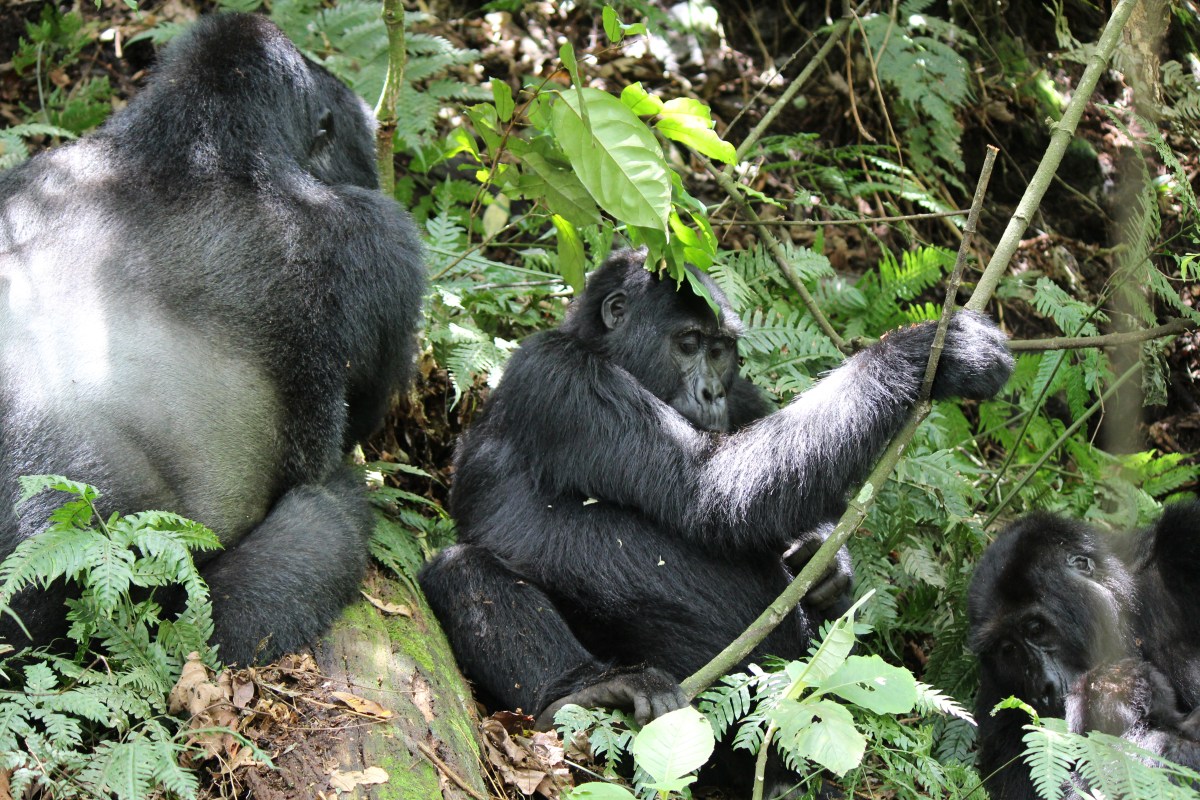
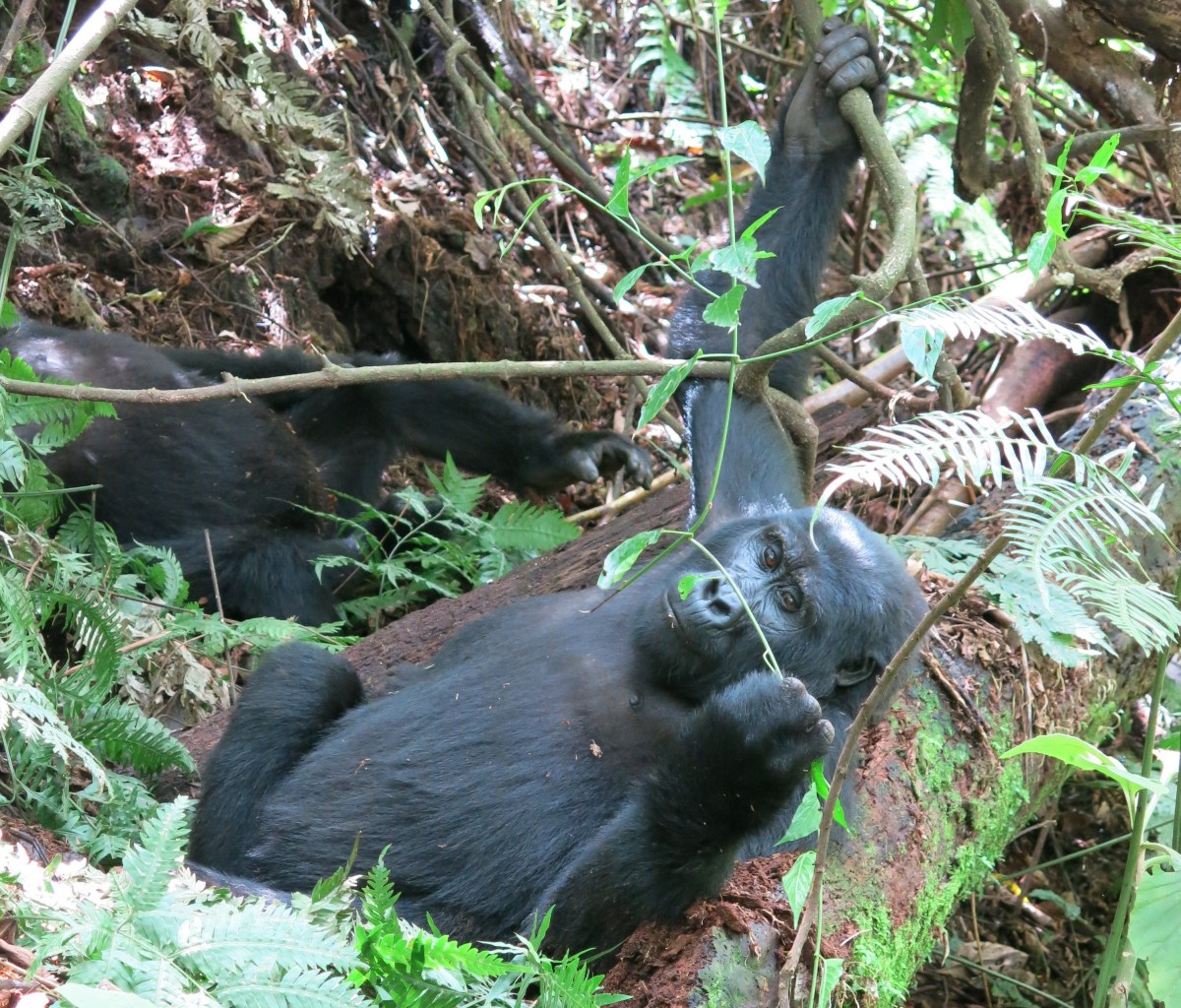
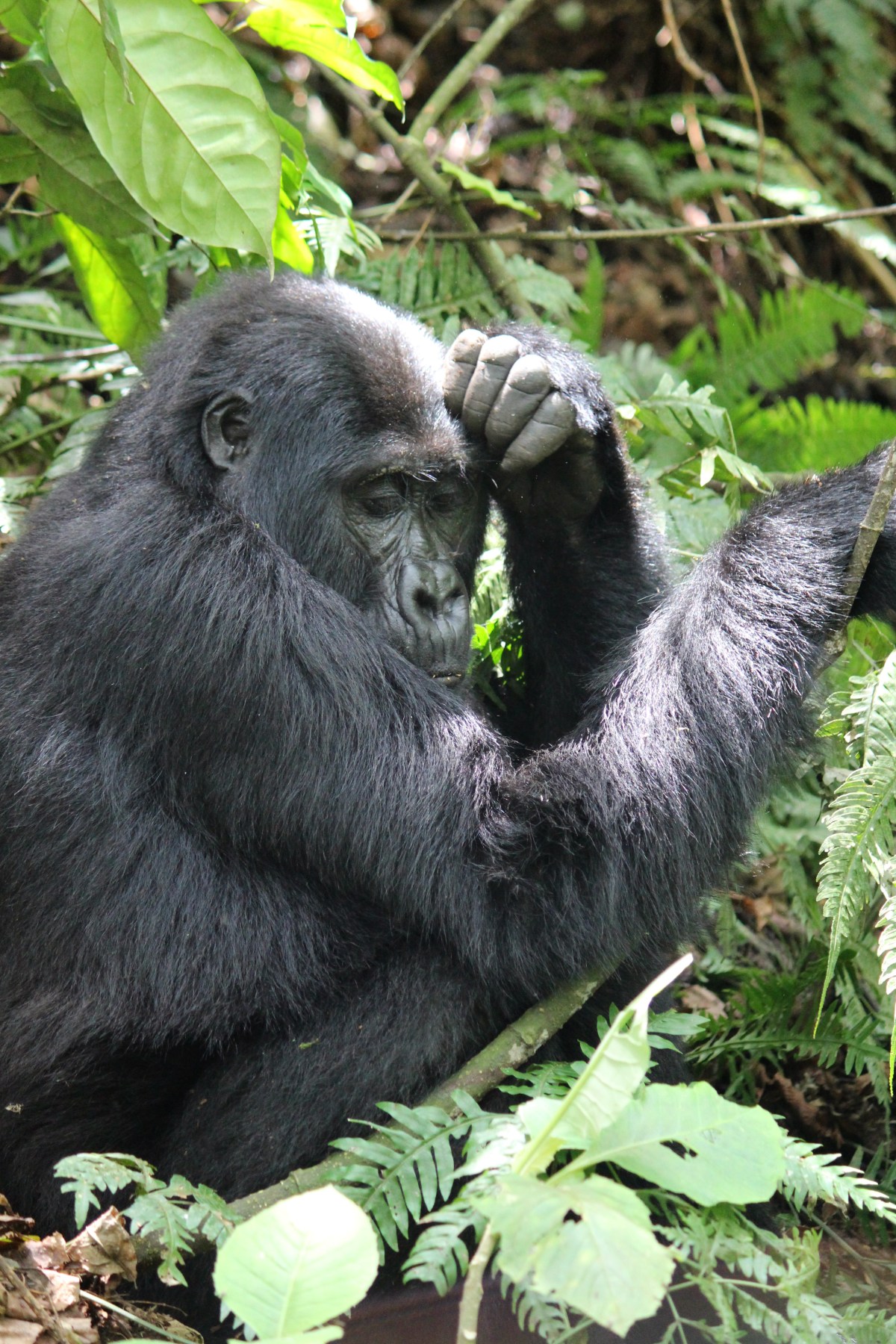
Since they are habituated and used to human presence, they didn’t mind our thousands of camera clicks and went about their routines of eating and grooming. The mother was nursing a baby and we poised our cameras waiting to catch its tiny face. That was the strangest part about seeing gorillas in the wild; knowing their fierce power while suppressing that fear so effortlessly, so present in the moment with near-anxiety that you have only 60 minutes in your lifetime to do this exact thing, and to get photos you’ll be happy with. We furiously took photos both out of excitement and for fear the gorillas would leave at any moment. Later, once we all had good shots, we relaxed, put our lenses down and just sat to observe. Our hour was up in no time.

We left the gorillas then stopped to eat our packed lunches. Then we headed out of the forest. The route was even steeper than before and Obed directed us to scoot down on our butts. I slid several feet at a time down the soft soil which became looser as we each took our turn down the trail. Sometimes Rulia would grab my foot and place it in a sturdy spot or untangle it from a vine. As we descended, we loosened rocks which tumbled down on those below us. A large one narrowly missed my husband’s ribs.

And then came the rain.

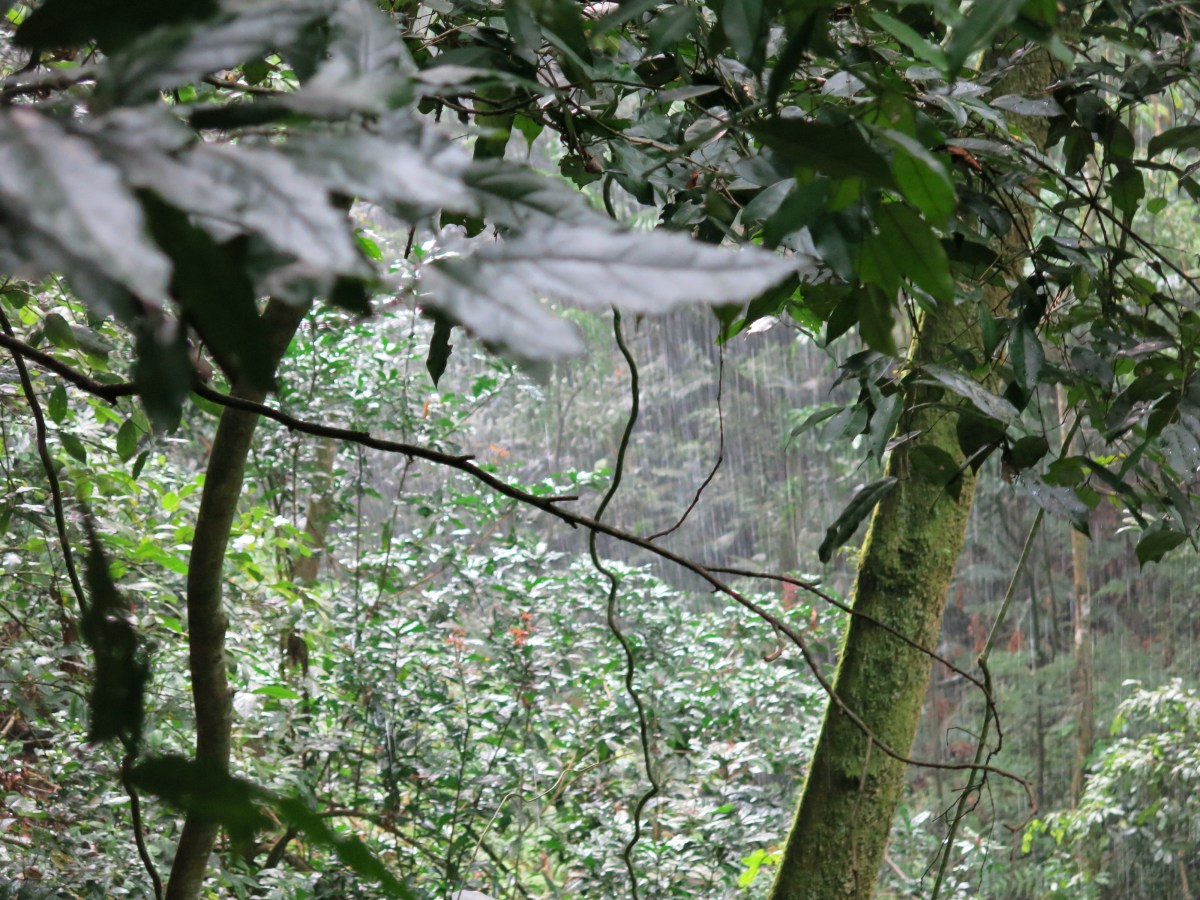
It poured for an hour, big fat drops of ice cold rain, turning the forest into a muddy slip-and-slide. Rulia was ahead of me, insisting I grab her hand with each step. But reaching for her below me was throwing off my balance. Eventually, I ignored her outreached hand, trusting my instincts to get low to the ground. I literally crab-walked through the steepest and muddiest parts. I felt sturdy and moved swiftly without slipping until the land was flat and I could stand.

By the time we returned to the park entrance, after 7 hours in the forest, I was exhausted, caked in mud, and grateful for no broken bones. Of his 9 years of experience leading these treks, Obed said this was his third most dangerous.

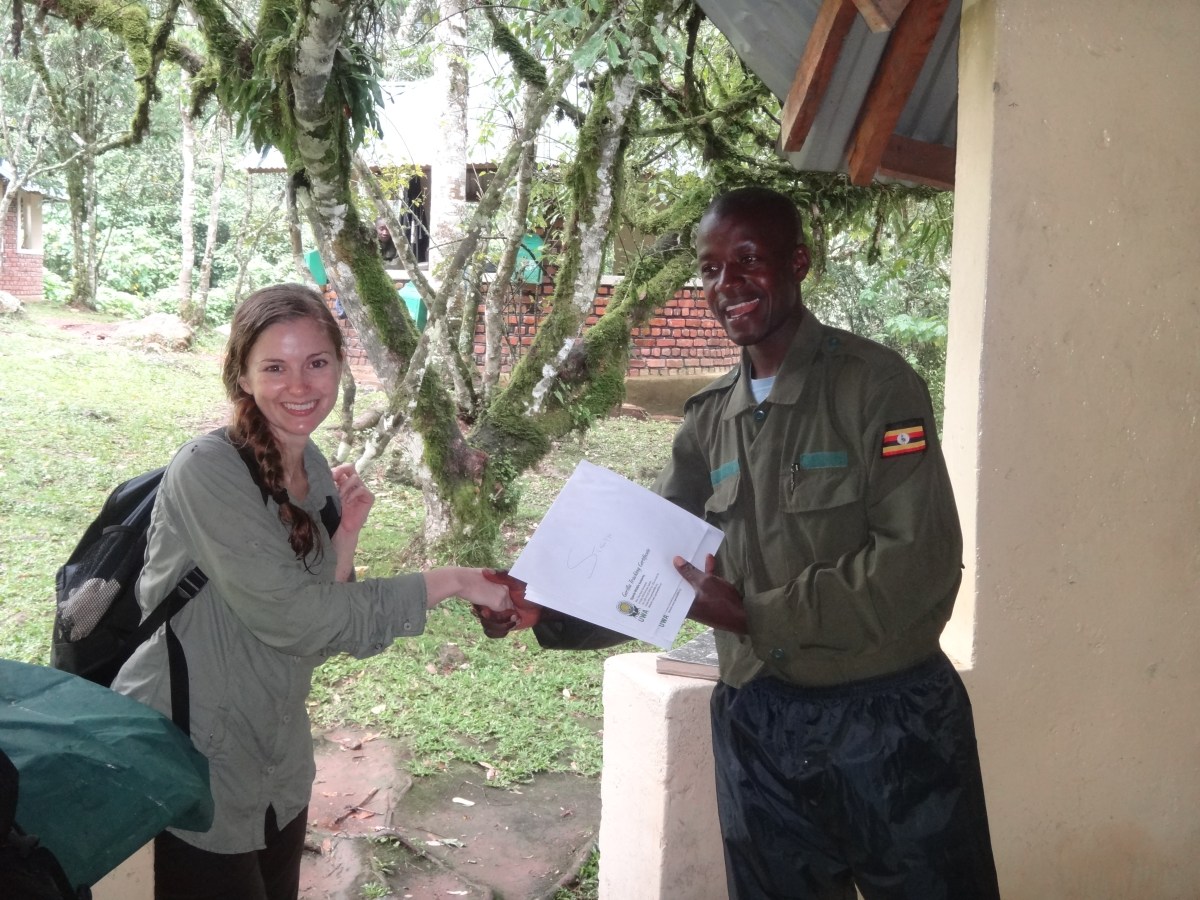
Our trek ended with a “graduation ceremony.” Then we tipped Obed and Rulia for their hard work and headed back to our lodge for a long night of mud removal and comparing photos.

9 Tips for Gorilla Trekking

    1. Hire a porter, or two. Your porter will be very helpful during the trek, and this is a good way to support the local economy. Porters take turns working the trails and get only a few opportunities per month. The cost is around $20. You should also tip.
    2. Wear gardening gloves.
    3. Keep your sunglasses on to protect your eyes. Branches have a way of slapping you in the face.
    4. Bring a rain jacket, not a poncho. Ponchos can get tangled up and ripped. Bring a rain cover for your day bag.
    5. Bring at least 2 liters of water per person. You could be in the forest a while.
    6. Wear long sleeves and sturdy pants that can stand up to rocks and thorns.
    7. Wear good hiking boots. I wore the LOWA Renegade GTX® Mid. They were comfortable right out of the box and had great ankle support.
    8. If offered a walking stick, take it. Mine was a huge help in keeping my balance.
    9. Bring a waterproof camera, especially during the rainy season.

Obed giving instruction Obed giving instruction

Distance to keep from gorillas
The Bwindi Impenetrable Forest ...
The Bwindi Impenetrable Forest …
And we begin ...
And we begin …
Getting hot and steep
Our porter Rulia
Our porter Rulia
Peering out from the brush

Bwindi Impenetrable Forest Bwindi Impenetrable Forest Bwindi Impenetrable Forest Bwindi Impenetrable Forest Bwindi Impenetrable Forest Bwindi Impenetrable Forest

The descent
The descent

Bwindi Impenetrable Forest

scooting down
scooting down (and looking rough!)
Here comes the rain
Here comes the rain

Bwindi Impenetrable Forest Bwindi Impenetrable Forest

After: wet and muddy
"graduation ceremony"
“Graduation ceremony” with Obed


A Guide to Murchison Falls National Park, Uganda

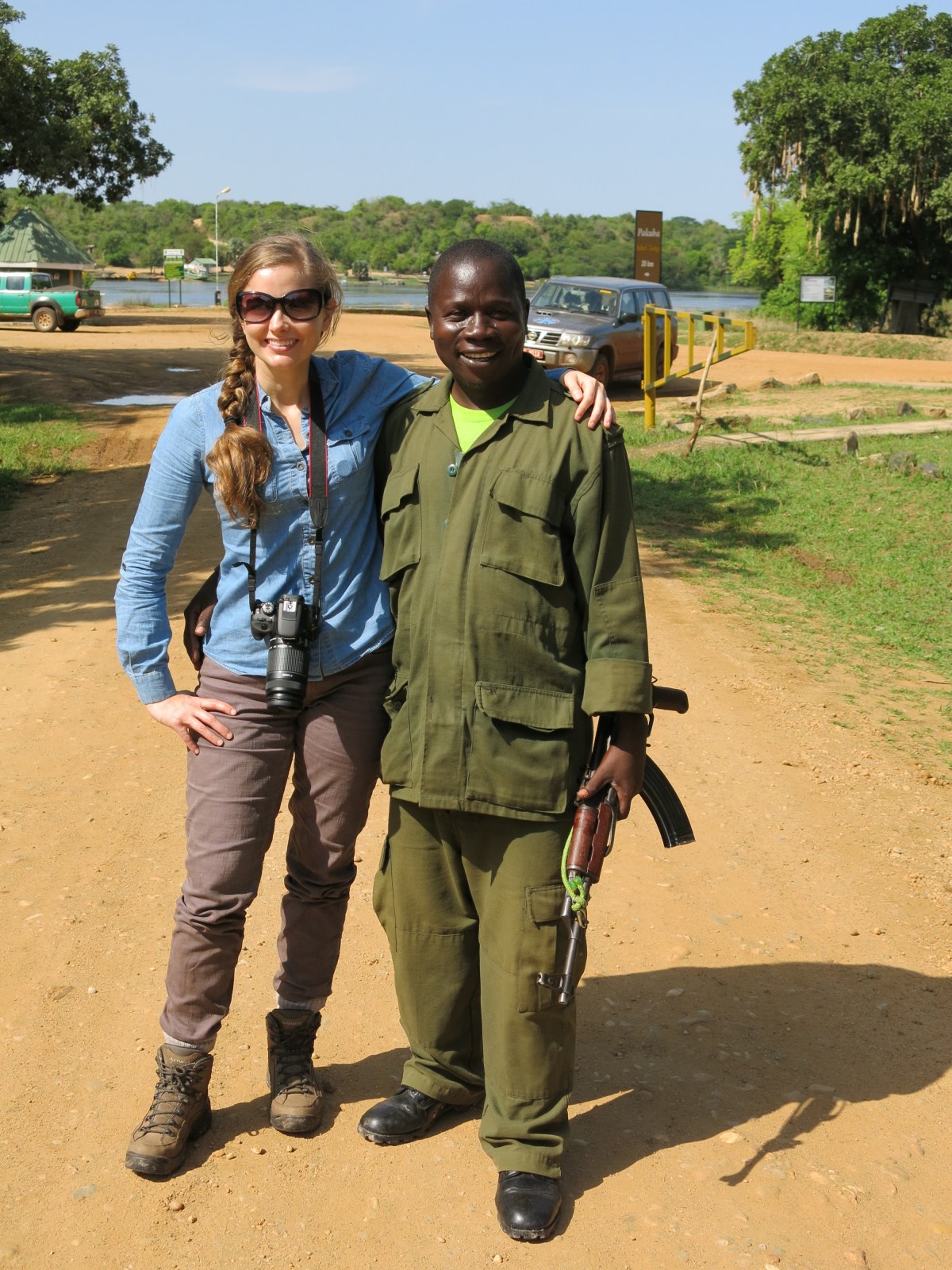
We arrived just in time for an evening game drive and hired a Uganda Wildlife Authority (UWA) park ranger to accompany us into the park. His name was Charles and he wore a dark green uniform with an AK-47 slung over his shoulder.

“What do you want to see?” he asked.

“A giraffe,” I said.

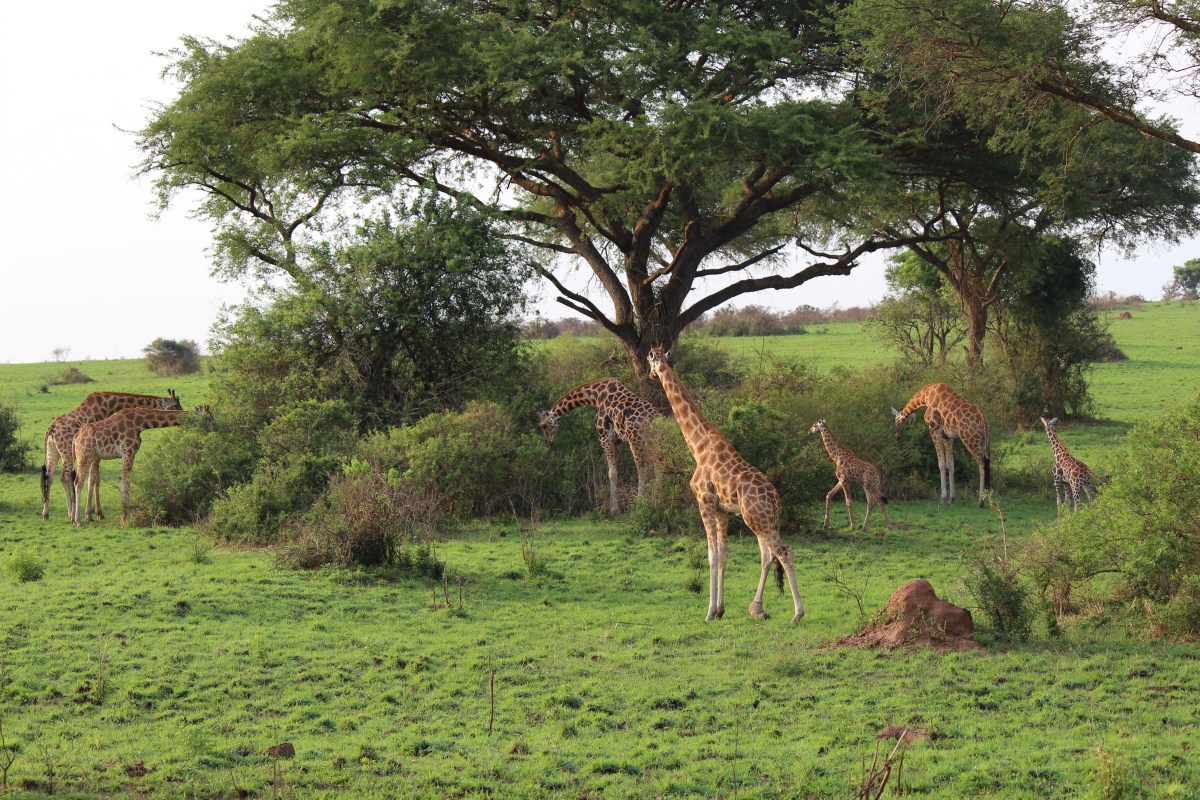
Five minutes into our drive, we saw one. It stood near the road, staring down at us as we took photos, and then crossed the road behind us.

I had imagined that finding the animals would be harder. I had also imagined more tourists. But not at Murchison. We practically had the park to ourselves.

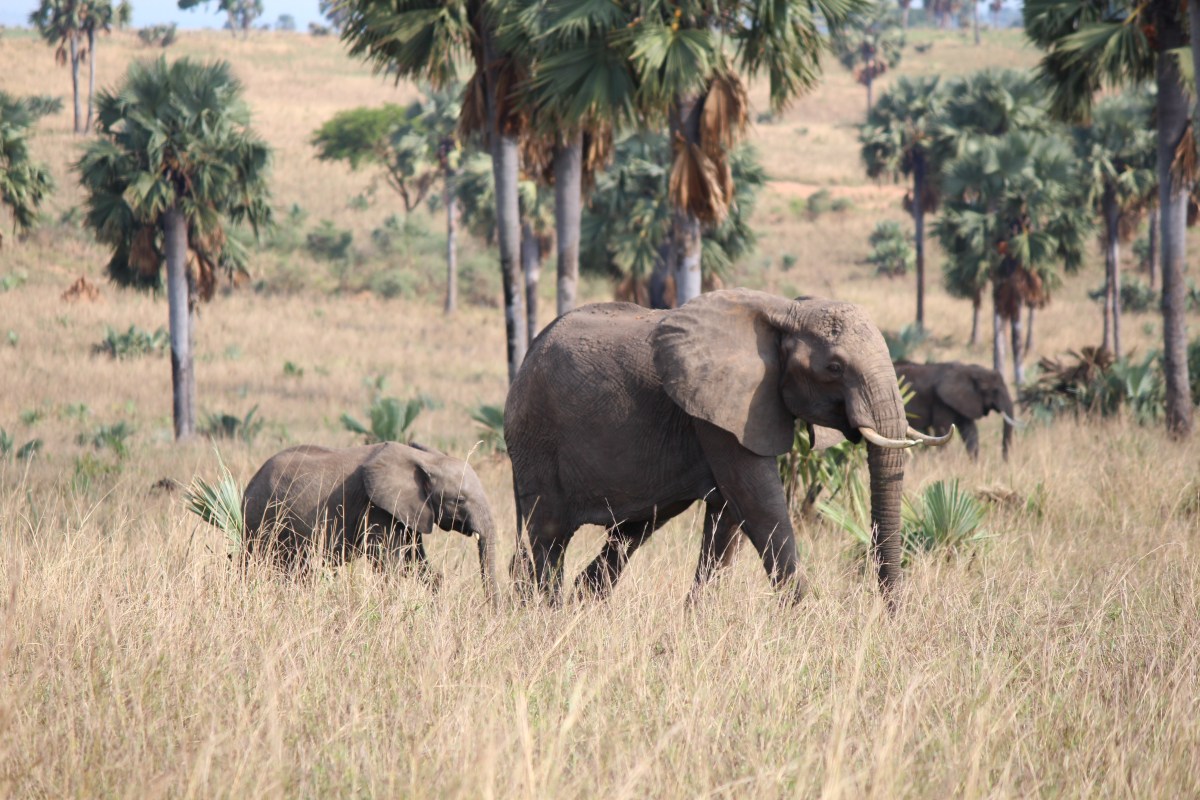
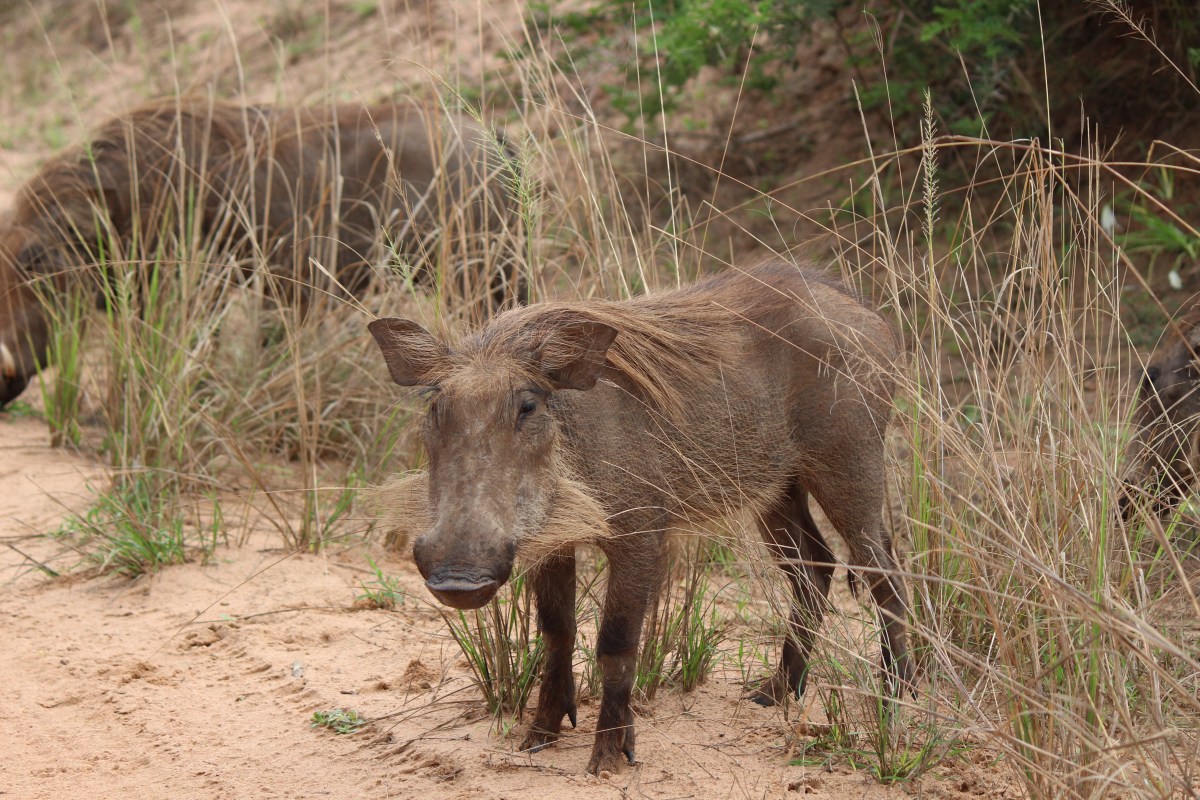
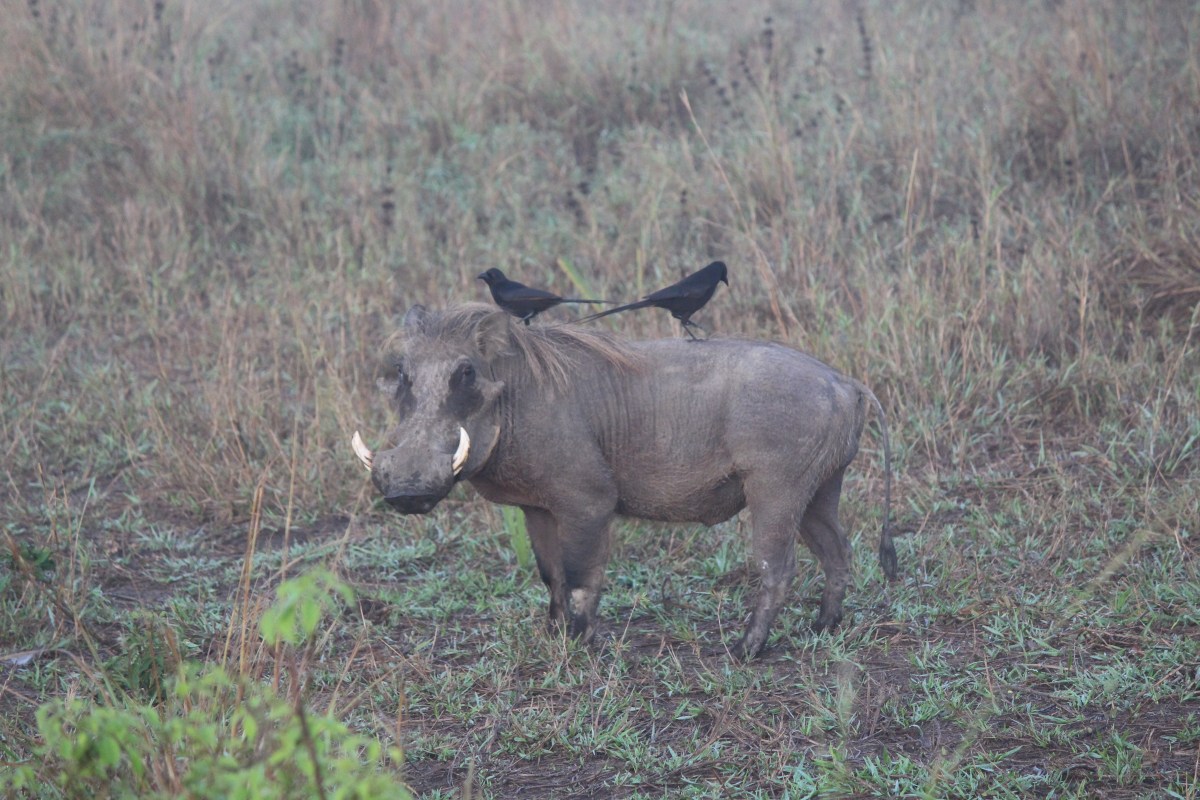
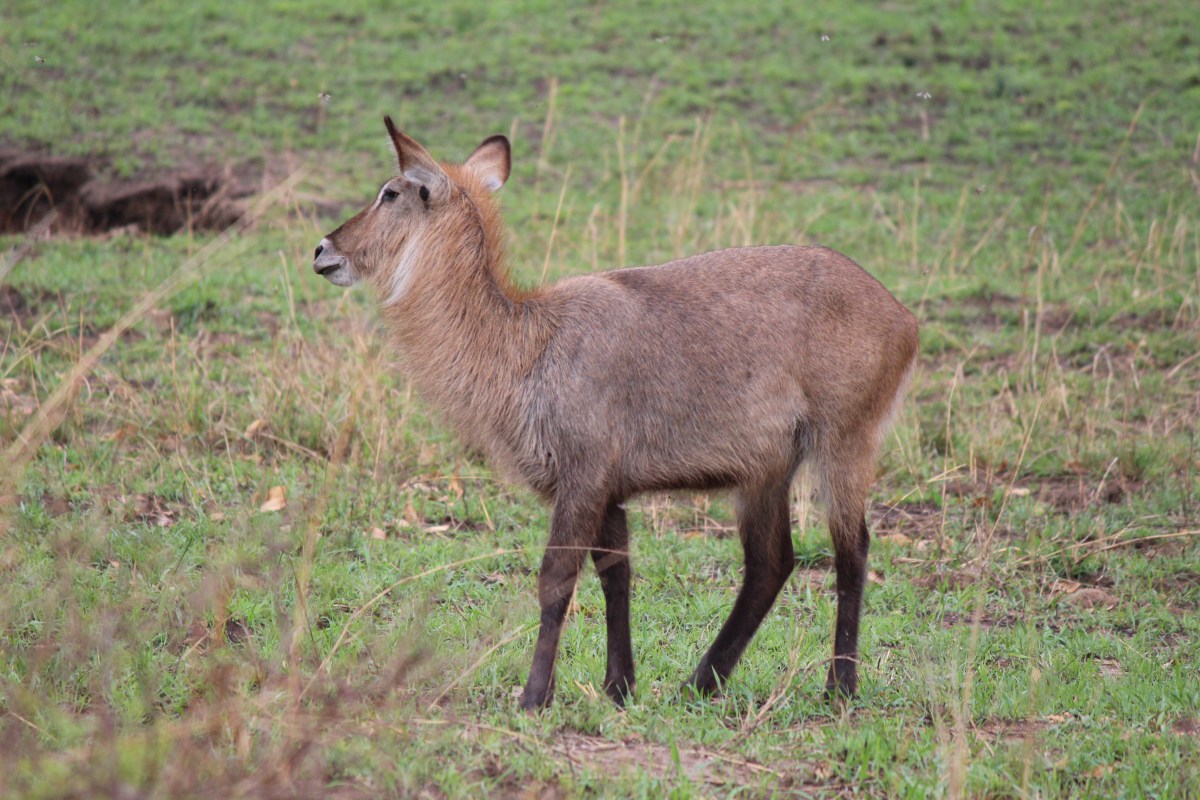
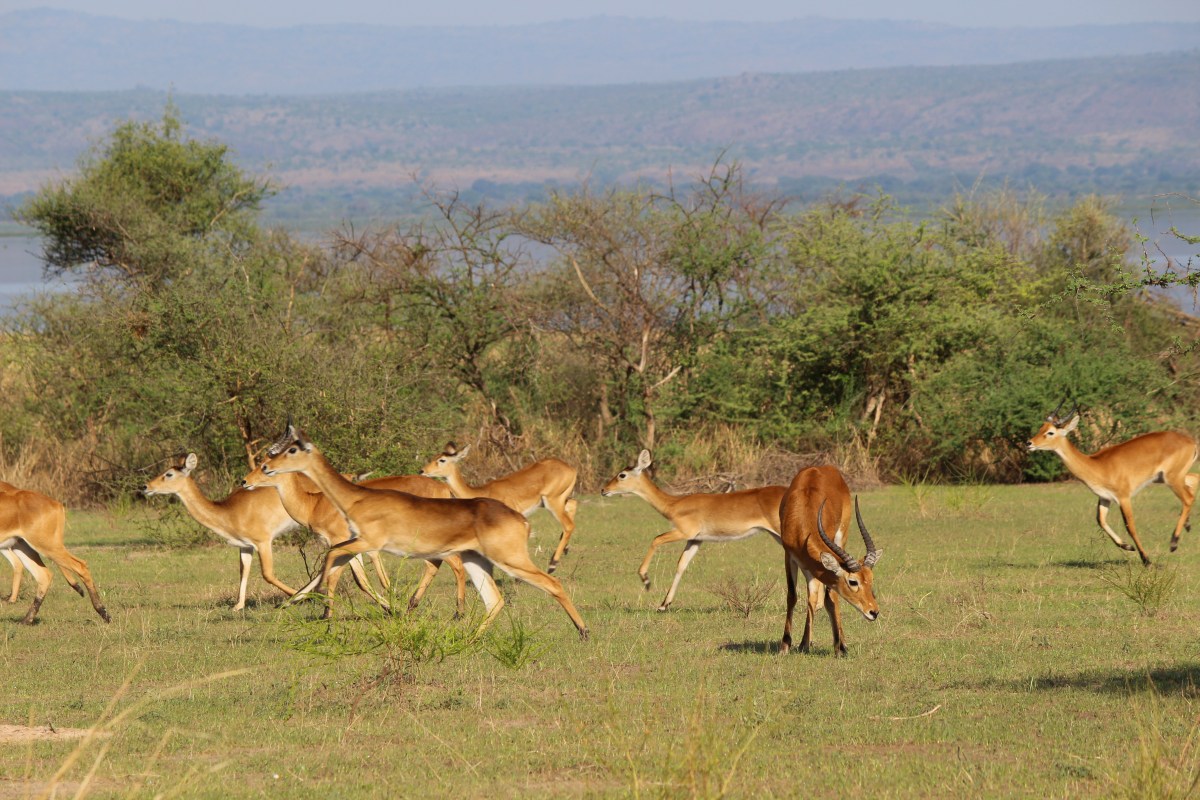
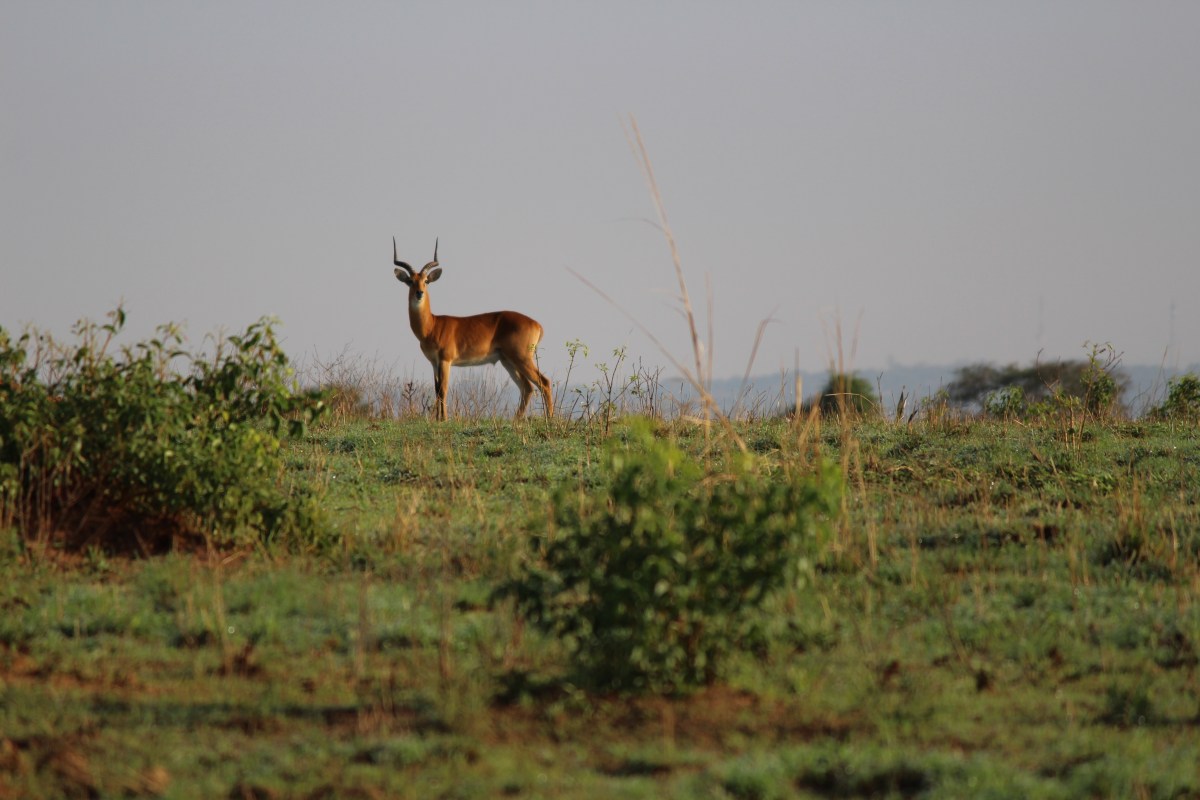
Soon after our first giraffe sighting, we saw the whole shebang: elephants, buffalo, warthogs and several species of antelope including the tiny oribi, the masculine waterbuck, the majestic kob, and the Jackson’s Hartebeest which are apparently just as dumb as they look—after running from lions, the Hartebeest quickly forget about their predators and resume grazing.

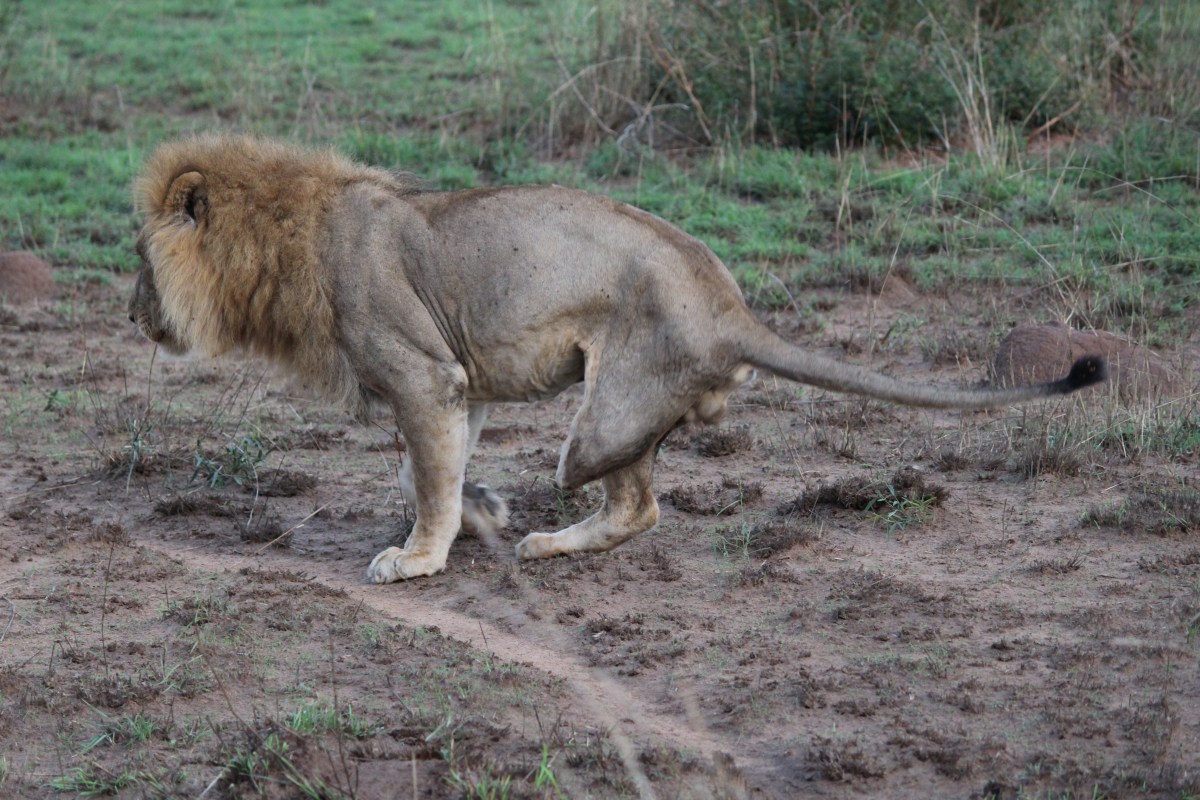
As it grew dark, Charles directed our driver to take a quick detour. We left the main road and began driving toward a tree. I saw something bright red and tan but I didn’t know what it was. Then we stopped and I realized it was a fresh antelope carcass. There was nothing left but a head, legs and an open ribcage. On the other side of the tree was a lion. It was exhausted, panting heavily and too tired to lift its head.

Upon closer inspection, we noticed it was missing a leg, the result of poachers leaving traps in the park, Charles said. We would later see a giraffe with a mangled foot; an open trap doesn’t discriminate.

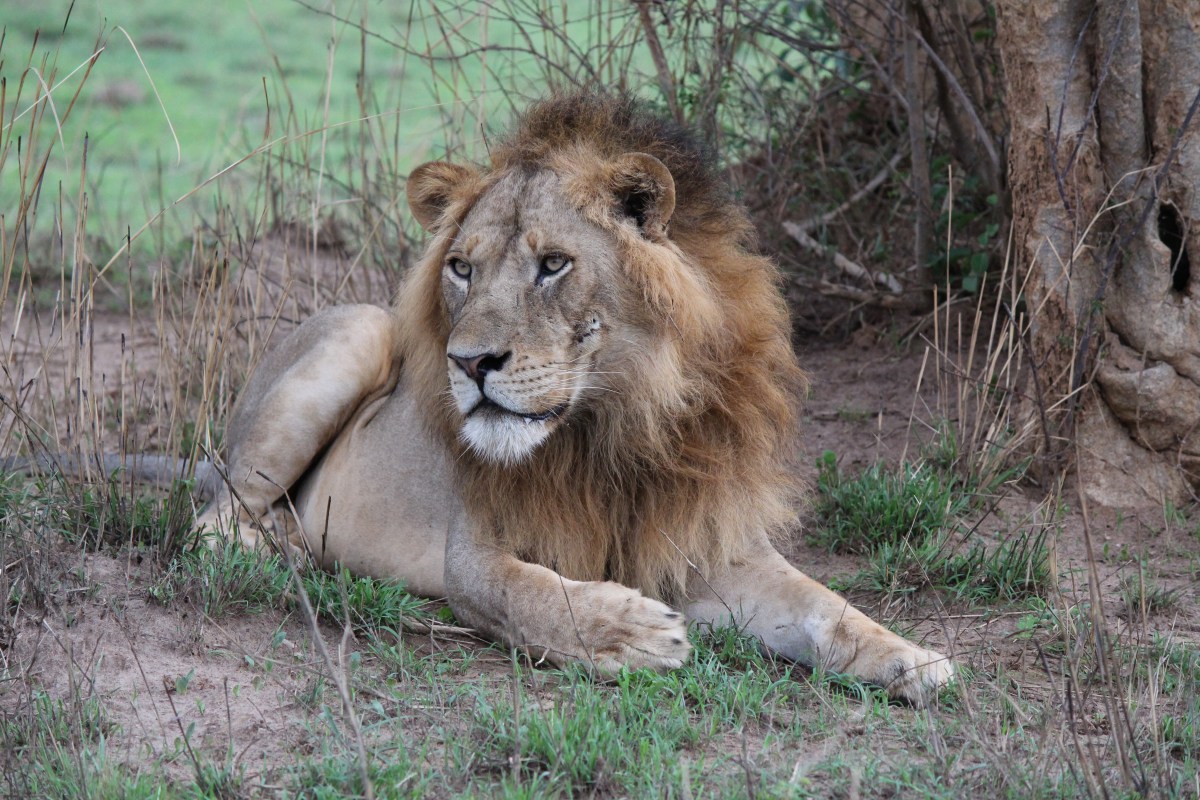
We watched the three-legged lion for a while and then drove to the next tree where another lion was resting. He was attractive with a thick orange mane, the sun setting behind him. He remained still as we crept closer, stopping just 5 meters from him to take pictures from inside the vehicle. Though I had been to zoos many times, it was different seeing animals in the wild, especially seeing the lion’s dinner. Had we come just a bit earlier we might have seen the kill.

Before long it was dark so we concluded our tour and planned to go again at sunrise.

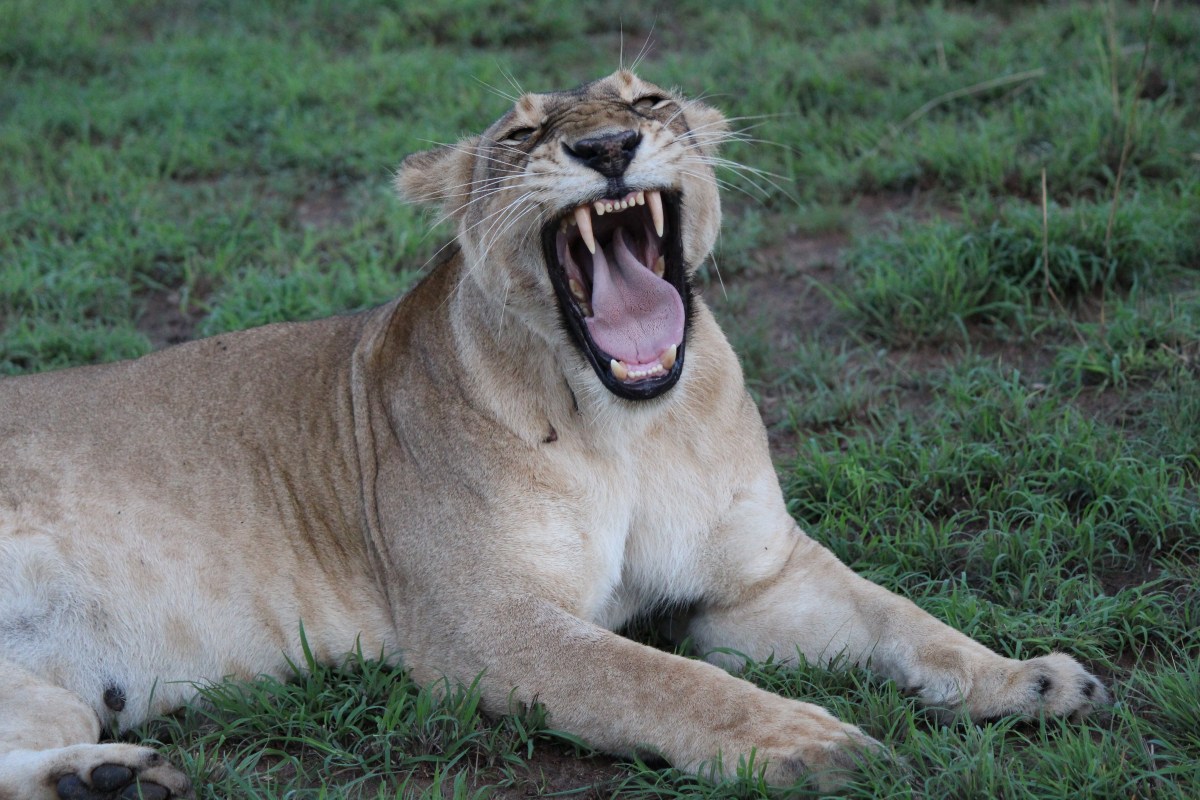
On the second day, we saw the lions again, this time accompanied by a female. Still full from the antelope, they were unbothered by our presence as we drove in circles around them. The female ignored us and licked her paws like a house cat. Then she yawned, revealing her sharp fangs, and made eye contact with me. Her stare was piercing, reminding me that though they were docile now, they were still fierce predators.

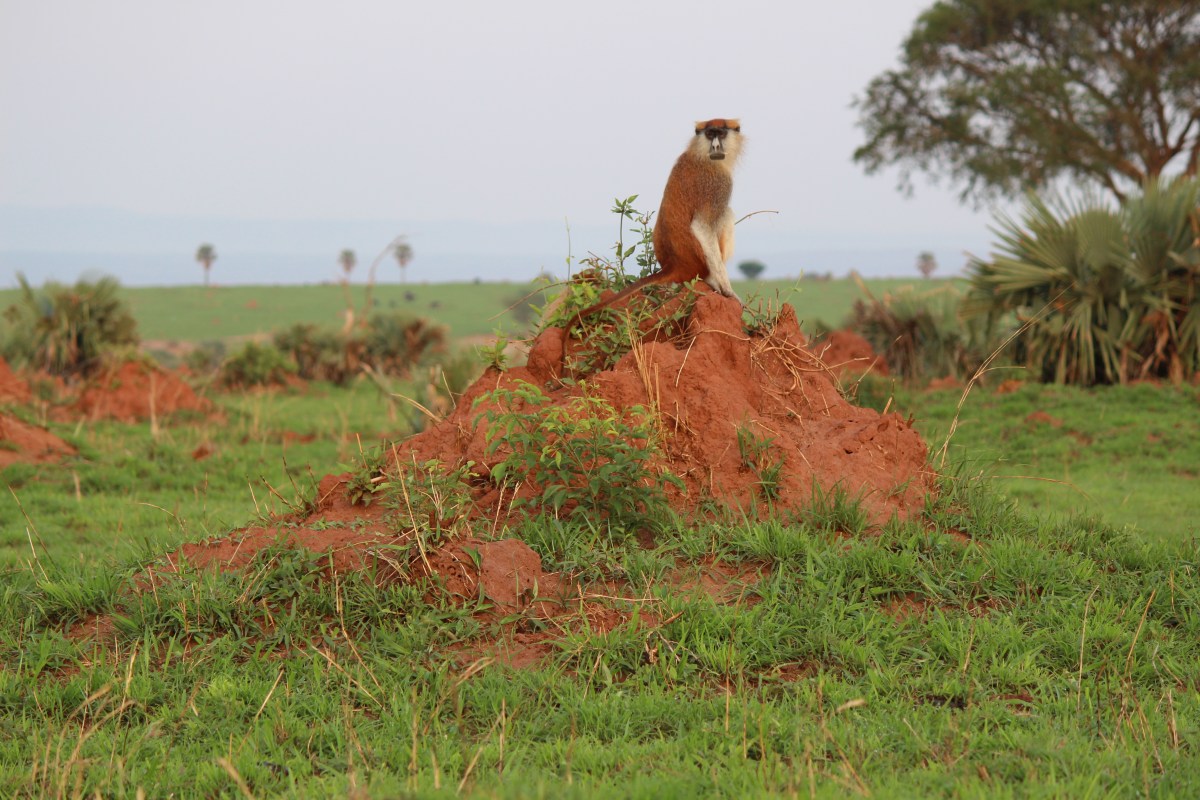
By day’s end, we added hyenas, hippos and patas monkeys to our list. And by the time we left Murchison, after four total game drives, we had seen everything there is to see except for the leopard, which is only seen about once a month.

Though I’ve never been on other game drives, I’m inclined to think Murchison is one of the best. Namely, there’s an abundance of animals without an abundance of people.

Hiring a Ranger
Hiring a ranger is a must. Without Charles, we simply wouldn’t have had the same experience. He knew the trails and knew where to find specific animals. I also felt more comfortable getting out to take pictures since Charles could scare off any threatening animals with his AK. As a ranger, Charles was also allowed to take us off the beaten path and give us a more up close and personal tour.

Another important distinction is that we had rented a vehicle and hired a driver for our entire trip. We could therefore spend as much or as little time as we wanted in each place, and our driver was able to make arrangements for us, like calling to hire Charles for our game drives. We encountered the alternative while inside the park—an enormous bus with tourists baking on the rooftop and clinging to binoculars. It’s unlikely the driver had intimate knowledge of the park, Charles said, because these companies are based hours away in Kampala and Entebbe. They may claim to specialize in places like Murchison, but no one knows the park like the rangers.
Tipping
At the end of our first tour, we paid Charles the 20 or 25 dollar park charge for his services and added a 50% tip. While this percentage seems high, the actual tip was very little considering what we got out of the 3- to 4-hour tour. Apparently, though, this was an extremely generous tip. Charles told our driver he had never seen people tip like us. By the next day, our driver had received several calls from other rangers who wanted to take us on a tour, but we really liked Charles and booked him for all four game drives.
Visiting the Falls
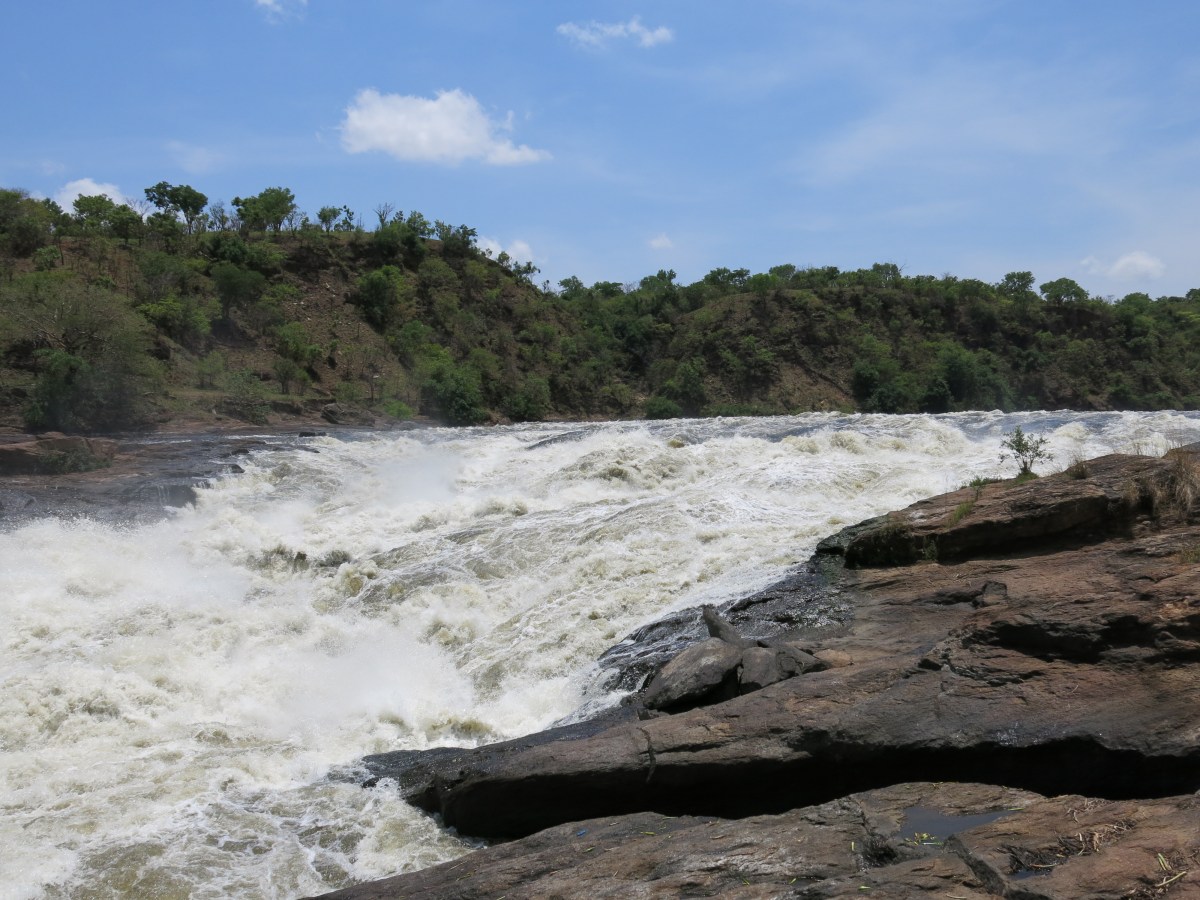
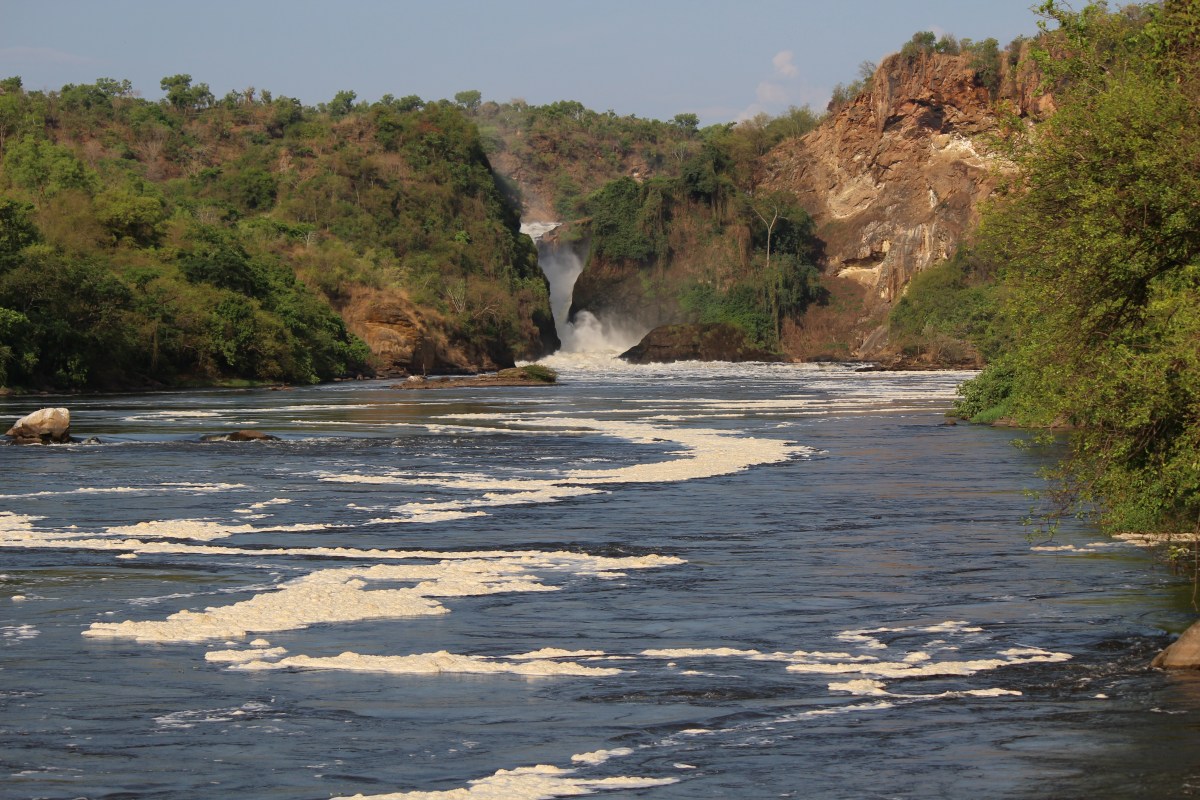
If you want, you can get dangerously close to Murchison Falls, one of the world’s most powerful waterfalls that forces its way through a narrow opening in the rocks and flows into the Nile. The crashing water is loud and violent and there are no guard rails, just a warning spray-painted on the ground. Take this warning seriously as falling in would be certain death.

You can also get an elevated view of the falls if you take a short, steep hike nearby. It’s definitely picture-worthy, but it’s also very hot with tons of tsetse flies (which hurt like hell, I’m told, and spread dengue).

Where to Stay
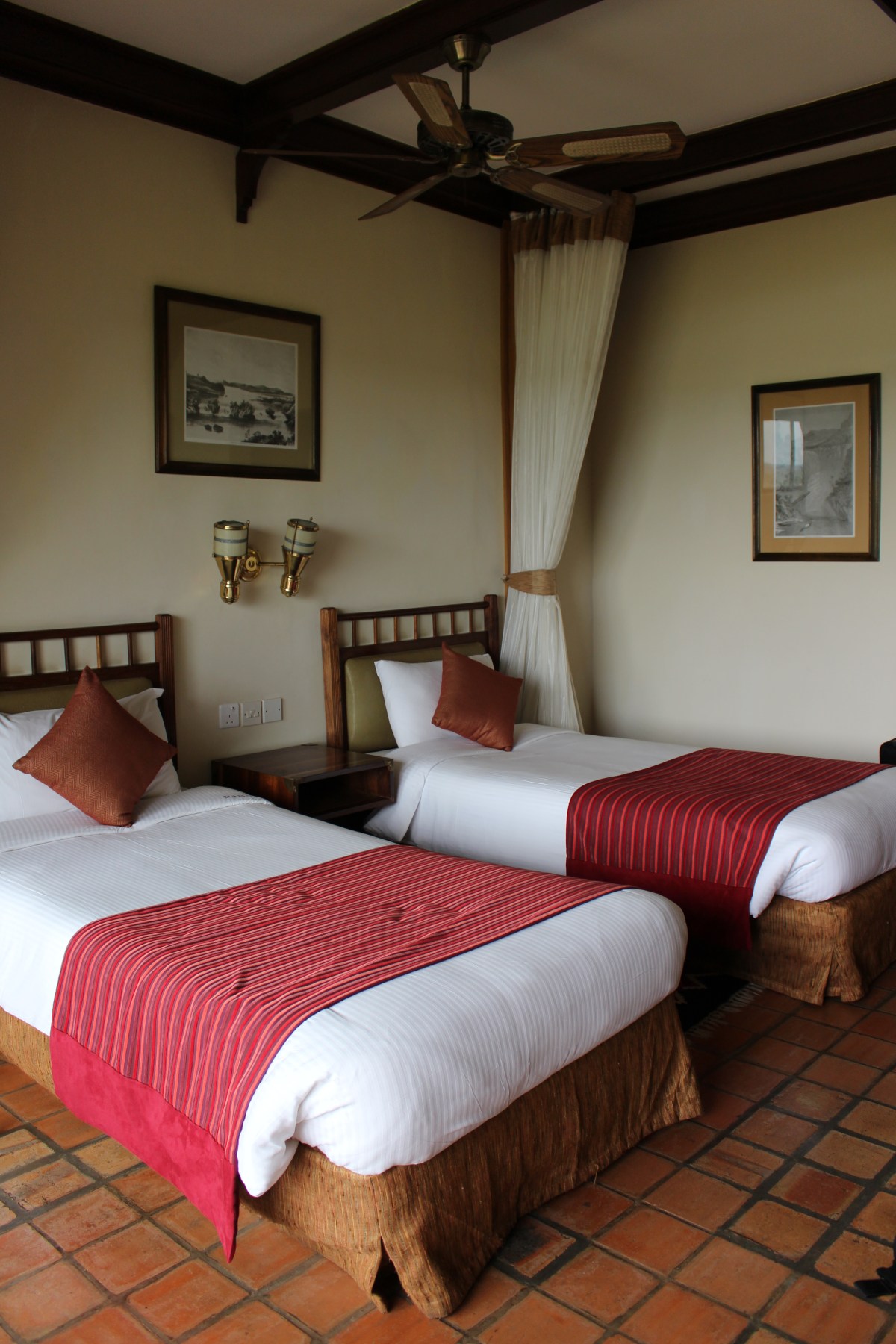
While a bit pricy, Paraa Safari Lodge is located within the park, making it ideal for early morning game drives. The lodge is also nicely decorated, making you feel like an old-timey explorer. The food is good, the rooms overlook the Nile, and the staff is very gracious—with the exception of the ladies at the front desk who can be a bit cold and reluctant.

Paraa Lodge Boat Tour
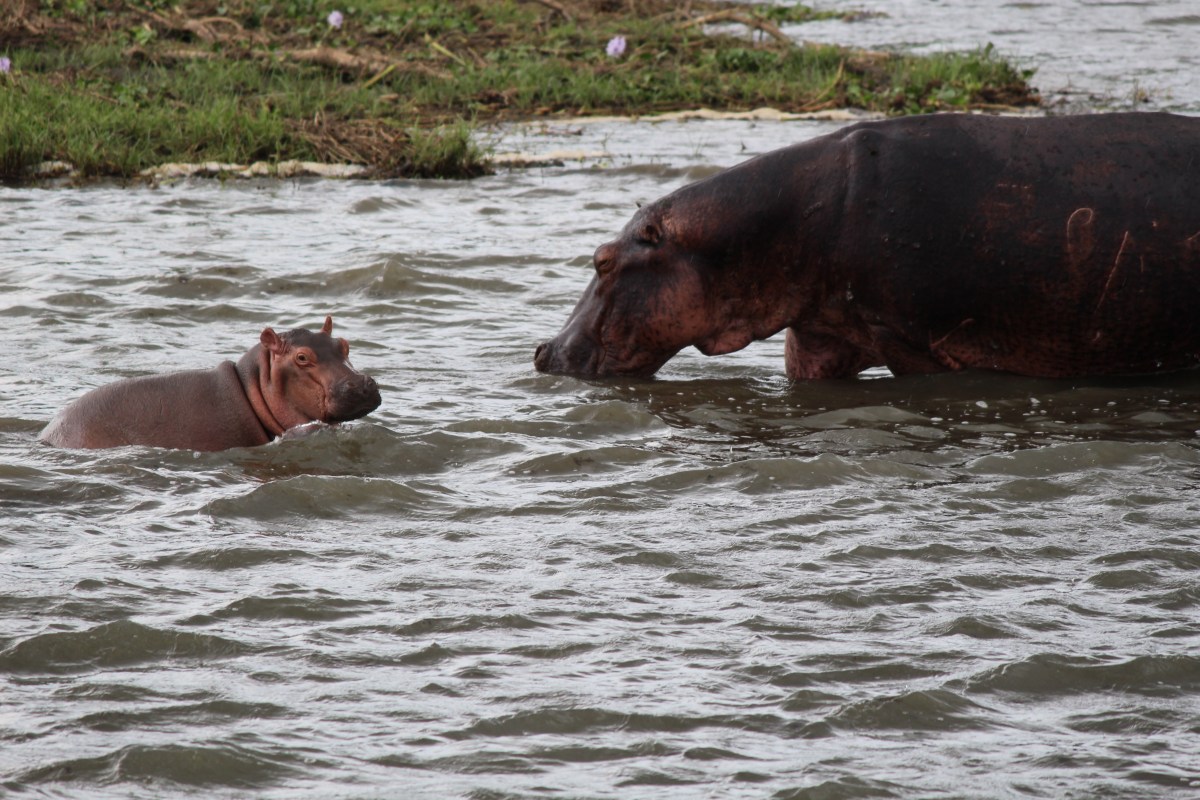
Paraa Lodge offers a 3-hour boat tour down the Nile to see Murchison Falls. Along the way we saw a few crocs, some elephants and warthogs, and loads of hippos in the water. We also experienced one of Africa’s infamous freak storms. Halfway to the falls, we had to dock the boat due to strong winds and golf ball–sized hail. After half an hour, we were cold and wet. But at least we had Nile beers to drink—an American-style lager brewed in Jinja, Uganda—that we purchased from the bar onboard.

Then we resumed toward the falls and stopped for a few minutes when we reached a tiny island in the middle of the river. Here, there’s a great postcard-worthy photo op. Just hop off the boat, climb a bolder and have someone take your photo with the falls behind you.

Stephanie and Charles
Giraffes at Murchison Falls National Park
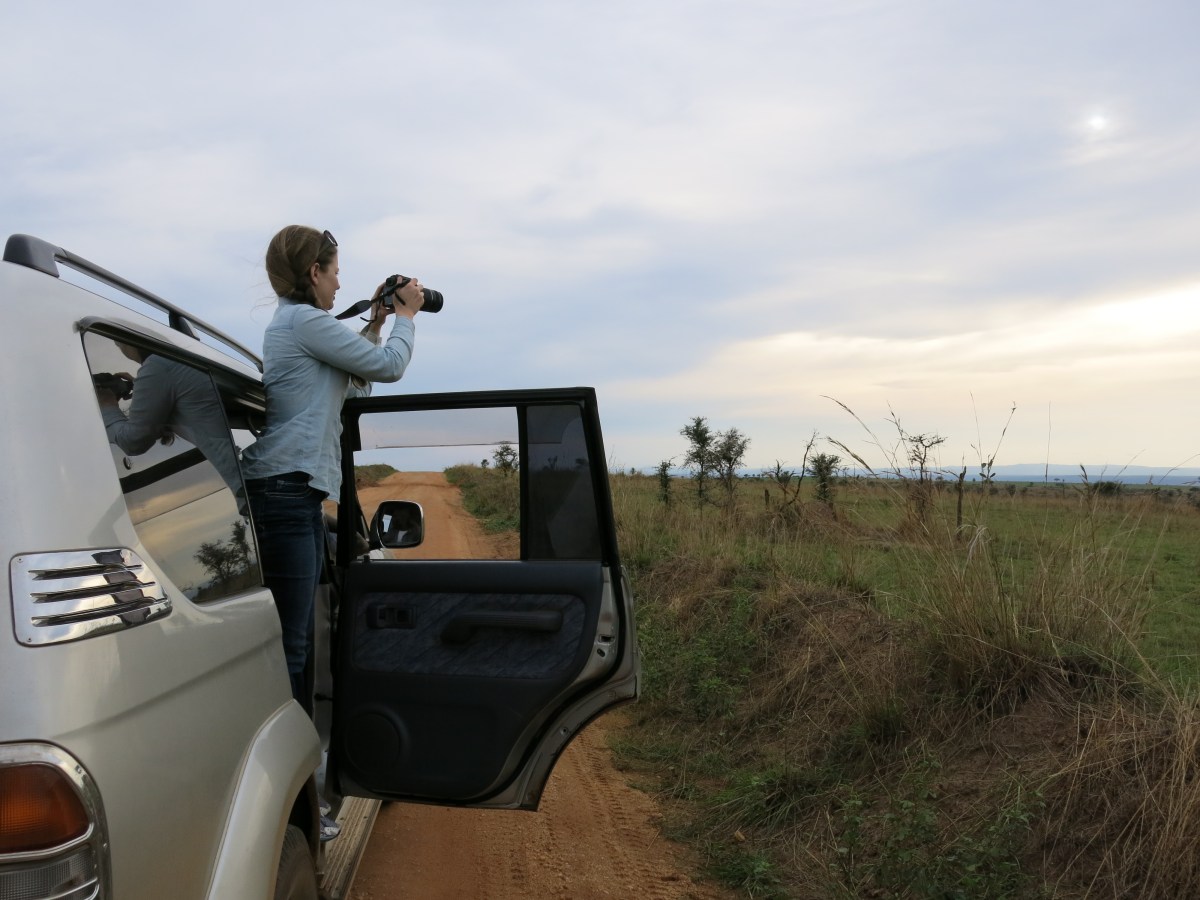
Taking pictures at Murchison Falls National Park
Elephant at Murchison Falls National Park
Elephants at Murchison Falls National Park
Warthog at Murchison Falls National Park
Warthog at Murchison Falls National Park — my favorite animal from the trip!
Baby warthogs at Murchison Falls National Park
Baby warthogs at Murchison Falls National Park!
Warthog and friends at Murchison Falls National Park
Muddy warthog and friends at Murchison Falls National Park
Thorny bush at Murchison Falls National Park
Lilies at Murchison Falls National Park
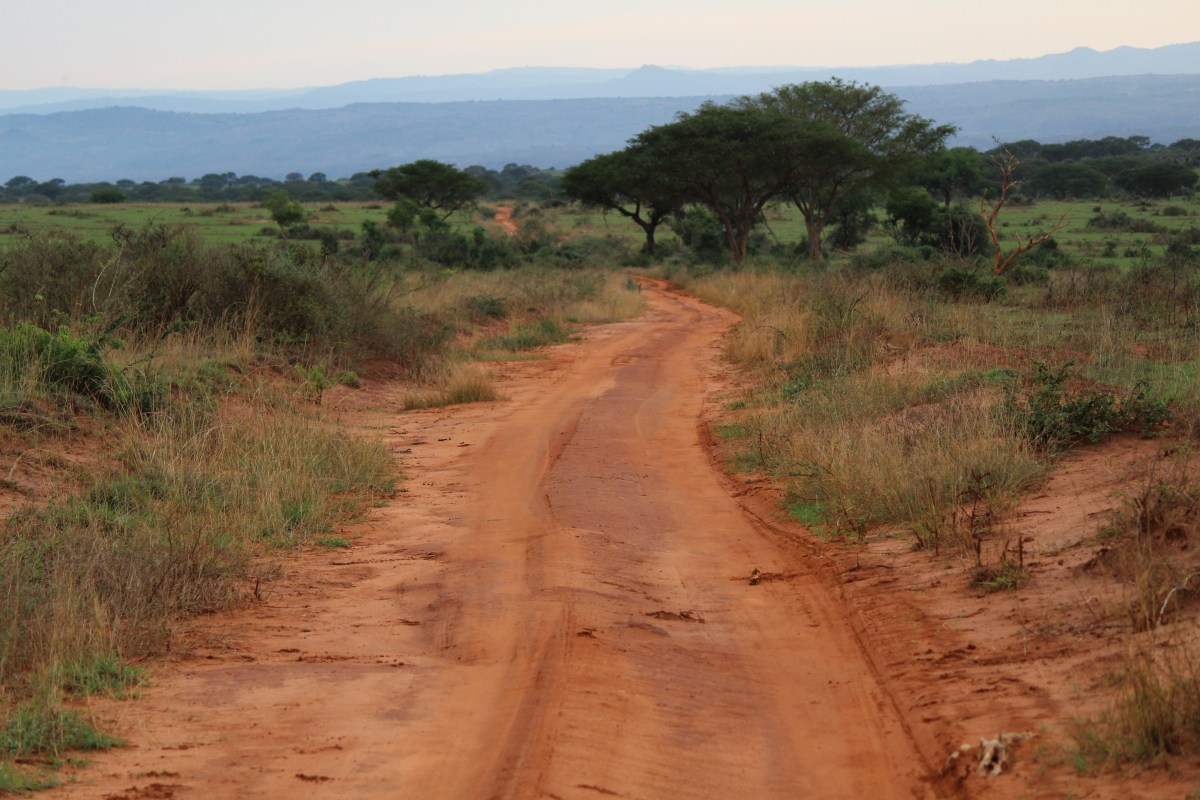
Game drive at Murchison Falls National Park
Oribi at Murchison Falls National Park
Waterbuck at Murchison Falls National Park
Ugandan kob at Murchison Falls National Park
Jackson's Hartebeest at Murchison Falls National Park
Jackson’s Hartebeest at Murchison Falls National Park
Taking pictures at Murchison Falls National Park
Lion at Murchison Falls National Park
Ugandan kob at Murchison Falls National Park
Lion's dinner at Murchison Falls National Park
Lion’s dinner at Murchison Falls National Park
Three-legged lion at Murchison Falls National Park
Taking pictures at Murchison Falls National Park
Lioness at Murchison Falls National Park
Hyena at Murchison Falls National Park
Patas monkey at Murchison Falls National Park
Ugandan kob at Murchison Falls National Park
Sunrise at Murchison Falls National Park
Game drive at Murchison Falls National Park
Buffalo at Murchison Falls National Park
Murchison Falls
Murchison Falls
Taking pictures at Murchison Falls
Murchison Falls
Murchison Falls
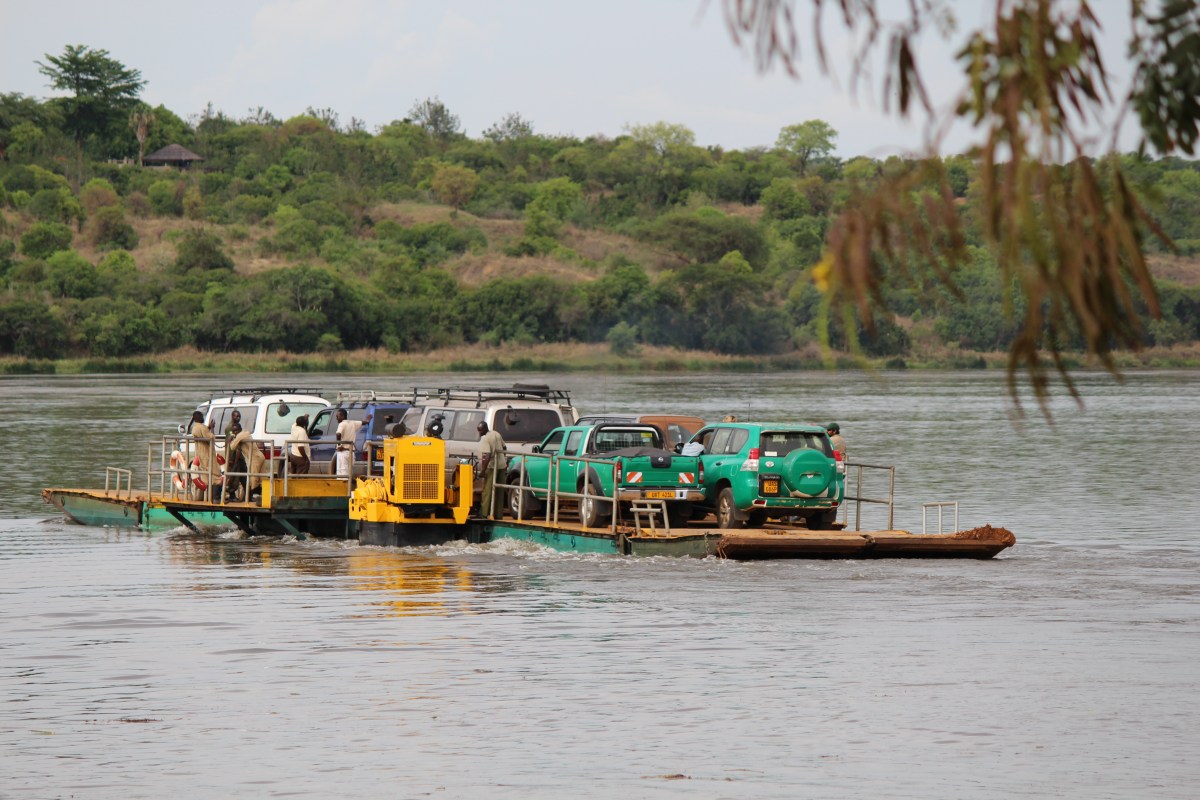
Ferry to Paraa Safari Lodge at Murchison Falls National Park
Crossing Nile to Paraa Safari Lodge in Murchison Falls National Park
Taking ferry to Paraa Safari Lodge in Murchison Falls National Park
Paraa Safari Lodge
Paraa Safari Lodge
Paraa Safari Lodge
Paraa Safari Lodge
Paraa Safari Lodge
Paraa Safari Lodge
View of Nile from Paraa Safari Lodge
Hail storm on Paraa Lodge Boat Tour
Waiting out the storm with a Nile on the Nile!
Hippos on Paraa Safari Lodge Boat Tour
Murchison Falls from Paraa Lodge Boat Tour
Paraa Lodge Boat Tour to Murchison Falls


Gulu, Uganda

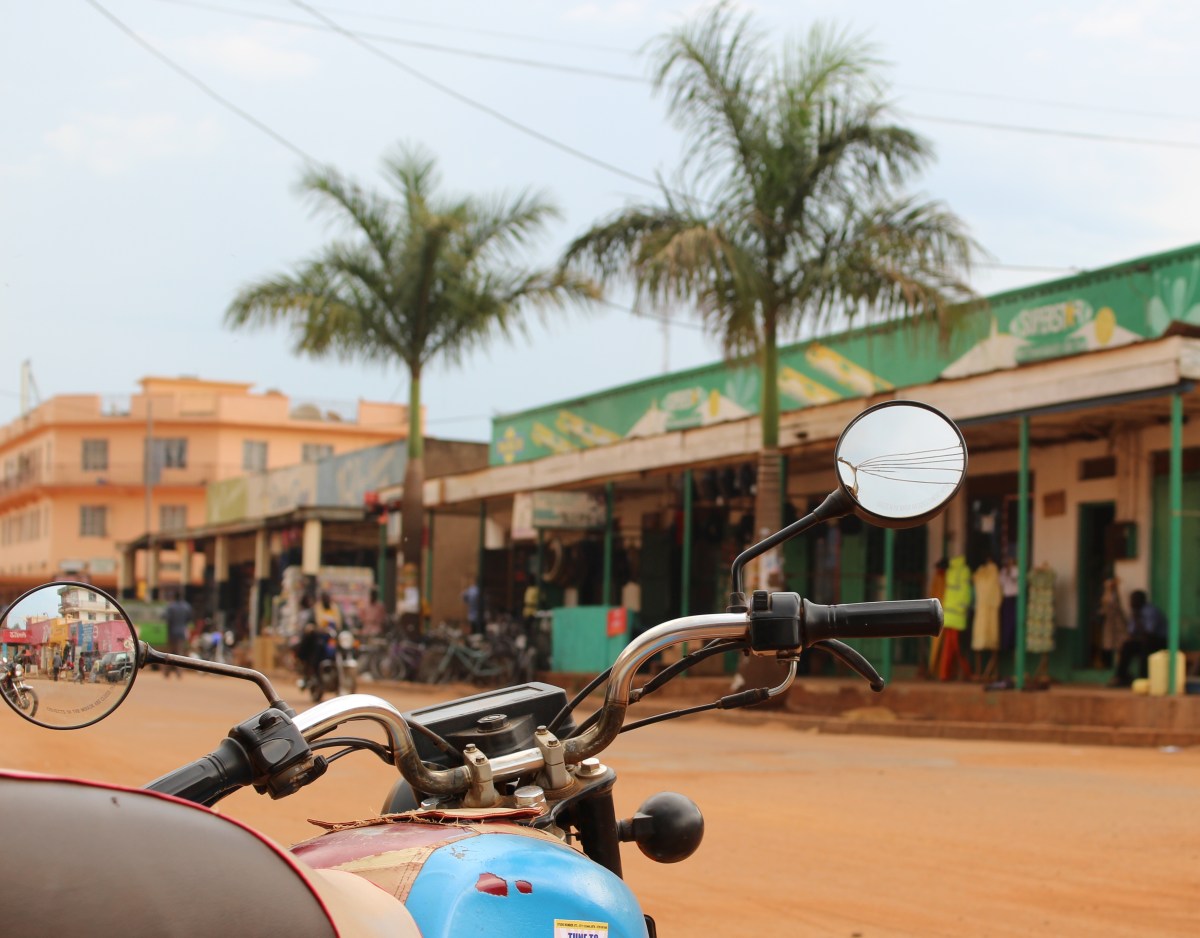
As we drove through Uganda, it was impossible to go unnoticed. Children walking to and from school wearing freshly pressed and brightly colored uniforms would turn and yell “Muzungu!” as we drove by in our SUV. They smiled and waved, and I waved back.

I had read about the term, used to refer to white people, but I didn’t expect it to have such an impact. It made me feel welcome, more connected to Uganda, and I wanted to reciprocate that feeling.

When there were just a few children around, we would stop and offer candy and fruit. It was a small gesture—my way of saying hello in return. Some of the children were overjoyed, so I stocked up on lollipops at the gas station.

In a more impoverished area, we stopped for just a moment near a small collection of homes, and a dozen children ran toward our vehicle. I handed the lollipops through the window to their outreached hands. And while I felt I was doing something nice, it was also quite sobering. Each lollipop cost half a day’s wage for this area. Our driver, Henry, said our visit would be the talk of the village for weeks.

But things were different in Gulu, a northern town where just a decade ago, children would leave their villages at night and gather to avoid being captured by Joseph Kony’s army. In Gulu, there is now an abundance of Western aid workers, allowing us to blend in with the crowd.

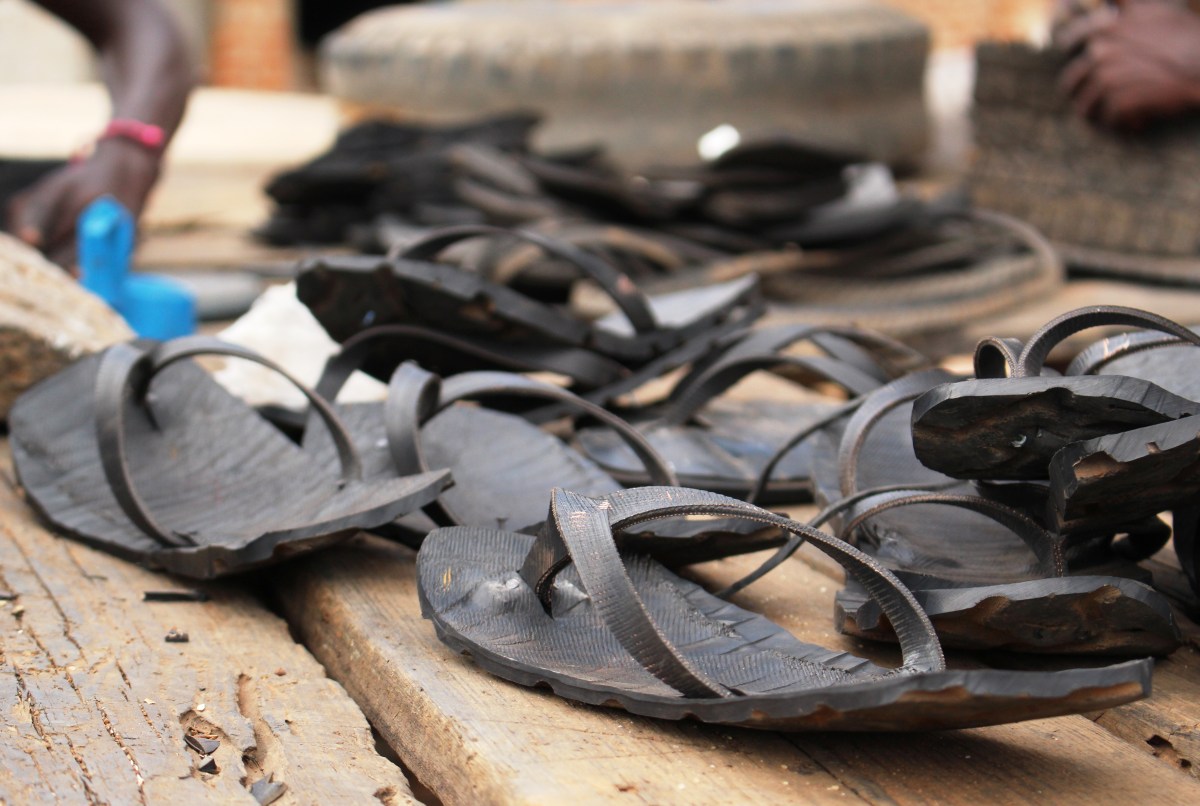
After touring the colorful downtown and visiting a modern grocery store to buy ginger beer and banana cookies from Kenya, we went to an outdoor market with local goods. In the far corner, men were making sandals out of used tires. One man made the soles, carving the rubber into the desired shape and thickness, while another man secured the straps with a small hammer.

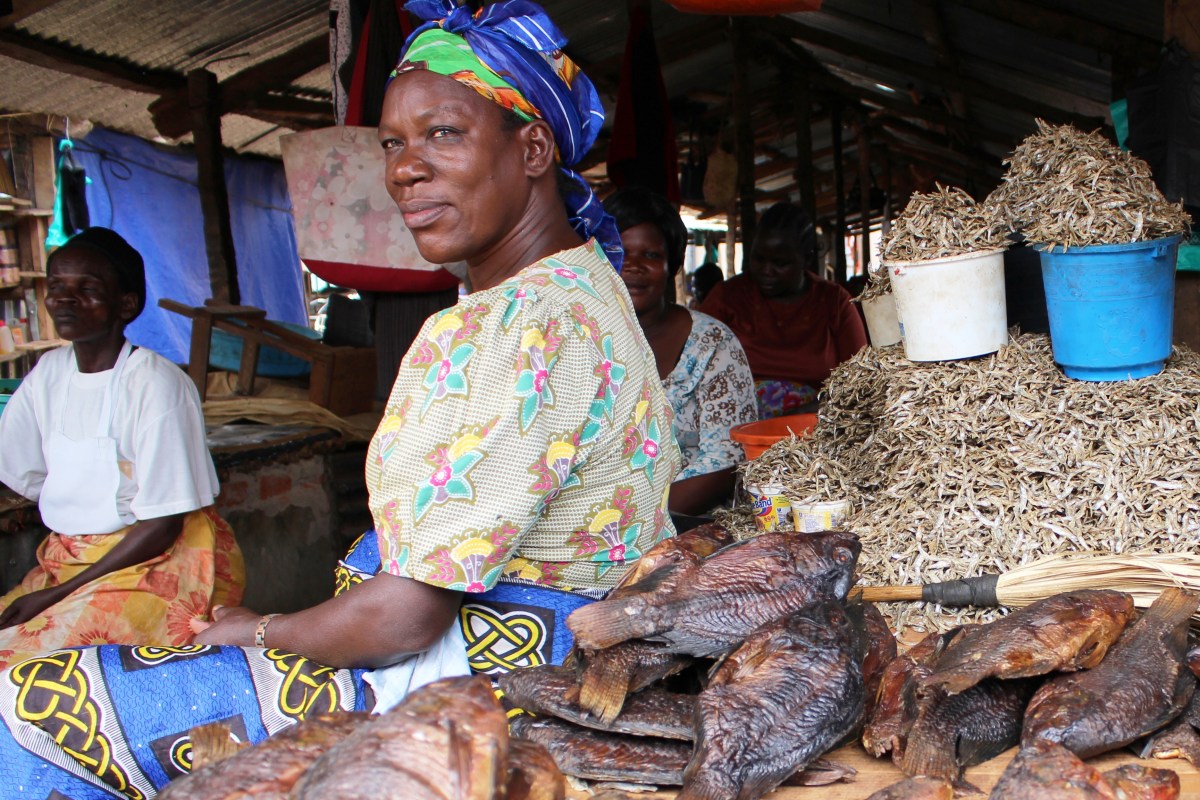
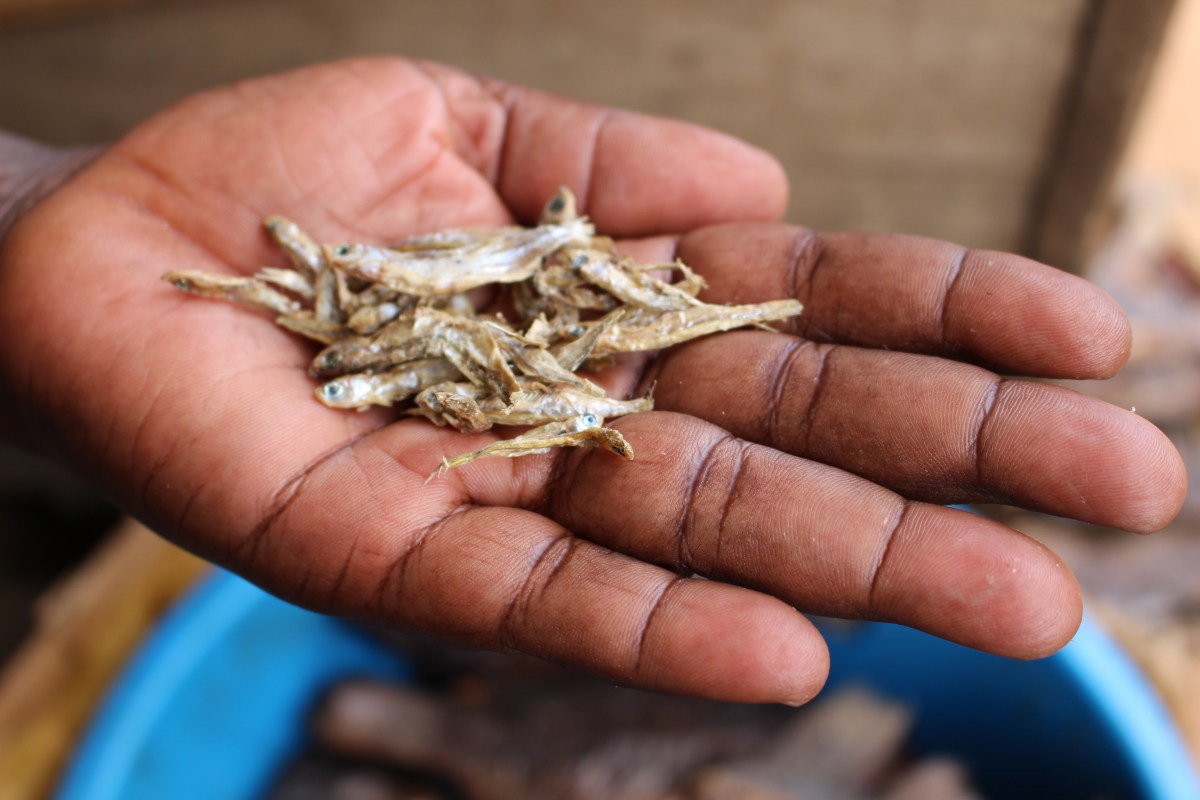
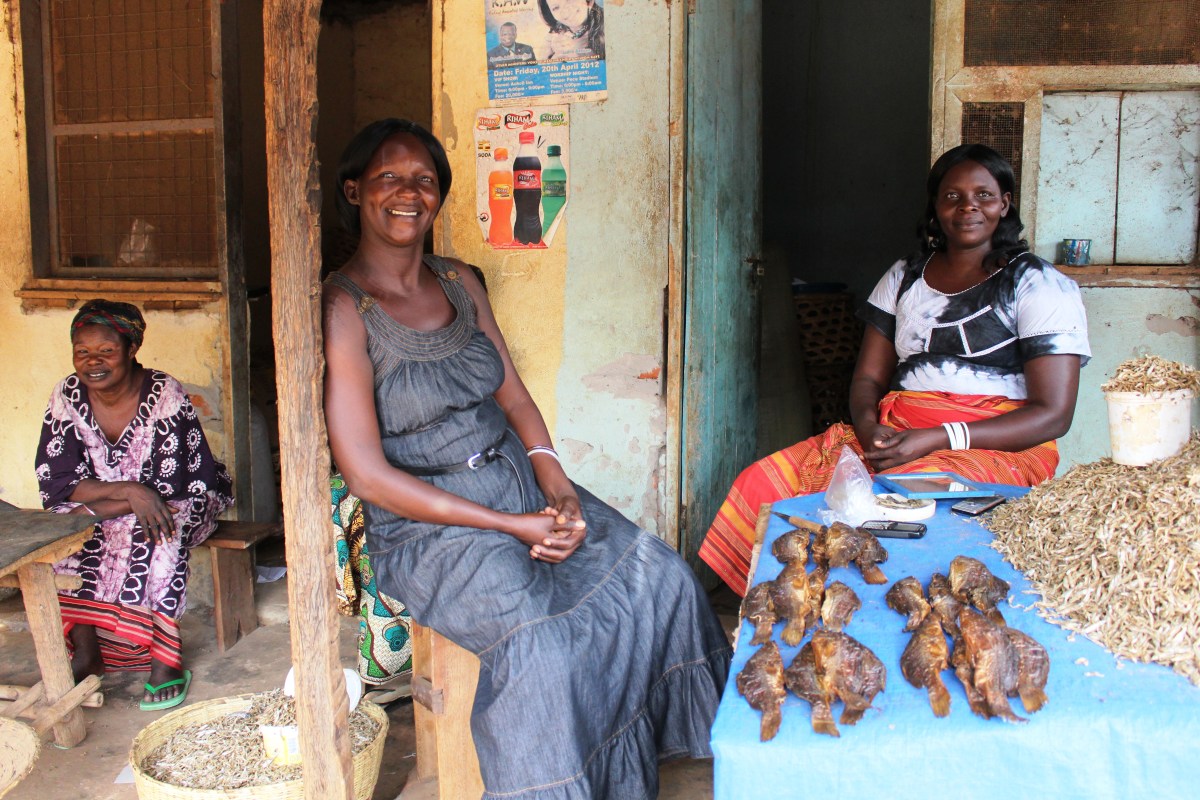
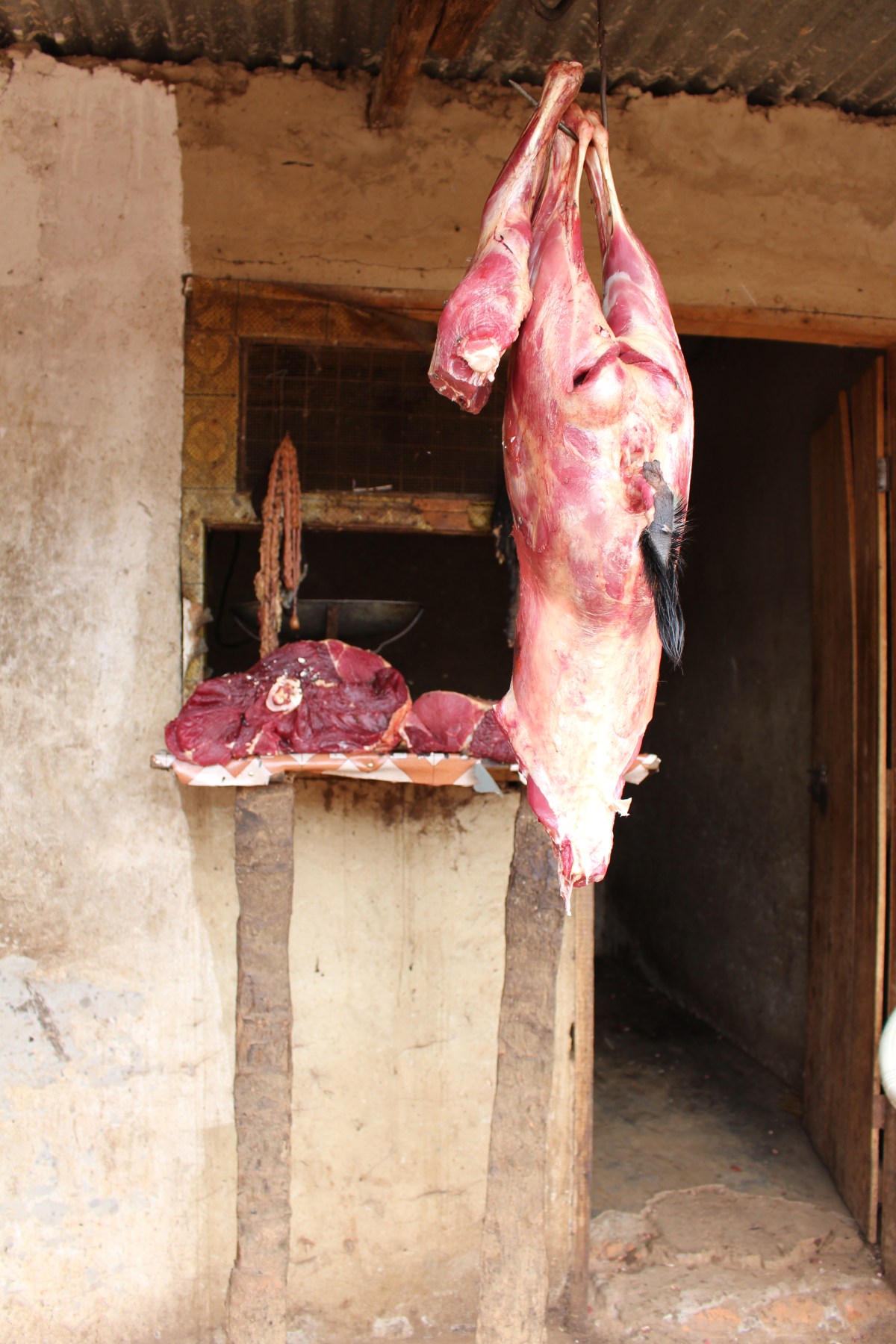
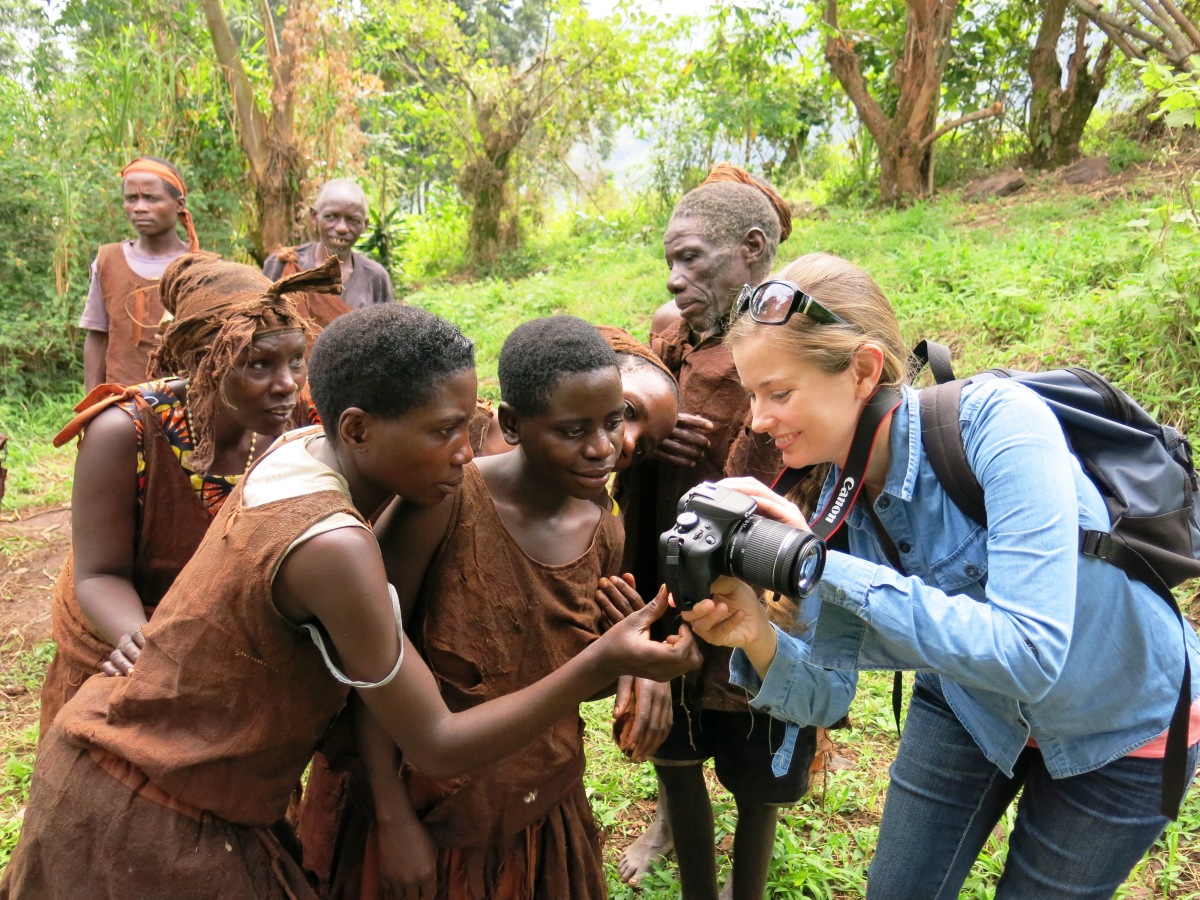
In another corner, a goat carcass hung in a butcher’s stall and women sold cassava and dried fish. I asked the women if I could take their photos. They posed, proud and beautiful, and then asked to see themselves in the camera. I showed them the camera display, and some asked for a printout. I was surprised and felt bad that I couldn’t grant their request. Not only was I unsure of how to develop photos in Uganda, but I was leaving Gulu the next morning.

I took more photos of the market and decided to buy something before I left. I chose a hand-carved bow with arrows, which the locals found amusing. Apparently, this is the weapon of choice for poor people who must hunt. While the bow didn’t make it back home, the arrows made a unique souvenir.

Copyright © 2016 Fortuitous Travel. All rights reserved.


Anti-war mural at the Pece Stadium, Gulu 

Pece Stadium
Downtown Gulu
Gulu Gulu
Local market, Gulu
Gulu Market Gulu Market Gulu Market Gulu Market Gulu Market Gulu Market Gulu Market
Butcher shopGulu Market Gulu Market

The Batwa Experience Near the Bwindi Impenetrable Forest, Uganda

On my fourth day in Uganda, I visited the Batwa pygmies just outside the Bwindi Impenetrable Forest. They are notorious for their small stature—4’9” and shorter—and this was the only thing I knew about them. Initially, I feared the experience would be like the episode of An Idiot Abroad when Karl Pilkington visits a dwarf village in China prompting discussion of whether such experiences are exploitative.

Fortunately, the experience was a positive one. The Batwa welcomed us, knowing we were there to learn about their culture and to support them. Our guide, Levi, walked us through the village discussing how the Batwa are adapting to a new way of life. Though the Batwa had dwelled in the Bwindi Forest for millennia, they were evicted by the Ugandan government in 1992 when the forest was turned into a national park. Now, the Batwa struggle to adapt to the demands of modern society while trying to maintain their history and culture. Already, they have lost their traditional language.

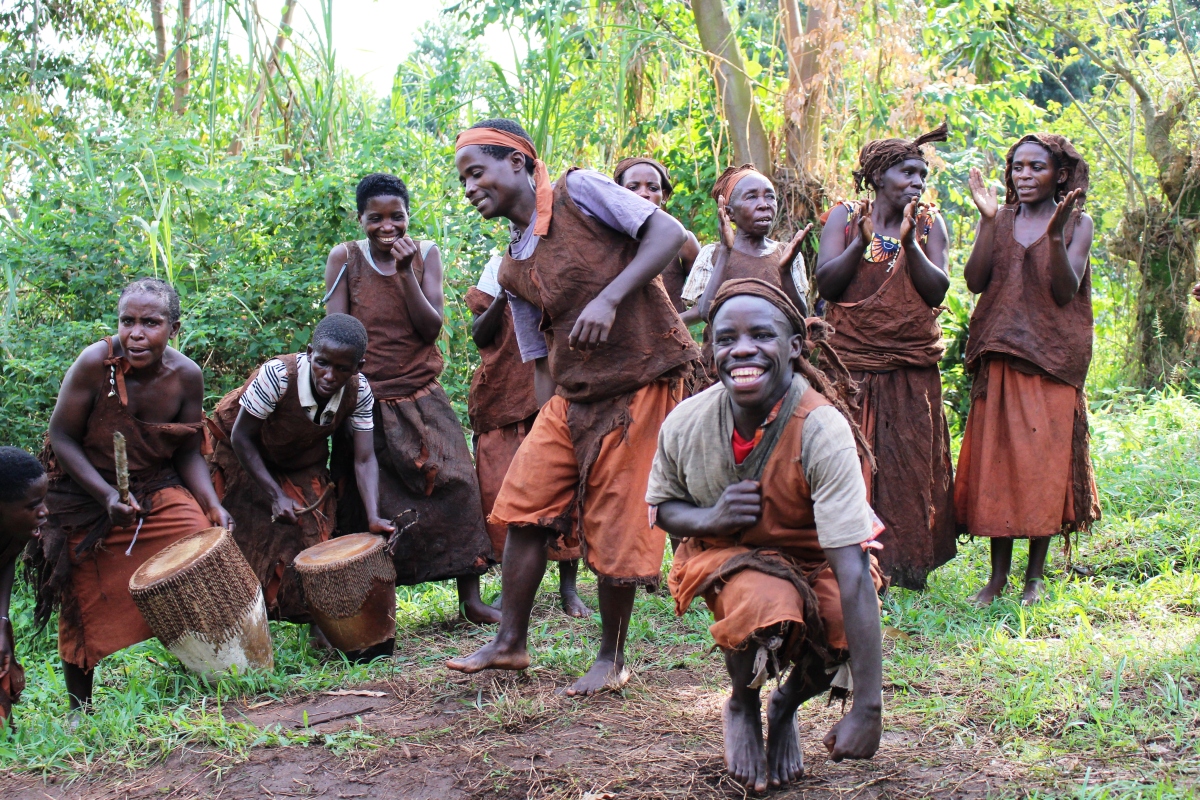
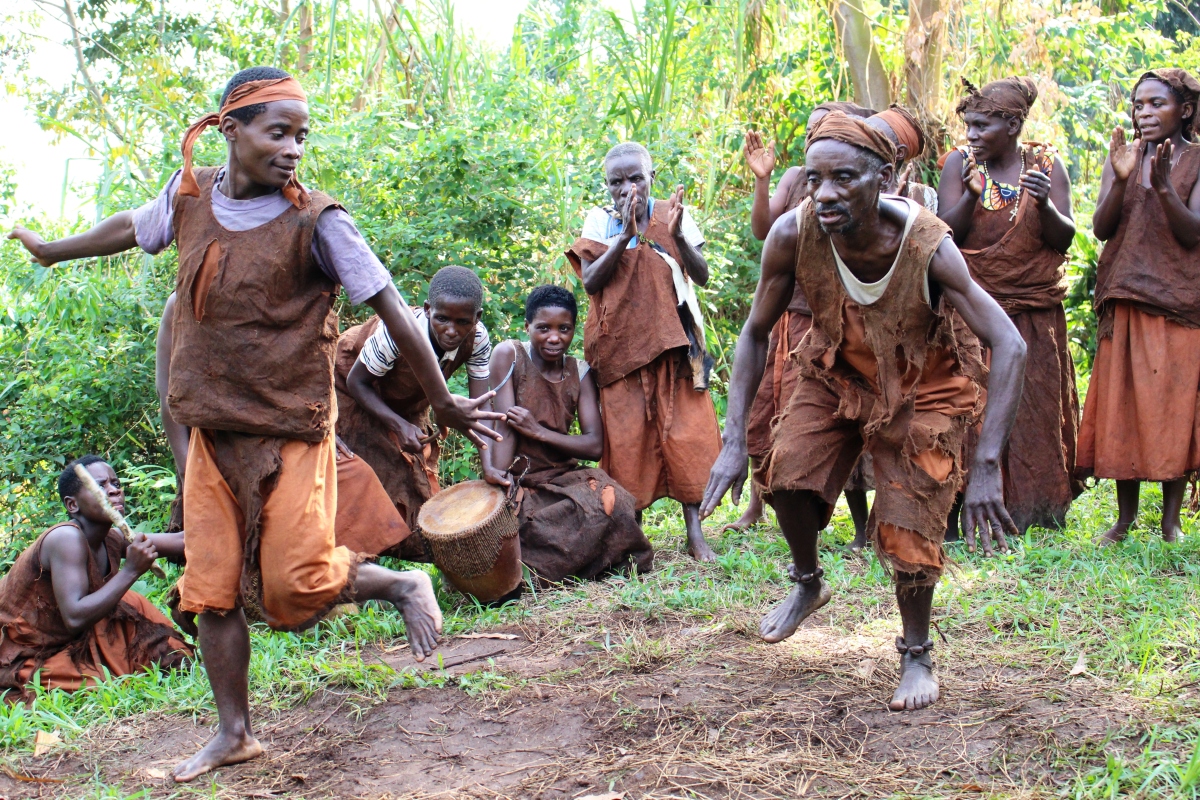
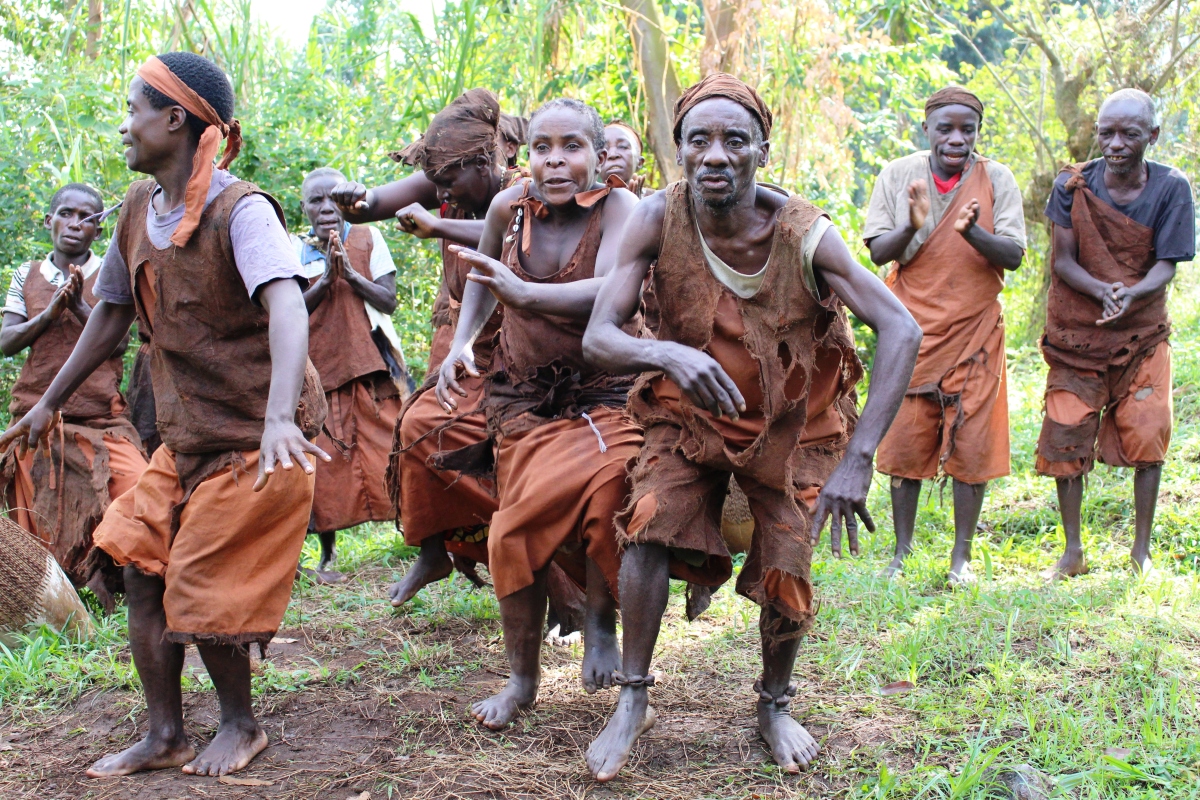
We were led to an outdoor stage where Levi introduced us to the Batwa. We took a seat on wooden benches as they gathered in a semicircle, some carrying instruments. My husband then stood and introduced us and Levi translated. Then the Batwa entertained us with song and dance. It was a spirited performance, which masked the sad nature of the message. One of the songs described their plight after the eviction, the uncertainty surrounding the future of their people.

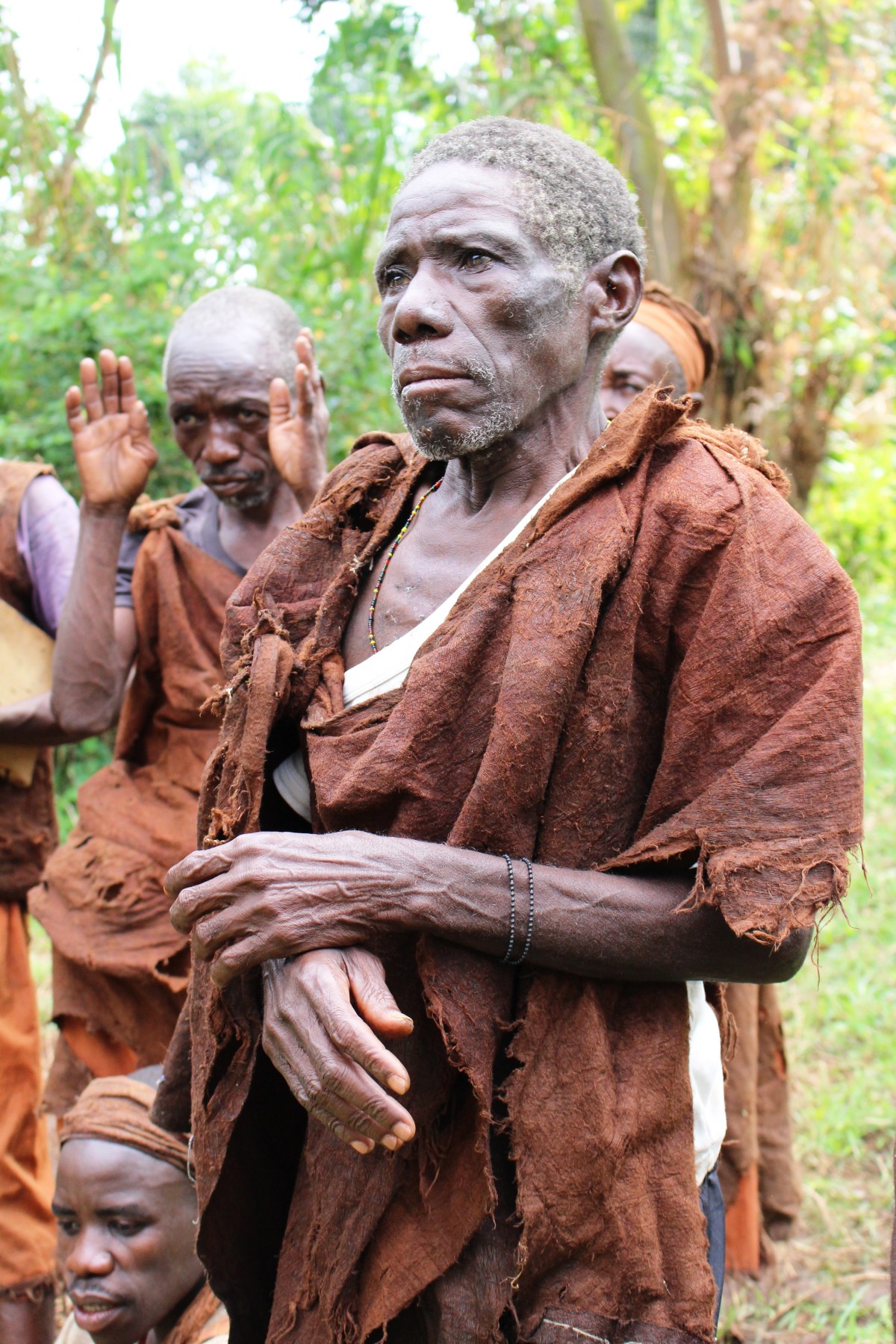
After the performance, Levi explained some of the difficulties the Batwa face in modern Uganda. Once nomadic forest dwellers, the Batwa have had to learn to farm and to use currency. One of the elderly men described his bewilderment at needing money to buy meat. In the past, they had hunted and gathered what they needed, living in harmony with the forest.

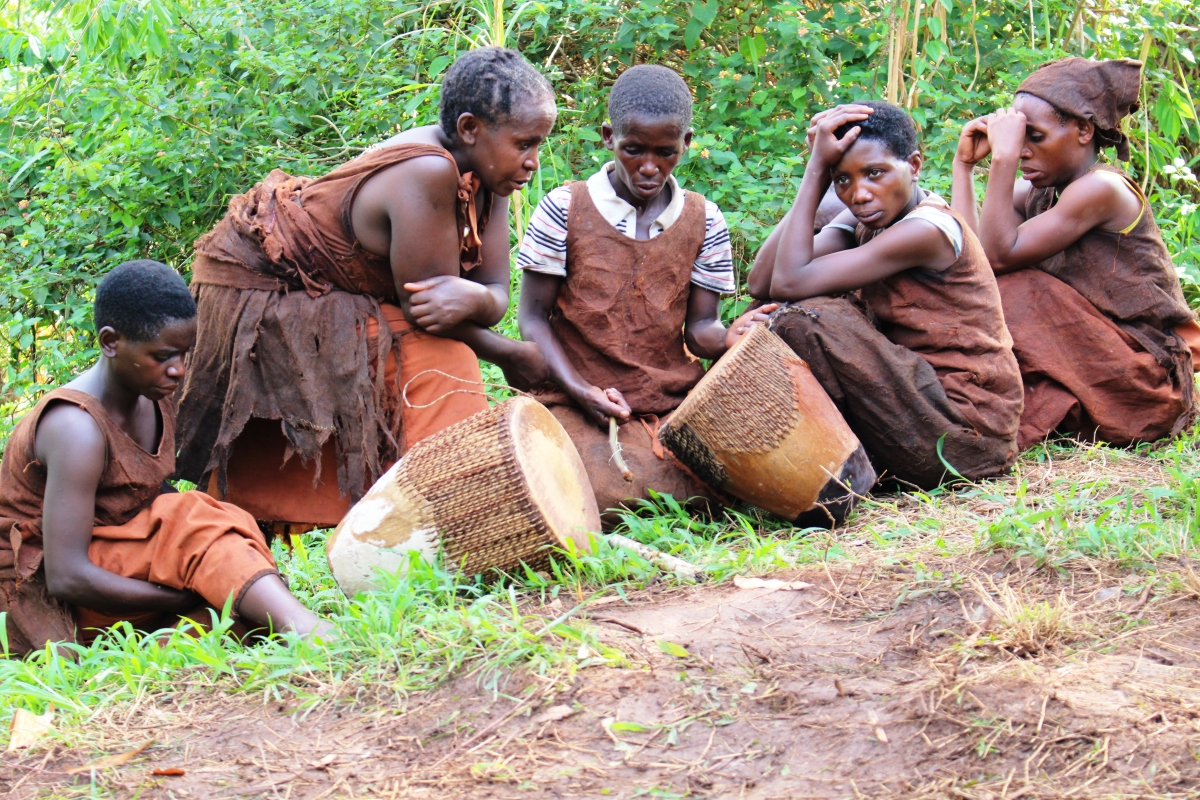
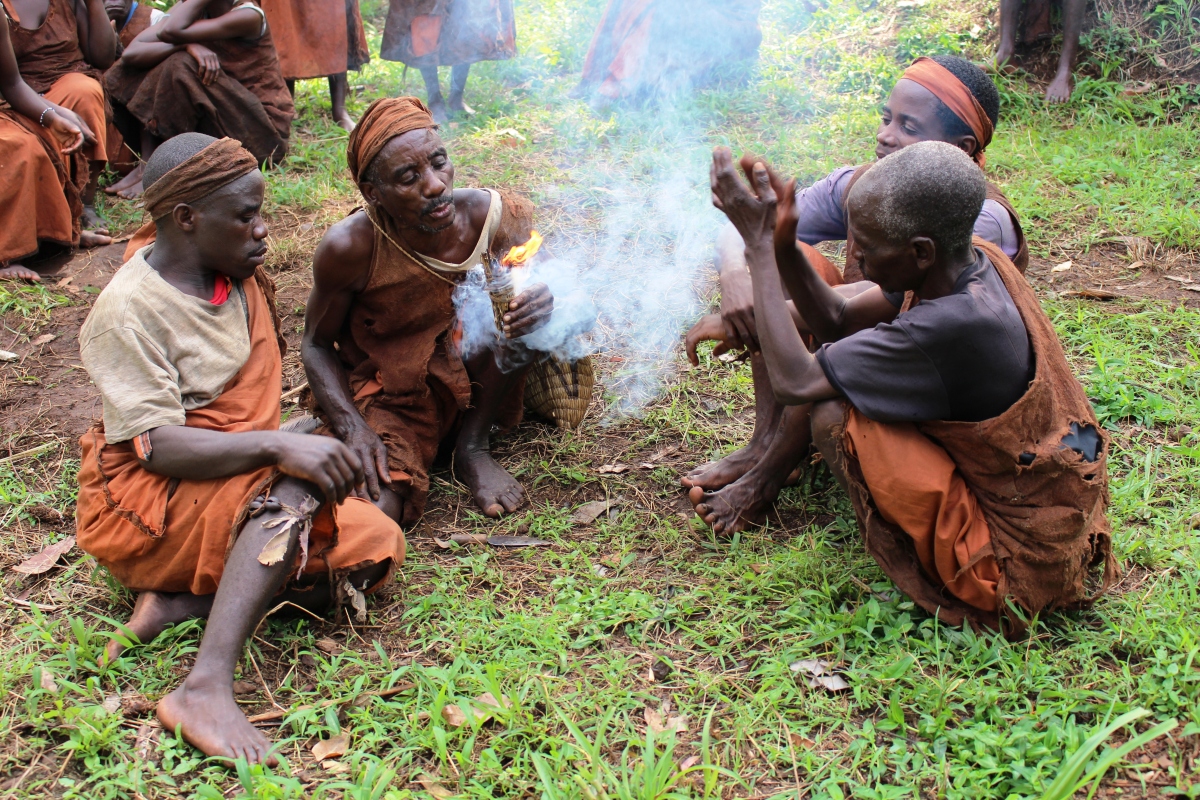
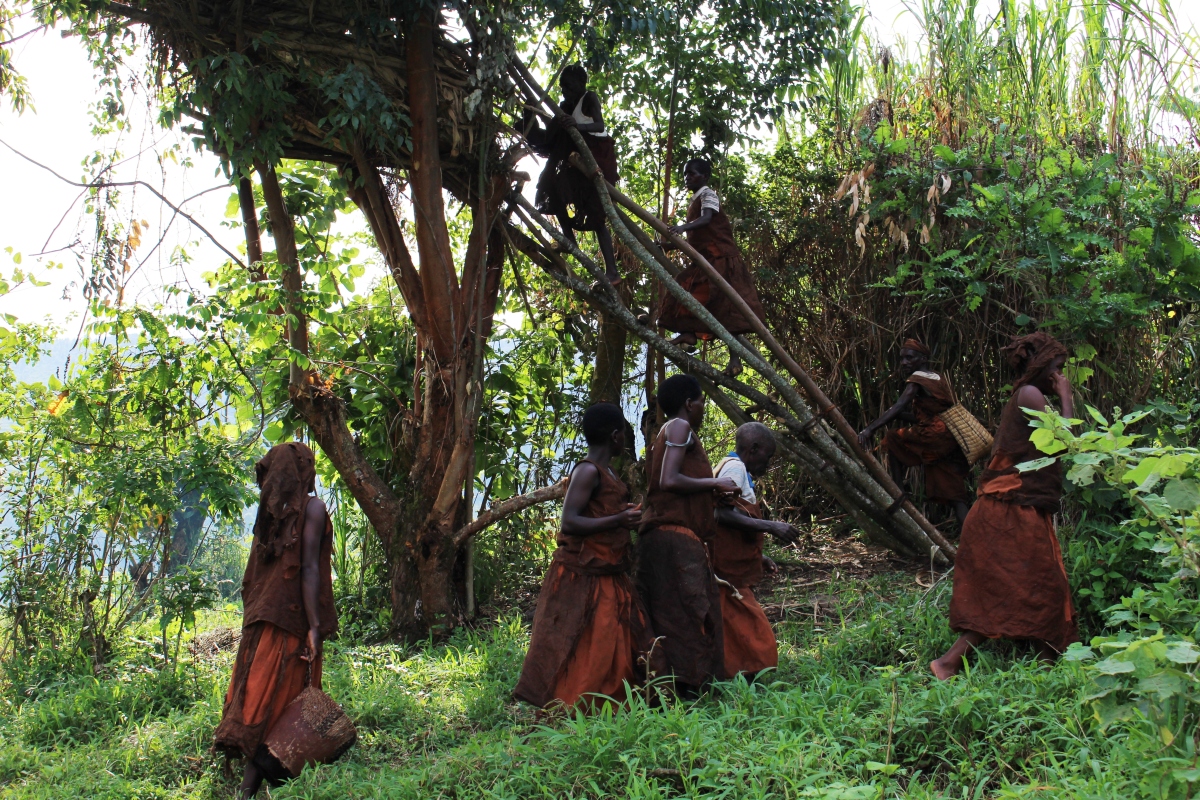
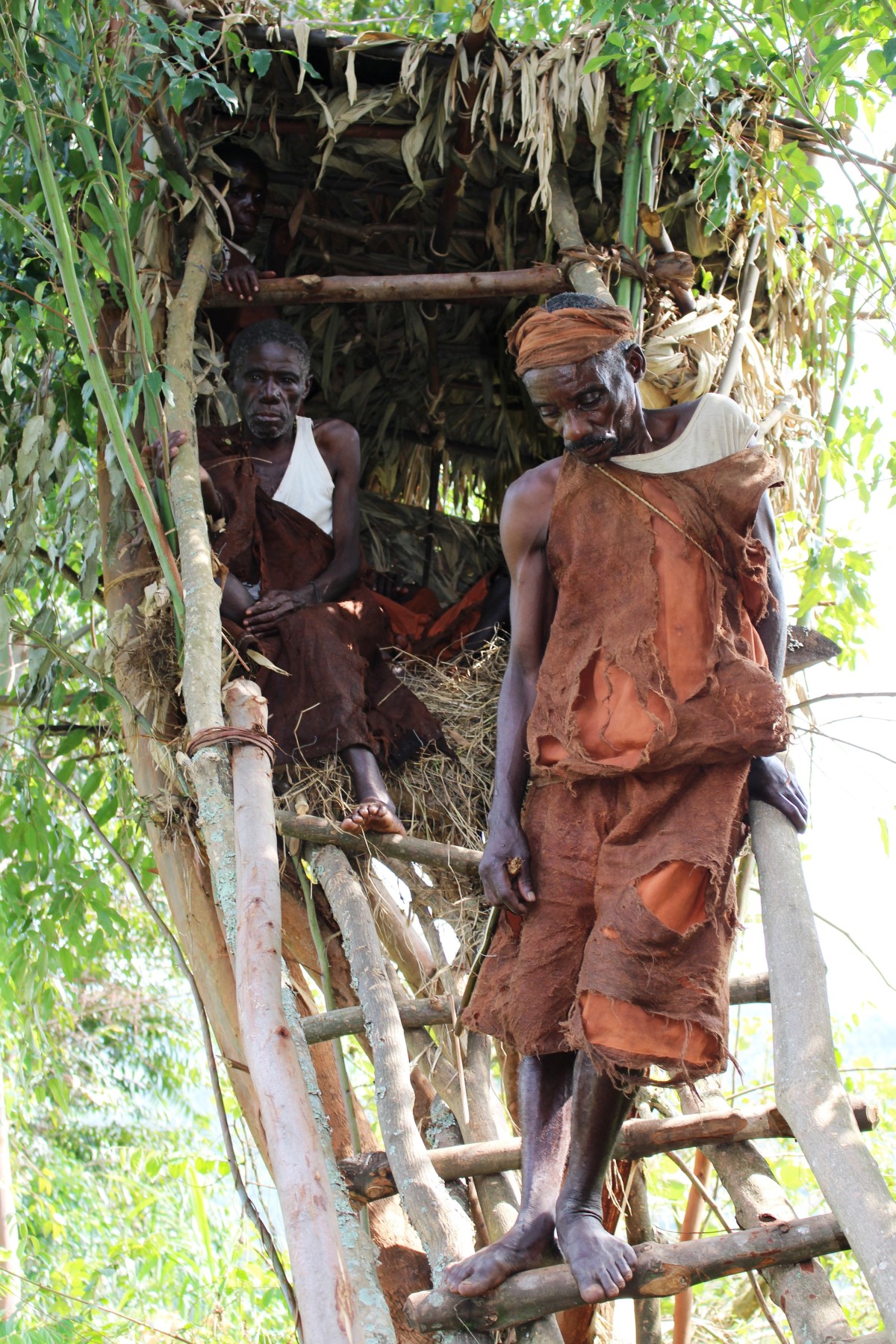
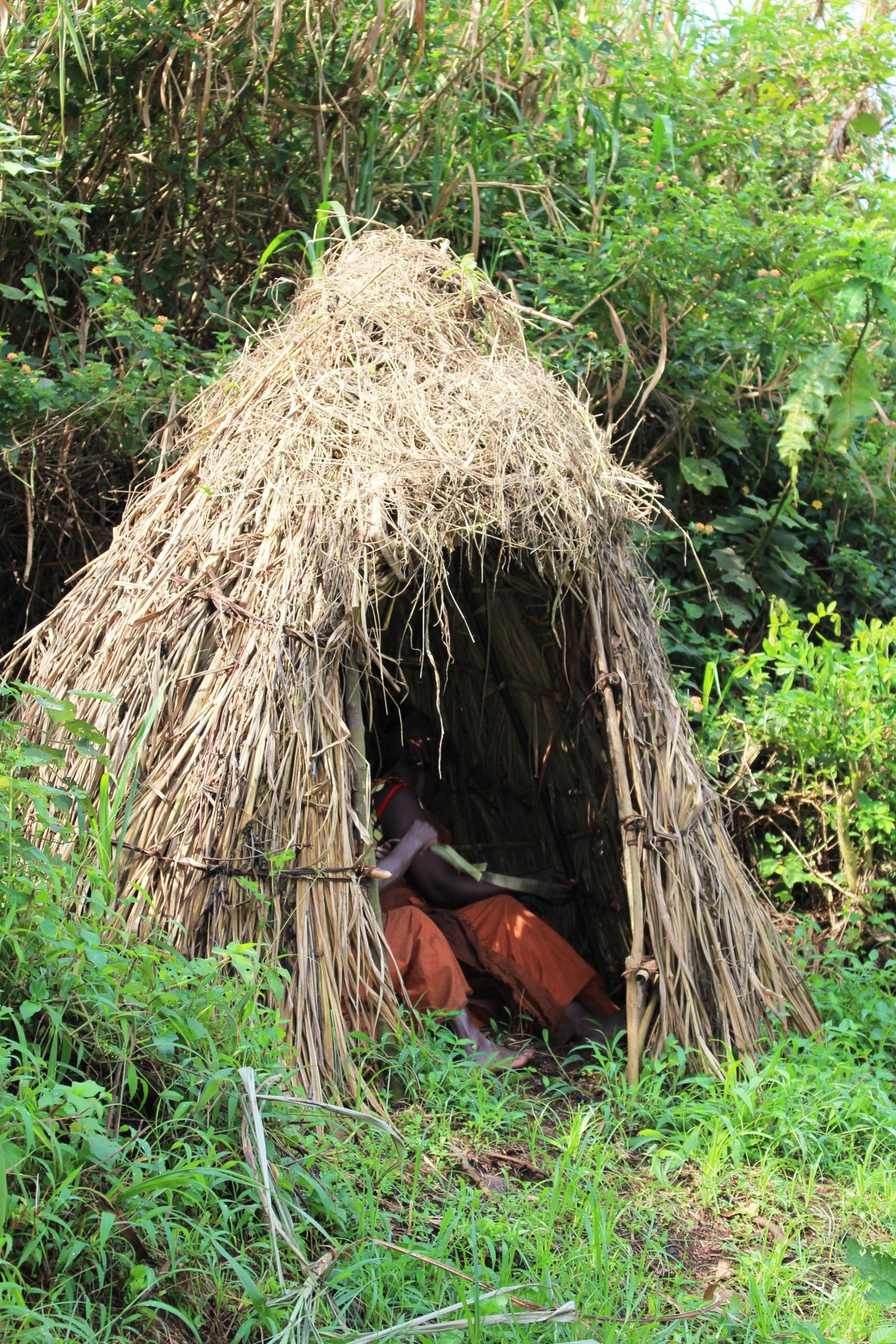
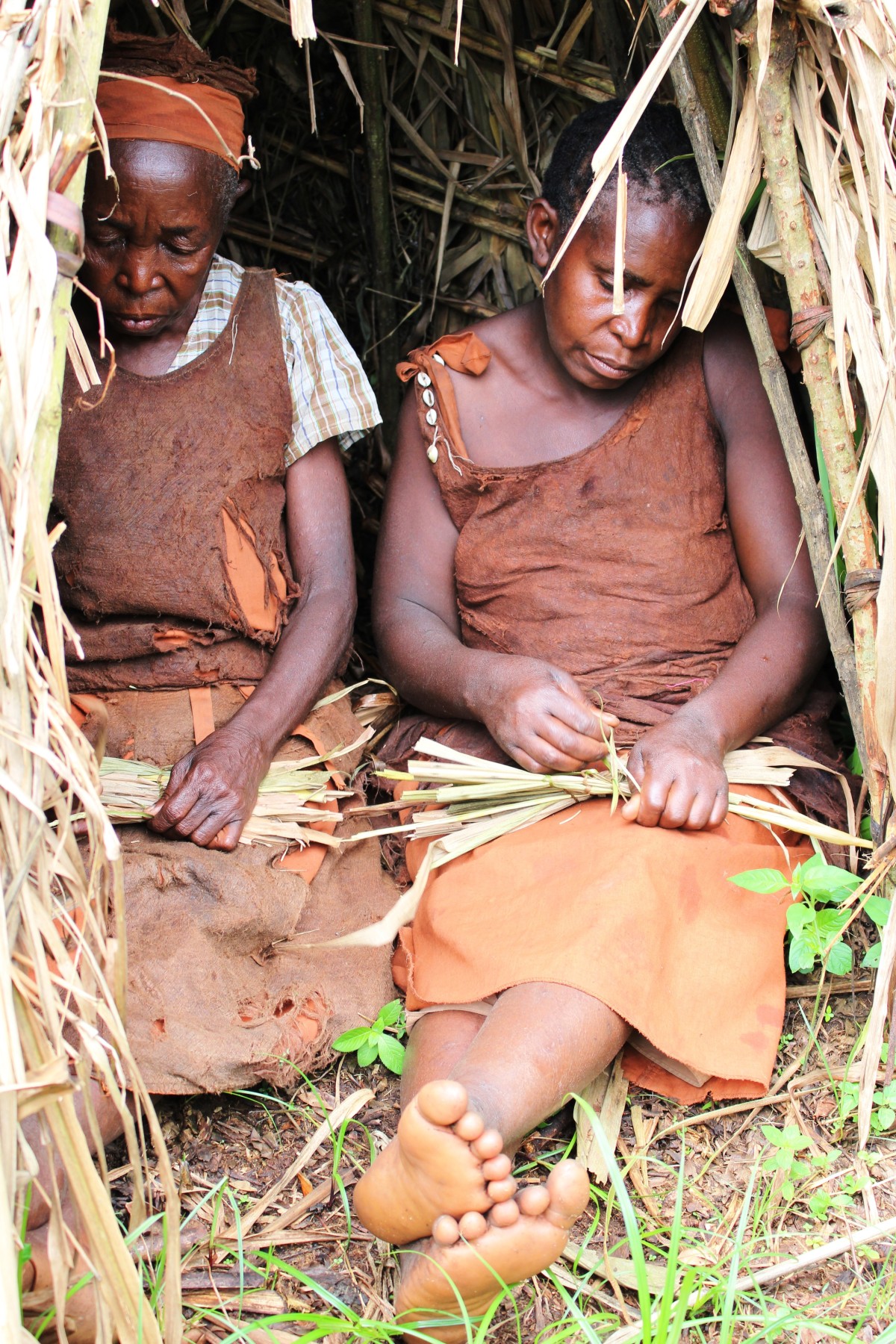
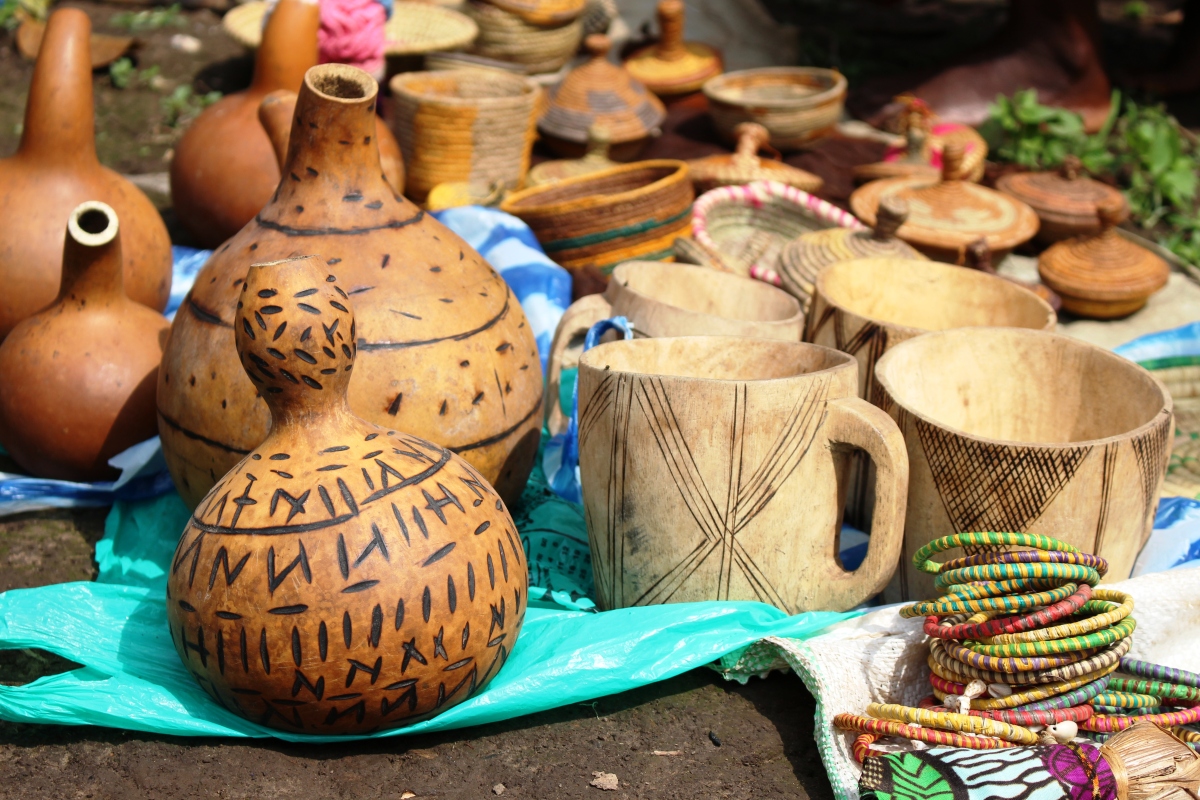
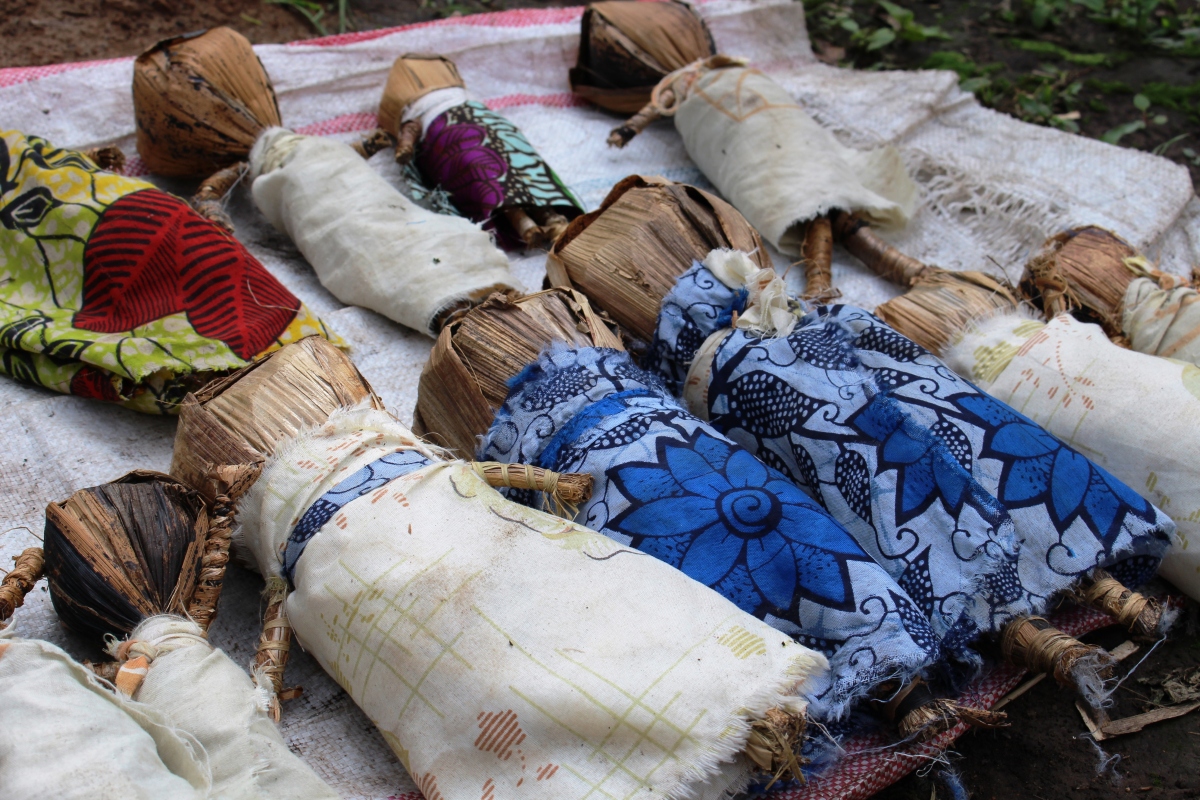
Next, we visited the Batwa’s traditional housing including ground huts and a tree house with a ladder which we were invited to enter. The women showed us how they weave bags and baskets, and Levi explained that the Batwa’s terracotta-colored clothing was made of bark cloth. When we left, we purchased a doll and a small basket, gave a donation to the Batwa elder, and thanked them for sharing their day with us.

As we left, I thought about the previous day. I had spent the entire day hiking in the Bwindi forest to see endangered mountain gorillas—there are less than a thousand in the wild and none in captivity. My permit cost $500, the average per capita income of a Ugandan, and presumably helps to protect the forest and its animals. And while no one wants to see an animal go extinct, I felt conflicted, as my trip to see the gorillas was in a way at the expense of the Batwa. To protect the forest and to save the gorillas, this ancient people and its culture have been cast aside, doomed to one day exist only in history books and museums.

In the end, however, I still recommend a trip to the Bwindi National Forest to see the mountain gorillas. Spending a day in the forest gave me a deeper appreciation for the Batwa and for all that they have lost. It also brought me to the Batwa people who now live just outside the park and who need visitors to help keep their story alive.

Learn more about the Batwa Experience at www.batwaexperience.com.

Note: The Batwa Experience is usually a 5-hour affair including a traditional meal; however, we asked for a shortened version due to our travel schedule. Contact the manager of the Batwa Experience for a personalized tour.

Levi Busingye
busingyelevi@yahoo.com

The Batwa The Batwa The Batwa The Batwa
The Batwa
The Batwa The Batwa The Batwa The Batwa The Batwa The Batwa The Batwa The Batwa


The Not-So-Cheesy Leaning Tower of Pisa

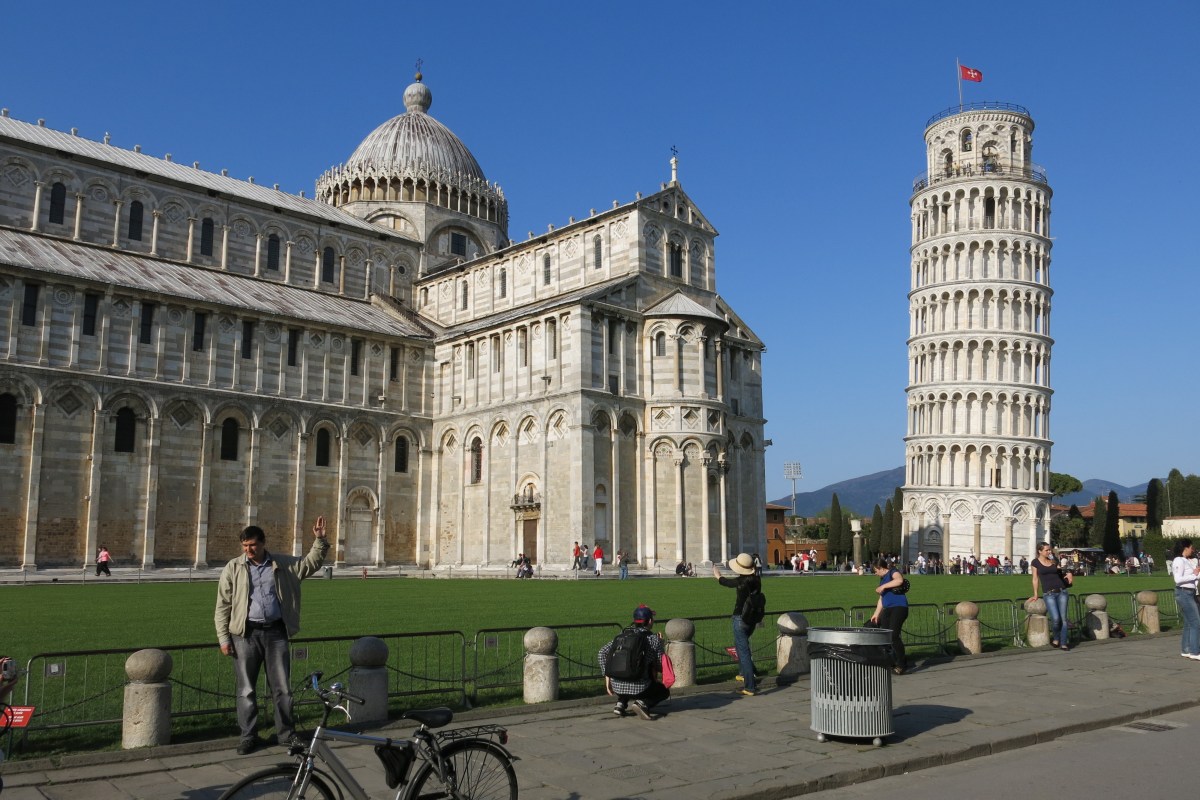
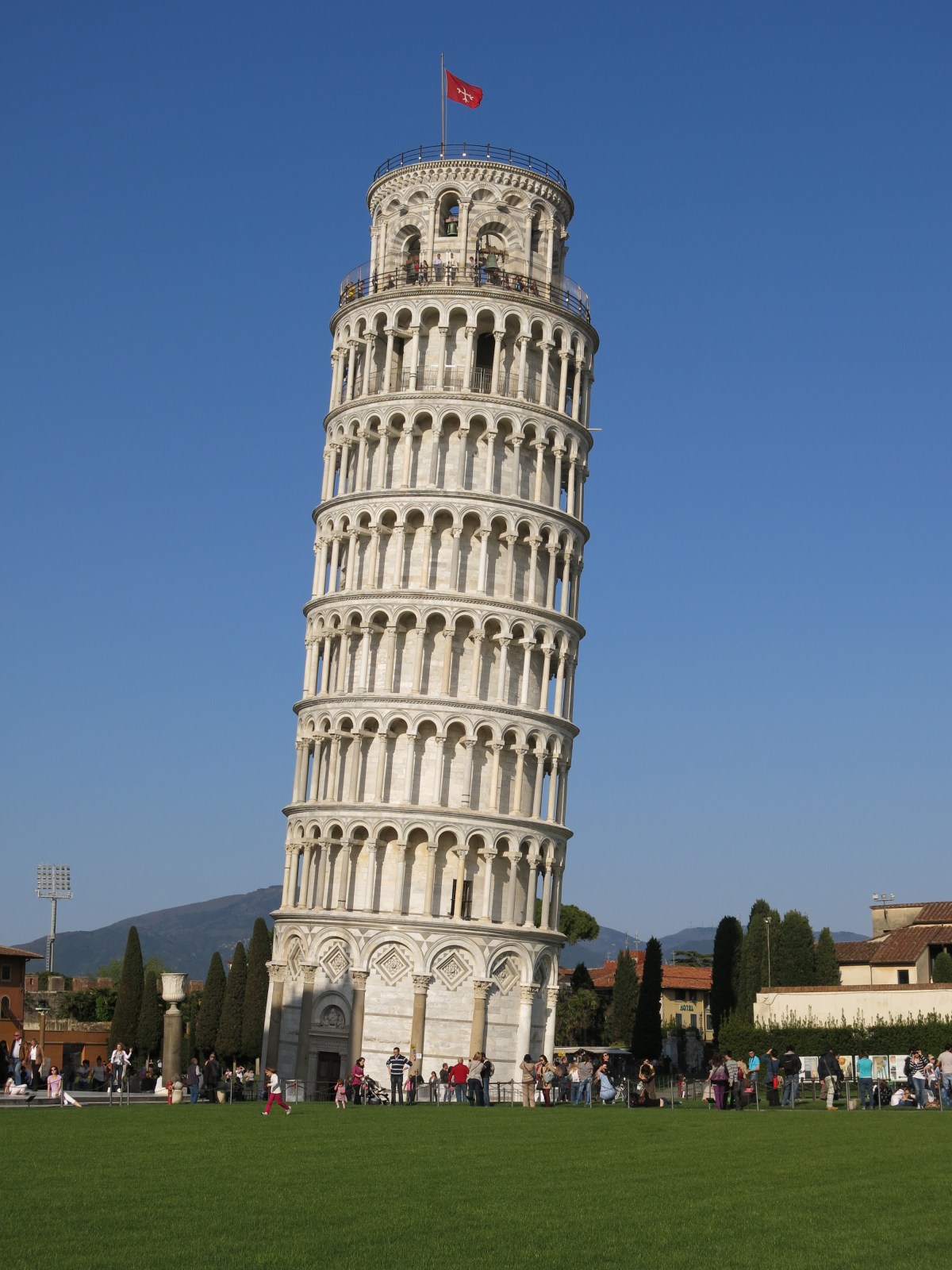
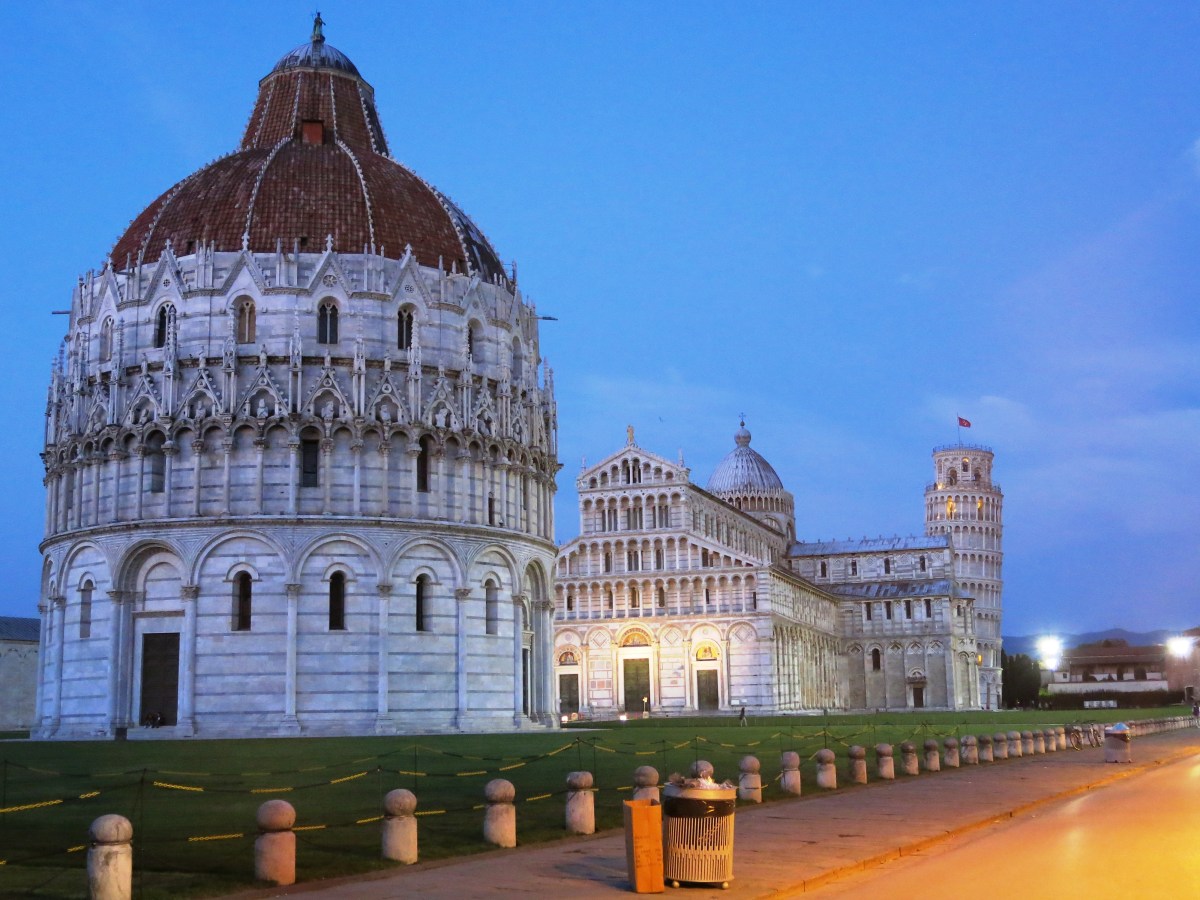
A quick detour to Pisa on our way to Florence turned into a really fun memory. The place was packed with people in ridiculous poses, pushing, holding or supporting the leaning bell tower. It took some teamwork and a few dozen tries, but we got a few shots in too.

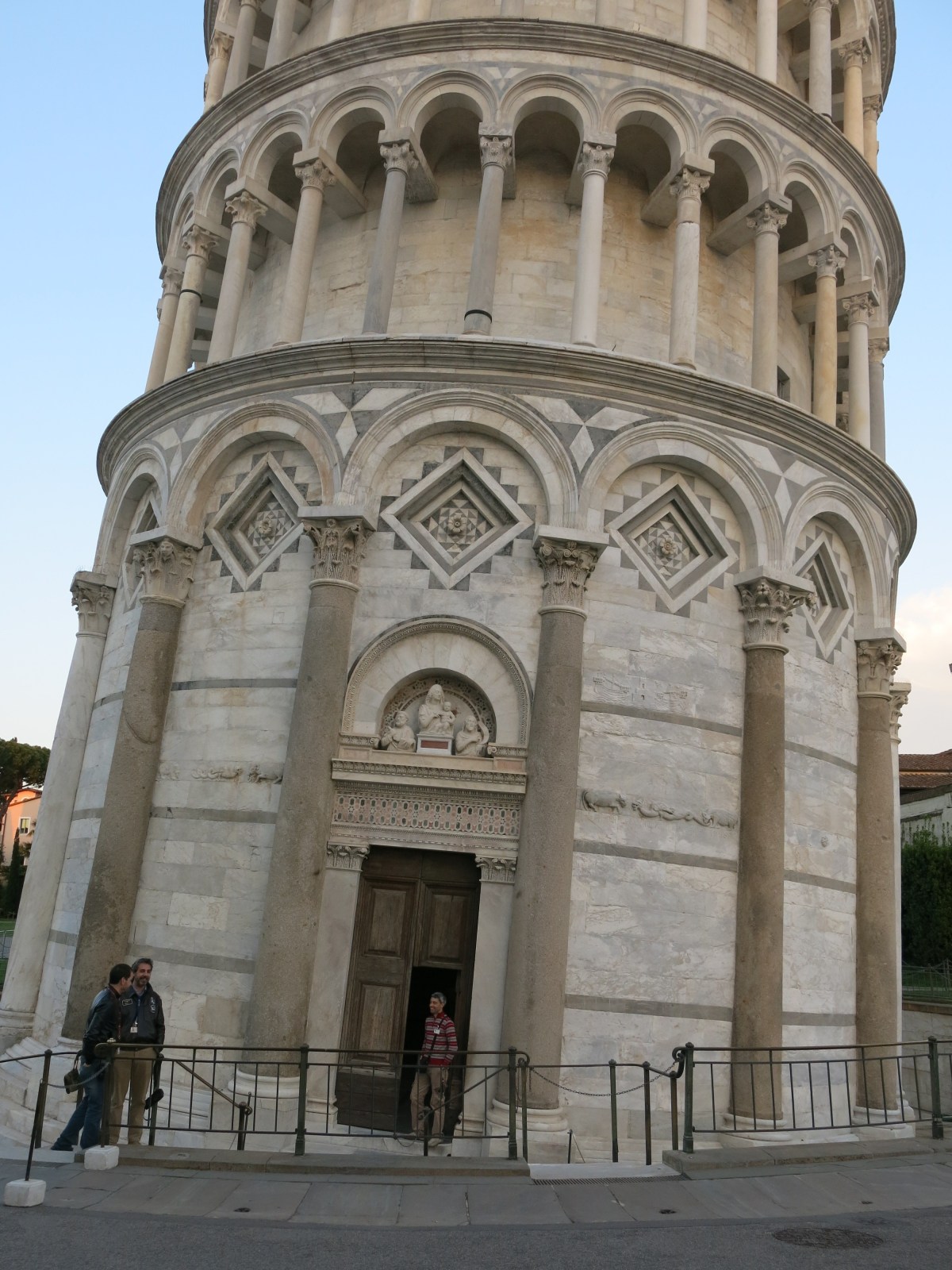
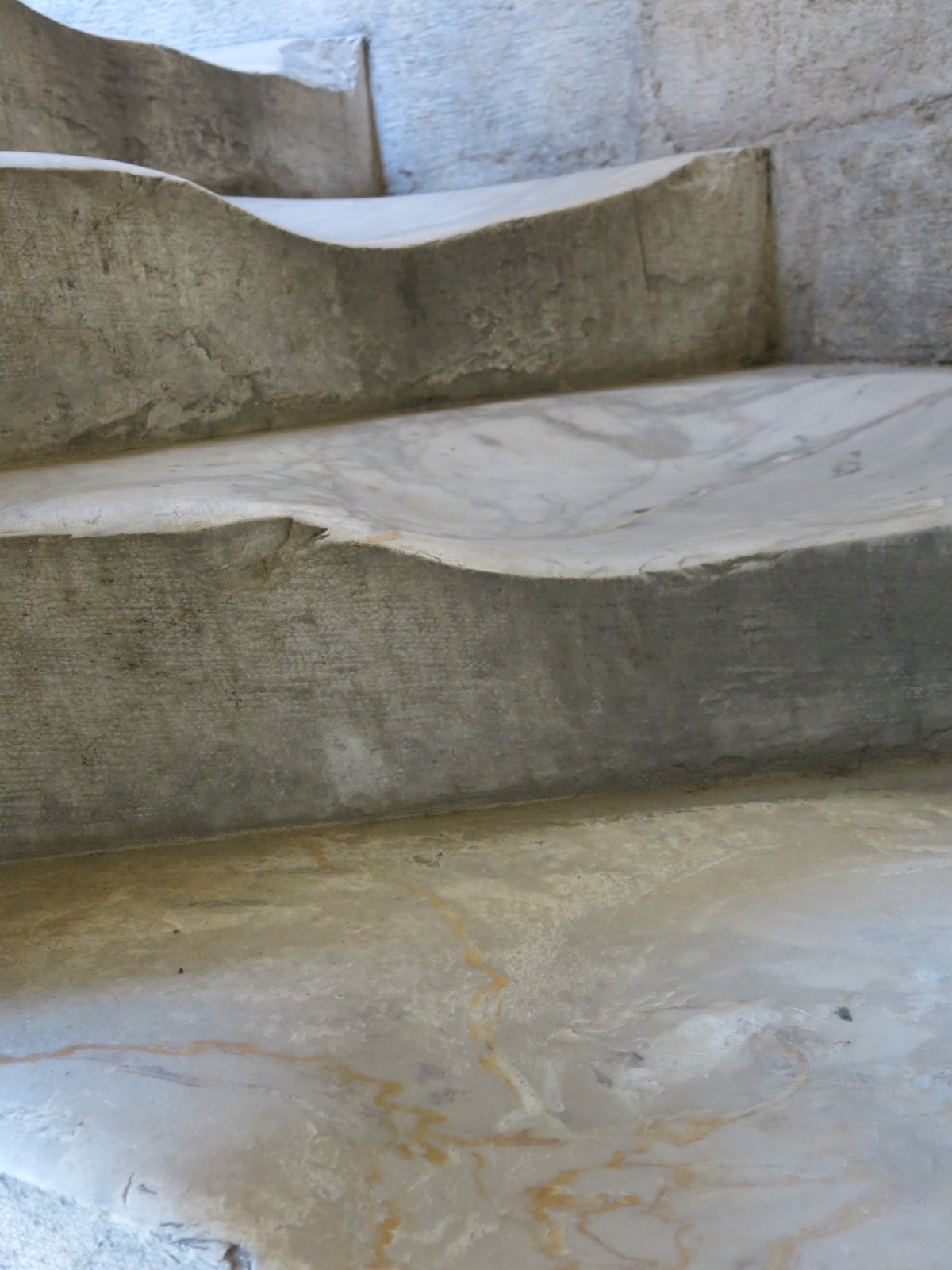
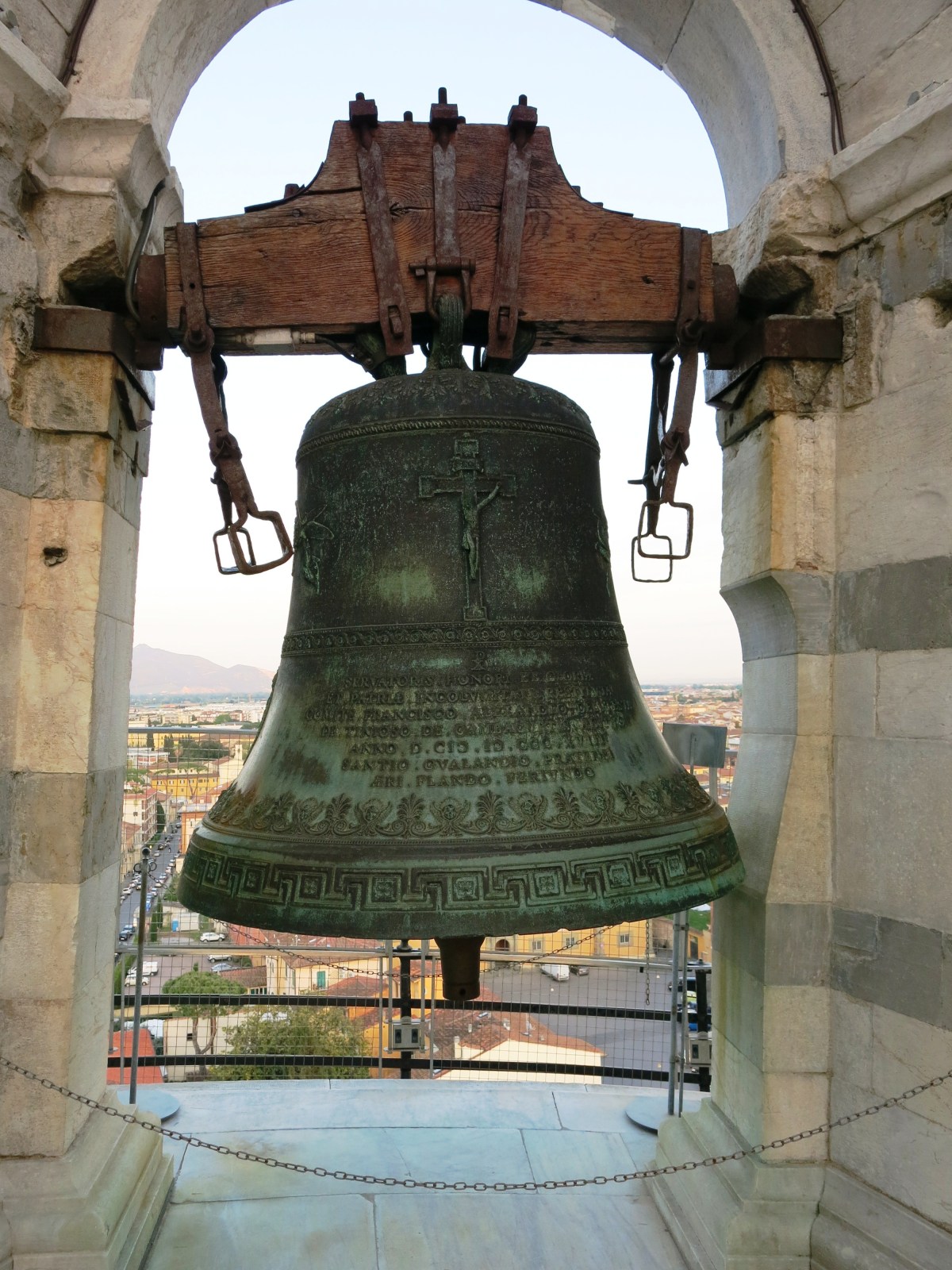
When we ascended the tower, I could tell it was leaning. It only takes a few degrees to throw off your equilibrium. I had to stop for a break midway up. The marble steps were also worn from all those who came before me. I liked this, like I was on a pilgrimage to finally see the famous tower I learned about in my sixth grade social studies class, a tower that I had long forgotten but suddenly remembered with urgency.

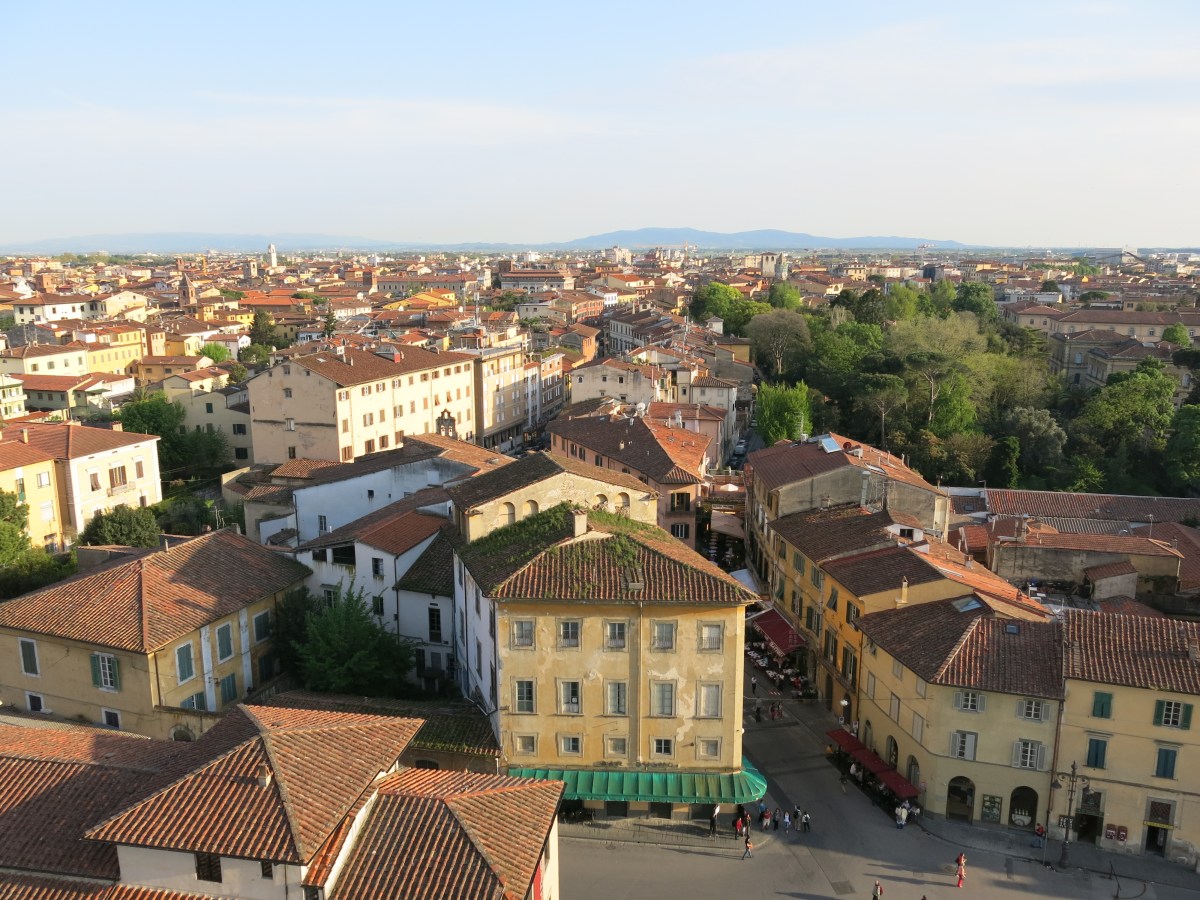
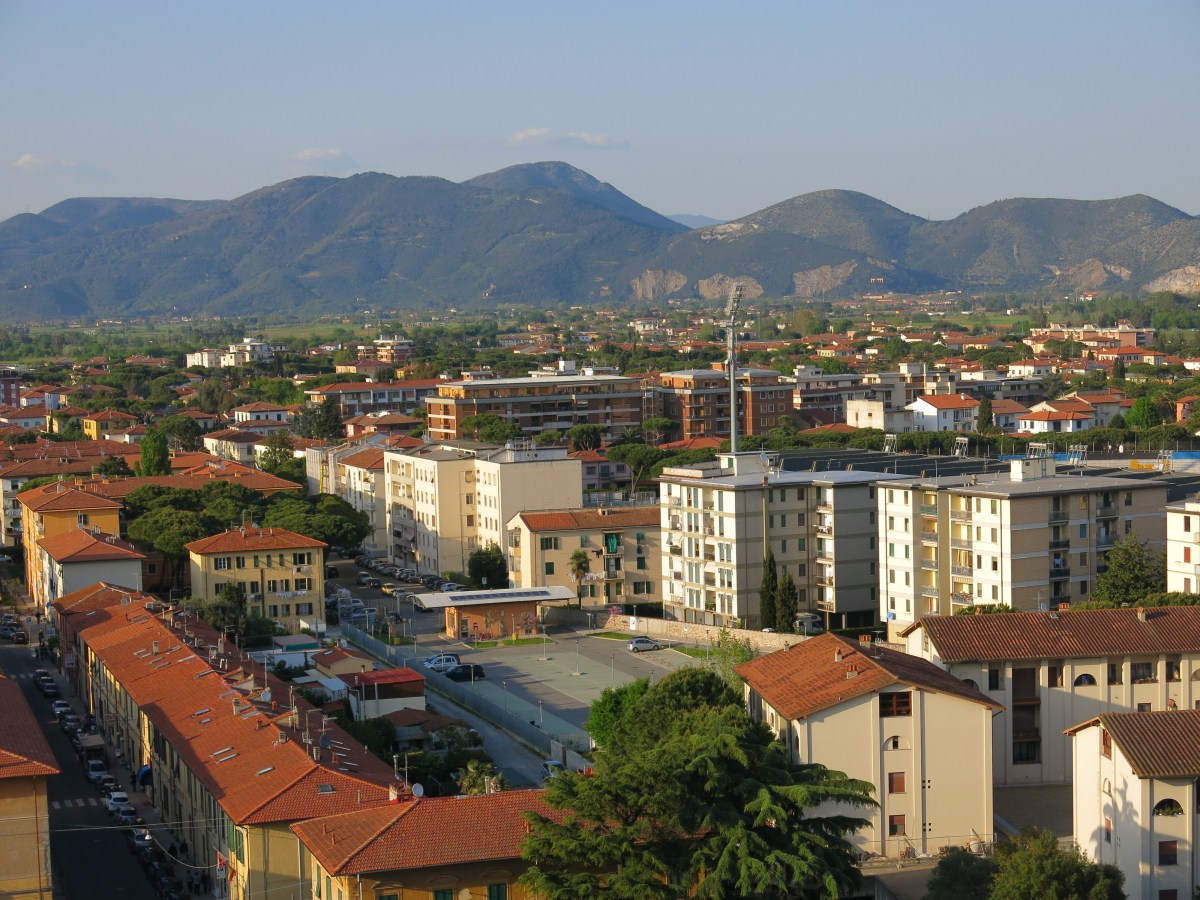
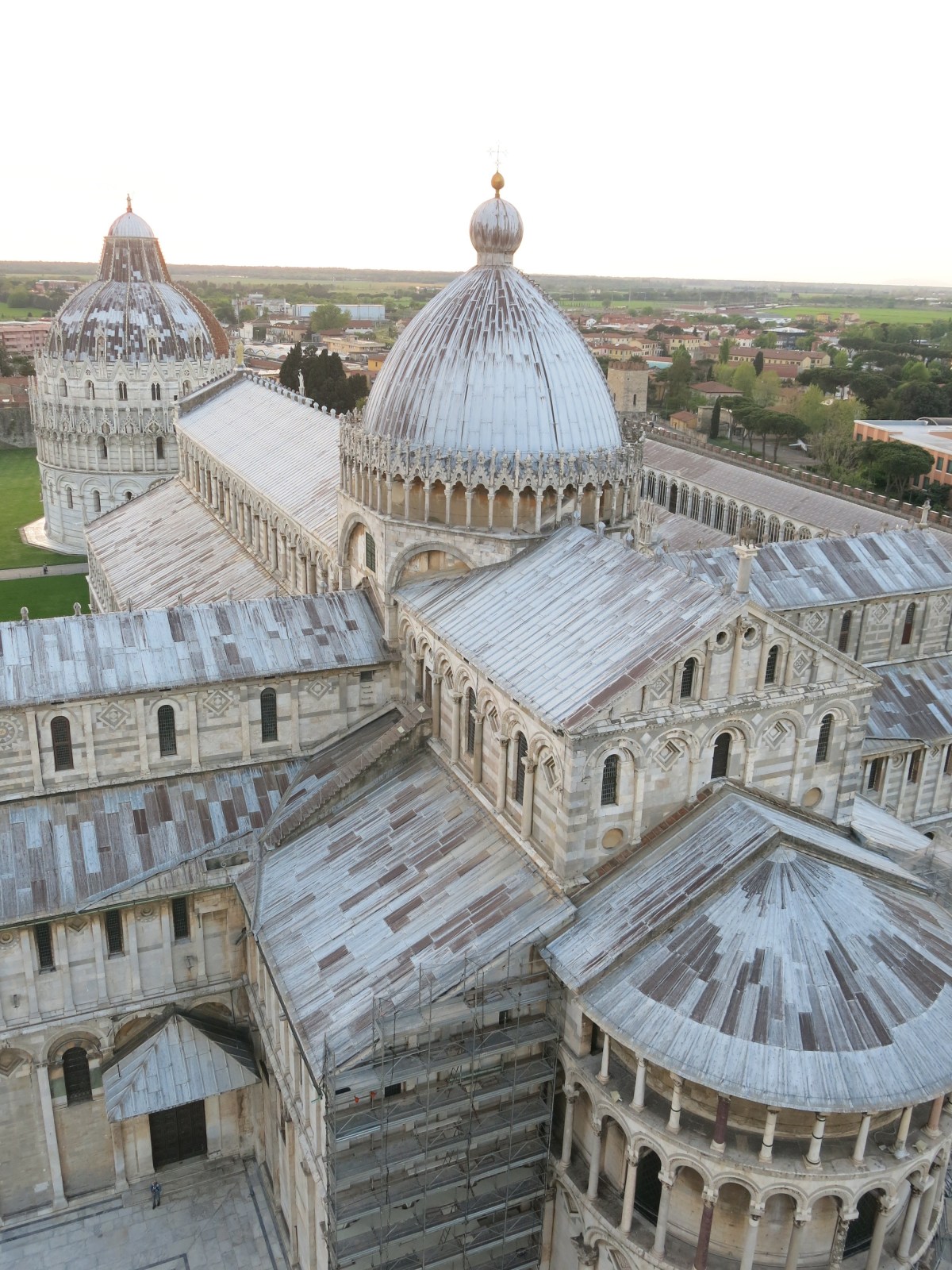
From the top, we had an extensive view of the area. The town of Pisa, the mountains, the top of the Pisa Cathedral. There was a lot more to see and do than I anticipated and we didn’t make it in time to tour the cathedral. We stayed until dark, bought a leaning tower trinket and then took the train to Florence.

Ultimately, I’m glad I took the detour and ignored my suspicion that Pisa would be a cheesy tourist trap. Besides being fun, it was really beautiful, a perfect little green lawn with a bell tower and churches and some of the most lovely architecture I’ve ever seen.

Pisa Pisa Pisa Pisa Pisa Pisa Pisa Pisa Pisa Pisa Pisa Pisa Pisa Pisa Pisa

“Edgy” Naples

When we arrived in Naples, it was late and raining. Taxis lined the street and the homeless huddled against the train station walls. Only a mile from our hotel and facing a high taxi fare, we chose to walk.

As we headed down Galileo Ferraris, I wondered if we had made a mistake. It was an industrial area with few street lights and little traffic except for the ladies of the night and their johns. The sidewalks were littered with condoms, needles, feces. I was uneasy until I saw the sign for our hotel in the distance.

The next morning when we entered the metro station nearby, we wondered whether the train would actually stop there. The stairs were soaked in urine, the walls were graffitied and the ticket machine had long been broken. A handful of teens loitered on the platform and we asked them if we needed to buy tickets. They were confused at first and then laughed. Clearly, no one actually bought tickets, nor was it even possible.

This was Gianturco, a station we were later told to avoid by a woman who sat next to us on the train. Pericoloso, pericoloso! she repeated. Dangerous. In addition to her warning, she wrote down the name of a pizza place we should visit while in Naples to give us a better impression of the place: Sorbillo.

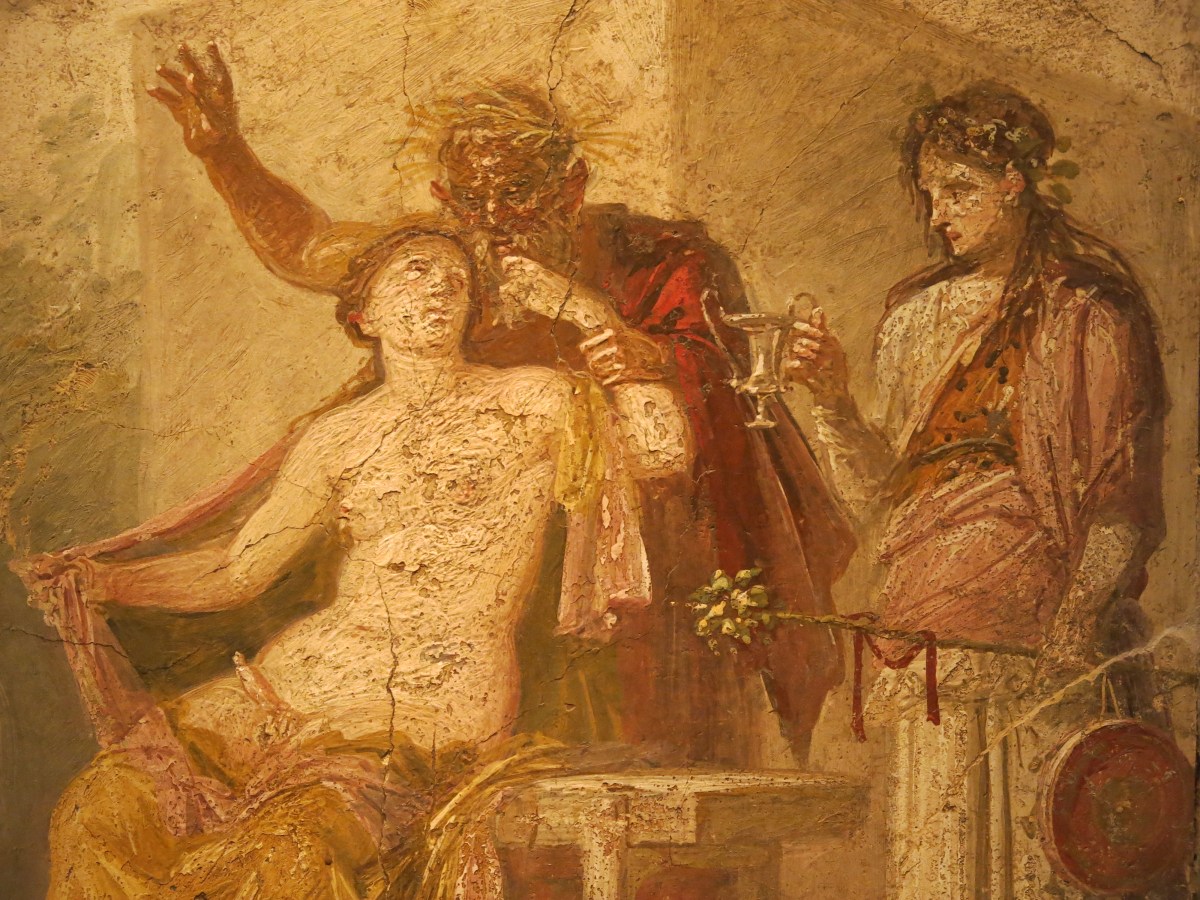
Later on, after visiting the National Archaeological Museum to see artifacts from Pompeii and Herculaneum, we walked around the city to see what constituted “gritty” and “edgy”—the guide books’ favorite way of describing Naples.

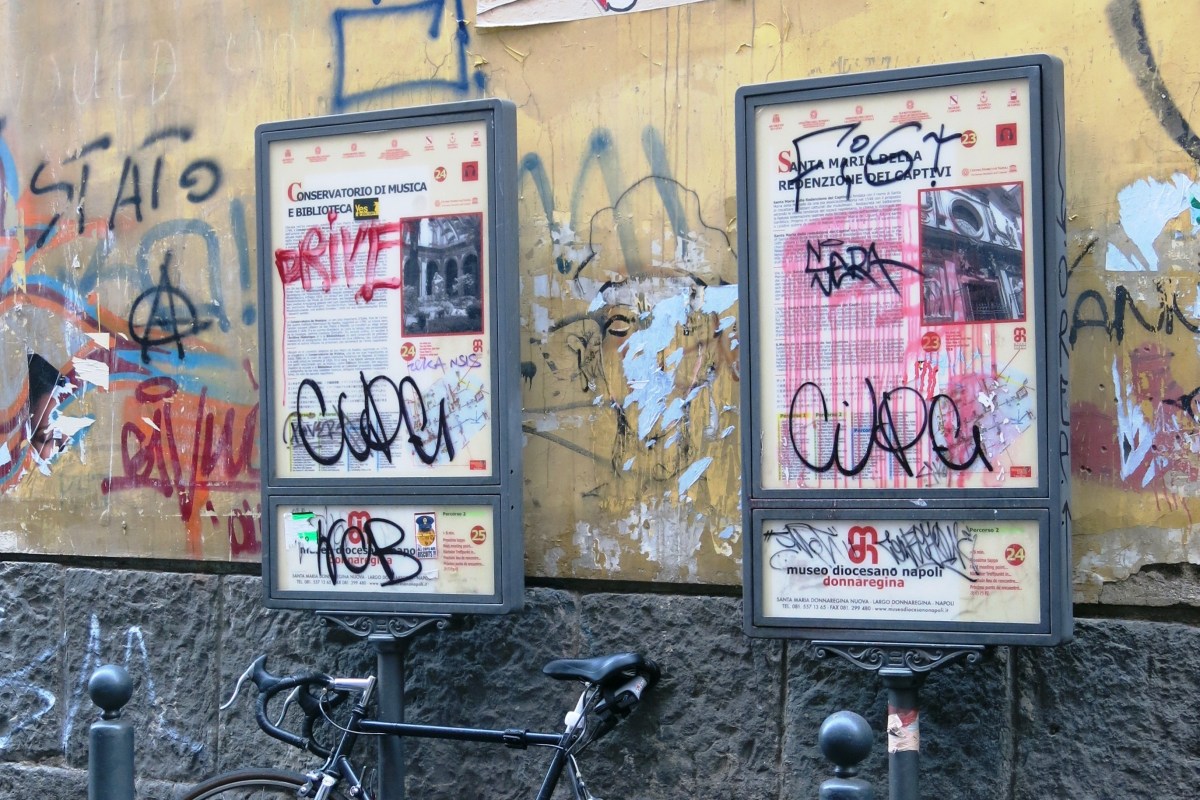
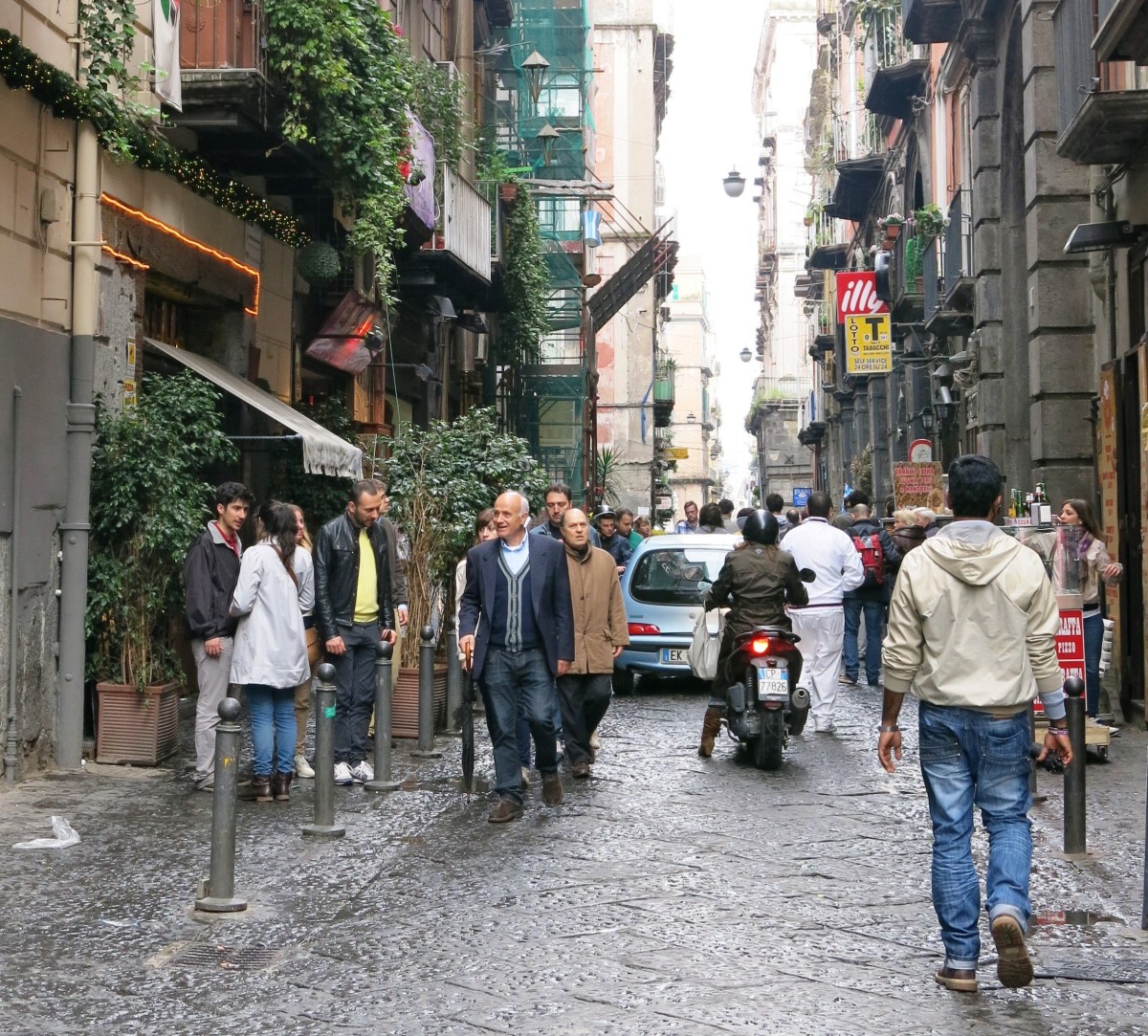
I’m tempted to call these descriptions euphemisms, a nice way of overlooking the obvious decline of the city, the overflowing garbage and the ever-present graffiti marking city walls, statues, historical placards—anything within reach. But I can also see Naples’ charm, the tiny streets and rows of shops, the freakish amount of miniature nativity sets on Via San Gregorio Armeno, and of course, the food.

While walking, and completely by accident, we stumbled across Sorbillo. It wasn’t open yet so we waited outside where we met an American couple on their honeymoon. They were at the end of their trip and ready to go home. Naples had given them the same sense of uneasiness—and they were from Detroit, America’s own broken city.

As we talked, a large crowd had gathered, and when the doors finally opened, it was chaos. The staff called out party numbers (Party of 3? Party of 5?) and then pointed to groups in the crowd. We held up 2 fingers and were one of the first groups to be seated. When our waiter came, we told him to bring us 2 pies—whatever he recommended.

Soon after, we were given a traditional Neapolitan pizza, the crowd favorite, and the waiter’s favorite which had bacon and ricotta cheese. It was fresh and non-greasy with simple flavors and a soft, chewy crust. It was simply amazing—the best pizza I’ve ever eaten—and pretty cheap too. We ordered a bottle of red to accompany, which was equally good, cheap and served with small plastic cups. Then we finished our meal and continued exploring the city with a small bottle of limoncello.

Galileo Ferraris


National Archaeological Museum
Sorbillo
Sorbillo

Venice, Believe the Hype

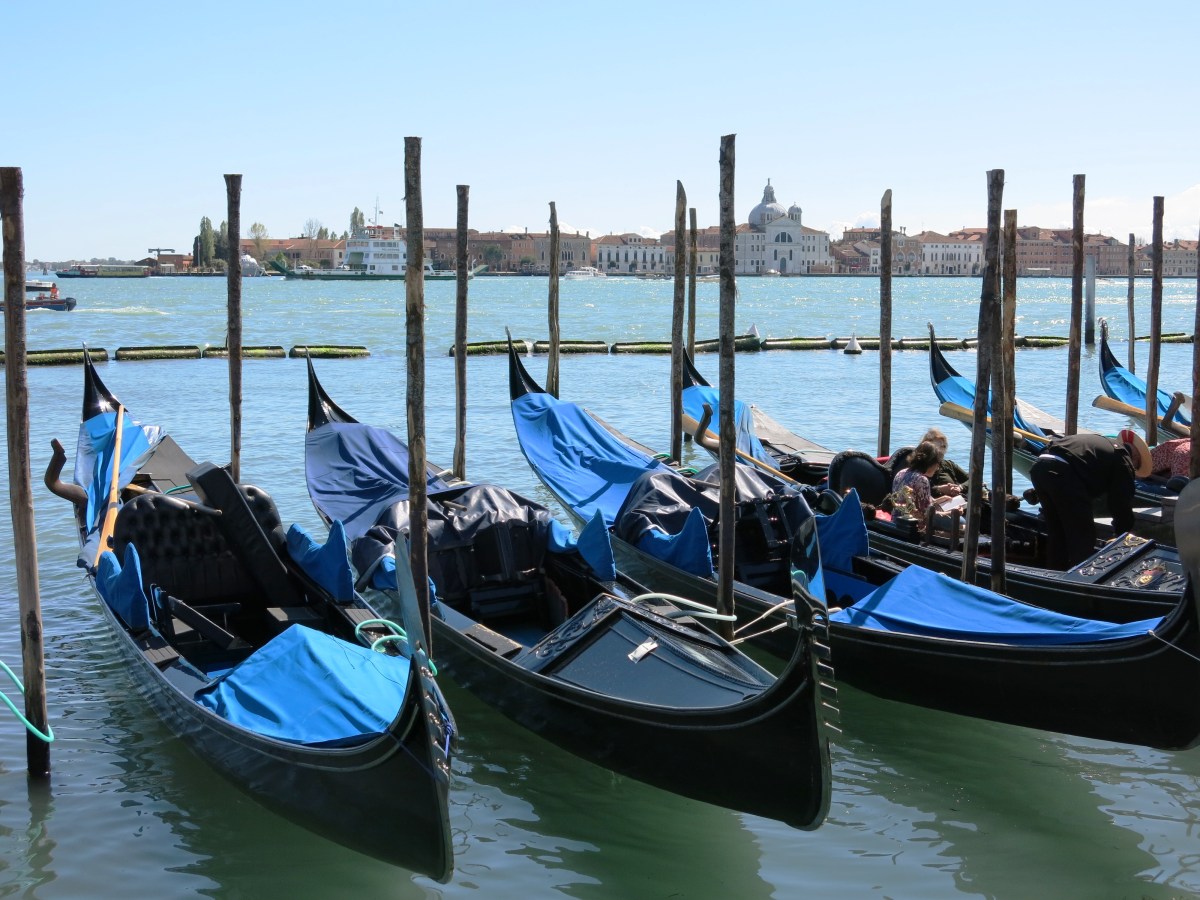
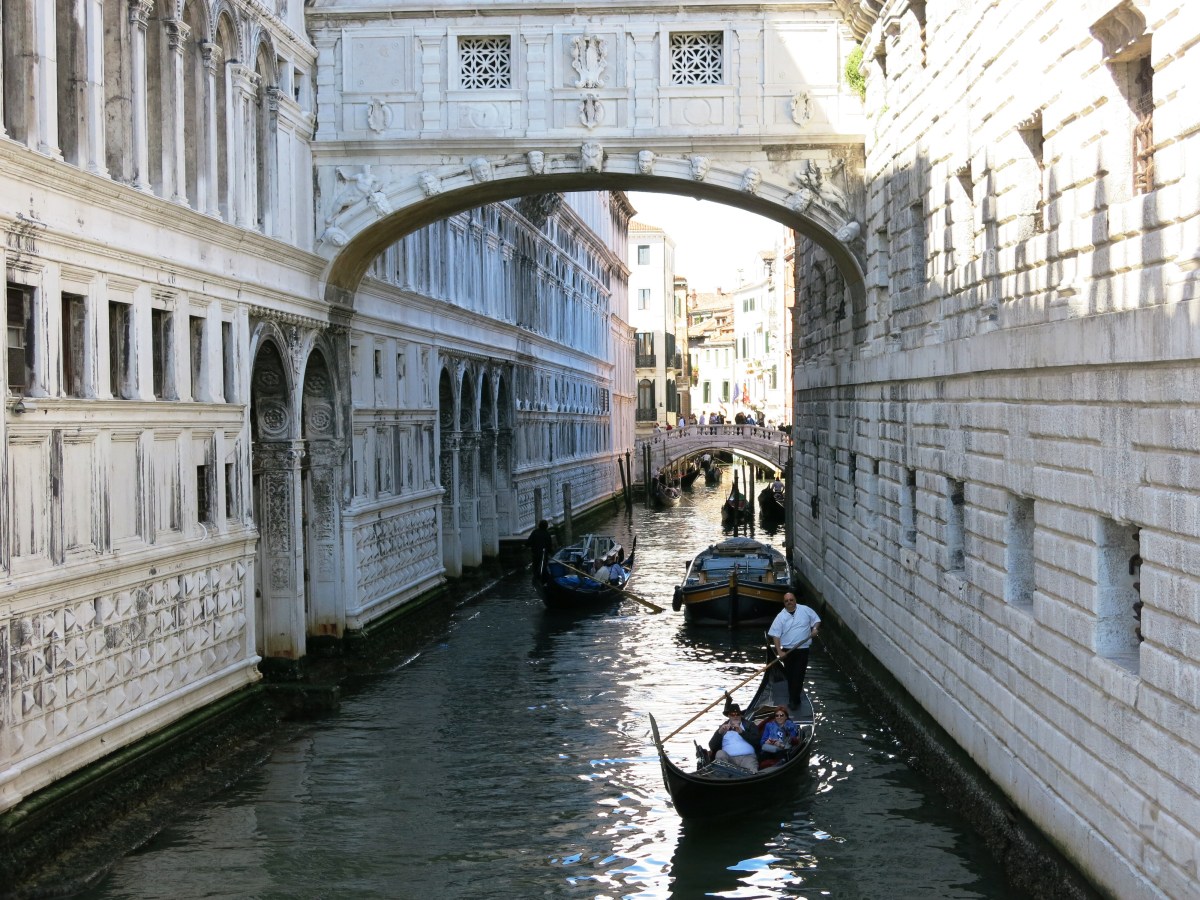
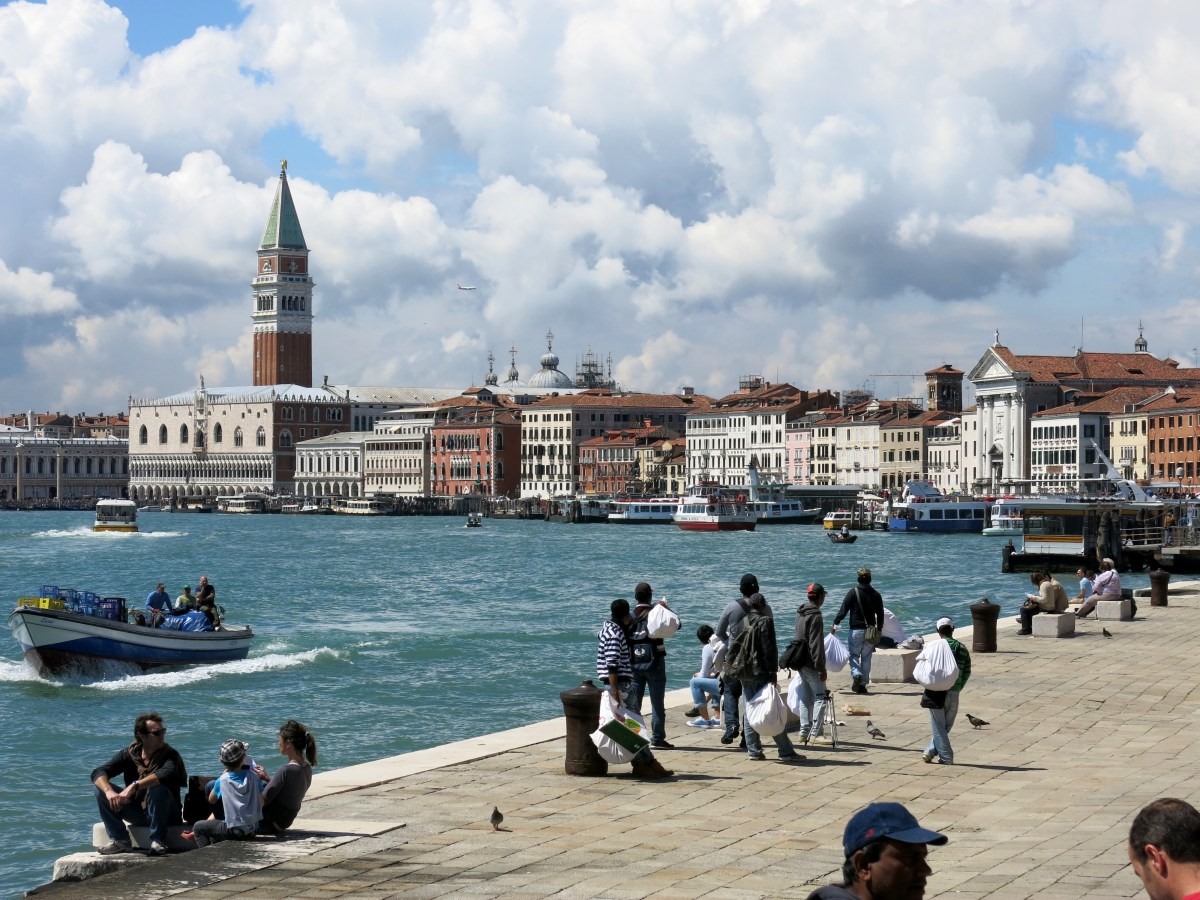
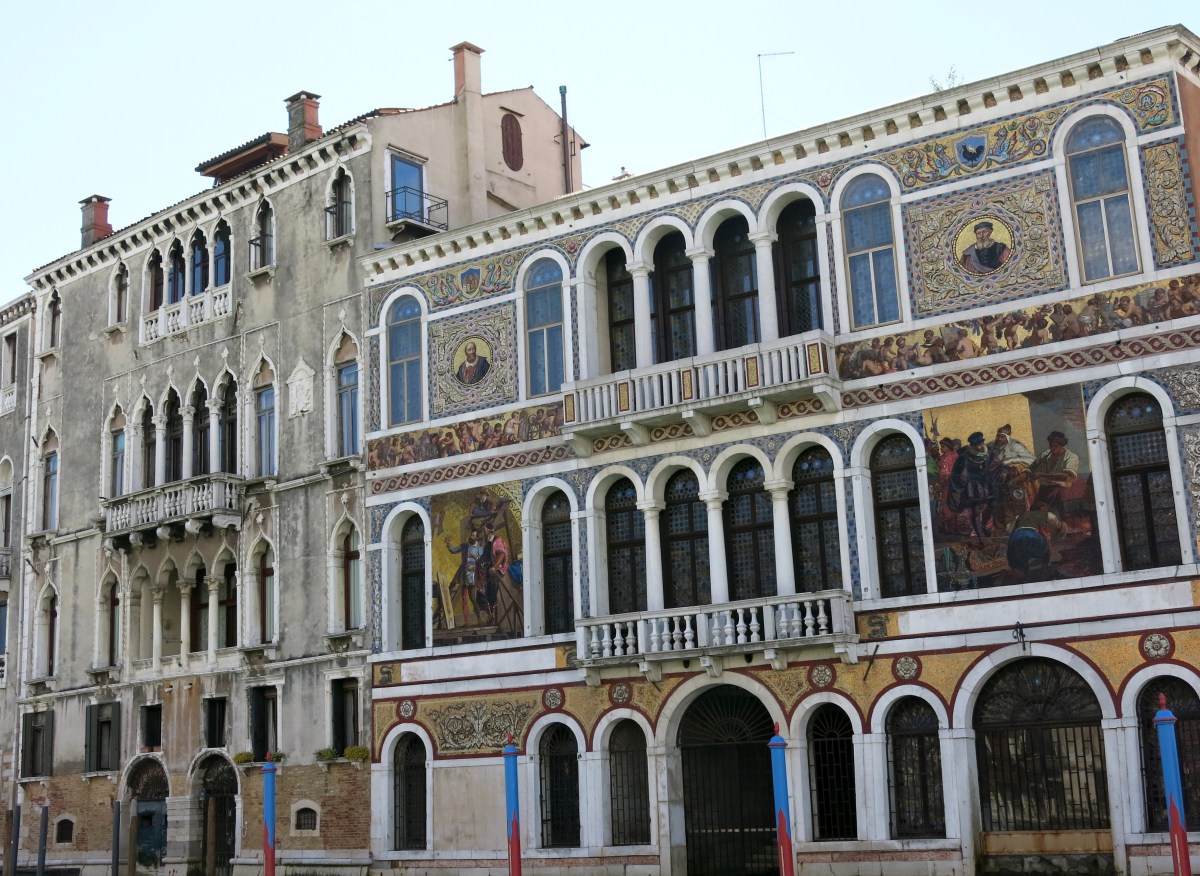
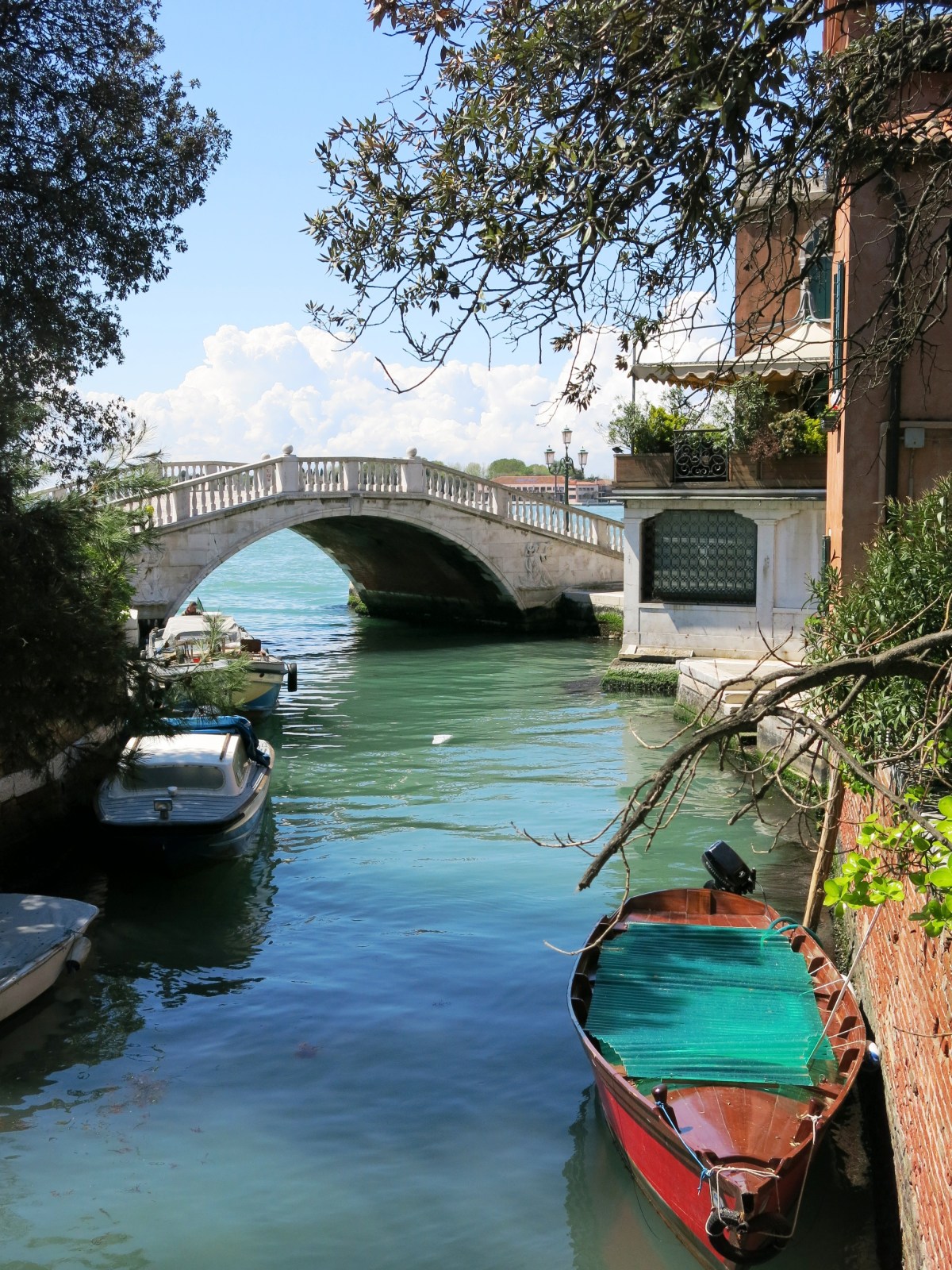
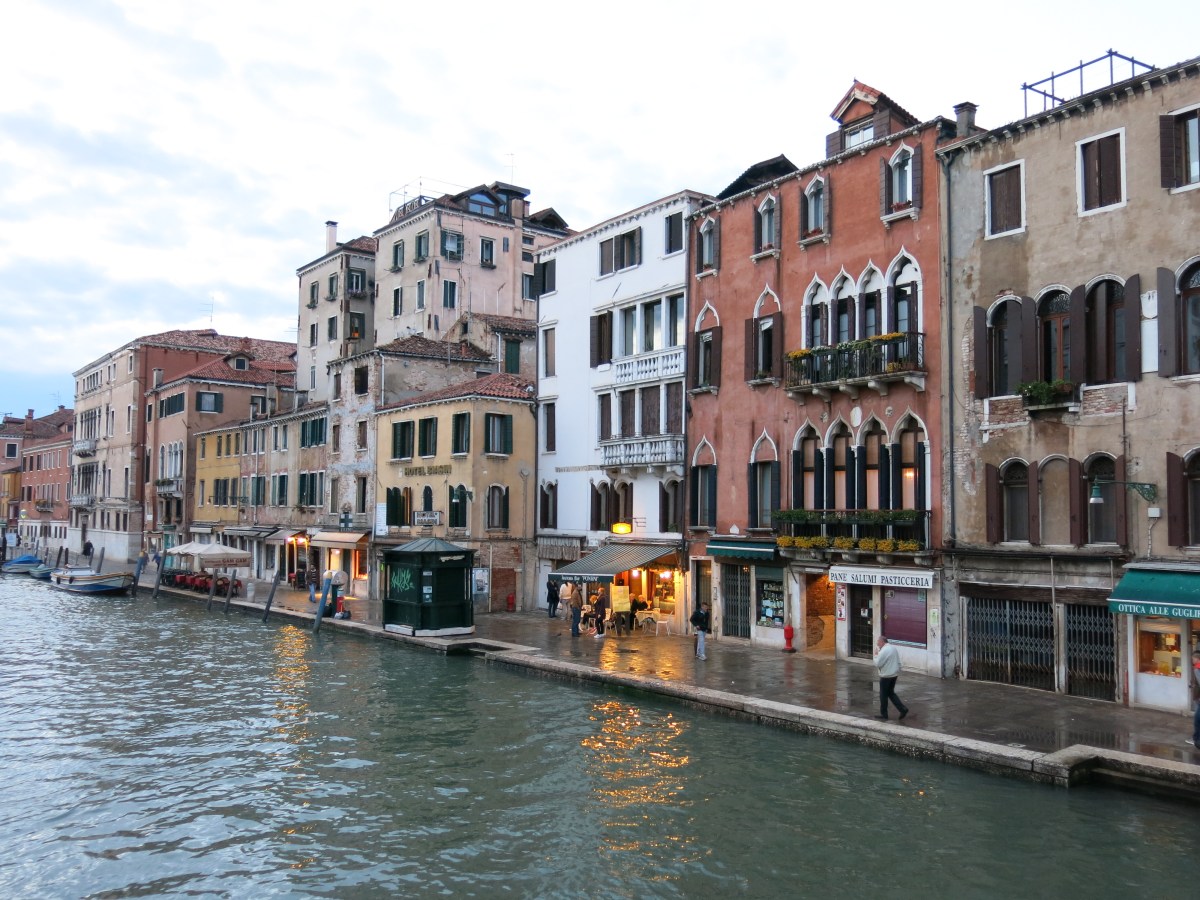
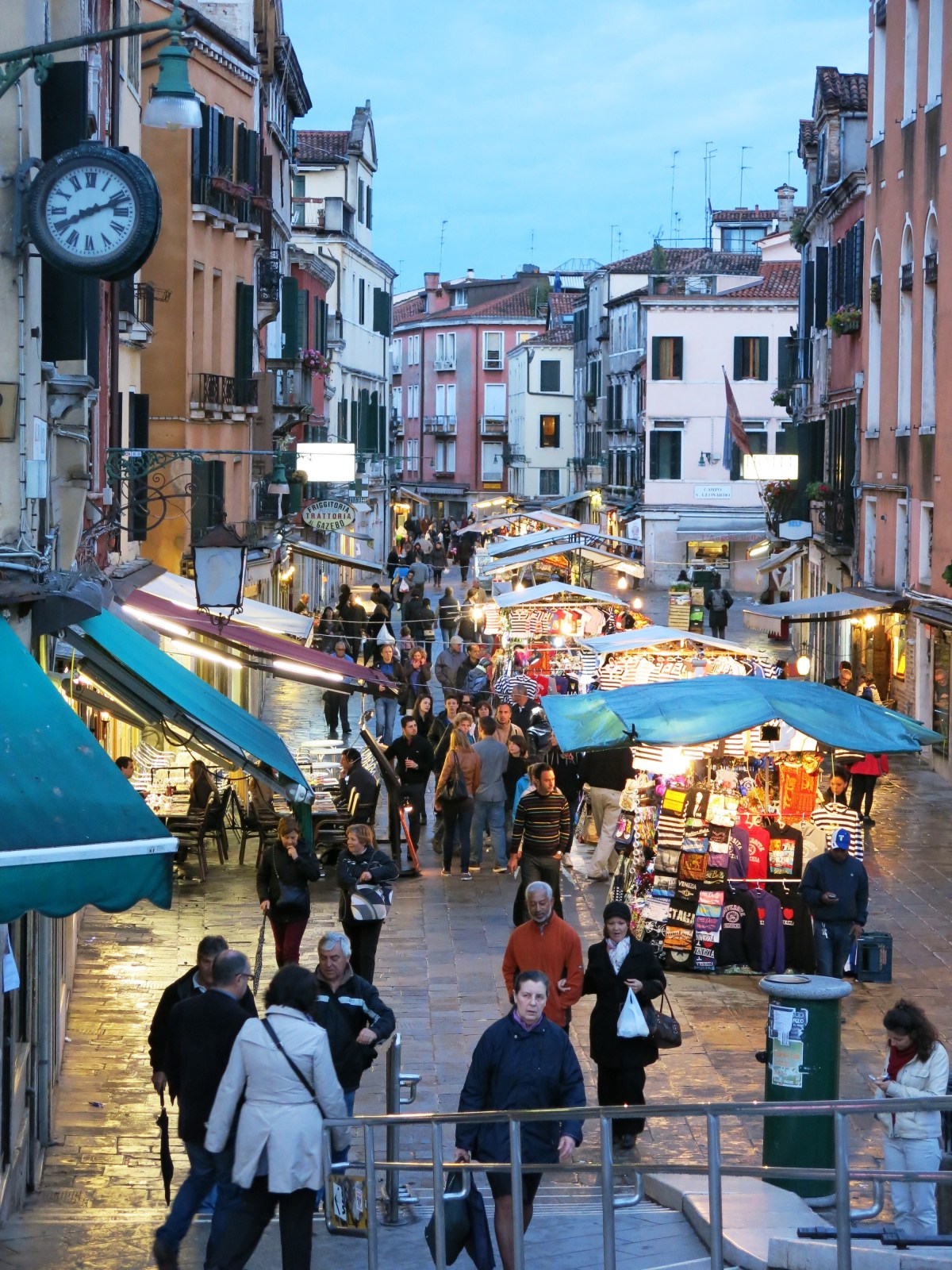
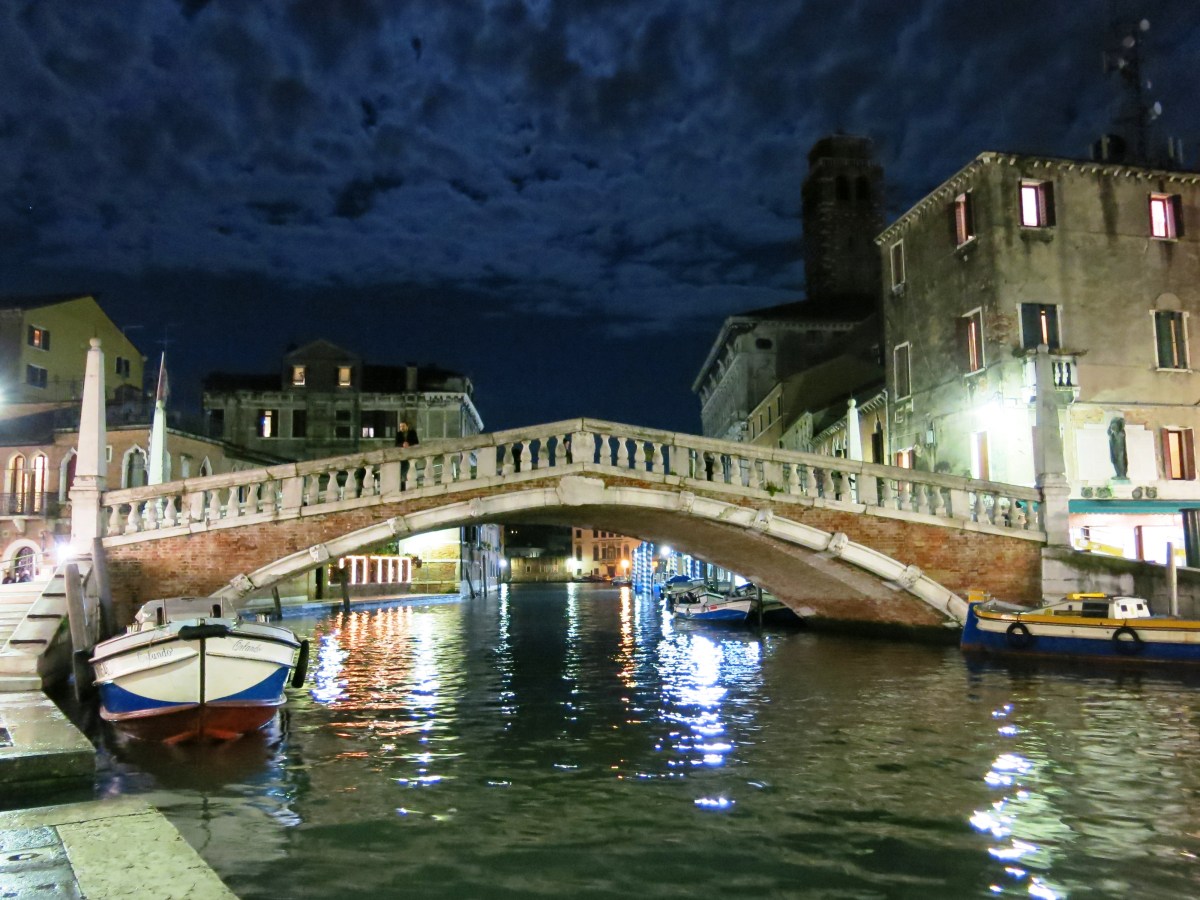
Venice blew me away, which was surprising. I feared that a place with so much hype could never live up to its reputation. In fact, I almost didn’t go at all. But I am so glad I did!

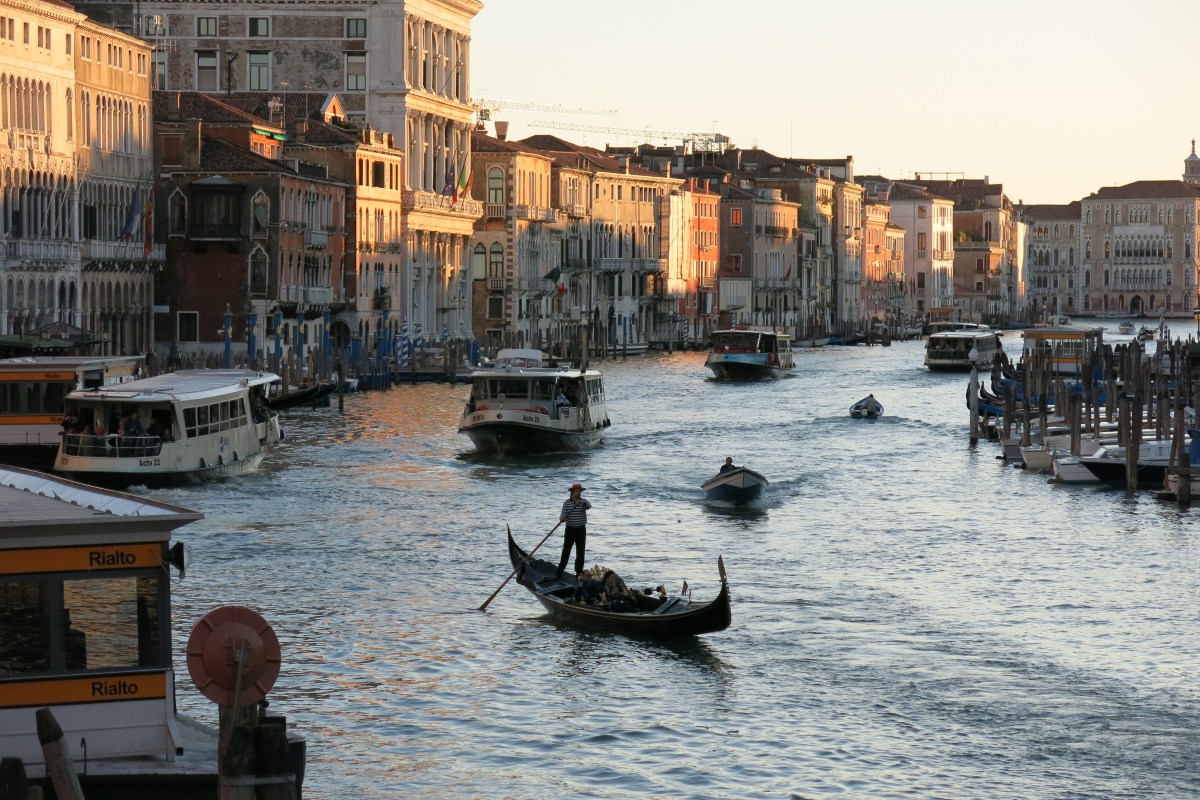
Venice is just as beautiful and romantic as everyone says it is. It is not, however, hot and smelly and full of rats (as some people say as well). Perhaps that was just my luck as I went in April before it got too hot and crowded. Bottom line: seeing Venice is a must!

Dos

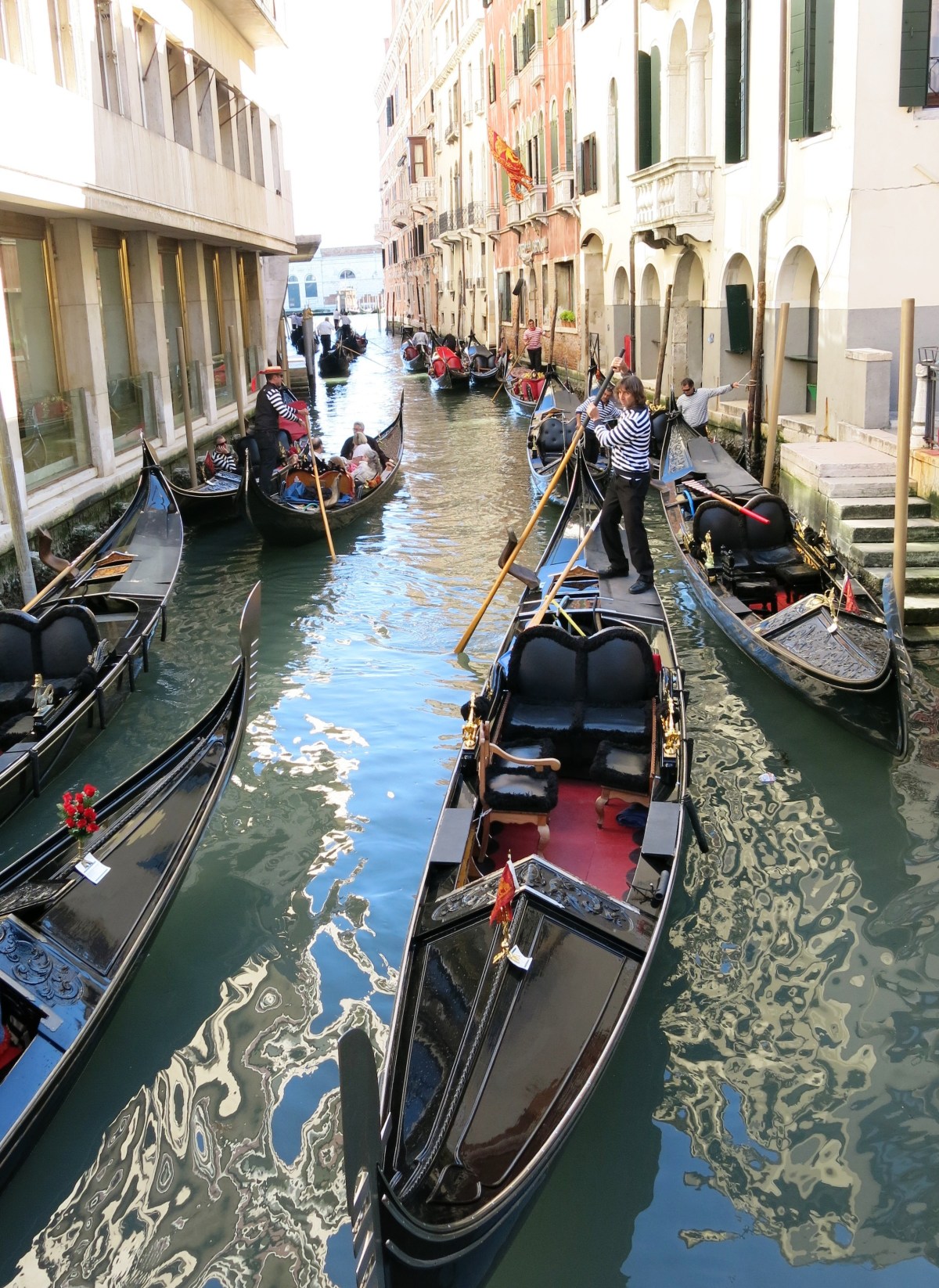
  • Take a water taxi on the Grand Canal. If you can, get a seat at the front—you’ll get some amazing photos.
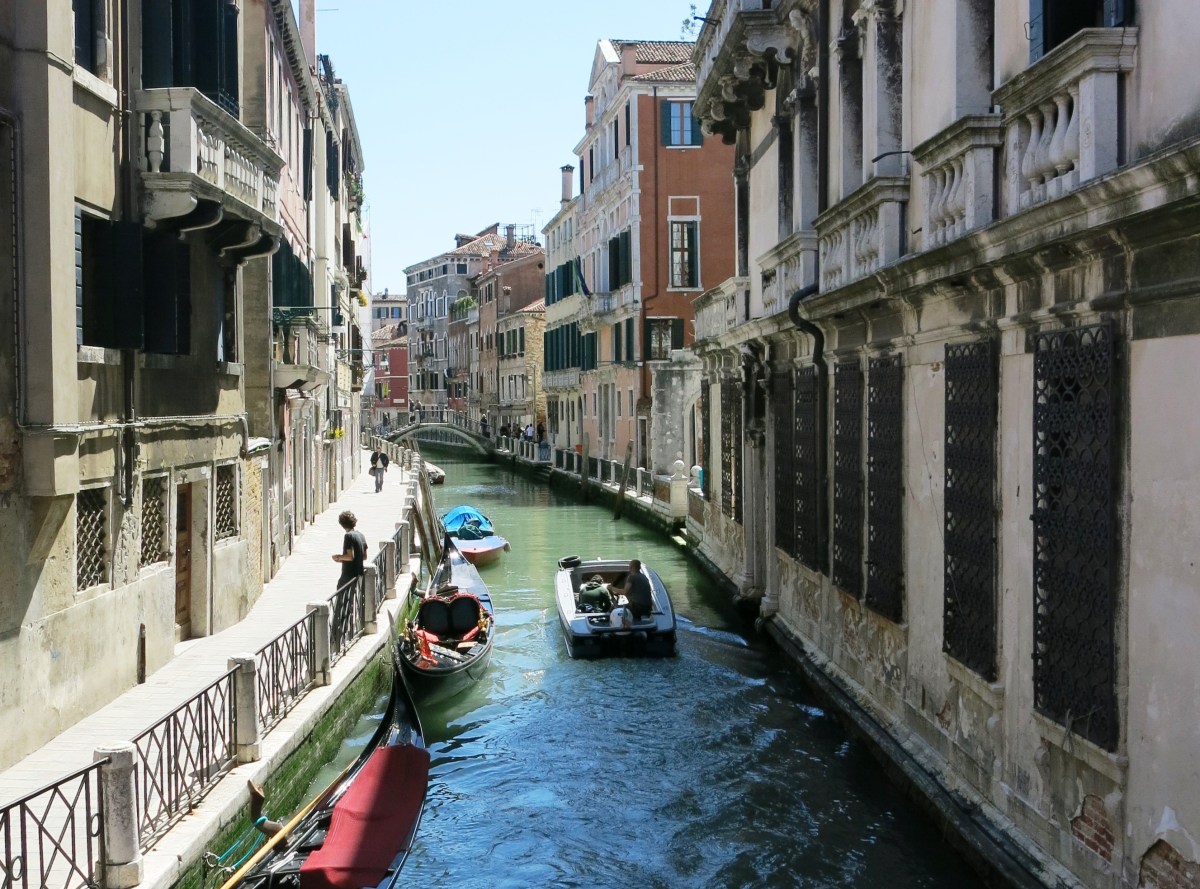
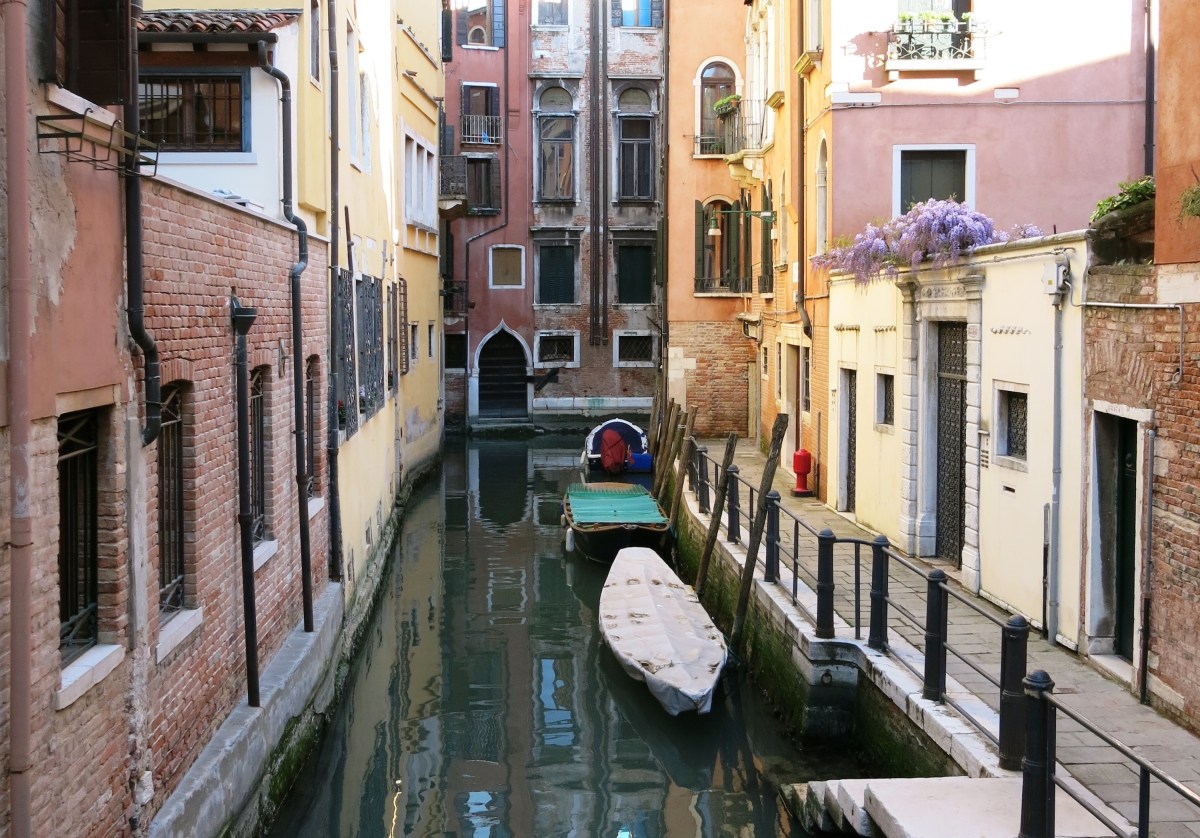
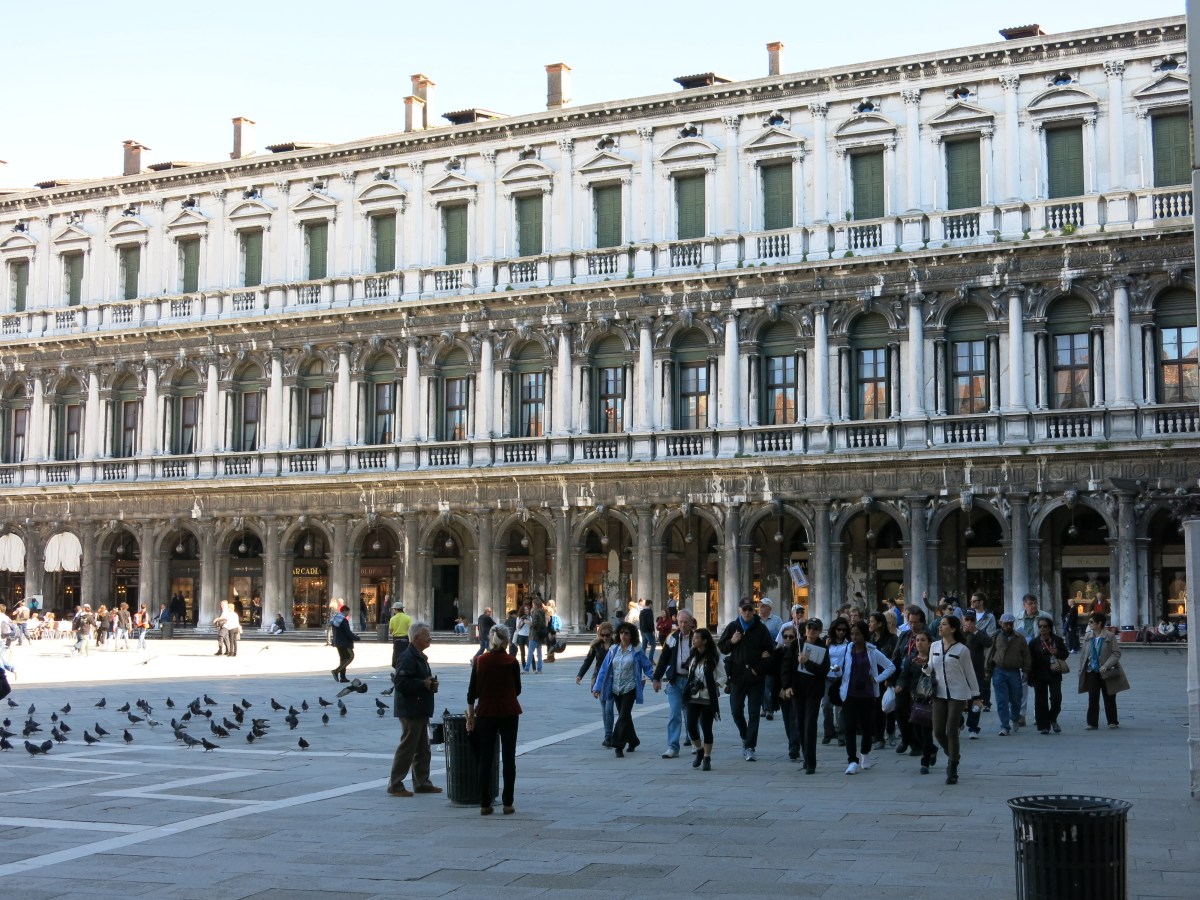
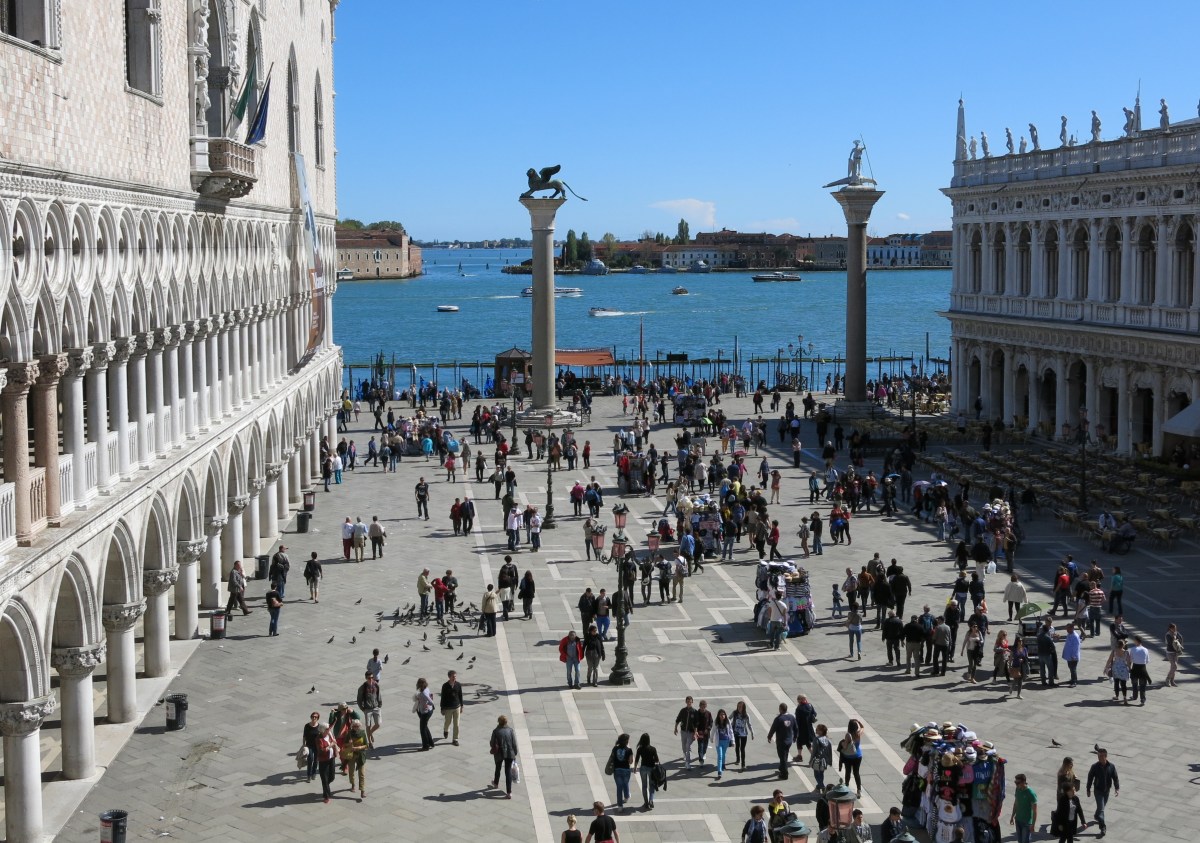
  • Get lost. Walking around Venice is the best way to see it. There’s beauty around every corner from an unexpected statue to a windowsill garden.
  • Buy a glass bead necklace. They are lovely and it’s a souvenir you can wear instead of just sticking on a shelf.

Don’ts

  • Expect great food without a hunt. Venice is notorious for peddling sub-par cuisine to tourists. The pizza I ordered from a street cafe was barely edible and the pasta I ordered in a sit-down was just average. Even the famed Aperol Spritz was a no for me; it looks and tastes like DayQuil. (Sorry spritz lovers!)
  • Ride a gondola. They’re expensive and the waterways are crowded. I didn’t ride one and I don’t feel like I missed out on my Venetian experience. (If you’re not on a budget, go ahead and splurge. It must be popular for a reason, right?)
  • Accept a free rose. If you do, you’ll be hassled for money afterward. Though I said no thank you, one man was so persistent that he tried to shove the flower in my hands even after I backed all the way up against a wall to get away from him.

Restrooms
There are public restrooms in Venice but I never came across one. The easiest thing to do is to stop by a café and buy a drink. You’ll want a water or soda throughout the day anyway.

Venice

Venice

Venice

Venice

Venice

Venice

Venice

Venice

Venice

Venice

Venice

Venice

Venice

Venice

Venice

Venice

Venice

???????????????????????????????
Venice

Venice

Venice

Venice

Venice

Venice

Venice

Venice

Venice

Venice

Venice

Venice

Venice

Ancient and Charming: Avignon and Pont du Gard

Avignon was our kind of town. Walled-in, tree-lined and secluded.

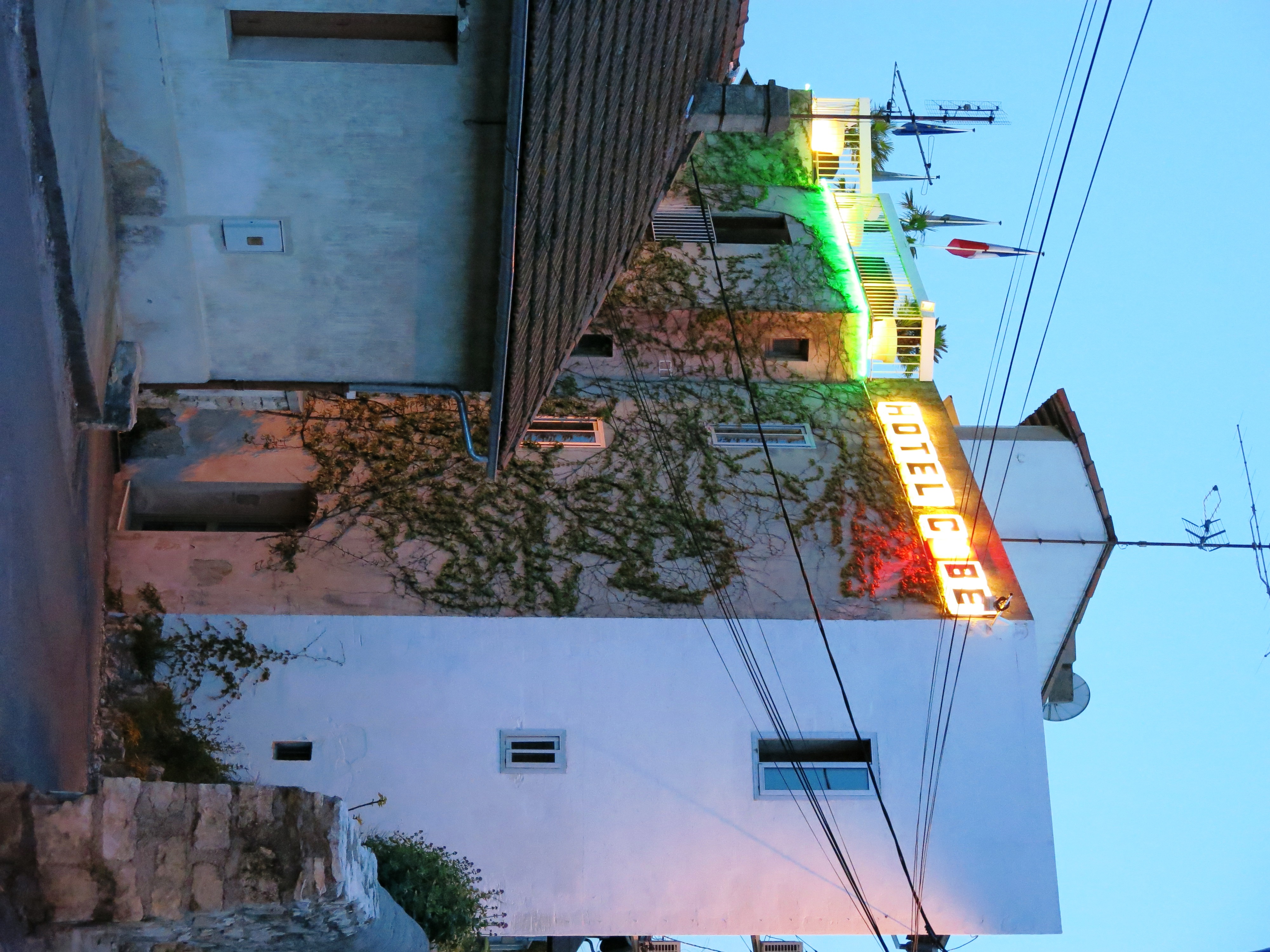
We stayed just across the Rhone at the Cube Hotel. It was a 20 minute walk to Avignon, a 20 minute walk to Fort Saint-André, and a half hour bus ride to Pont du Gard.

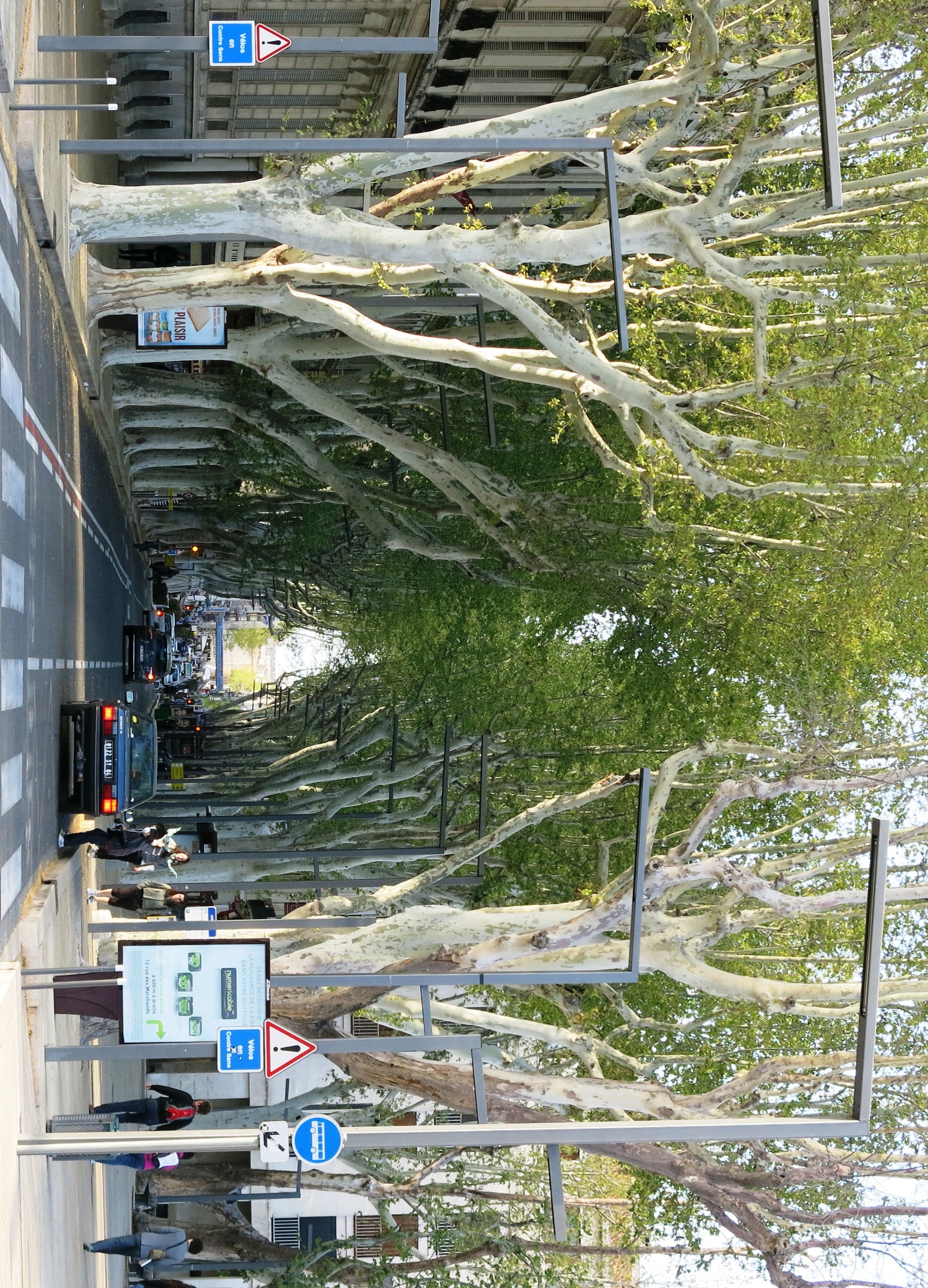
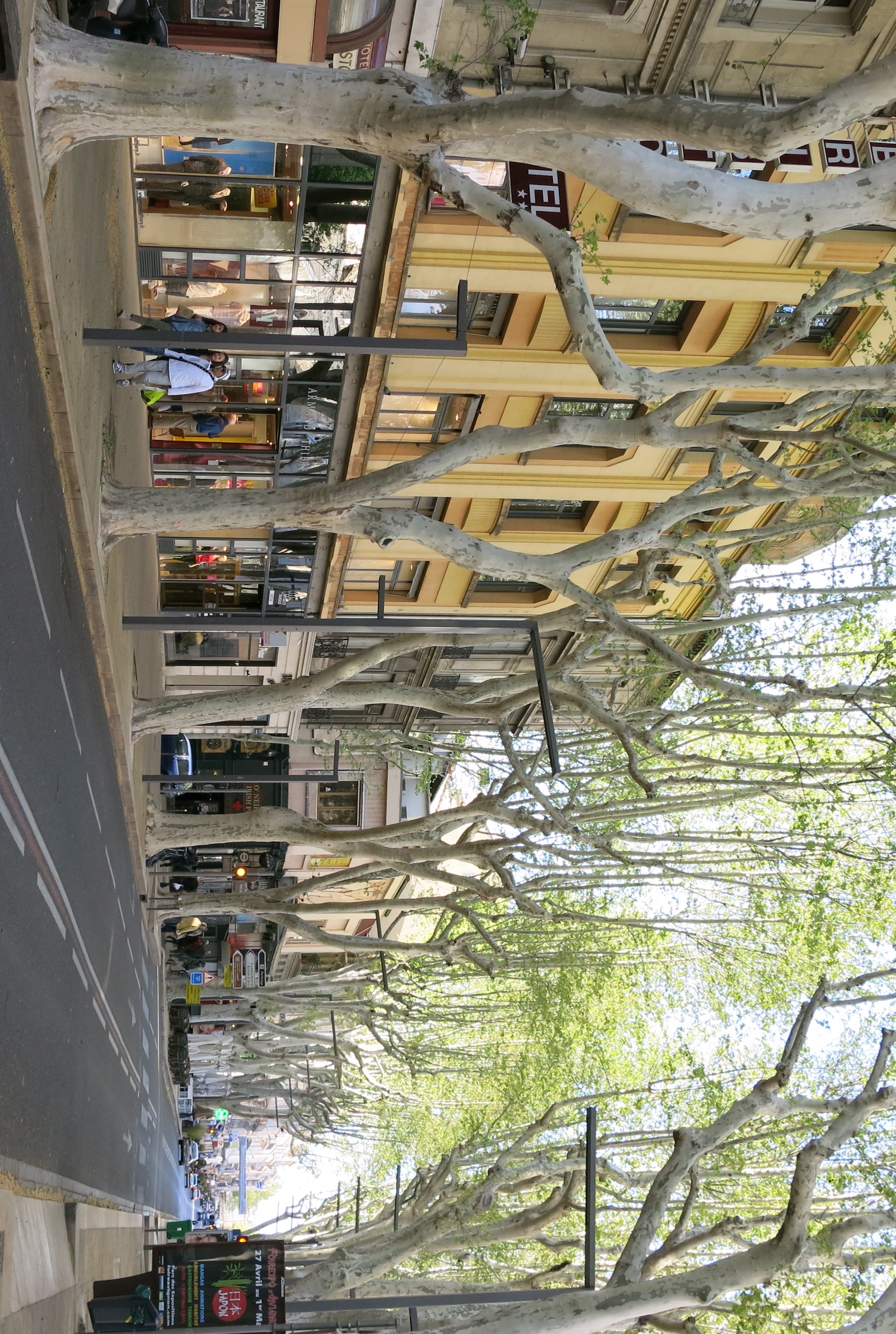
In Avignon, we spent days strolling the tree-lined streets filled with cafes, sweet shops and clothing stores. There was a carousel in the middle of town, accordion players playing on street corners, and souvenir shops selling lavender soaps and tiny music boxes.

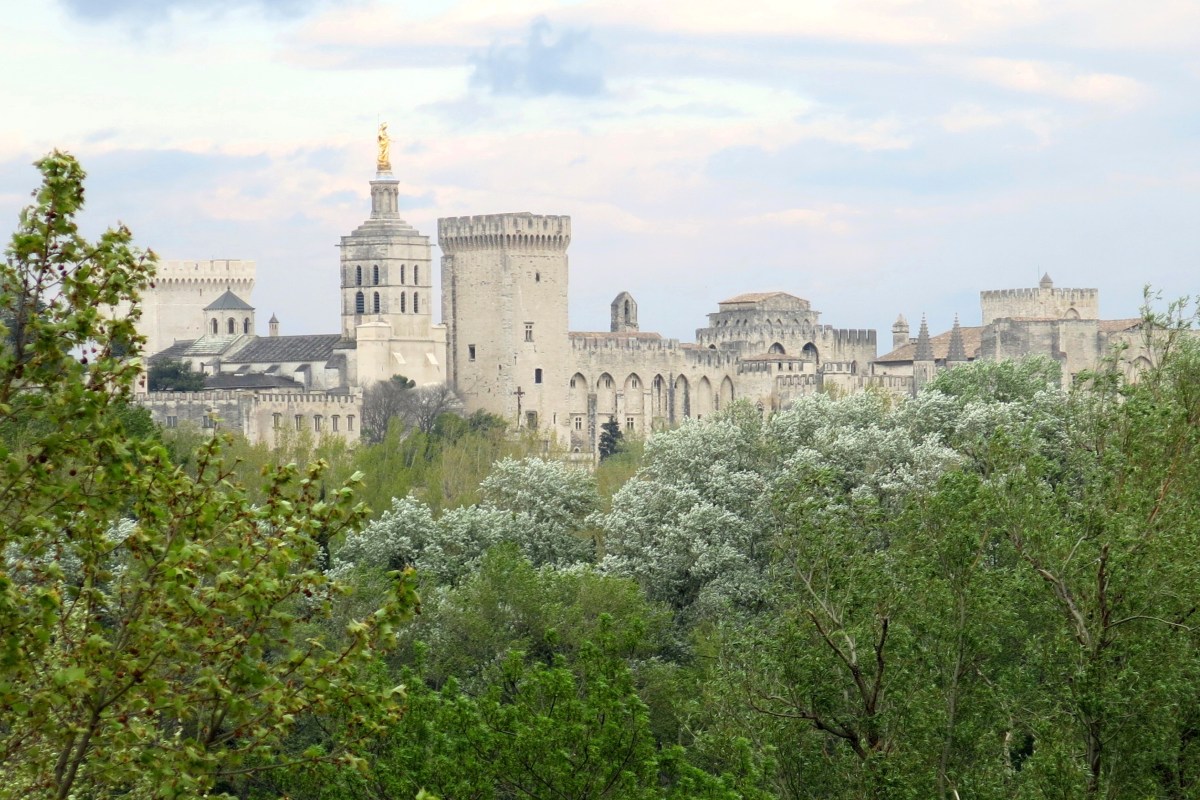
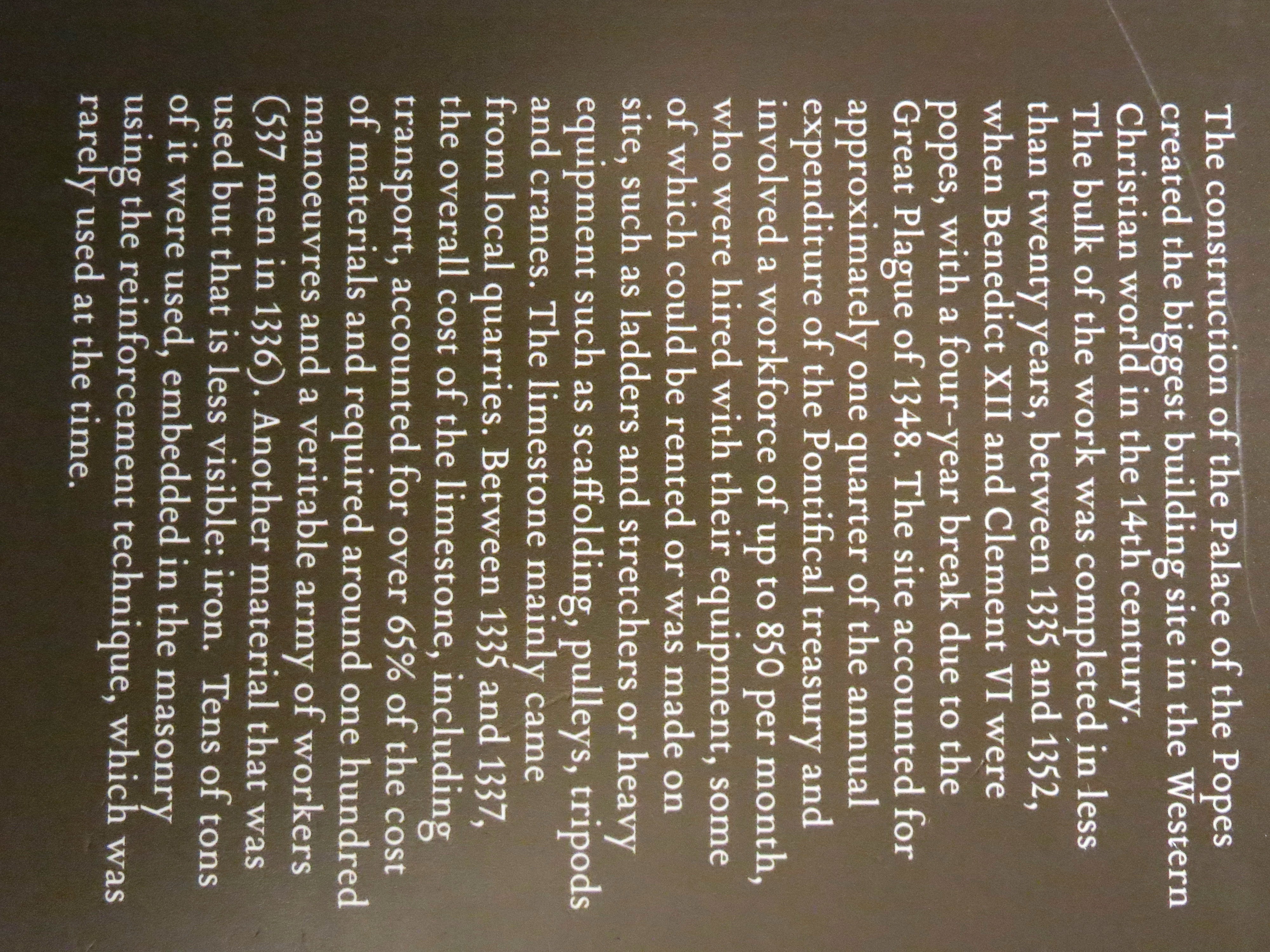
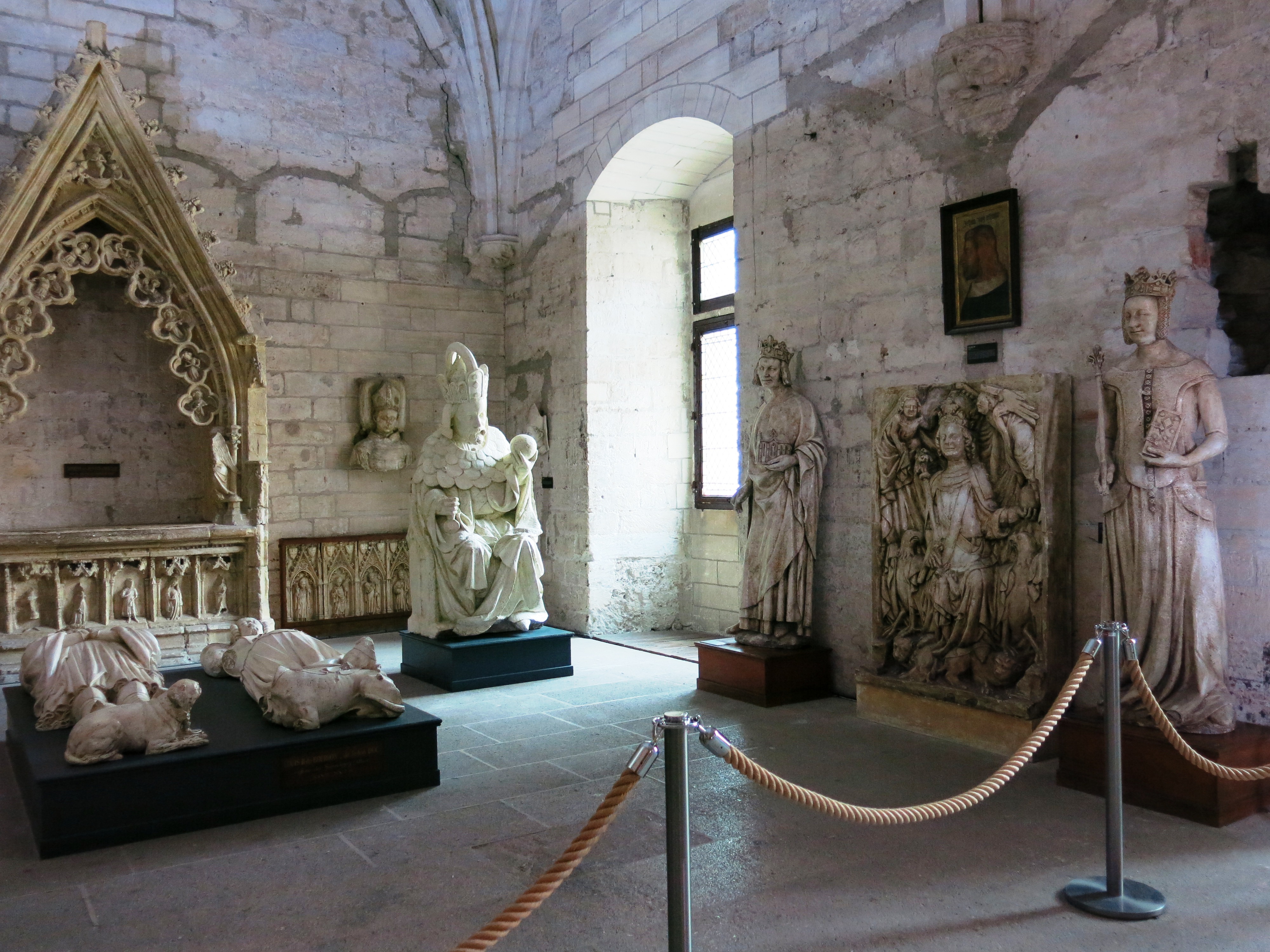
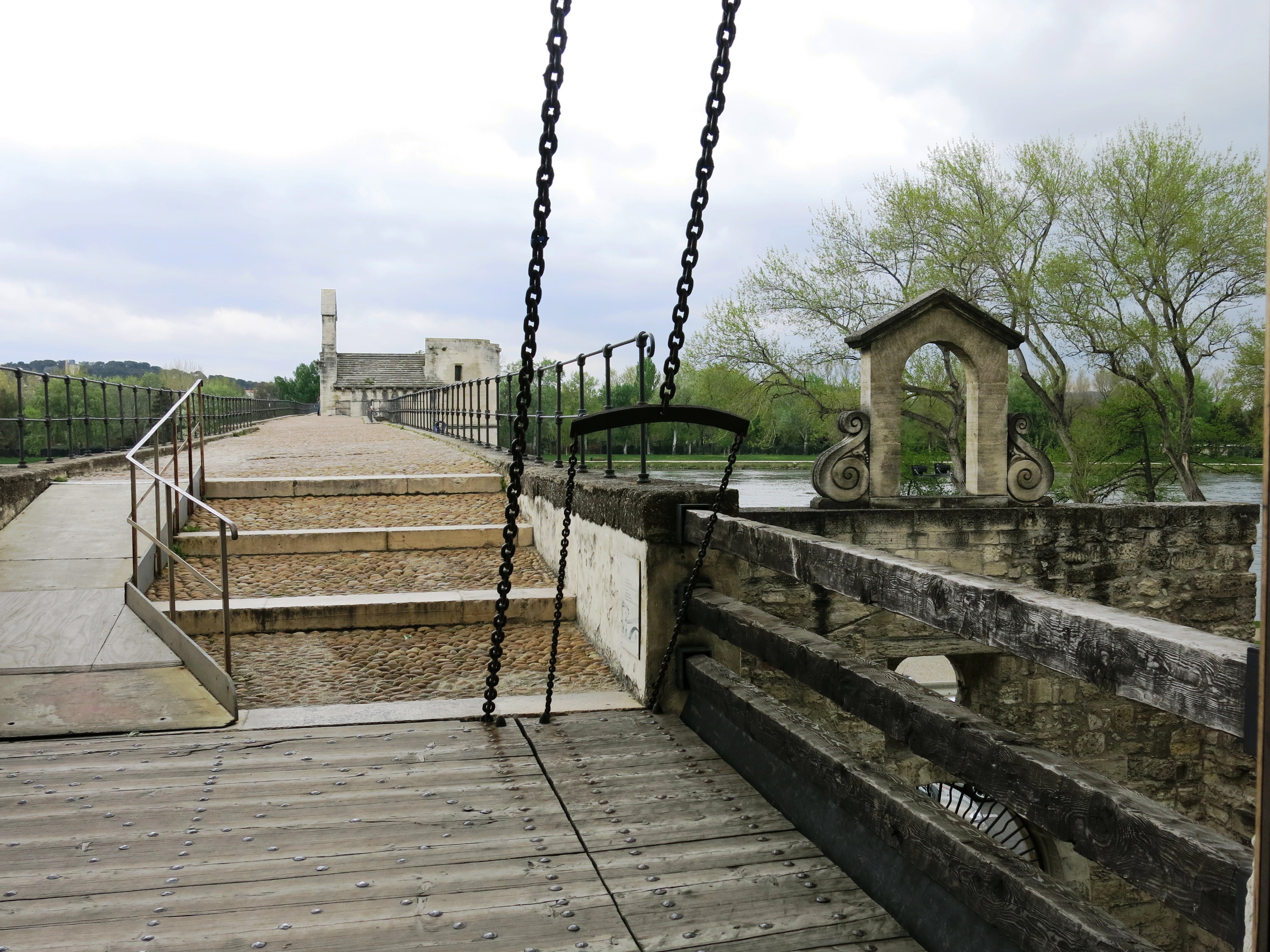
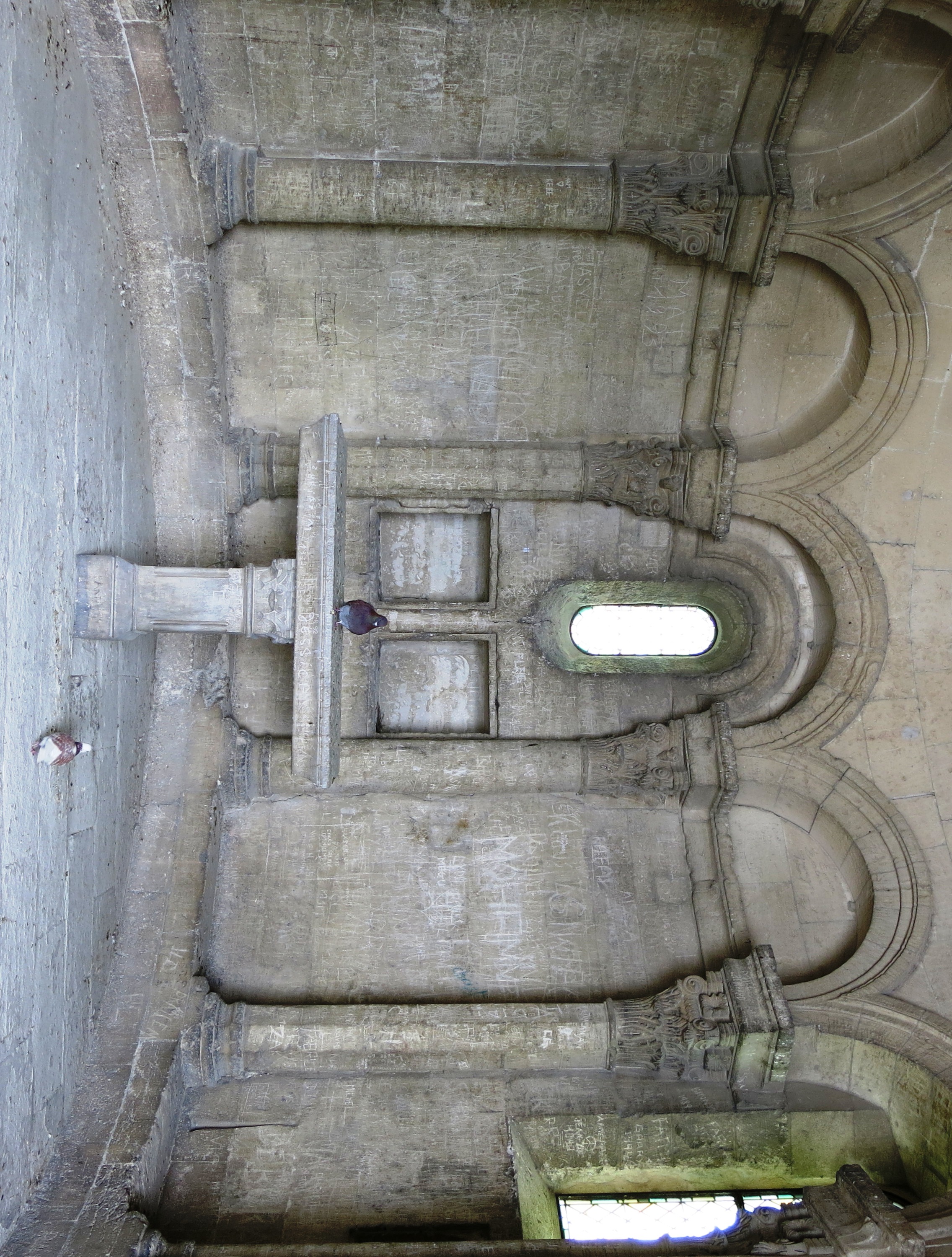
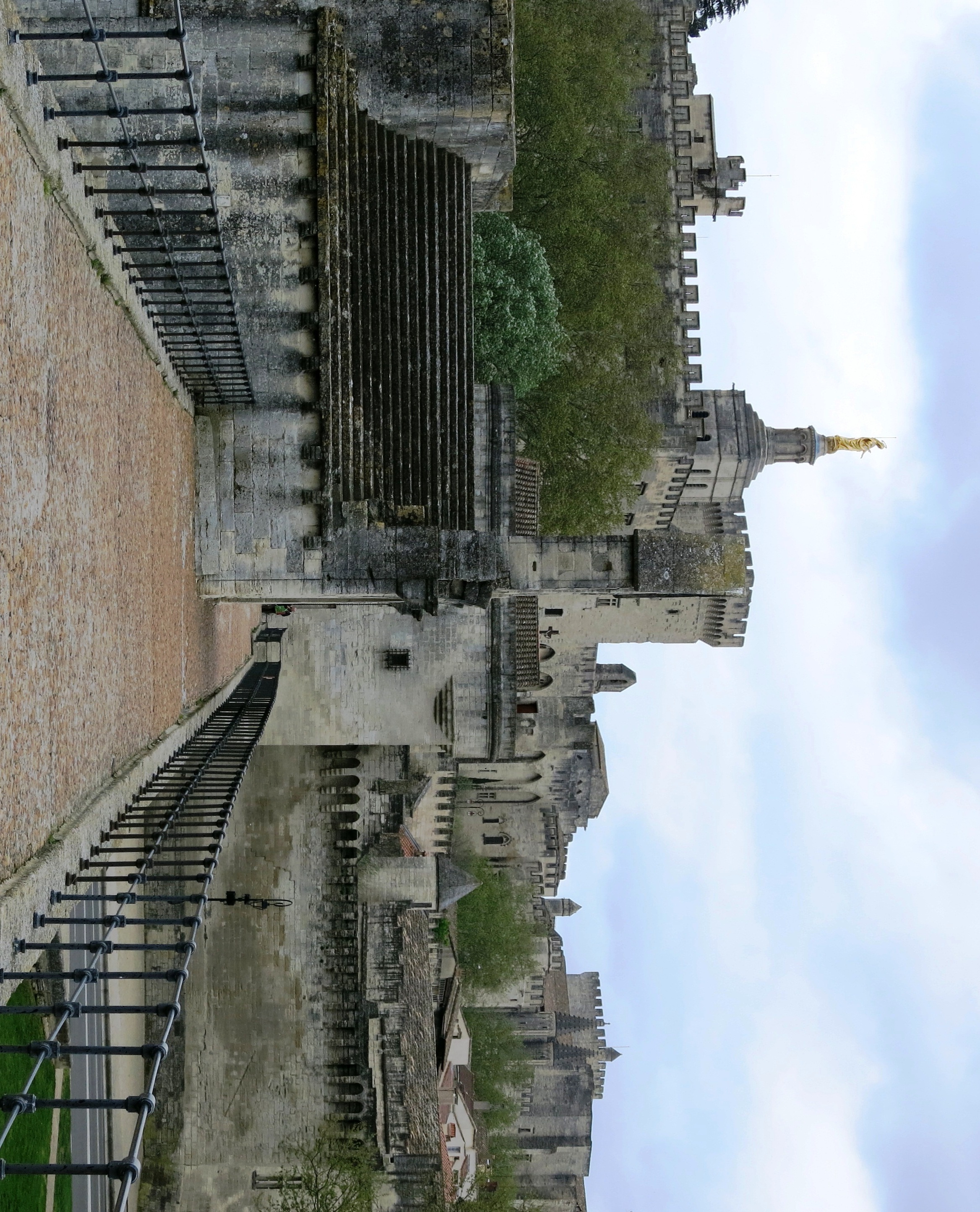
We toured the Palais des Papes, a medieval Gothic church that was the residence of the Popes in the 14th century, and Pont d’Avignon, a stone bridge whose construction was inspired by a shepherd boy who was commanded by angels to build it. There is a small chapel on the bridge that once held the boy’s remains.

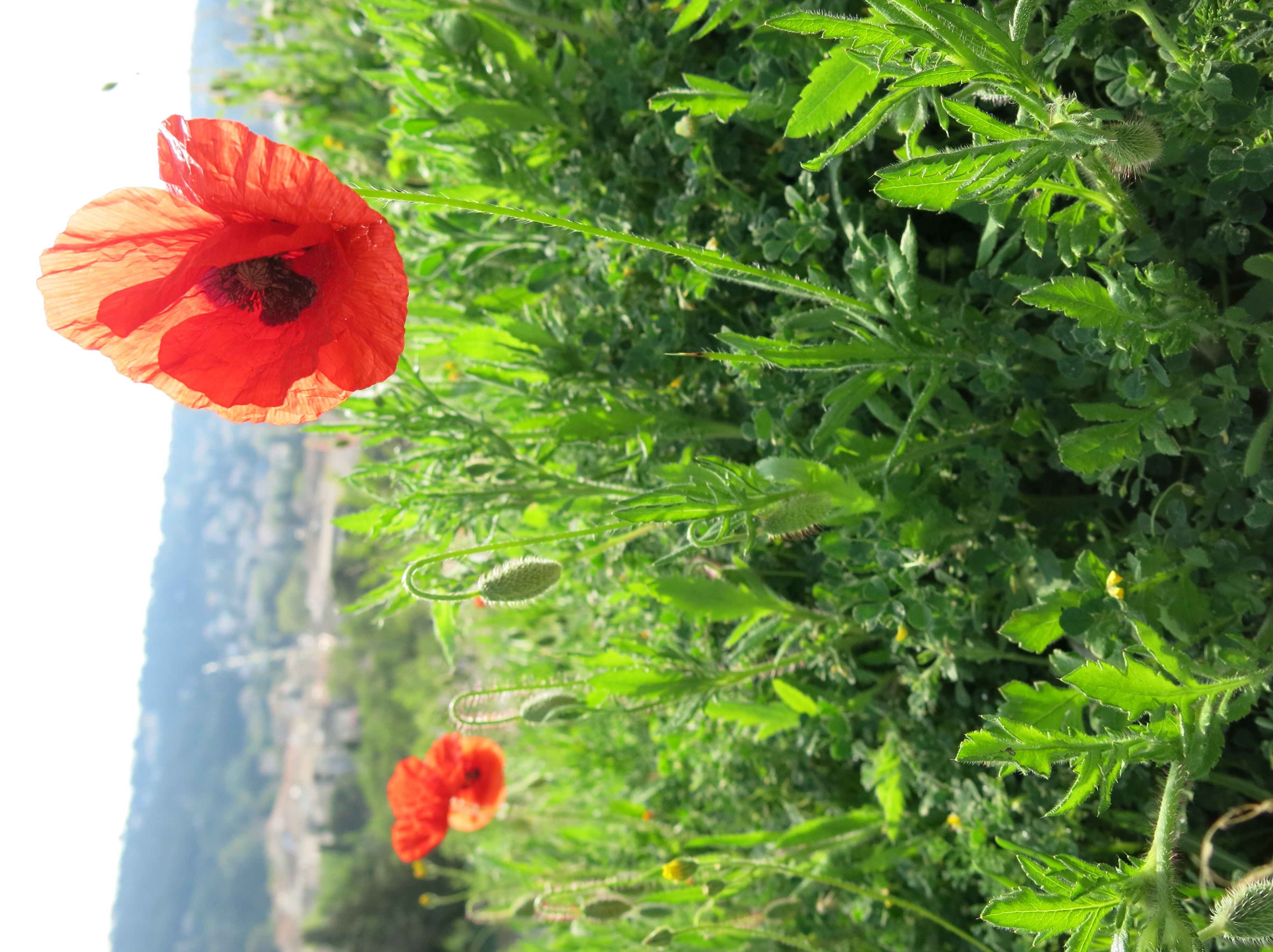
Across the river in Villeneuve-lès-Avignon, we walked up the hill to Fort Saint-André. It had just closed when we got there so we walked around the entrance taking pictures. There were olive trees, wisteria and poppies, and from the hilltop we could see all of Avignon peeking out above the treetops. It looked like something from a dream.

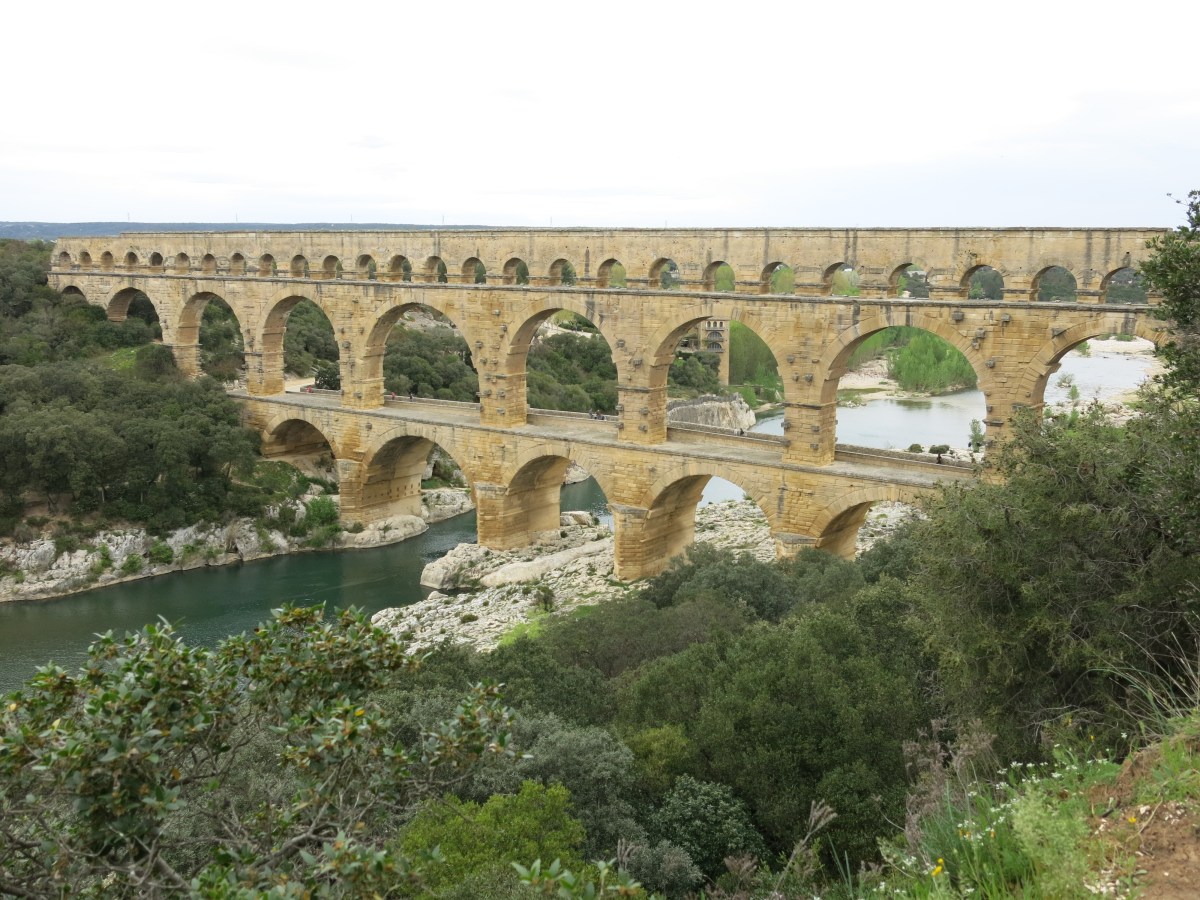
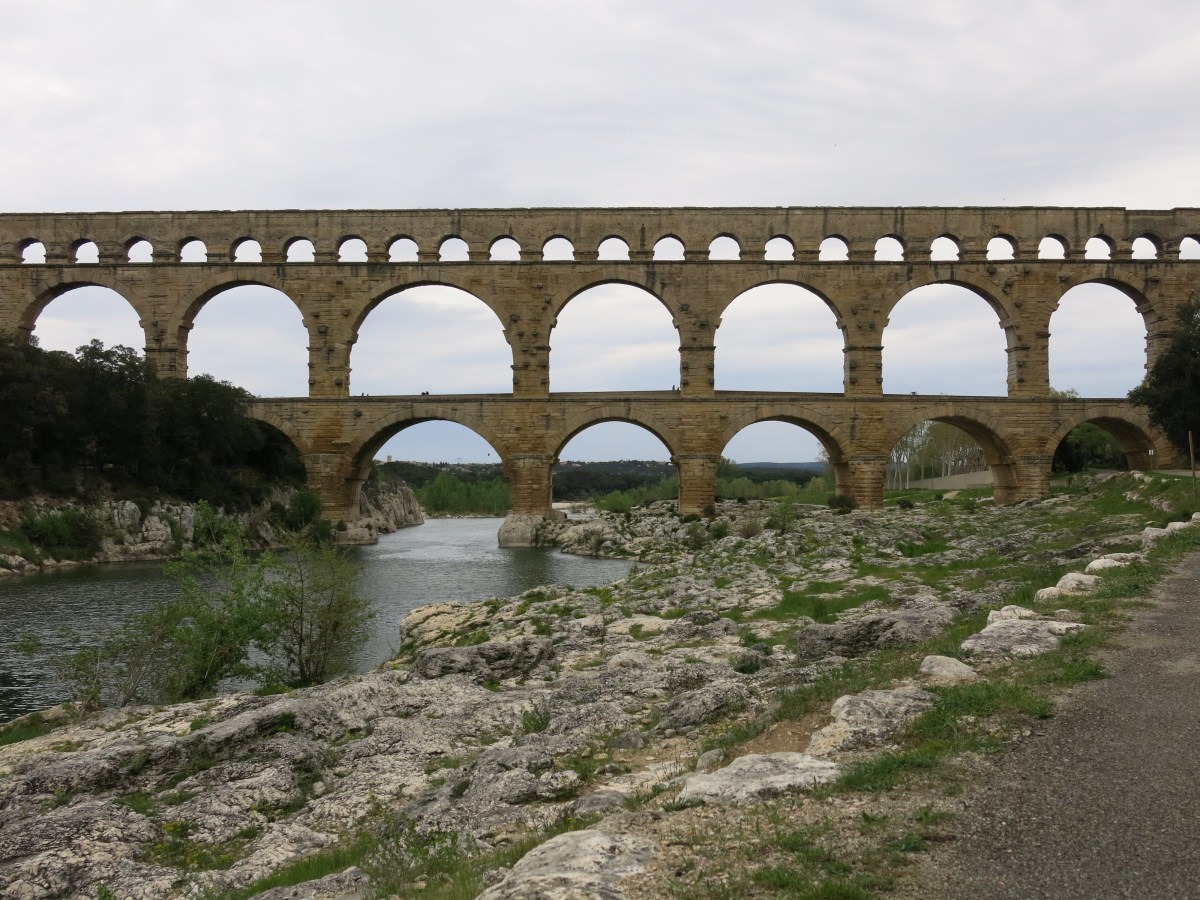
We also visited Pont du Gard, an ancient Roman aqueduct bridge half an hour away. When we arrived it was cold and rainy so we ducked inside the museum for a while. We learned about Roman life and how Pont du Gard was built, the genius behind its planning and creation. And then we saw the bridge itself. Three tiers of limestone arches standing 160 feet tall, built 2,000 years ago over the Gardon River.

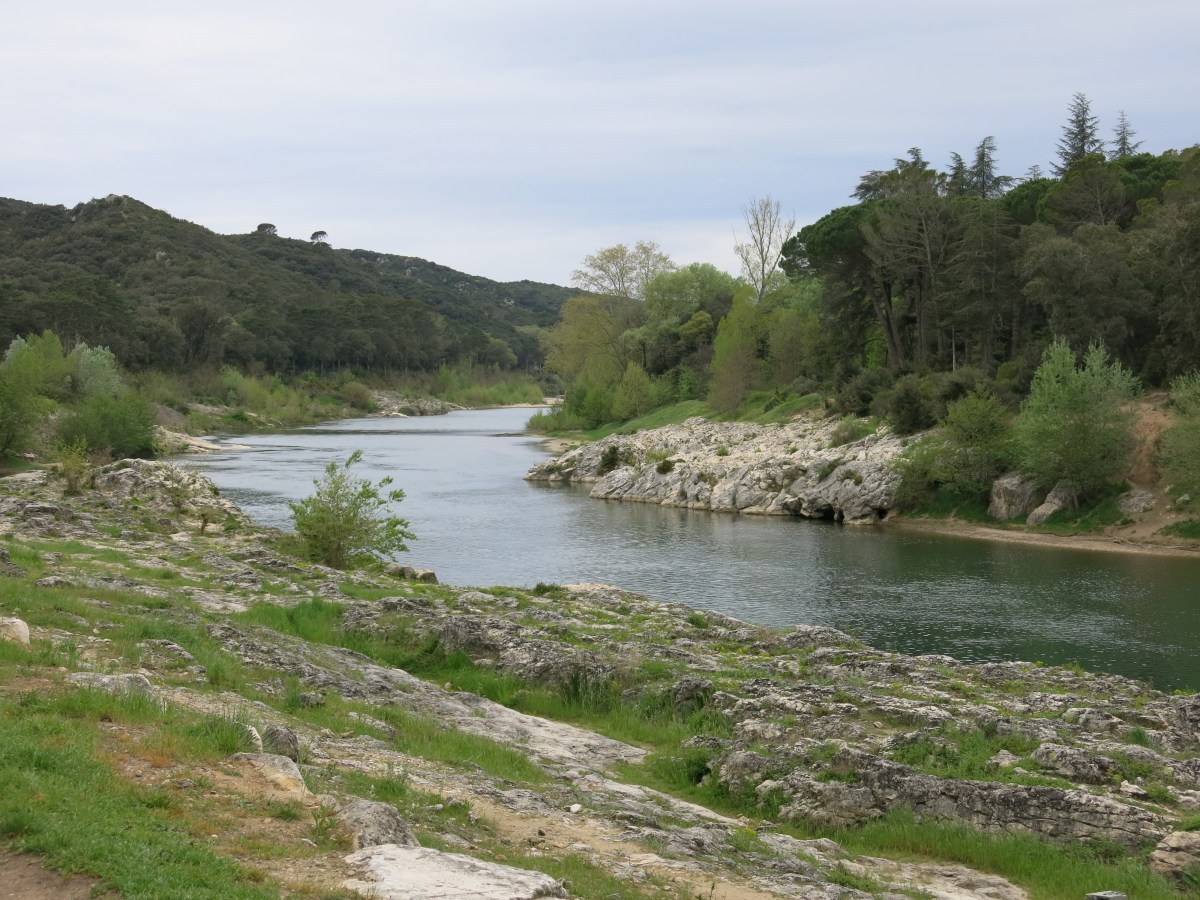
We walked along the lower tier, hiked the rugged trails on the left bank and walked through the 15-acre Mediterranean garden on the right bank. Then we headed back to the hotel, ordered a pizza and a bottle of red wine from Pizza Il Palio and looked out across the Rhone from our hotel room.

Avignon was my first introduction to France and it lived up to all of my expectations. And of all the places we visited, Avignon had the most charm. I didn’t want to leave.

Avignon
Avignon
Cube Hotel, Villeneuve-lès-Avignon
Avignon
Avignon
Avignon
Avignon
Avignon
Avignon
Avignon
Avignon
Palais des Papes
Palais des Papes
Palais des Papes
Palais des Papes
Palais des Papes
Palais des Papes
Palais des Papes
Palais des Papes
Palais des Papes
Palais des Papes
Pont d'Avignon (Avignon bridge)
Pont d’Avignon (Avignon bridge)
Pont d'Avignon (Avignon bridge)
Pont d’Avignon (Avignon bridge)
Pont d'Avignon (Avignon bridge)
Pont d’Avignon (Avignon bridge)
Pont d'Avignon (Avignon bridge)
Pont d’Avignon (Avignon bridge)
Avignon
Avignon
Avignon
Avignon
Fort Saint-André (Villeneuve-lès-Avignon)
Wisteria, Villeneuve-lès-Avignon
Poppy, Fort Saint-André (Villeneuve-lès-Avignon)
Rhone river, Villeneuve-lès-Avignon
View of Avignon from Villeneuve-lès-Avignon
Pont du Gard
Pont du Gard
Pont du Gard
Pont du Gard
Pont du Gard
Pont du Gard
Gardon River, Pont du Gard


Pizza il Palio, Villeneuve-lès-Avignon


Pizza il Palio, Villeneuve-lès-Avignon


Pizza il Palio, Villeneuve-lès-Avignon


Algeciras and a Hop to Gibraltar

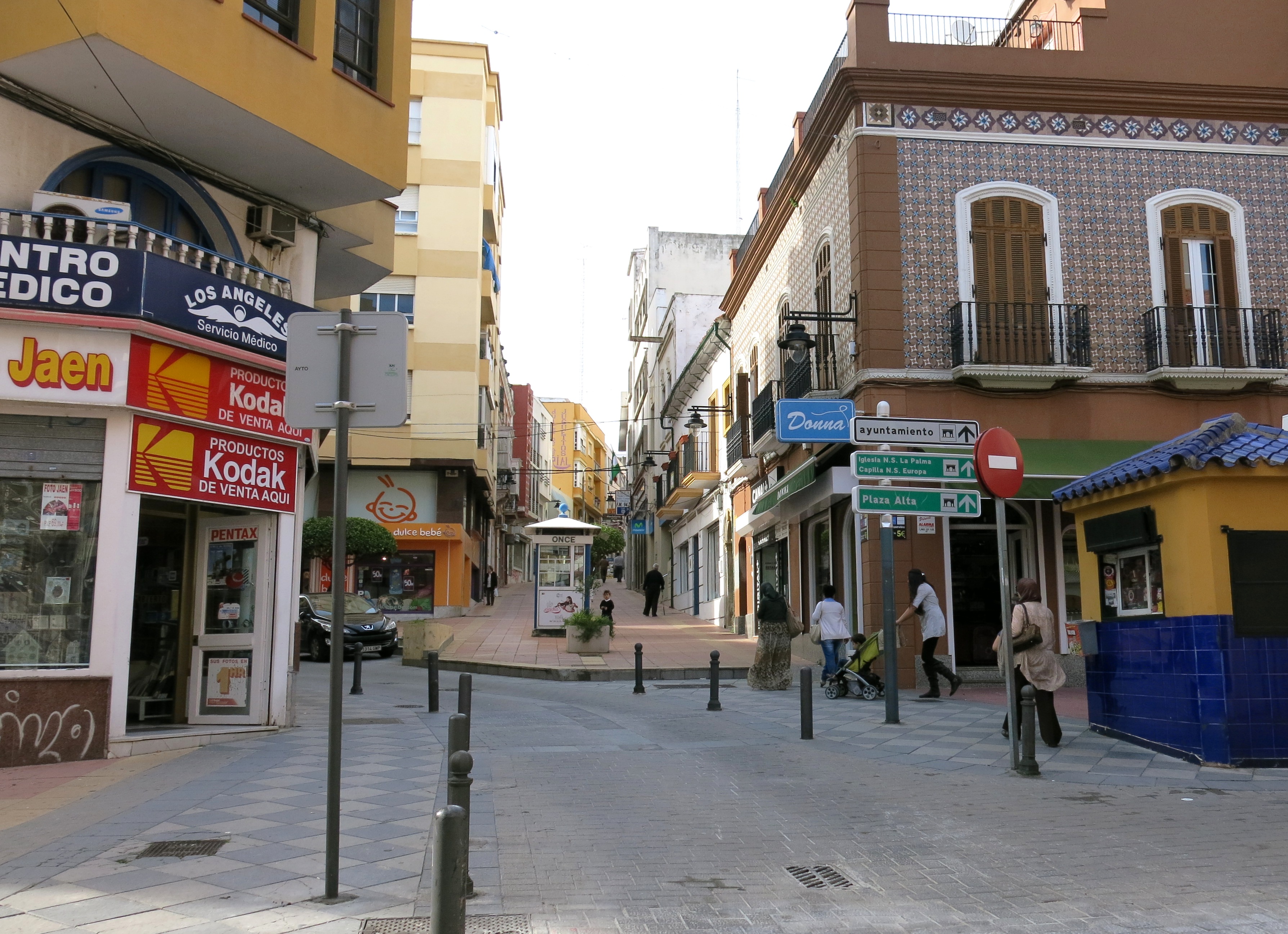
When our ferry from Tangier arrived in Algeciras, we checked into our hostel and spent the rest of the day walking around the city. We restocked on toiletries, hit the ATM for Euros (transitioning from Moroccan Dirhams), and gorged ourselves on gummy candies from a small candy shack we stumbled upon. Then we stopped by a café for some beer and real food: bocadillos de lomo—pork loin sandwiches on baguettes.

The next day, before our train to Granada, we took a detour to Gibraltar. Getting there required a bus ride to a town called La Linea de la Conception and then a border crossing since Gibraltar is a British Overseas Territory.

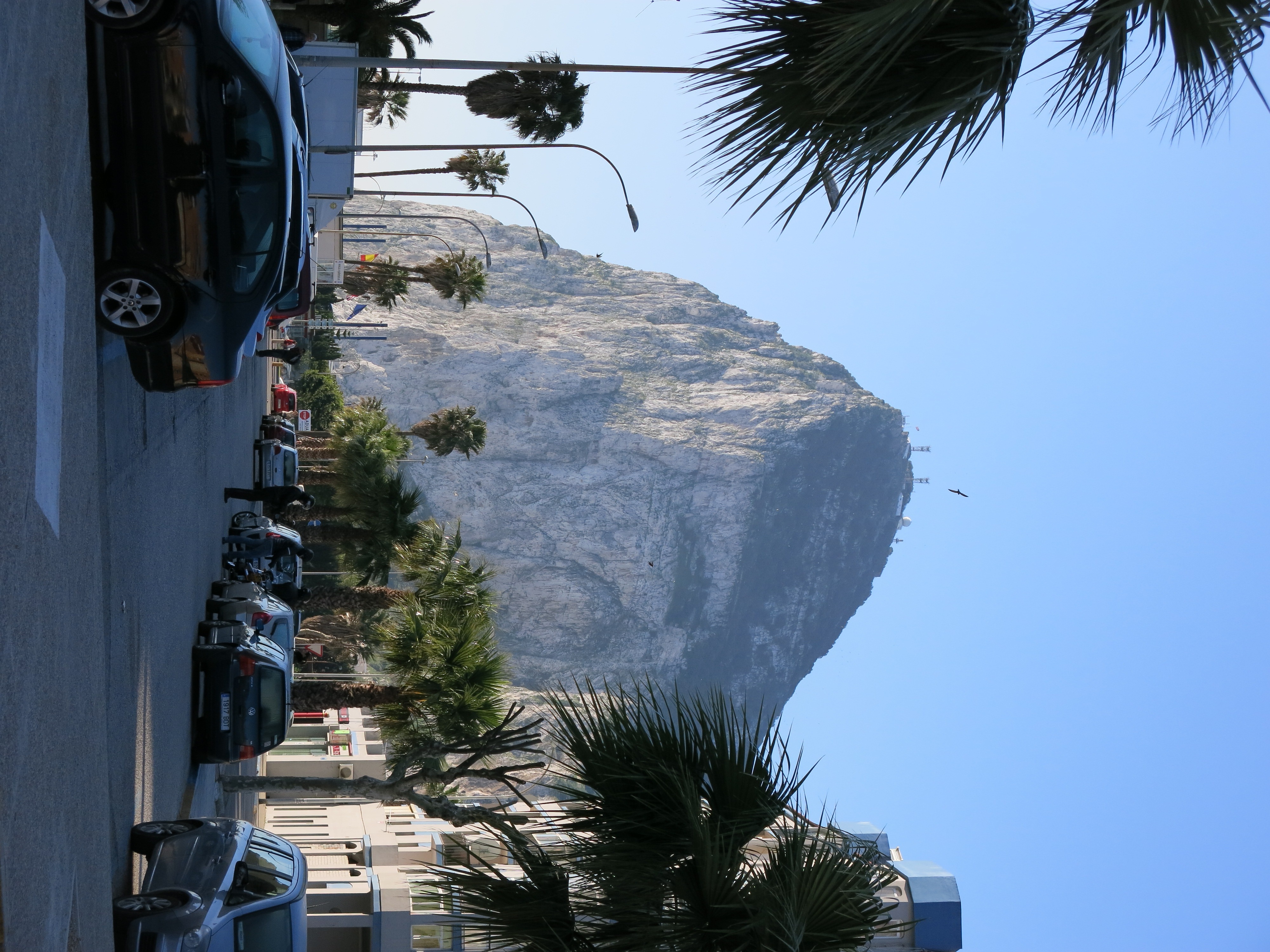
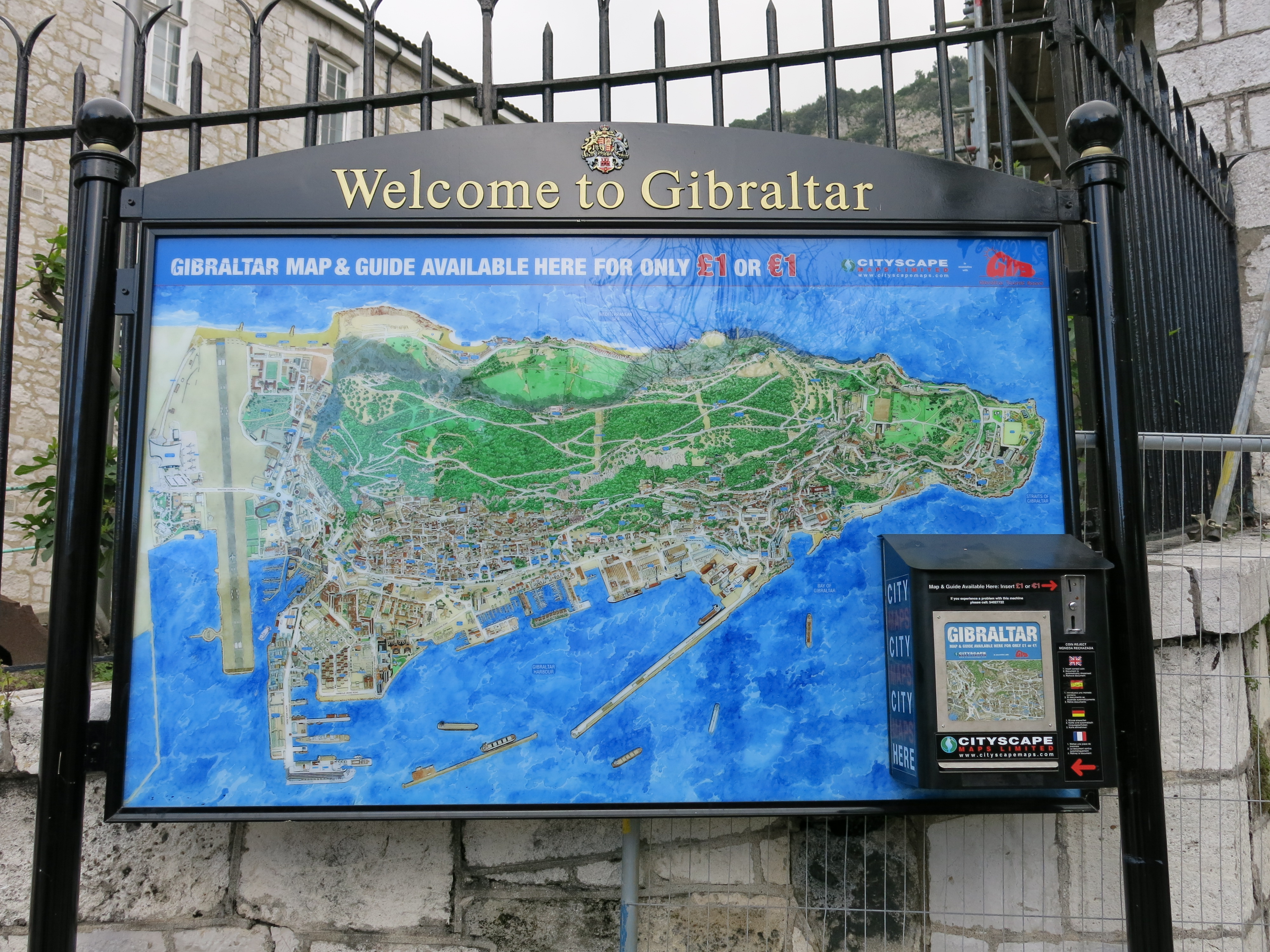
For such a small place (2.6 square miles), there was a surprising amount of stuff to see and do including a castle, the Mediterranean Steps (a long, steep walk up the Rock of Gibraltar), a nature reserve with monkeys, and a cave steeped in legend (including the idea that it was connected to Africa underwater).

We talked to a guide about tours but we didn’t have enough time, so we made the most of our two hours by ourselves. Only later did I learn about Gibraltar’s long and interesting history—from its Neanderthal inhabitants to its military history to its hotly debated status as a British territory—and I wish we had planned for a full day.

But what we did see was still pretty cool, especially since visiting Gibraltar was a squeezed-in bonus.

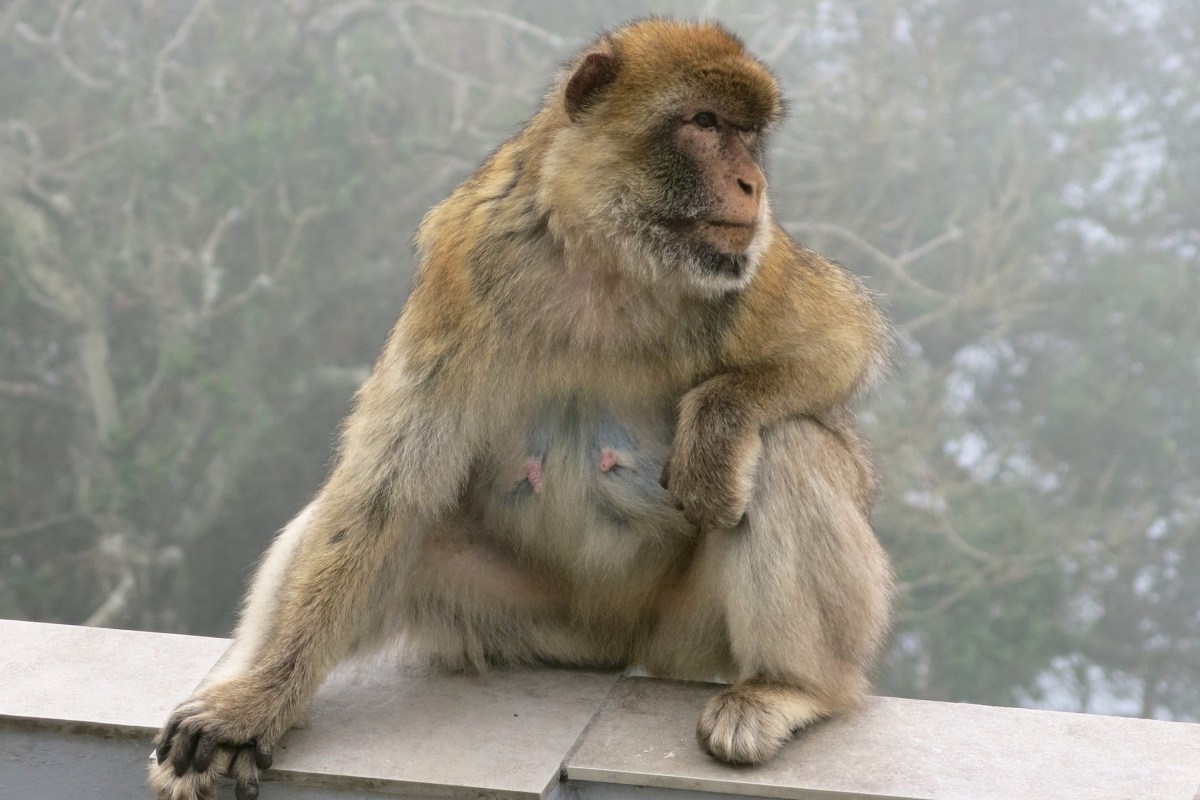
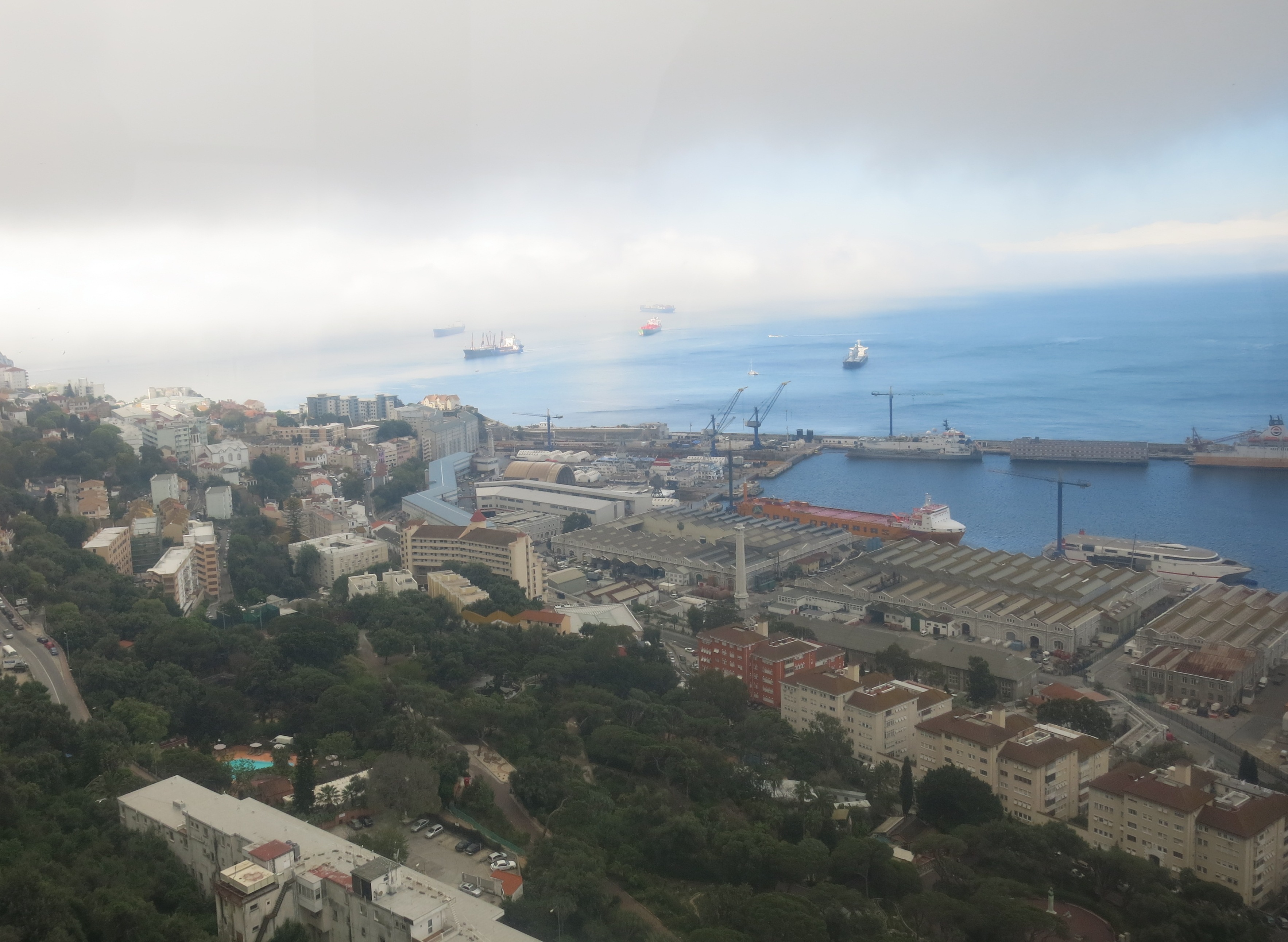
First, we took the cable car to the top of the Rock. Inside the gondola we gazed out at the city and saw ships in the blue waters of the Strait of Gibraltar. When we exited the gondola, we were greeted with Gibraltar’s famed Barbary Macaques (monkeys). They ran around us playing and one jumped onto the woman next to me. It sat on her shoulder with its hand on her head.

Next we went up to the observation deck for a better view, but we couldn’t see a thing—we were in the middle of a cloud. Apparently, this is a common occurrence.

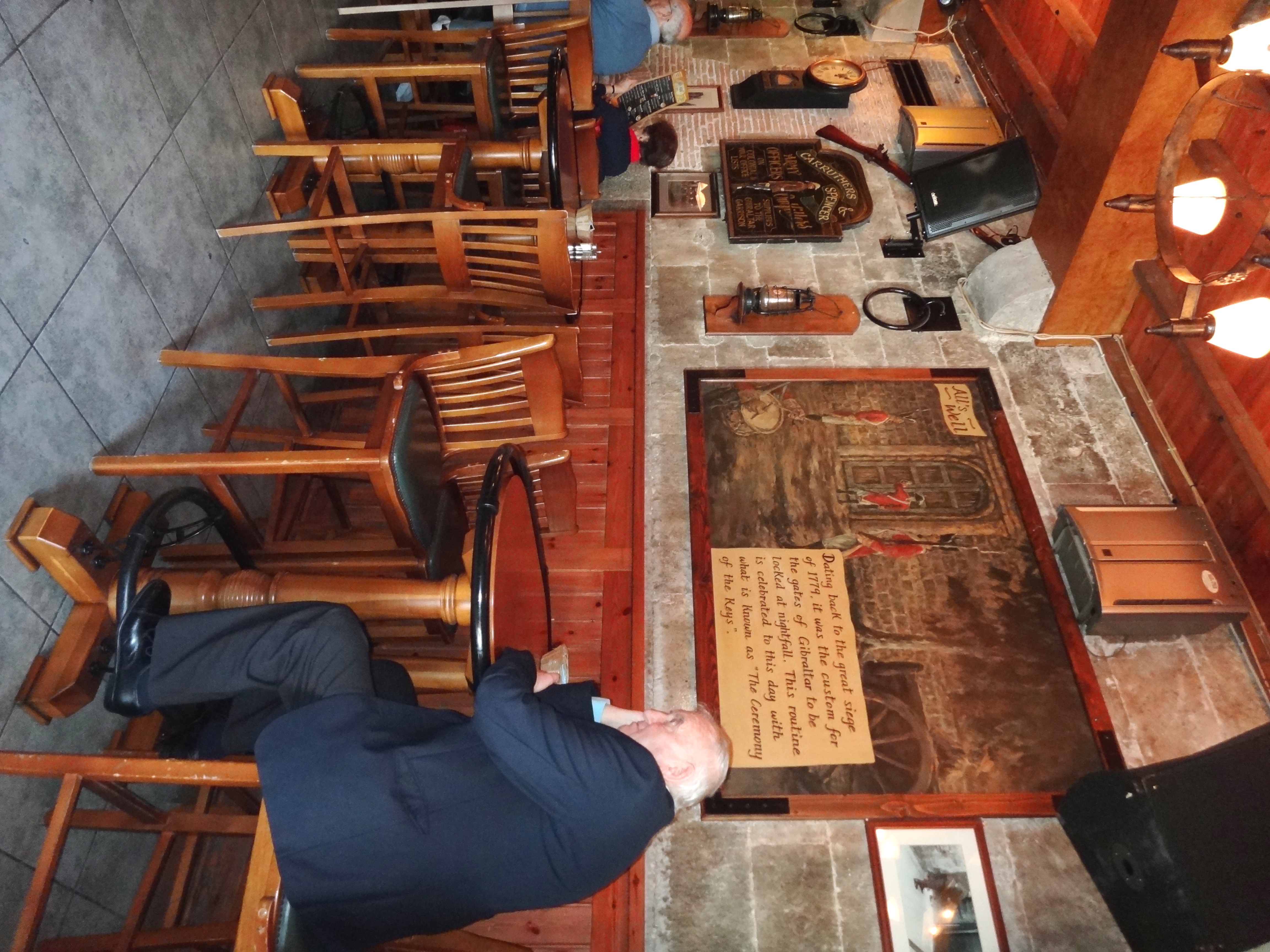
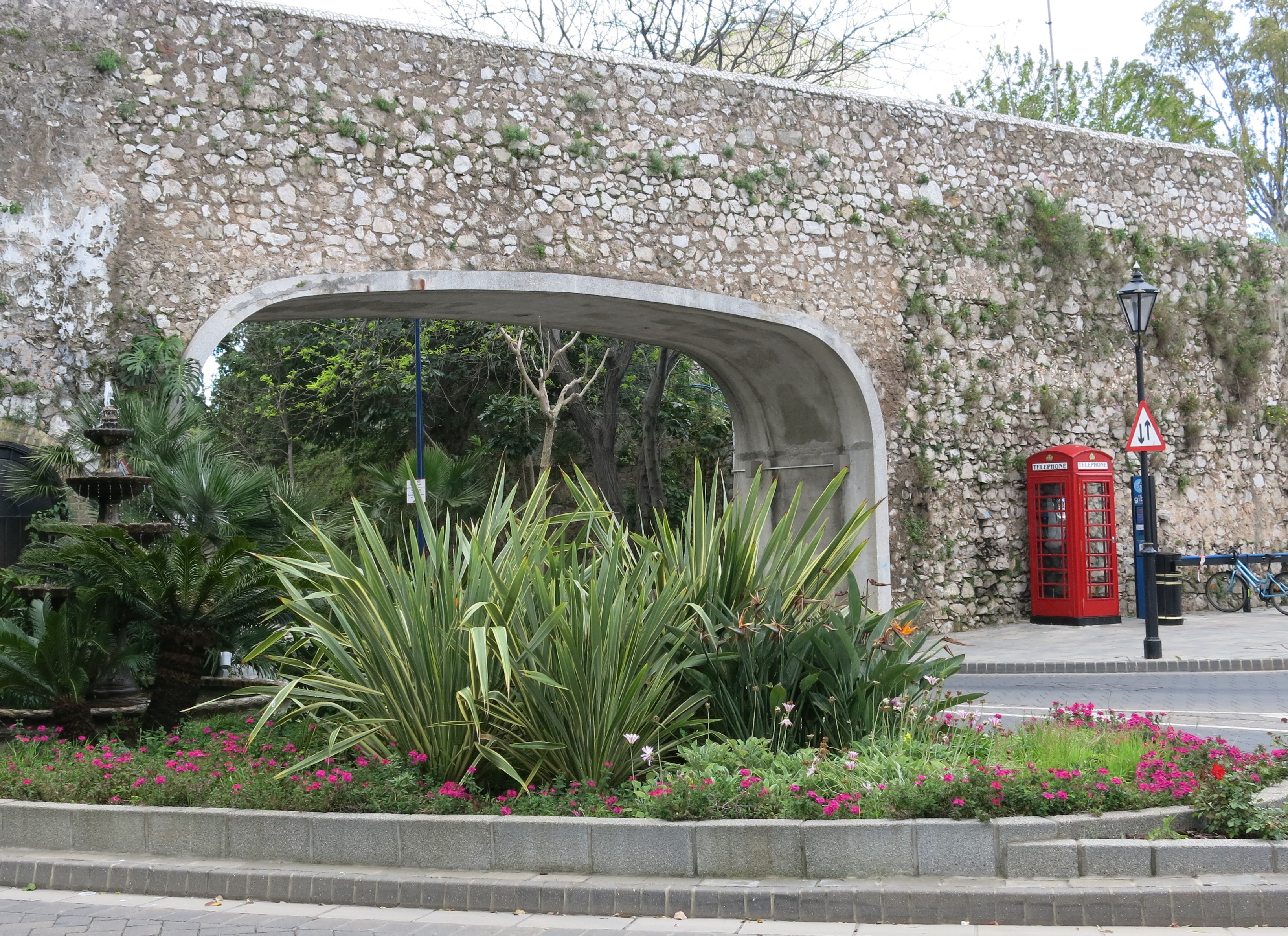
With about an hour left, we took the gondola down and hopped on and off the local bus to see as much as we could like the Trafalgar Cemetery with canopies of wisteria and the city square which showed Gibraltar’s true colors. Red telephone booths. Union Jacks. Pubs with fish and chips. It would have felt gimmicky if it weren’t in fact a British territory.

Before we left, we shared a pint of Strongbow and got a British Pound from the bartender as a souvenir. This was definitely a place I wanted to remember.

Algeciras
Street in Algeciras with candy shack
Rock of Gibraltar

Gibraltar

107
View from gondola
View from gondola
Gibraltar
View from gondola
Gibraltar
View from gondola
Gibraltar
Observation deck

???????????????????????????????Gibraltar

Barbary macaques (monkeys)
Barbary macaque (monkey)

Gibraltar

Gibraltar

Gibraltar

Gibraltar

Gibraltar

Trafalgar Cemetery


Tangier: Saying Goodbye to Morocco

After two amazing weeks in Morocco—the Hassan II Mosque in Casablanca, the Jemaa el Fna in Marrakesh, a camel trek to the Sahara, Meknes, Volubilis, Fes—our last stop in Tangier just couldn’t compare.

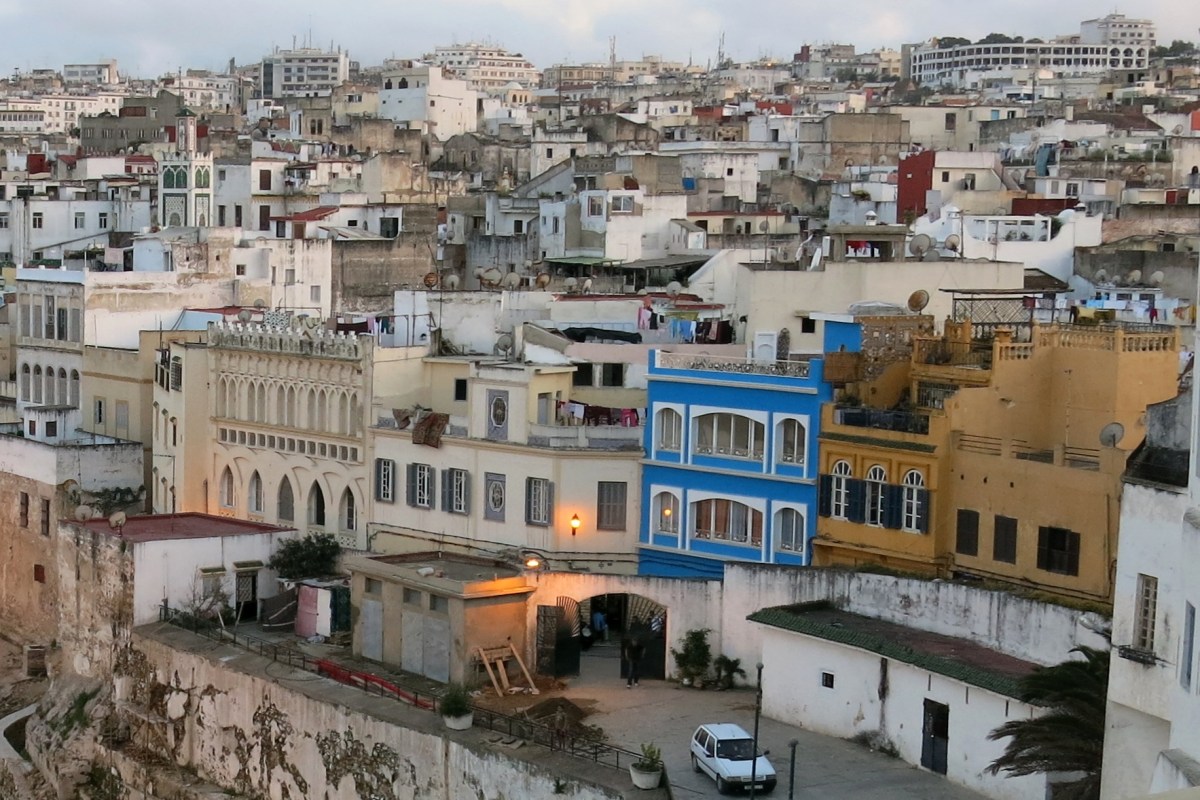
It’s a beautiful old port city, but it’s also a border town, dirty, seedy, with souvenir shops and hustlers offering tours of the casbah. It’s the drive-thru version of Morocco, offering a sampling platter of the culture, perfect for those on a one-day tour from Spain.

My first mistake was getting off at the wrong train station, one stop away from where I needed to be. We walked down the highway trying to flag down a taxi. One man stopped to offer us a ride in his van, but we knew better. We kept walking until we finally got a taxi to the Hotel Continental.

The hotel was charming in its own way, old and clinging to its former glory. I imagined it was once glamorous, its interior a mix of classic Moroccan design and art deco—black-and-white checkered floors, bright pink walls and stained glass. Our room had mildew and a shoddy lock, but the drapes were red velvet and the room overlooked the port.

That evening, we grabbed a bite to eat in a café and walked around a park. It was after dark but there were still people out. We walked toward a monument in the park and a man sitting on a bench stopped us, warning us about “bad men” who were just around the corner. We weren’t sure if he too was a “bad man” but we left and headed back for the hotel, looking over our shoulders as we walked.

We had had an amazing time in Morocco and it wasn’t worth the risk to try and squeeze in one more good night. Not in Tangier anyway.

The next morning we had an hour to kill before our ferry so we walked around the city, which felt much safer in the daylight. A man approached us to offer a tour, and though we said no, he was persistent. He practically begged us, so we gave in.

He led us around through the alleys, pointing to different doors, telling us stories about their meanings and insisting I take pictures. I obliged. We walked toward the port, looked at canons, and eventually, and as expected, the tour led us to a scarf shop. By now, we knew the game. We would get a demonstration of how to wrap the scarves on our heads, Moroccan style, a cute photo op popular among tourists, a show we had seen before. Then we would get a special offer, just for us, just for today, and our tour guide would get a cut of the sale.

Having already bought all the souvenirs we wanted—a box made of camel bone, marble tablets with Arabic writing, hamsa door hangers, scarves and tons of knickknacks—we weren’t obliged to buy anything else. So we ended our tour, paid our guide, and said goodbye to Morocco. Then we took the ferry to Algeciras to begin a new adventure in Spain.

Tangier

Tangier

Tangier

Tangier


IMG_1737

???????????????????????????????

IMG_1741

???????????????????????????????

IMG_1784

???????????????????????????????

???????????????????????????????

???????????????????????????????

???????????????????????????????

A Tour of Old Fes with Najib the Berber

After our first day in Old Fes, we agreed with Nat Geo’s advice to hire a guide for a tour of the city. So, we asked the riad staff to make arrangements for us and the next morning we met Najib the Berber.

Najib had a round belly and a mustache and wore sandals and a striped djellaba. He told us about his five sons and his thoughts about family and money, how one was obviously more important than the other though not everyone realizes it. He told us to be happy and to enjoy life. Najib clearly did.

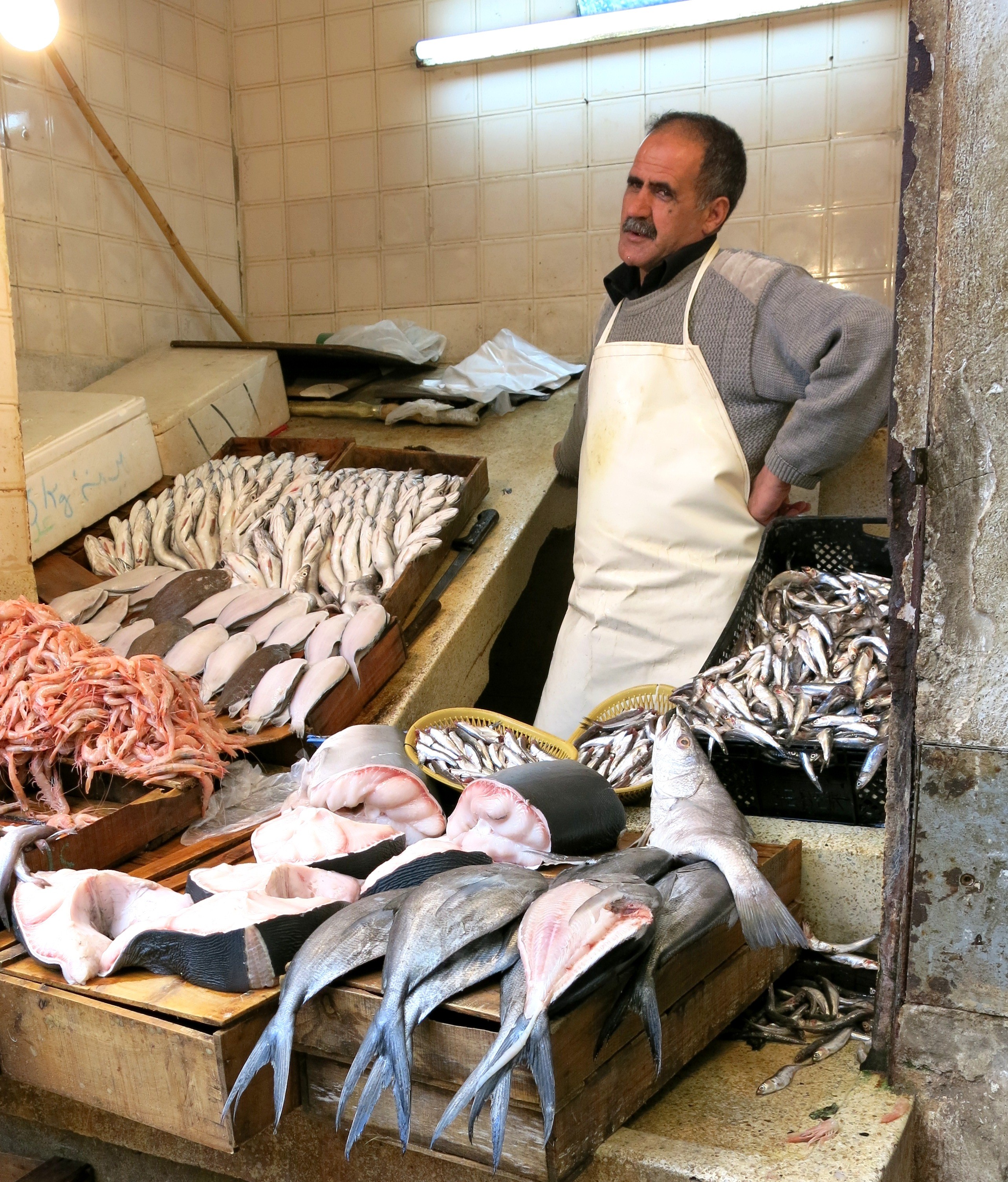
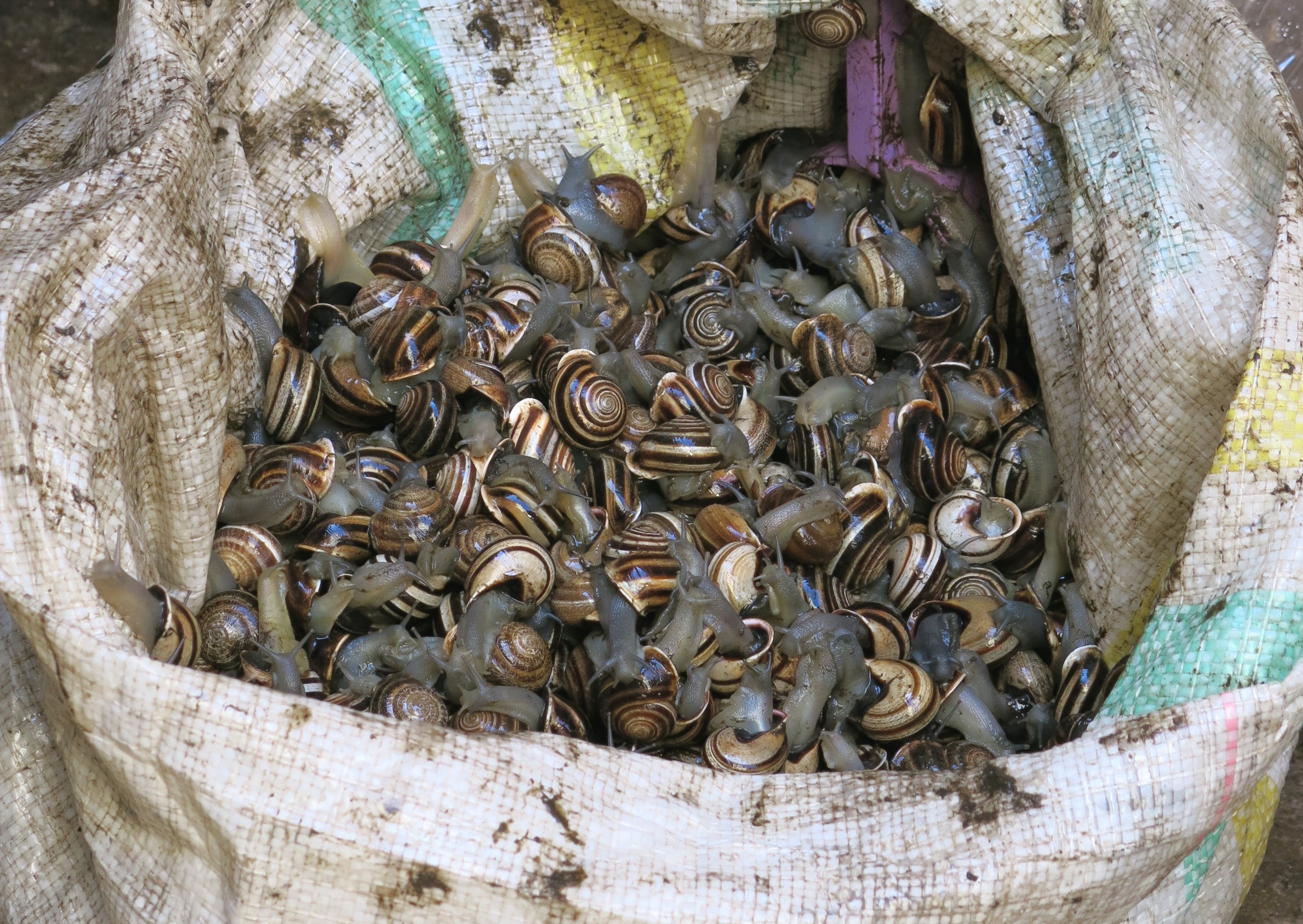
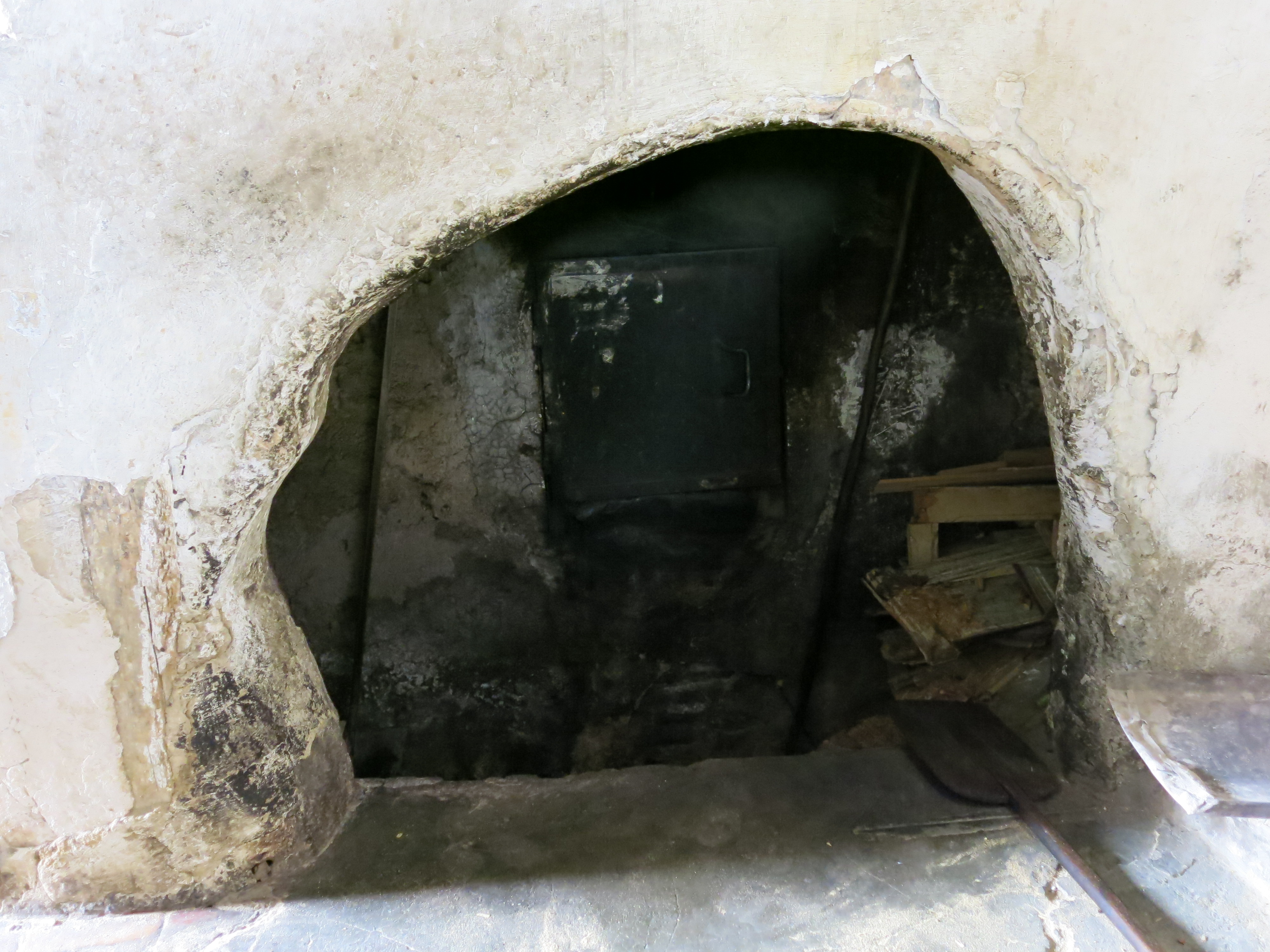
Najib enjoyed telling us about local customs and gave a well-rounded tour that included everything we wanted—the public oven, rug shops, the tanneris—plus a lot more we didn’t expect. He walked us through the food markets with fresh meat, fish and vegetables. There were eggplants, cucumbers and artichokes, mountains of olives, sacks of live snails and wheelbarrows of mint, chamomile and orange blossoms. Najib insisted we sample the dates and take photos with donkeys, what he called “Fes taxis” since there are no cars in Fes el Bali.

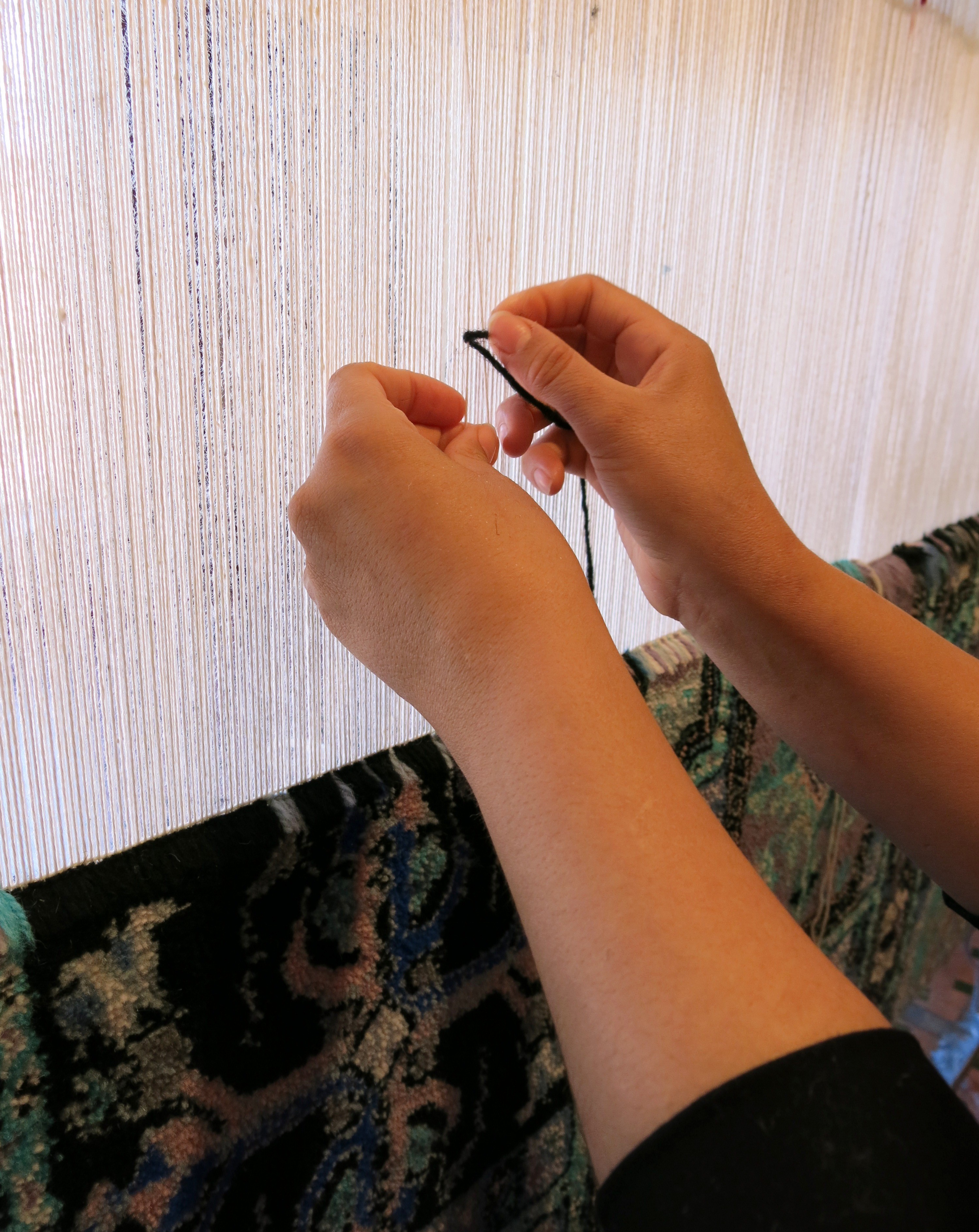
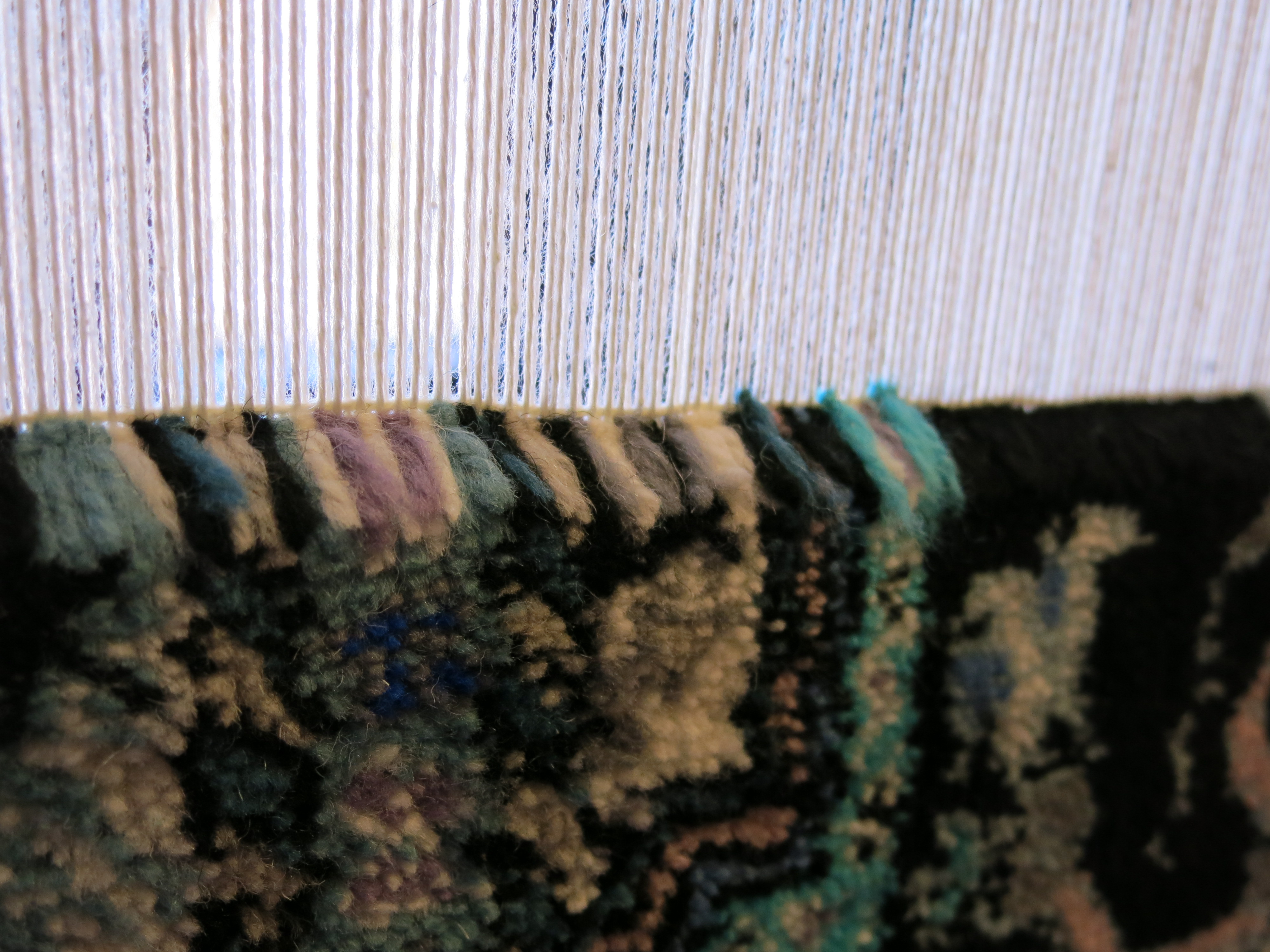
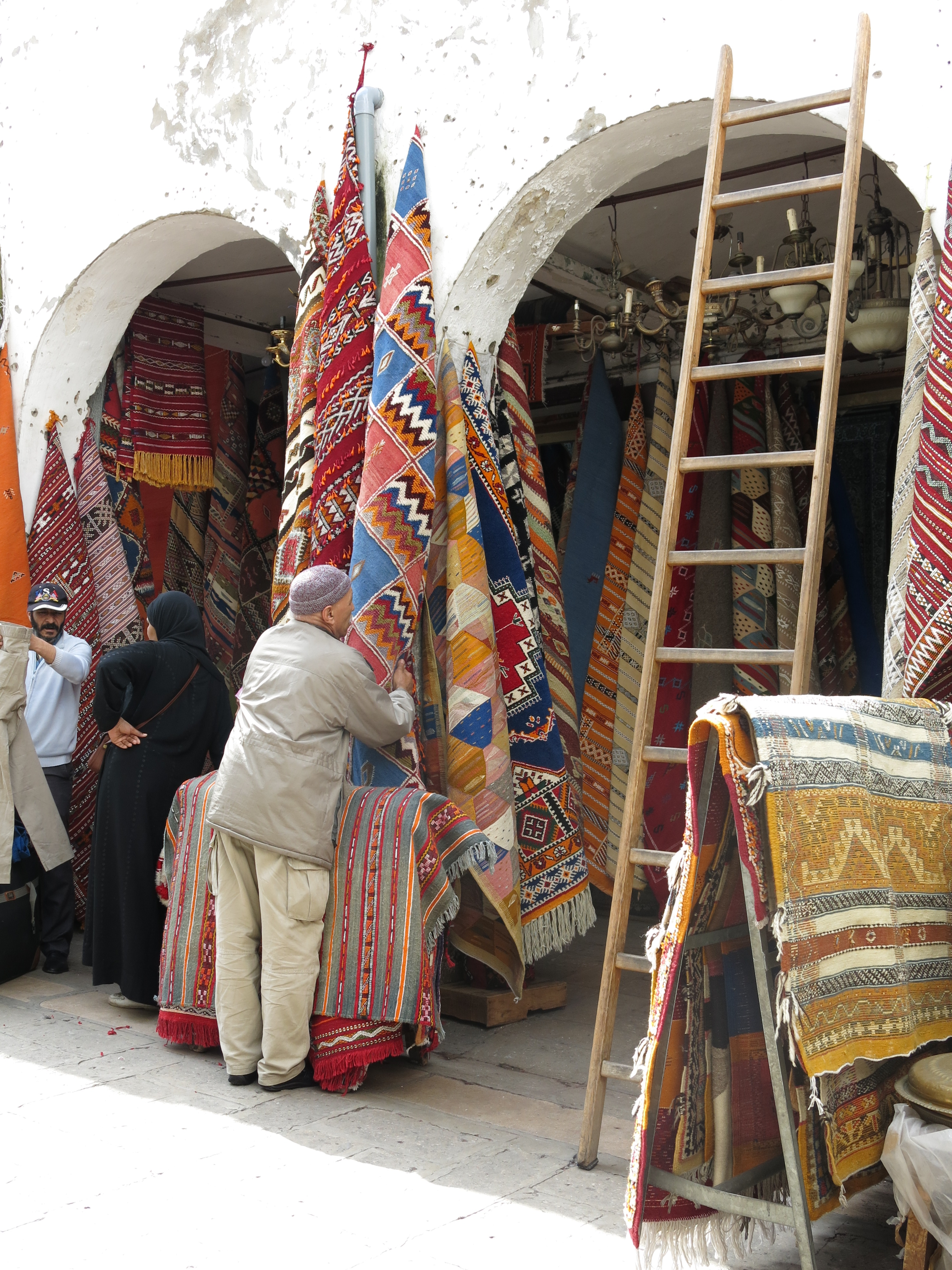
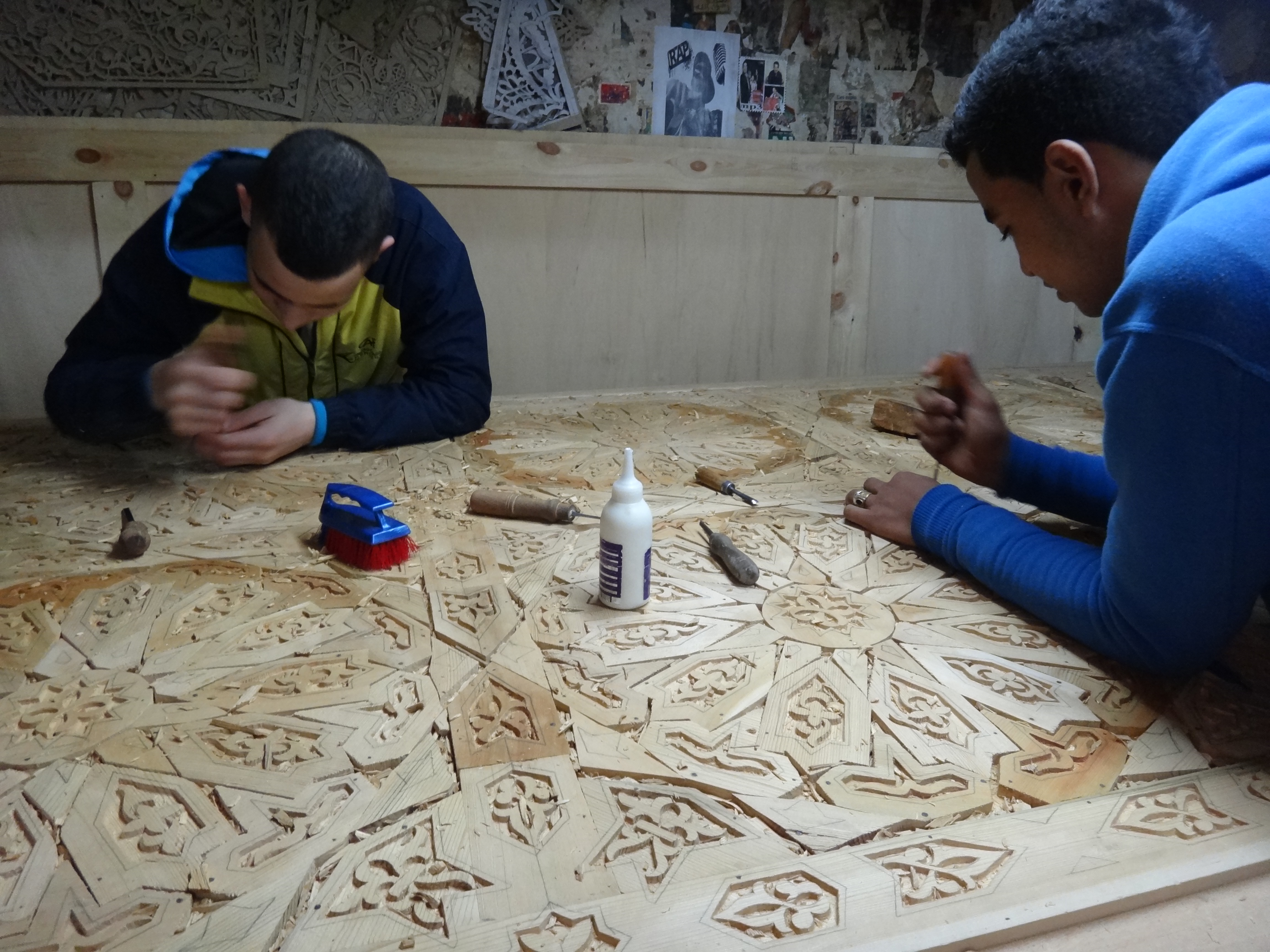
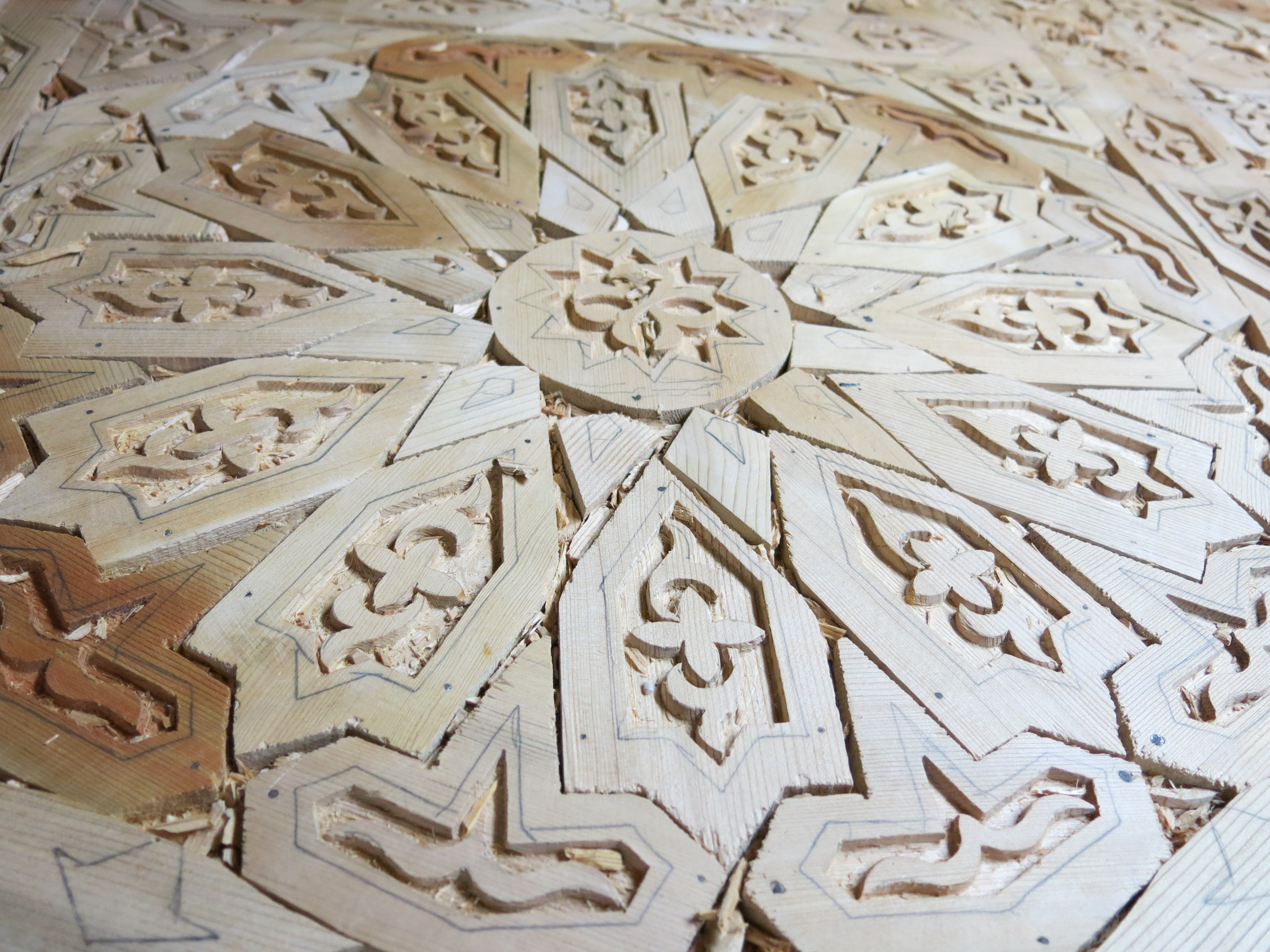
Everywhere we went, the locals greeted Najib and I felt comfortable asking questions and taking pictures. We were also afforded a glimpse into local workshops. We visited one shop where a father and his sons made decorative doors. They traced designs onto wood using a stencil and then chiseled it out, piece by piece. We watched coppersmiths pound intricate details into lanterns. We learned how cactus is used to make scarves, and we sat with rug makers for a demonstration. The women sat at their looms, their fingers precise and methodical, placing a white thread, then a blue one, then a black one, each just one dot in the larger design. Many of the items we saw in the souks of Marrakesh were being made right here in front of us.

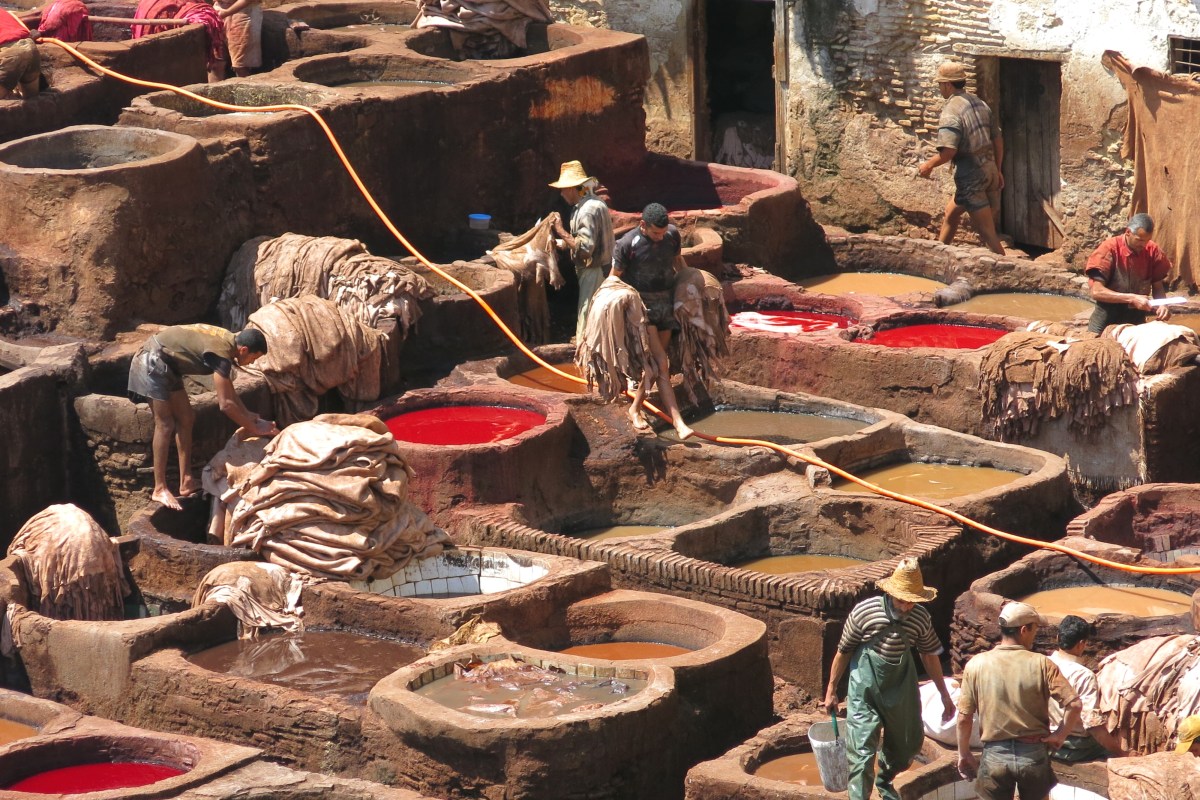
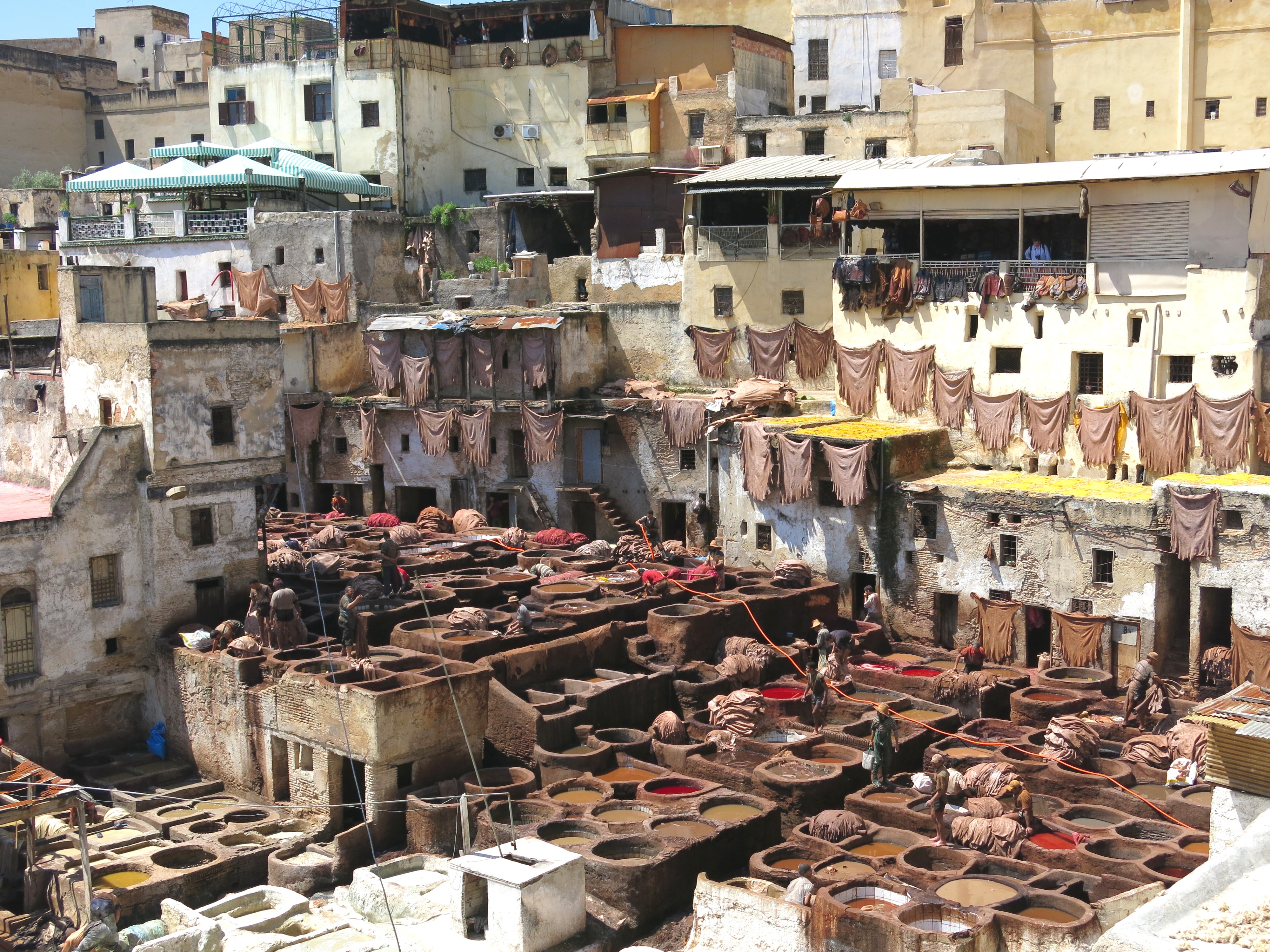
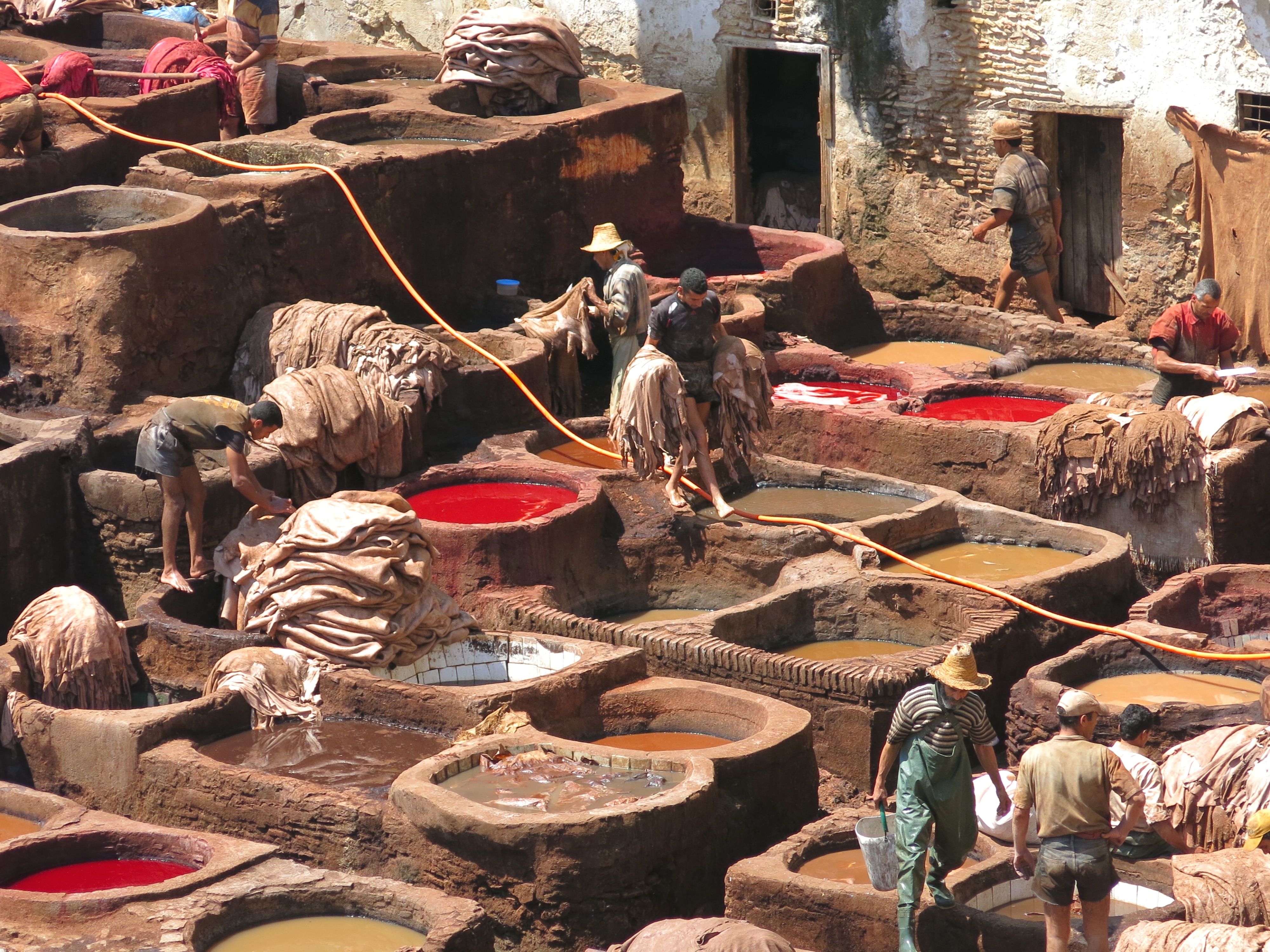
Najib also took us to wedding shops and pharmacies, an old madrasa, and finally to the tanneries. I had been warned about the rancid smell of the tanneries and was not looking forward to it. But perhaps because it was early in the year and still cool, there was virtually no smell. At the entrance, we were given sprigs of mint to hold under our noses, but we didn’t need them.

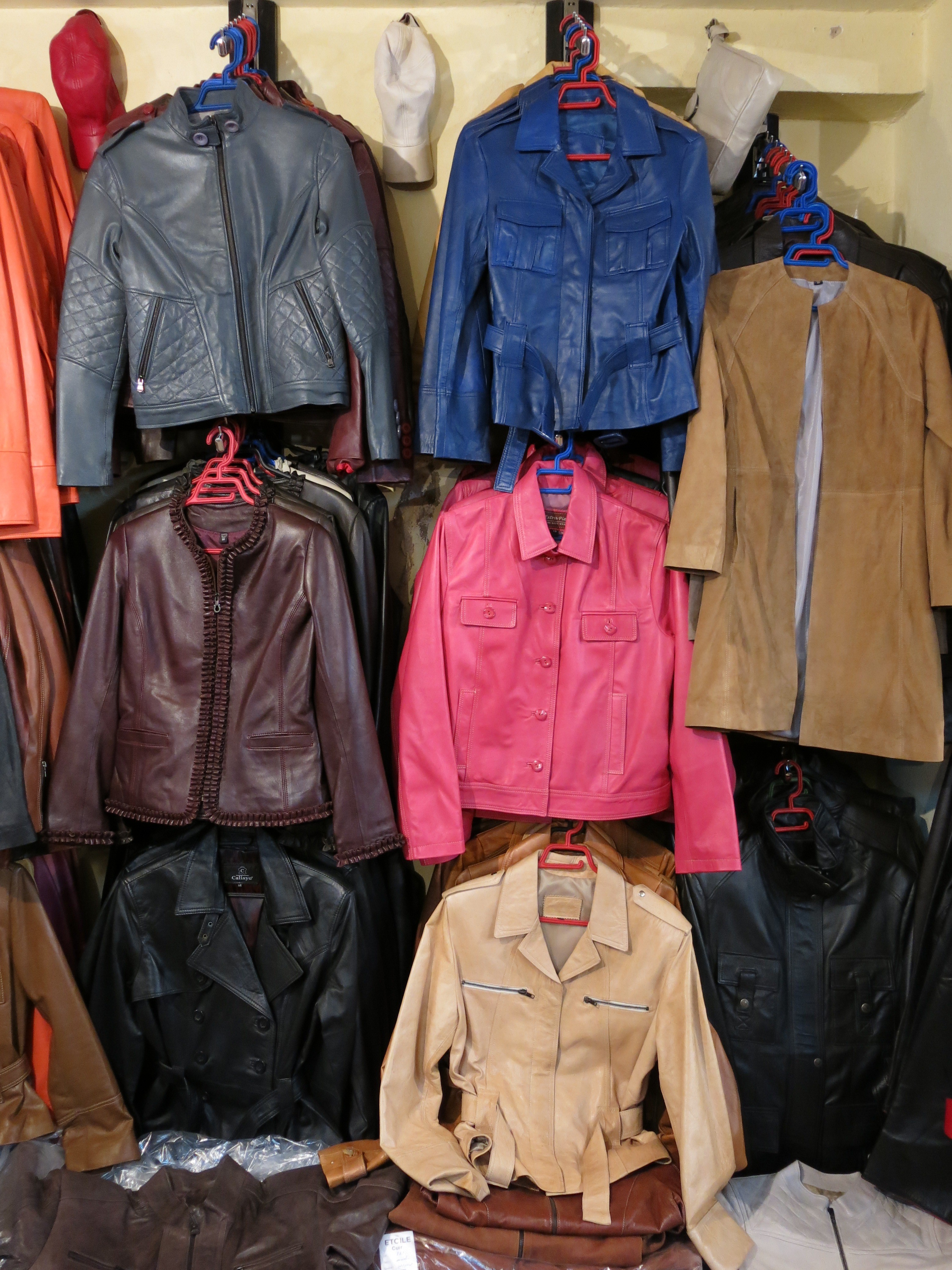
The tanneries were the most surprising part of the tour. I had low expectations but quickly understood why it was so popular. Perched from above, we could look down at the men working below. Most were barefoot and wore cutoff denim and straw hats. They walked along the edge of the dye pools, carrying stacks of hides in their arms. Above them, there were bright yellow hides drying in the sun. And inside the shop, there were rows of leather jackets, wallets and souvenirs of all colors. I didn’t buy anything but I now wish I had.

After several hours with Najib, our tour was over and he led us back to our riad. We thanked him, paid him and parted ways. There was still much to do in Old Fes so we headed out to shop, meet new people and try some new dishes—the pastilla had been calling my name.

Volubilis and Moulay Idriss

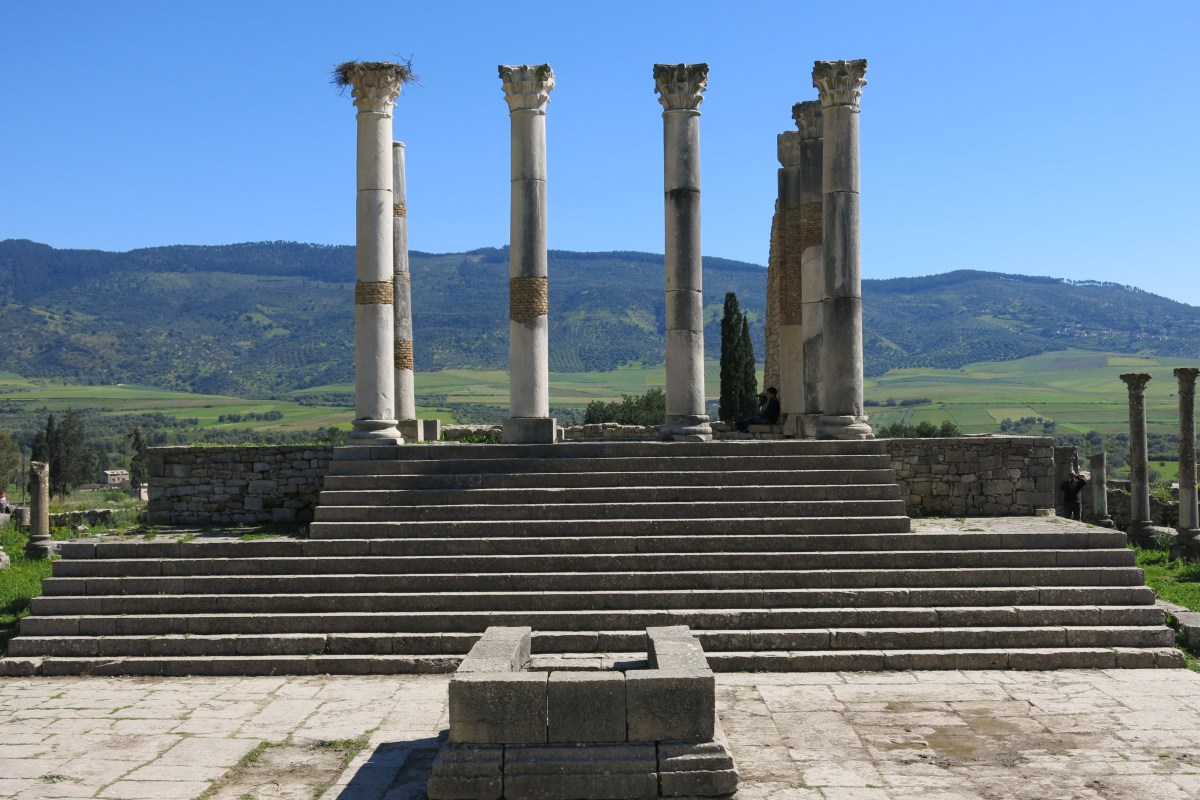
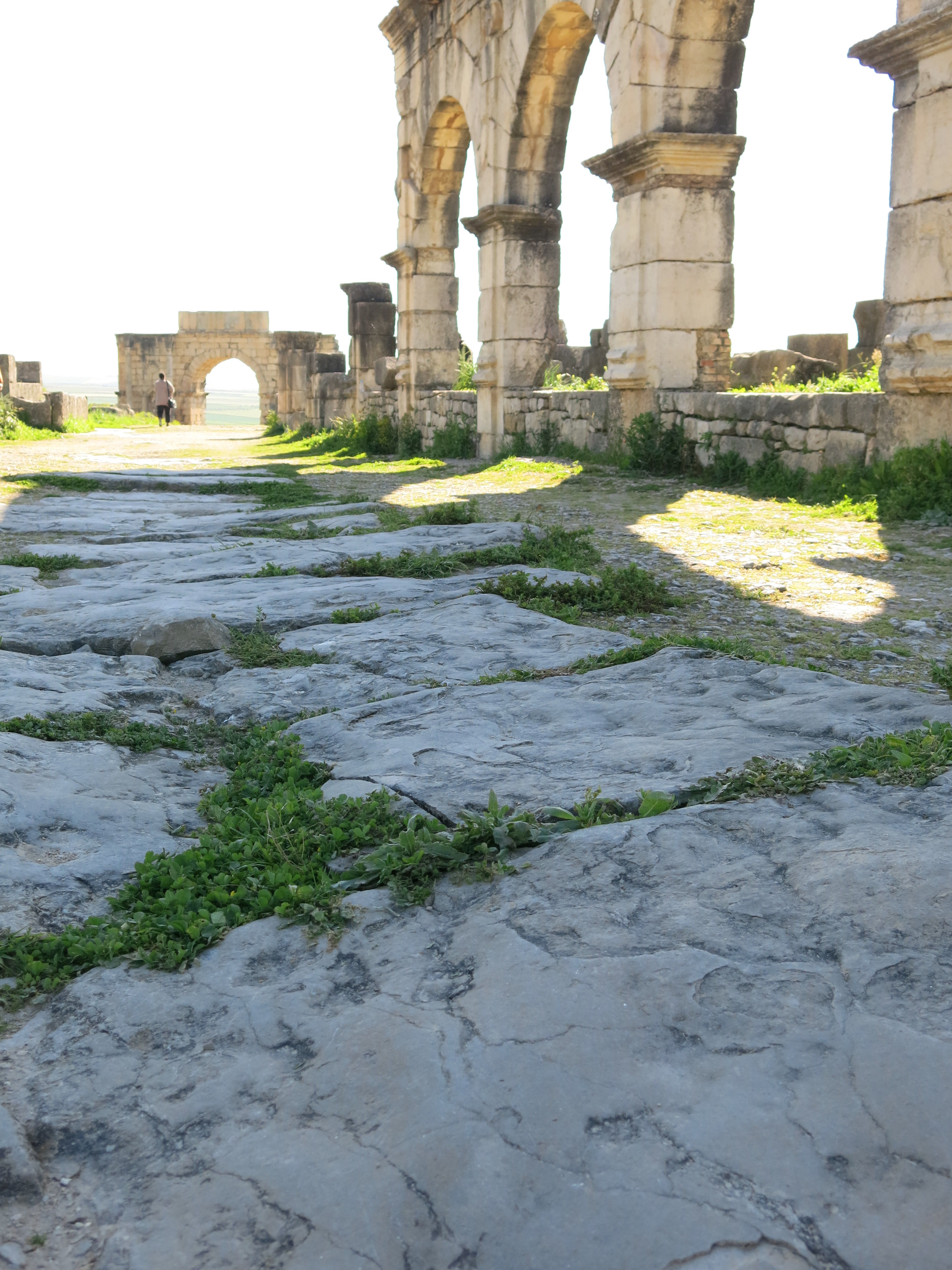
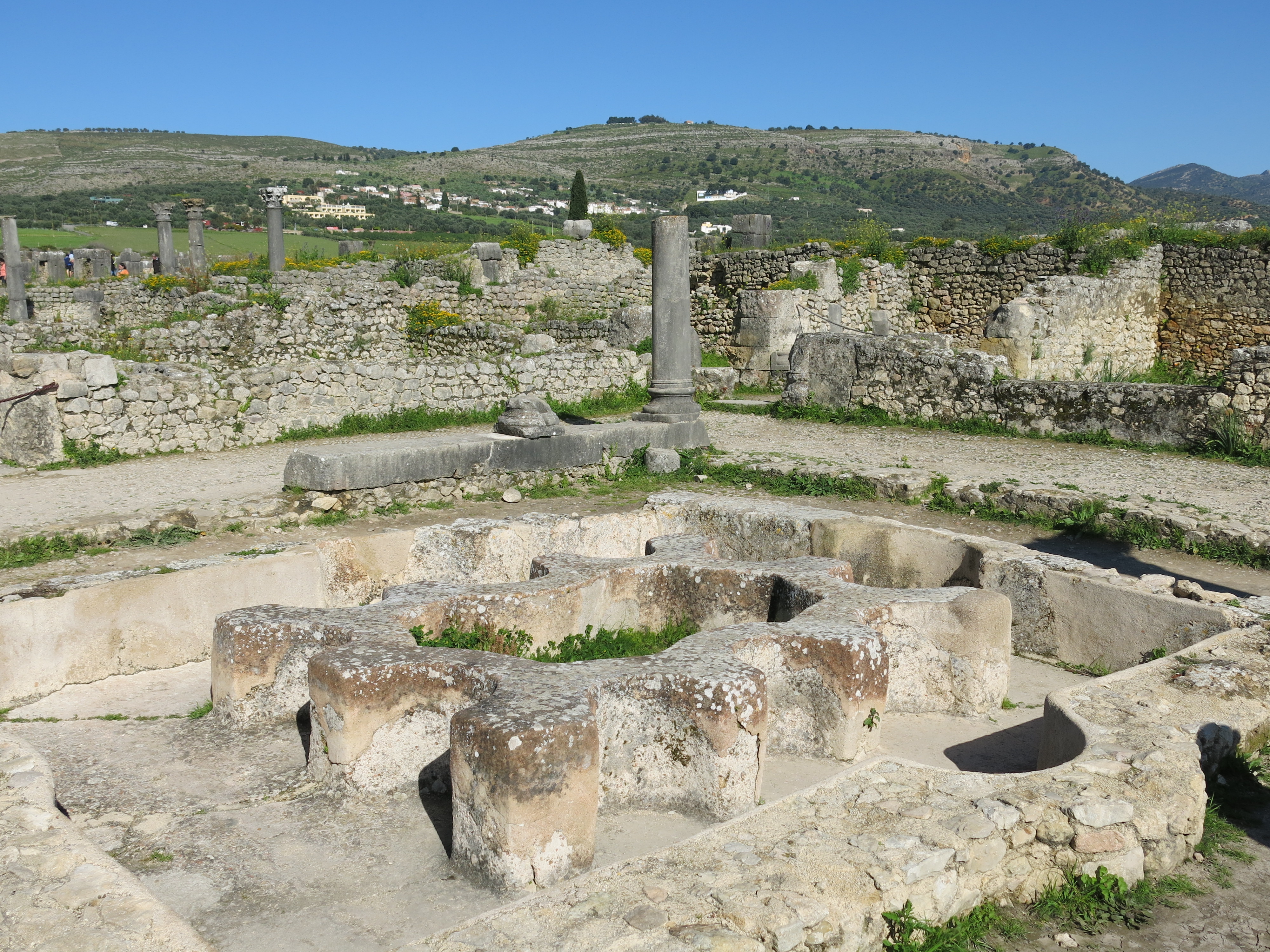
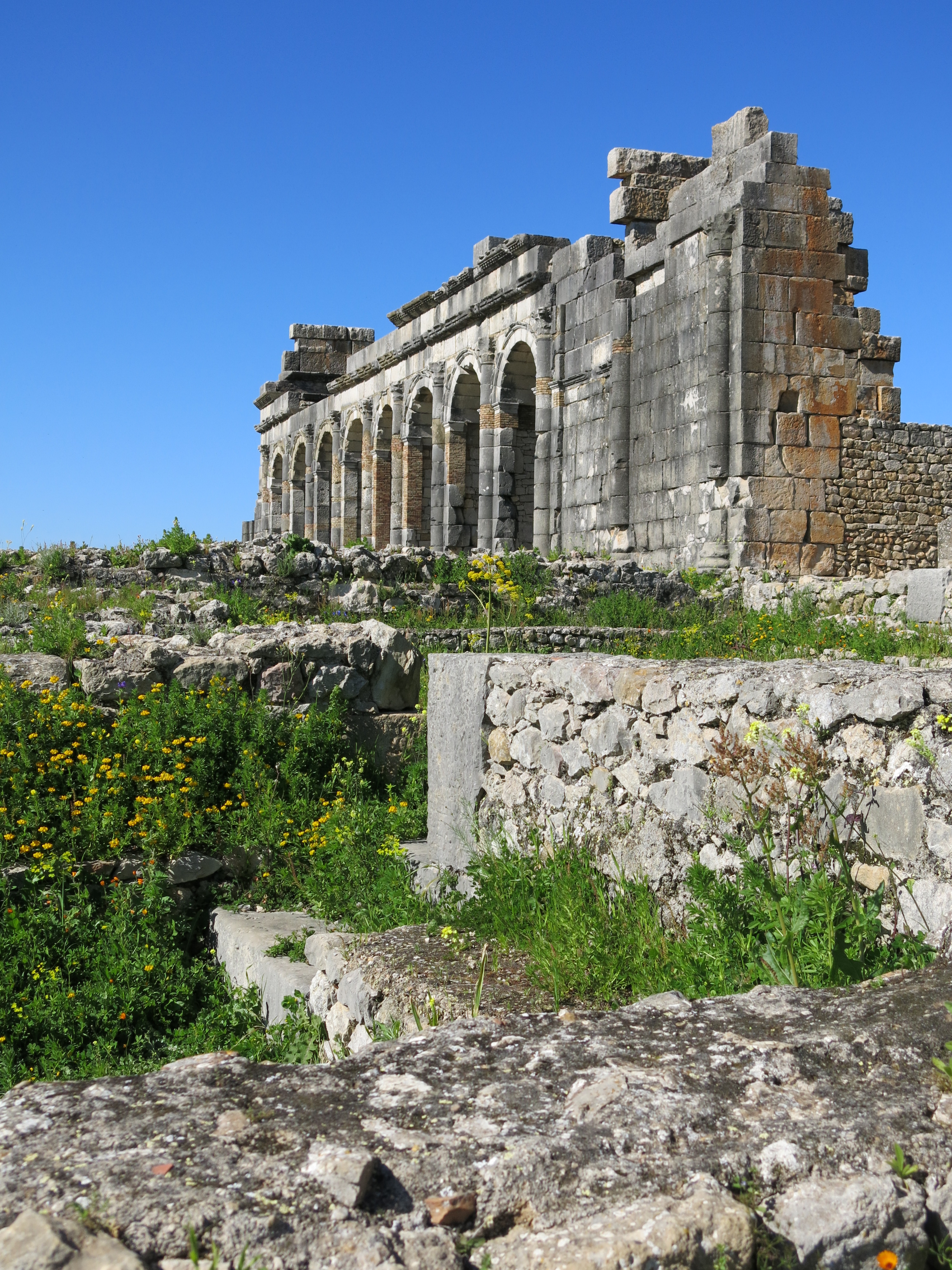
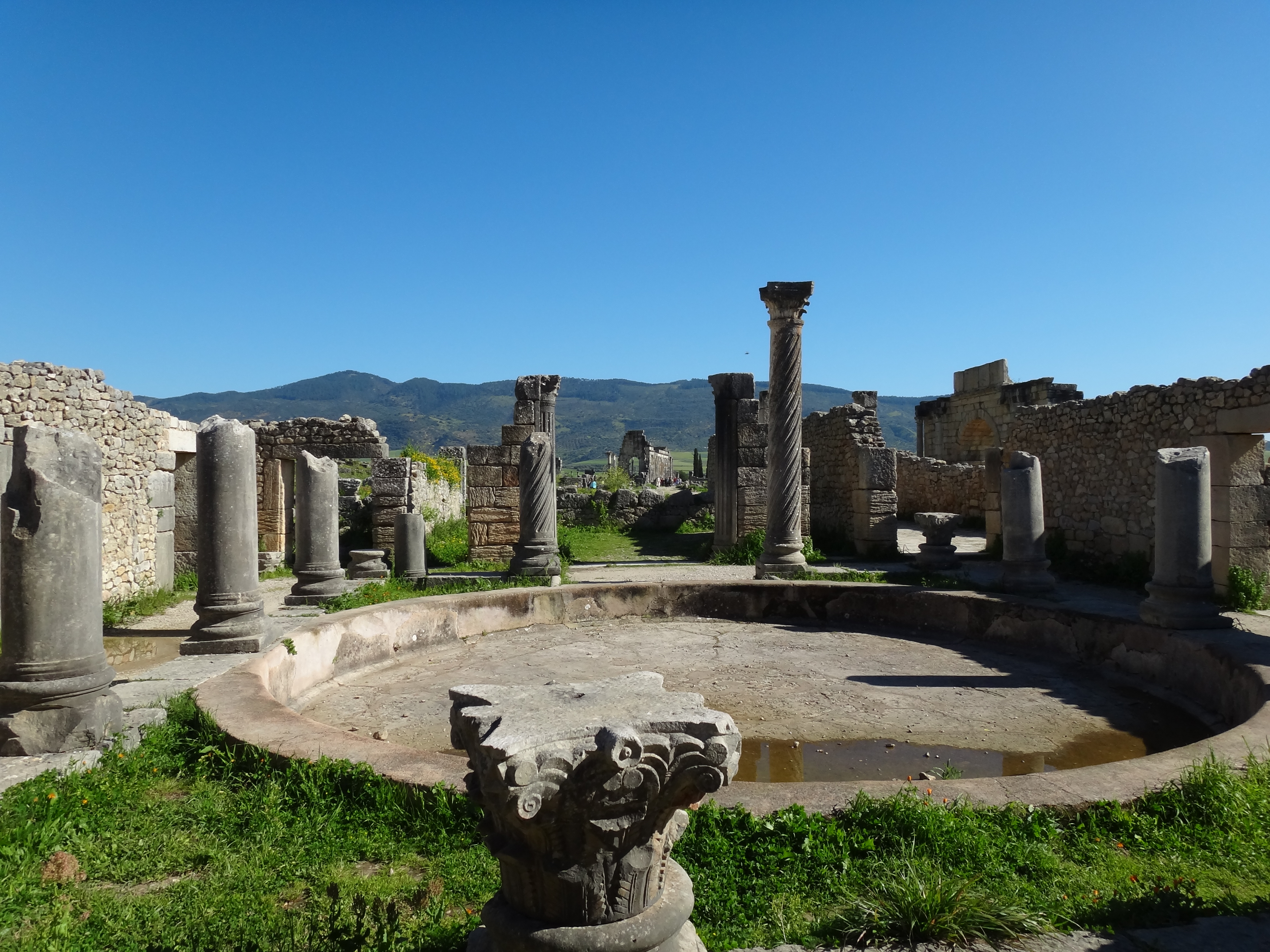
After breakfast, our driver met us at our riad and we headed for Volubilis, a site of Roman ruins built in the 3rd century B.C. It was a short drive, around half an hour north on cactus-lined roads.

When we arrived, we had an hour and a half to see the site while our driver waited in the car. There were a few other cars and a few tour buses, but the ruins weren’t crowded.

At the entrance, several guides were waiting to offer their services. We discussed prices with them, but in the end, I just wanted to wander around, imaging what it used to look like.

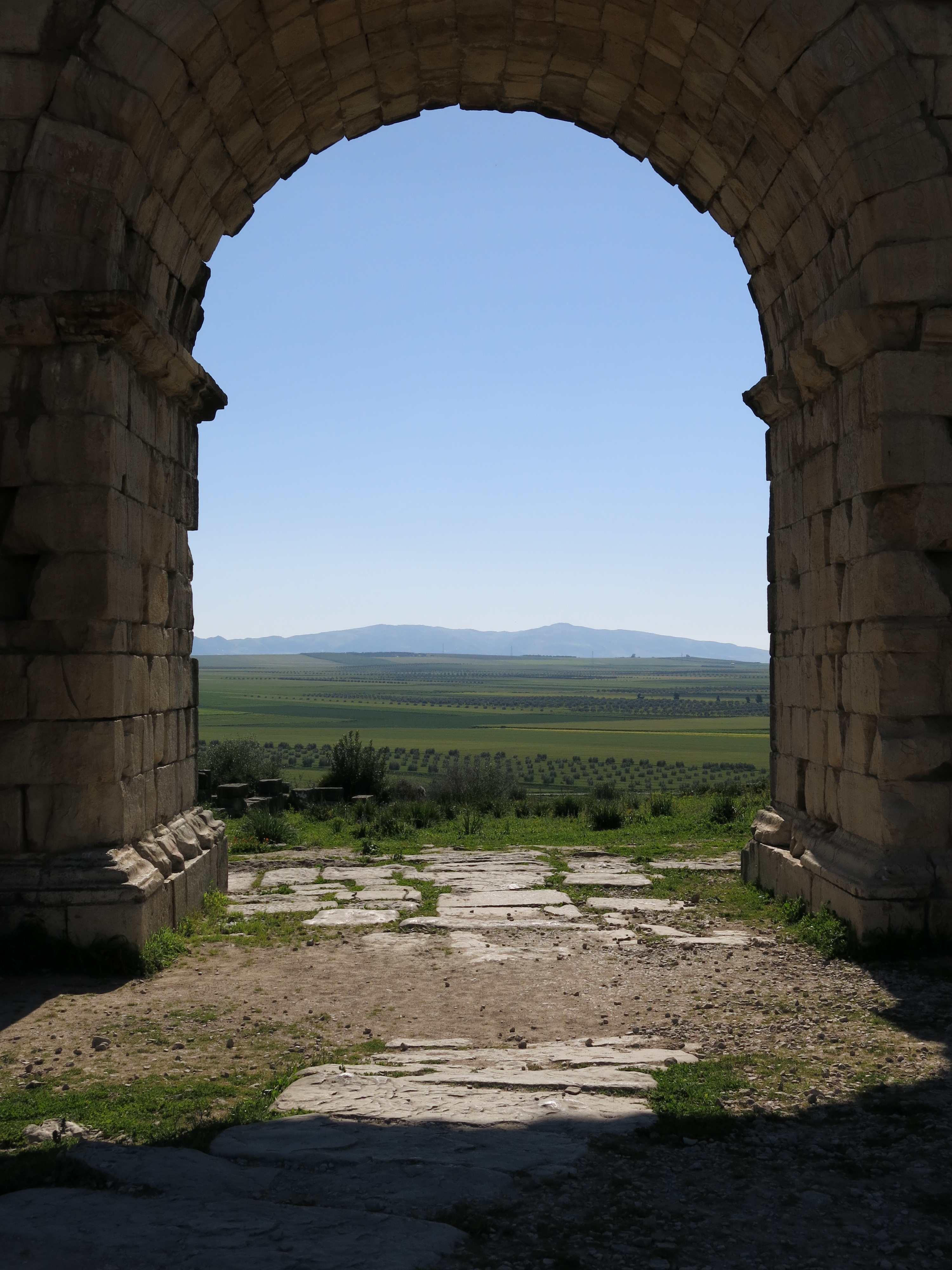
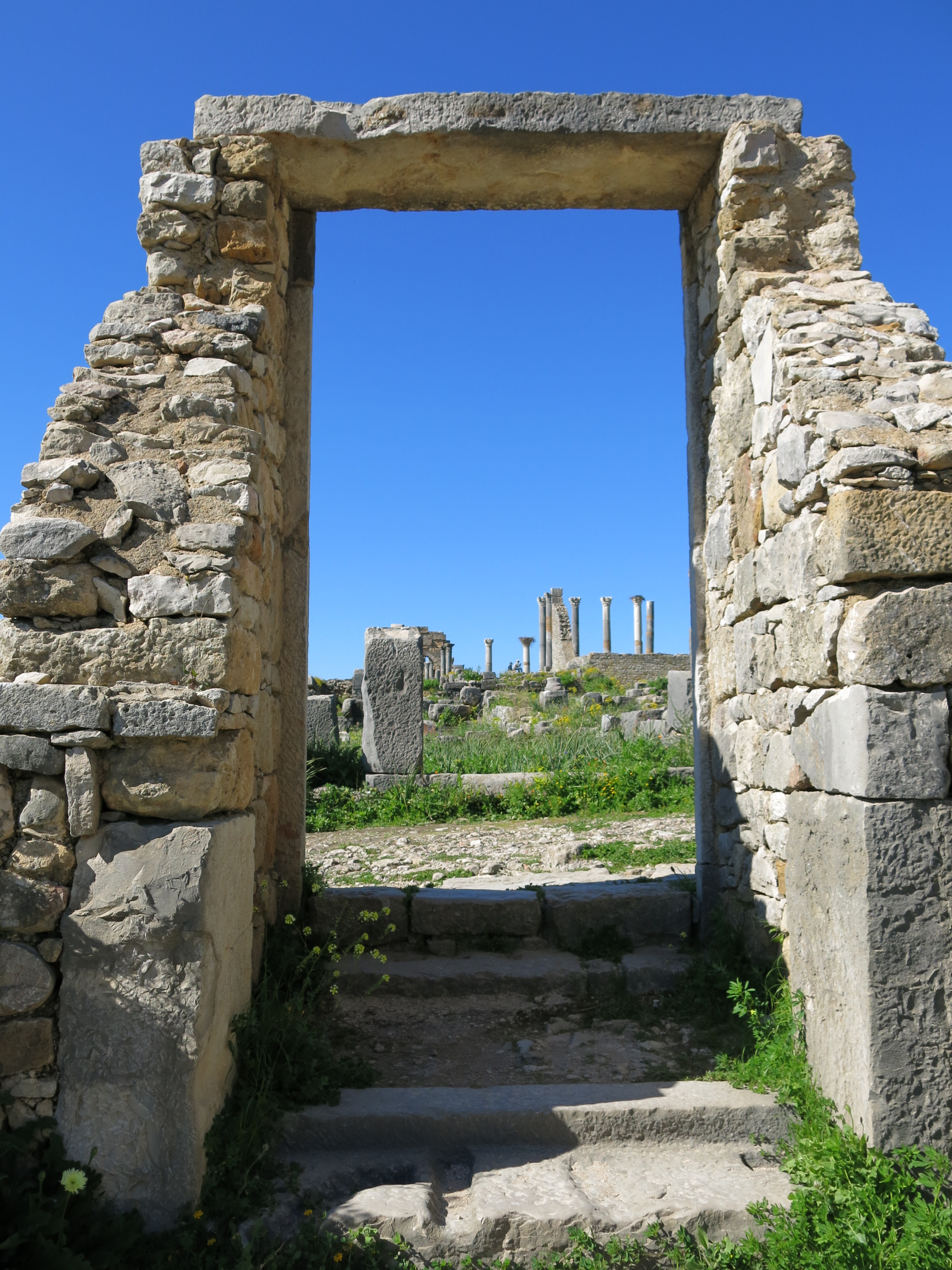
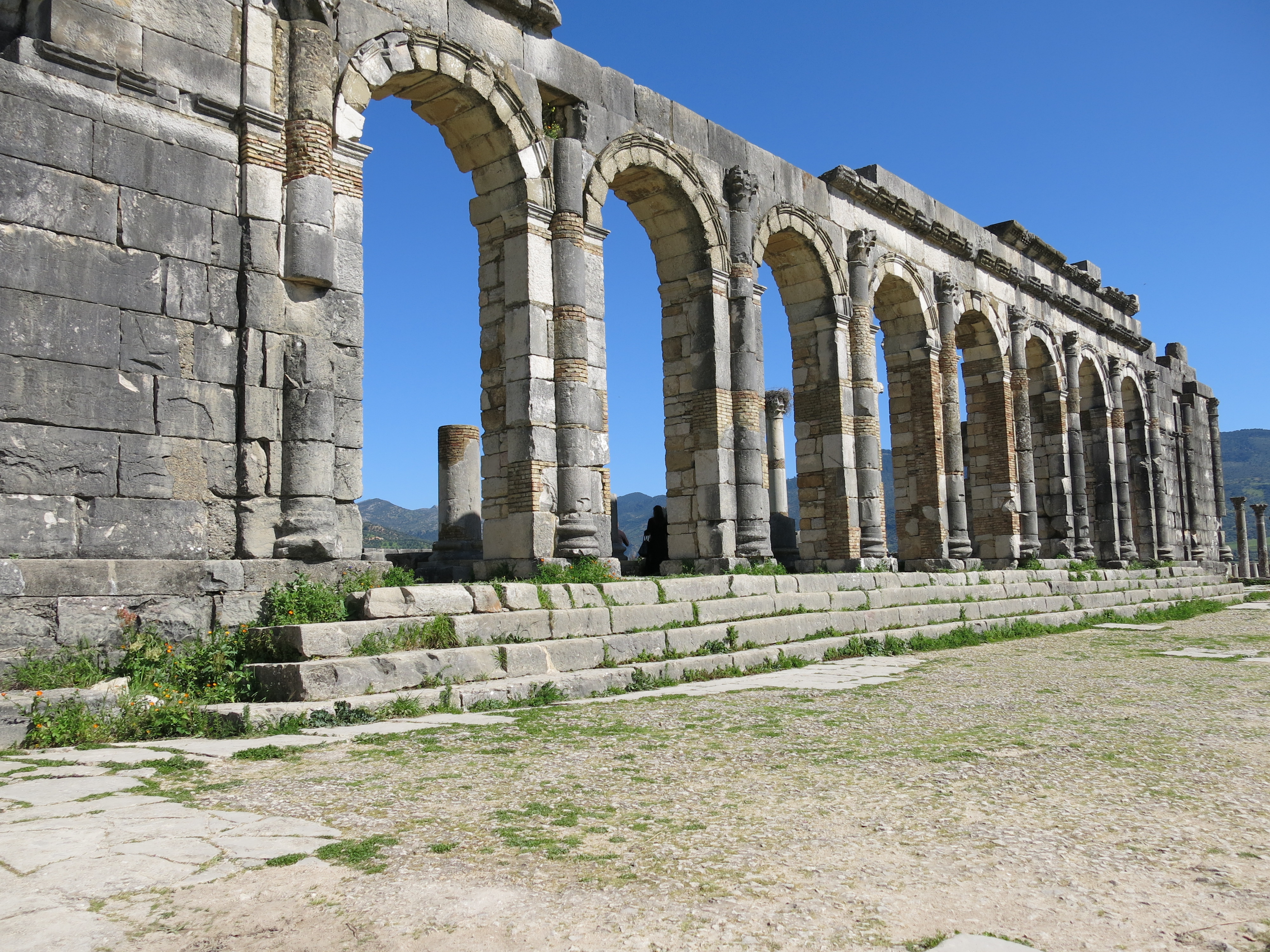
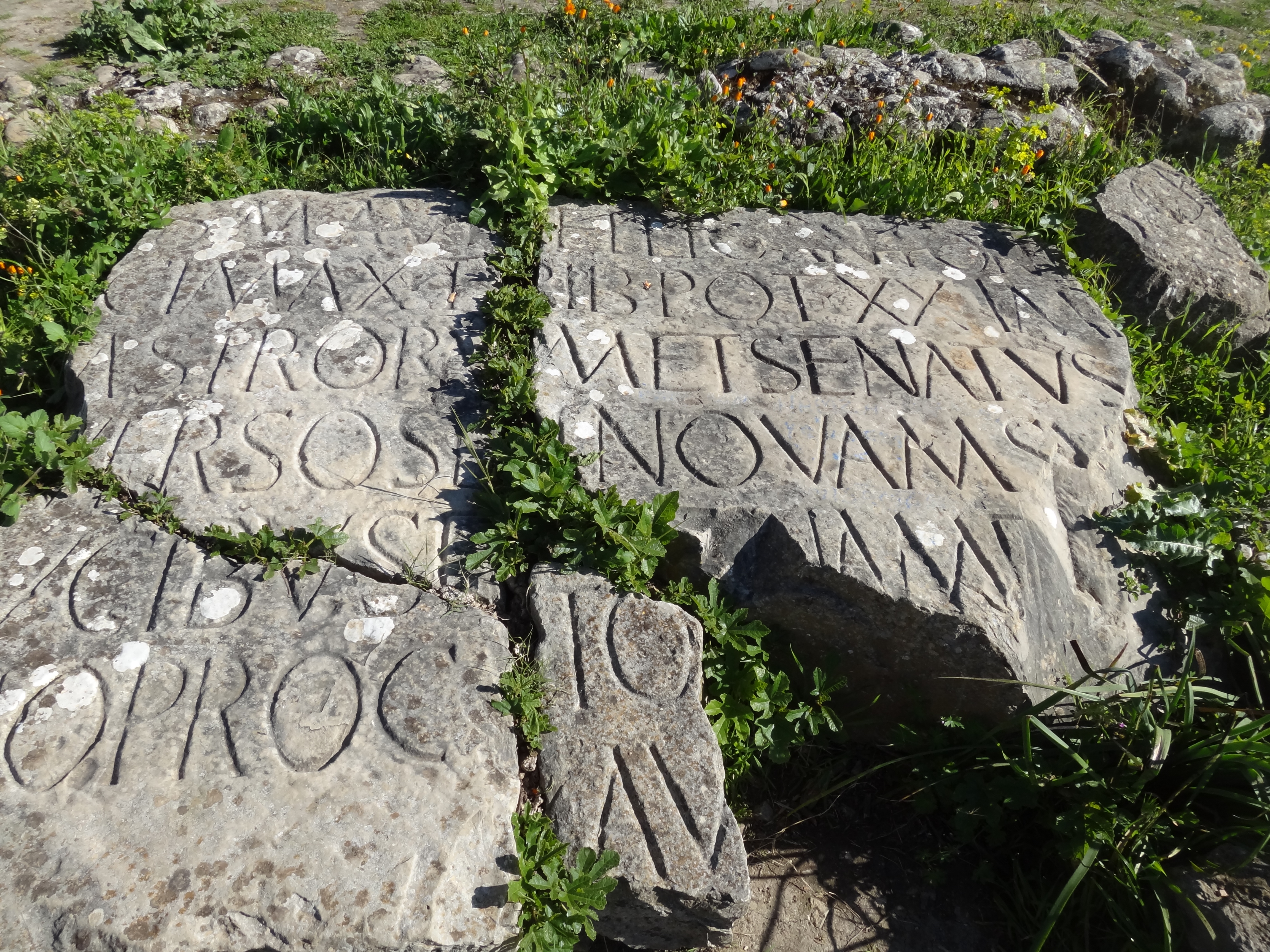
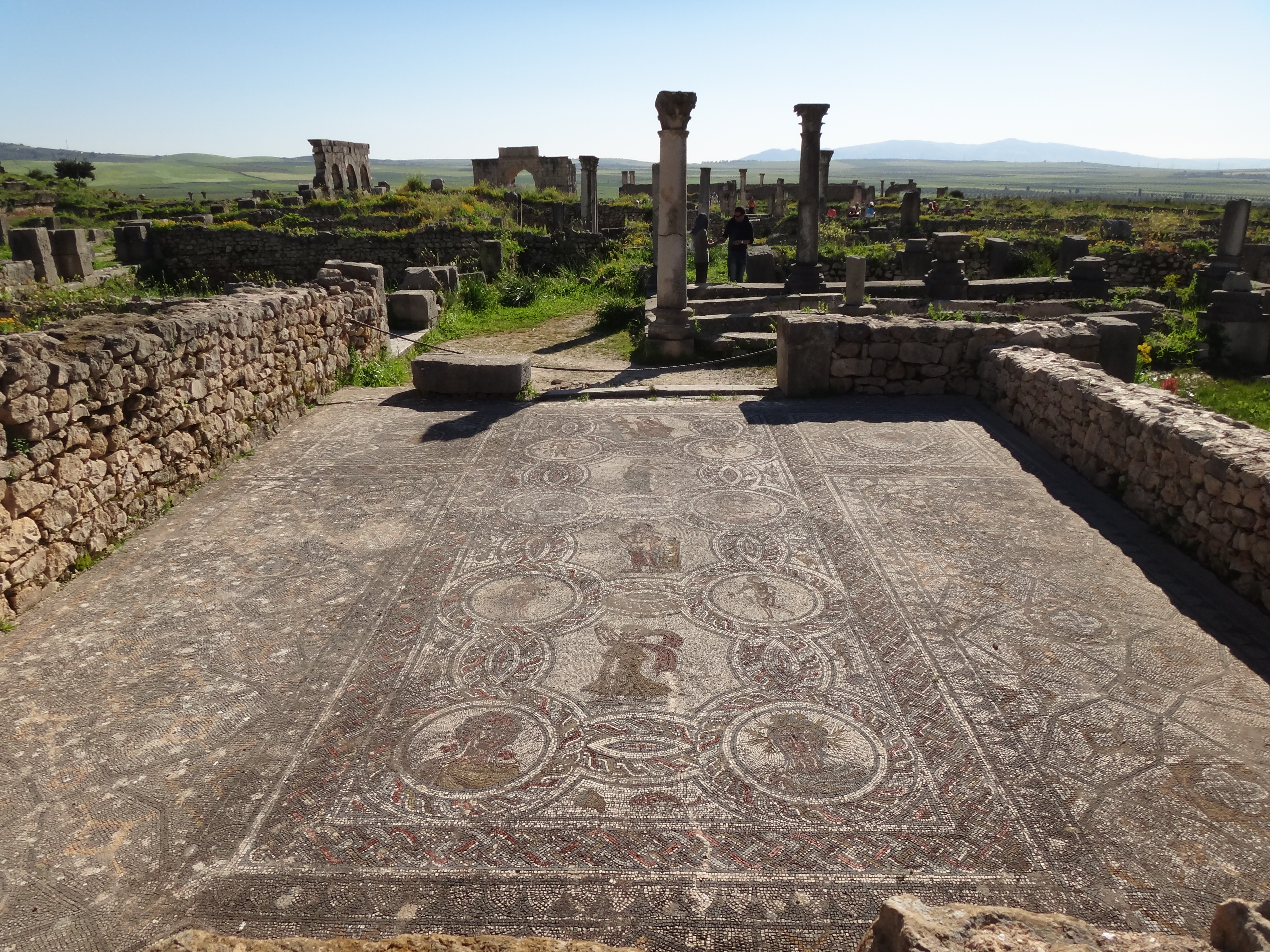
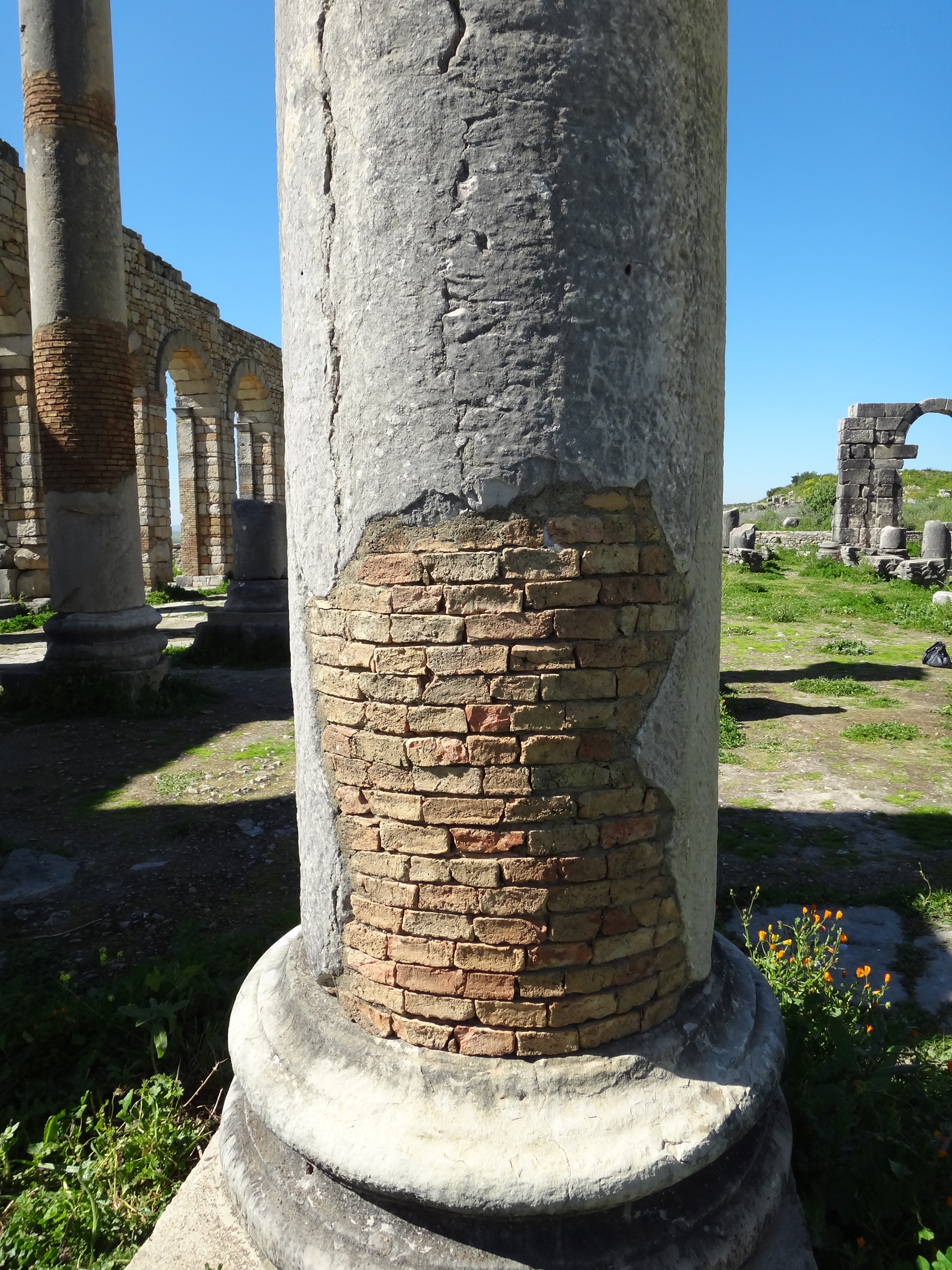
Some pieces were obvious. A large gate. Columns of a temple. Tiled mosaics. Other pieces were not, but I enjoyed the mystery.

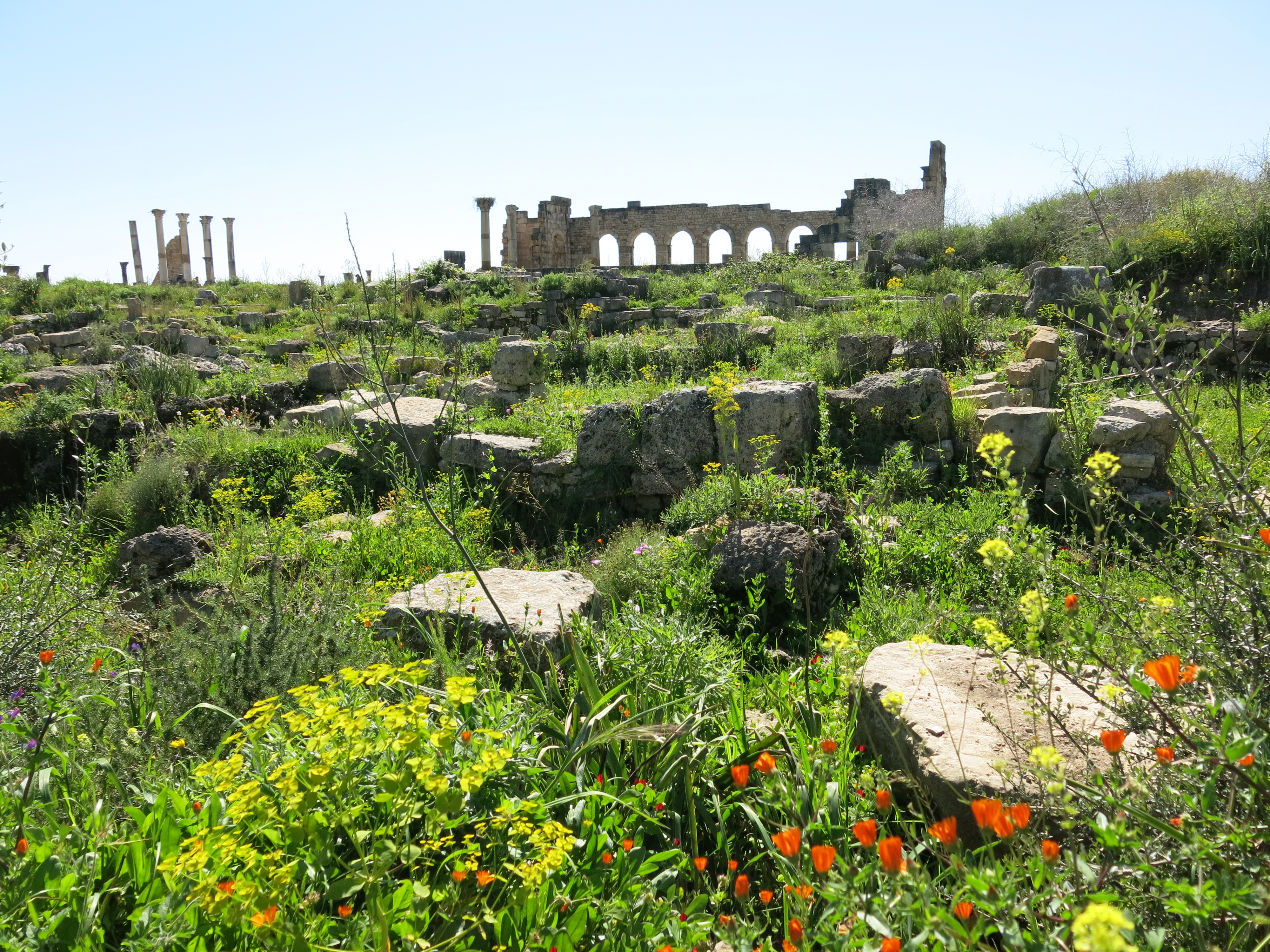
Grass and wildflowers grew inside each empty room, around each column, between every crack in the stone. Empty doorways framed the scene behind us; it was sunny with rolling hills and olive trees in the distance.

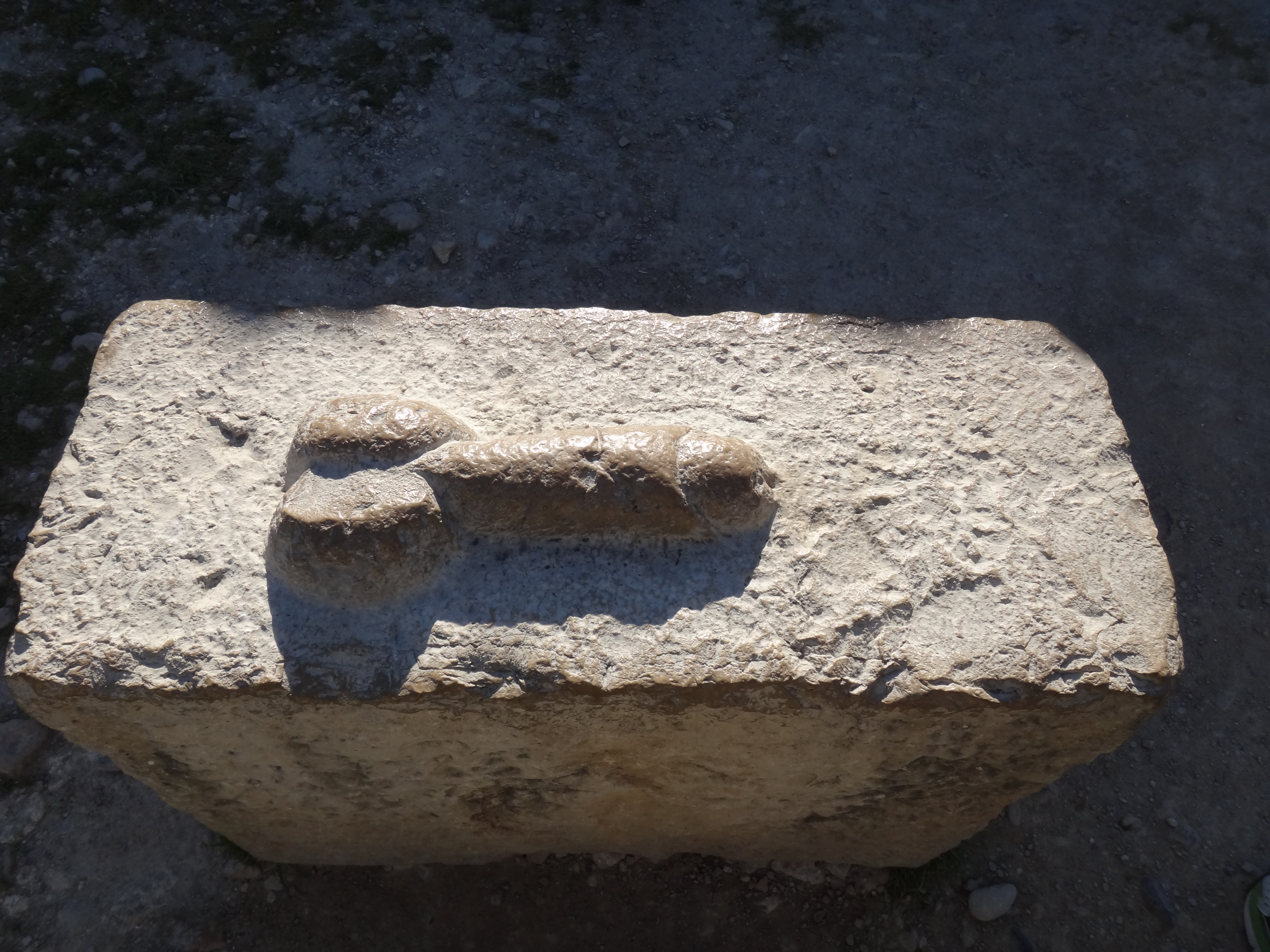
After walking around for a while, I tagged along behind a tour group. A guide led us to a stone covered with a sheet. Then he asked two volunteers—one male, one female—to stand on either side of it. He positioned them carefully and then unveiled a stone penis, evidence that we were standing in a former brothel. The guide called his act a “Berber surprise” and everyone laughed.

I laughed too, but I realized that each part of the ruin had a story to tell. I left knowing only a few.

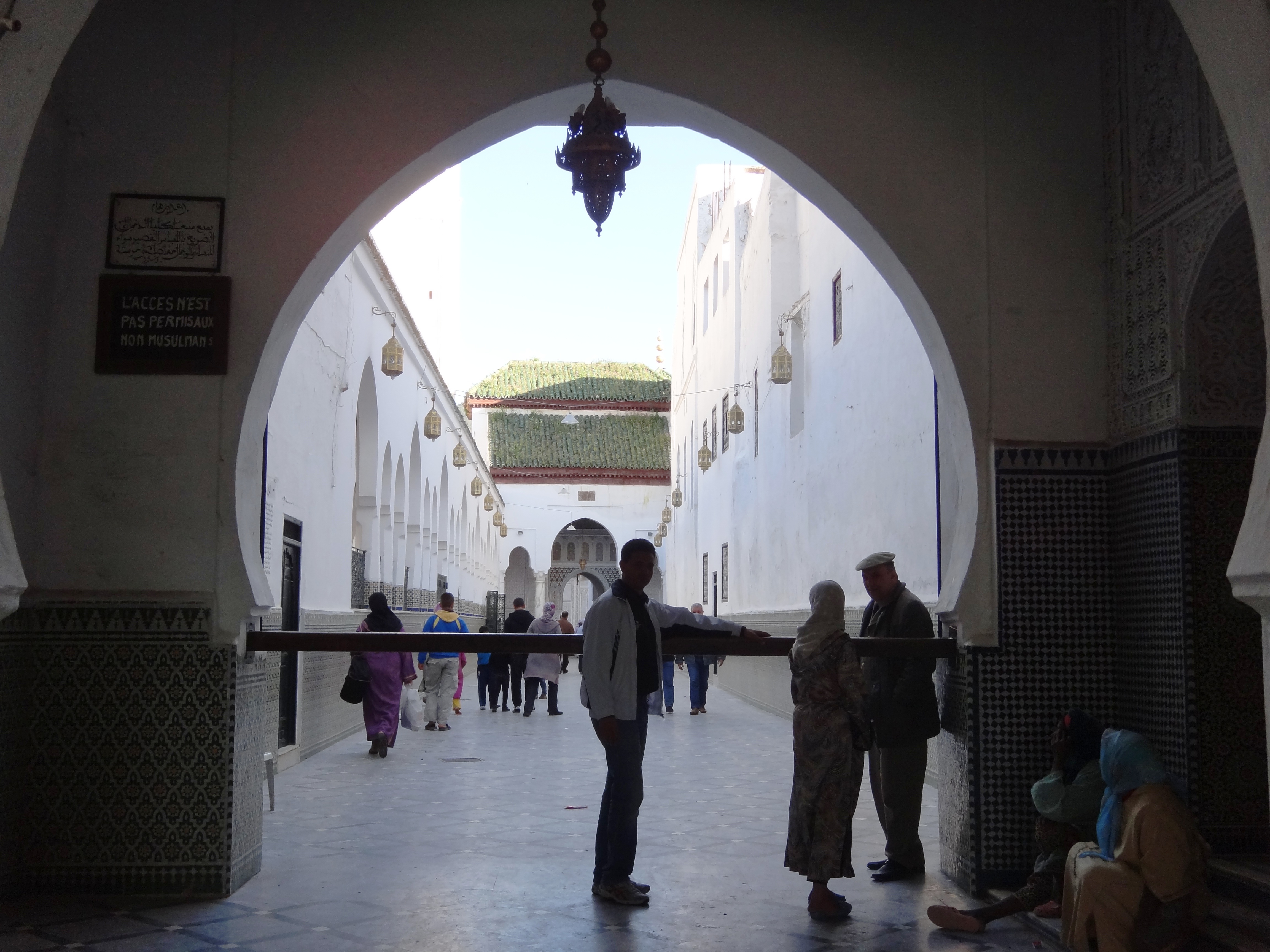
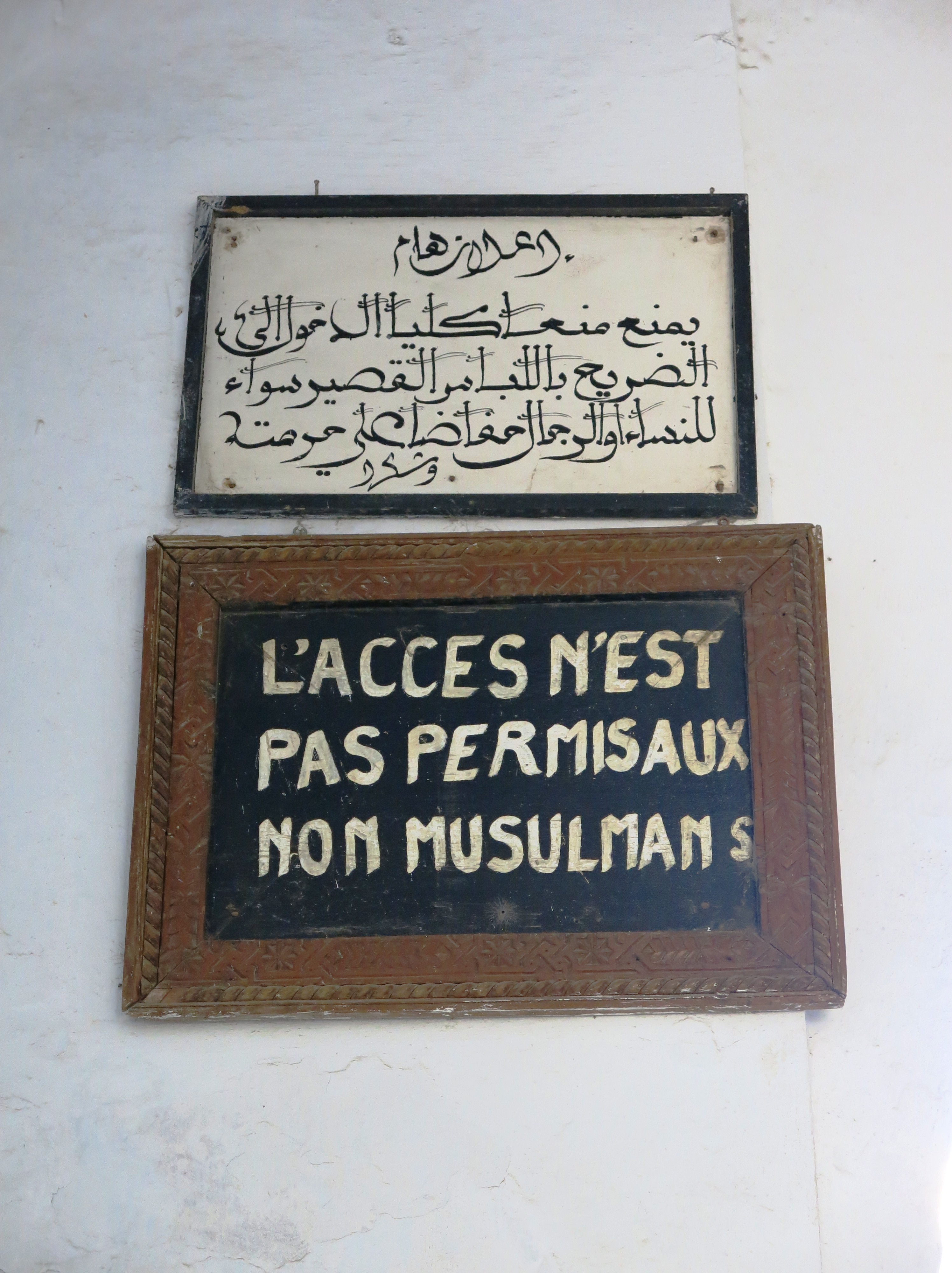
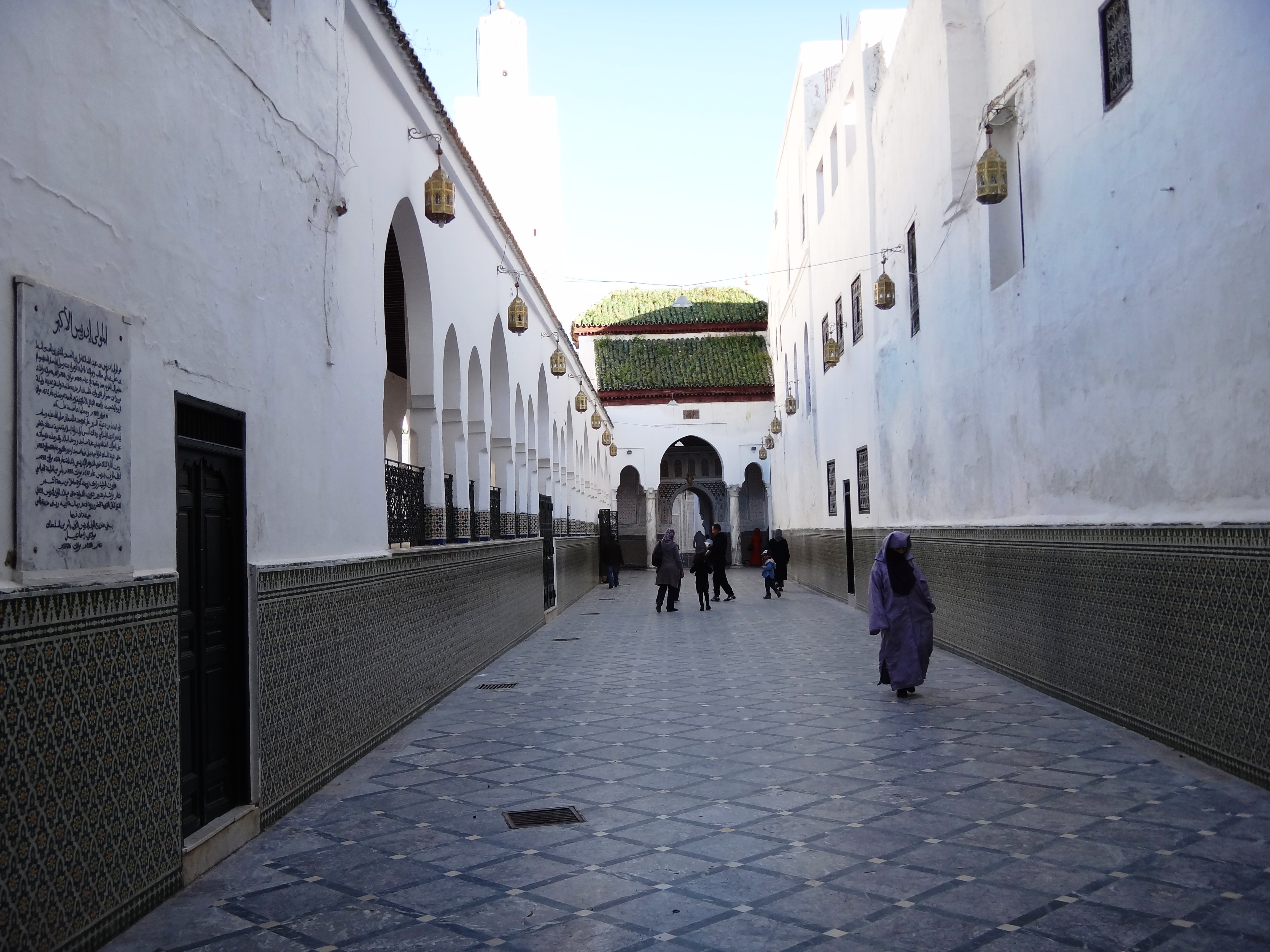
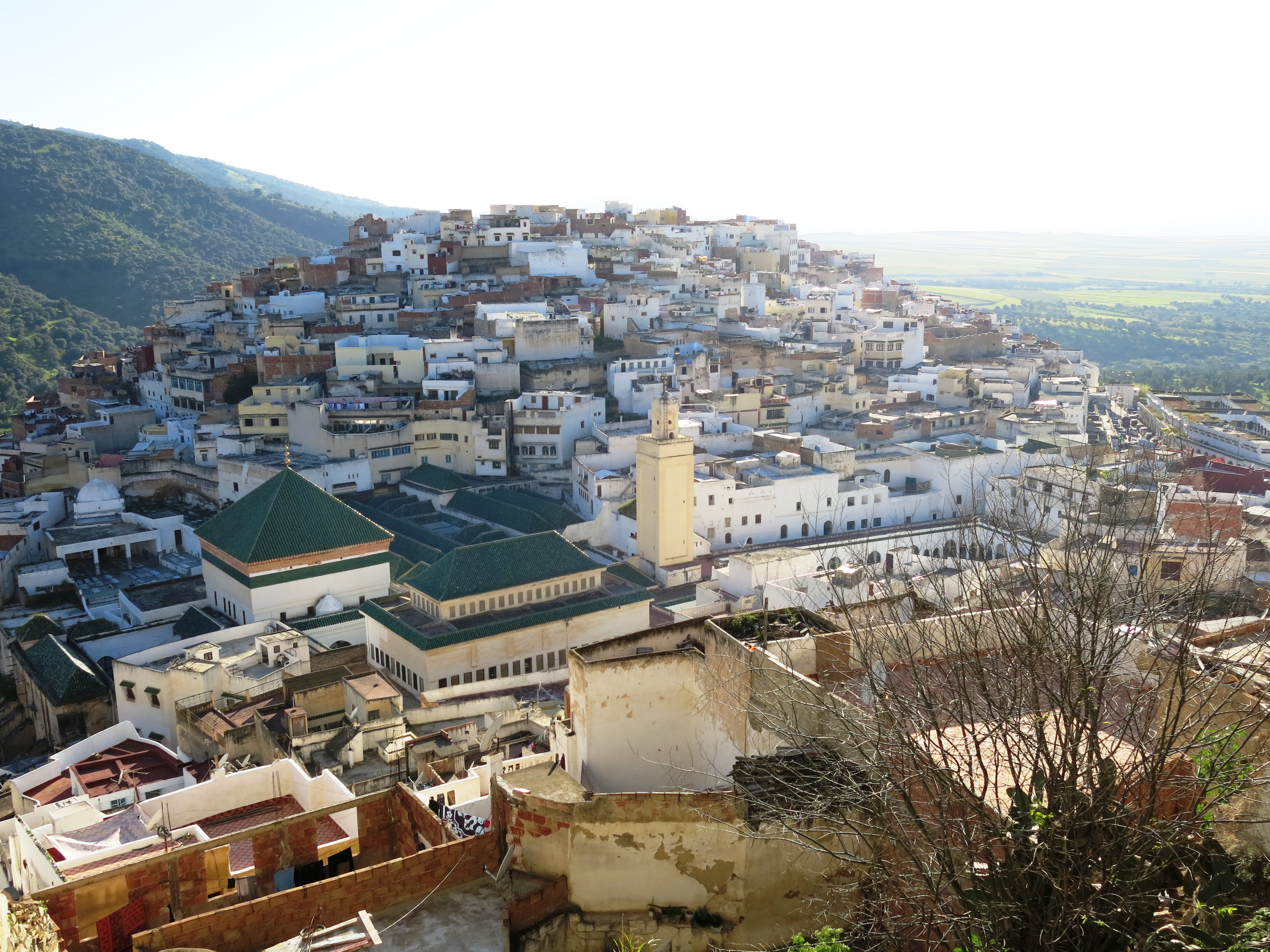
From Volubilis, our driver took us up the hill to Morocco’s holiest place, the town of Moulay Idriss. It was here in the eighth century that Moulay Idriss I brought Islam to Morocco.

Our driver waited for us while we took a short tour with a guide who showed us the best places to view the town’s most photographed attractions: Moulay Idriss’s tomb, with its signature green roof, and Moulay Idriss’s mosque featuring the only round minaret in Morocco.

Then we drove back to Meknes to spend the night. The next morning, we would take the train to Fes.
Moulay Idriss Moulay Idriss Moulay Idriss Moulay Idriss Moulay Idriss Moulay Idriss Moulay Idriss

Exploring Meknes

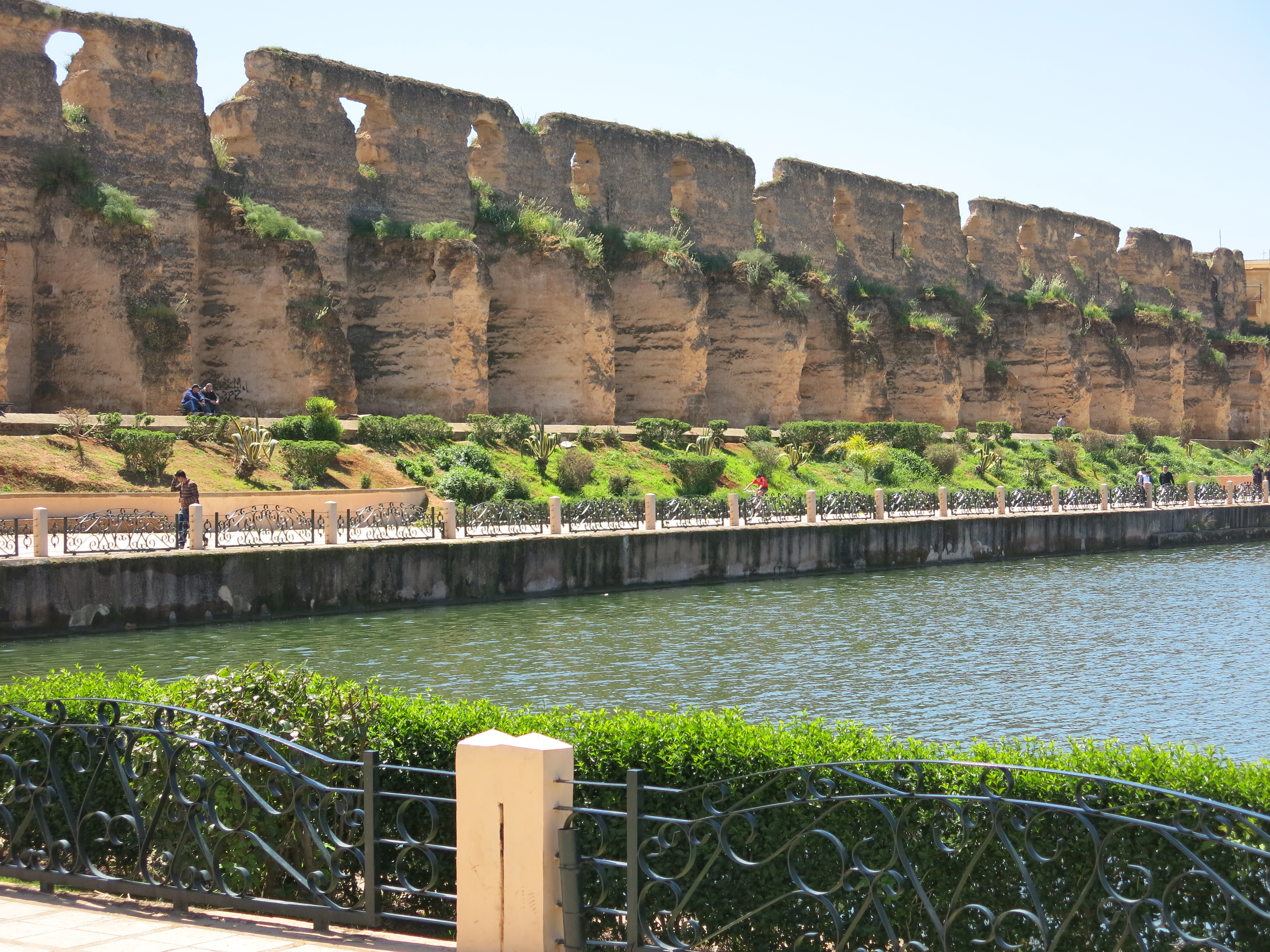
When we arrived in Meknes, we took a cab from the train station into the old city, passing a McDonald’s and a post office and entering a world with high defensive walls, elaborate gates and an abundance of mosques built hundreds of years ago when Meknes was the capital.

The sidewalks were dirty, crowded, the main street busy with cars trying to make three lanes out of two. It was a modern, urban culture thriving in the remains of the old.

We wandered around until we found the sign for Riad Zahraa where we would be staying. Then we turned into an alley and wound our way through the maze of shops. Some carried what we had come to expect in Morocco—rugs, mirrors and vases—but many carried clothing and shoes. They were stylish, European. Most of the young people dressed that way.

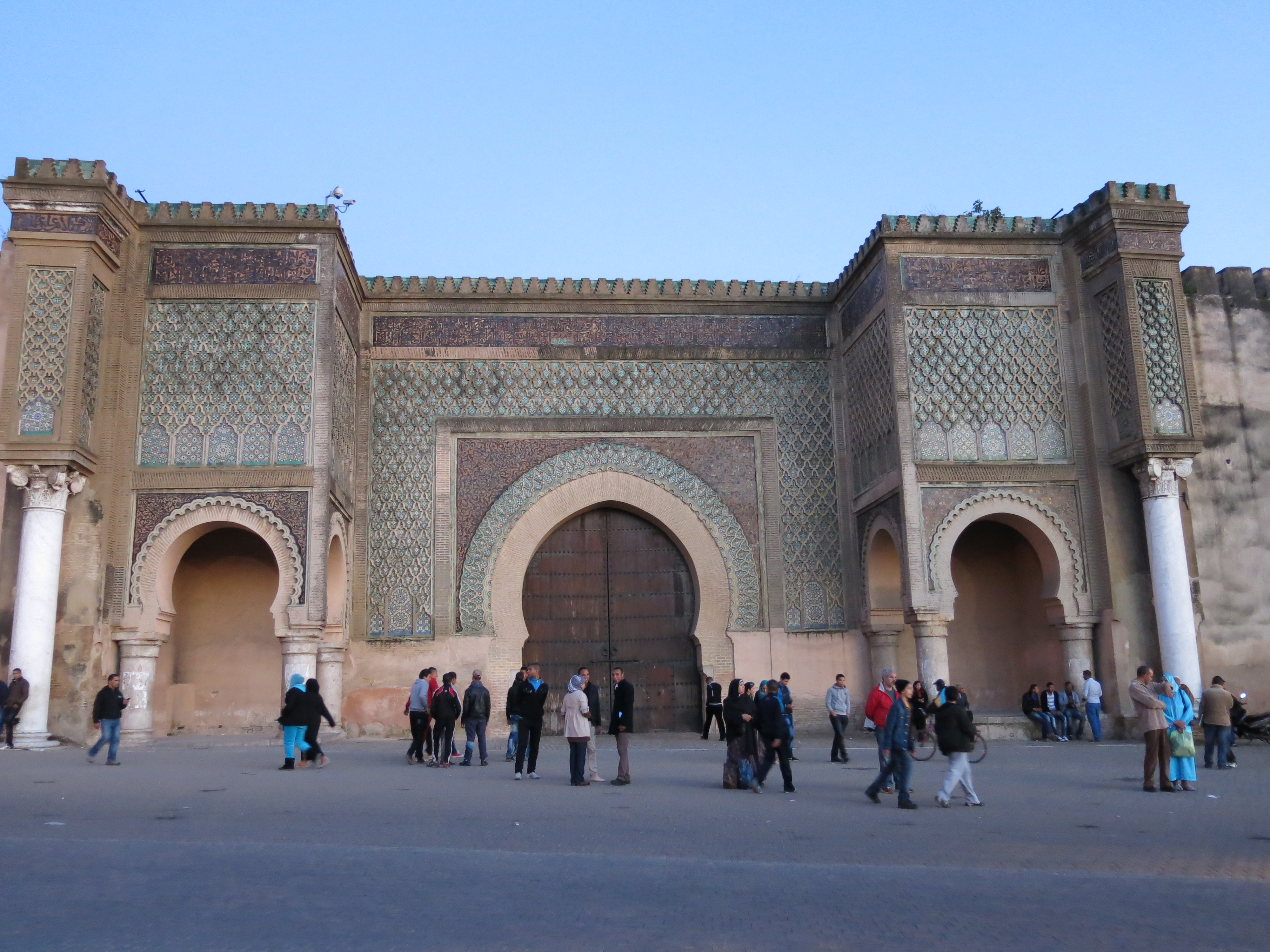
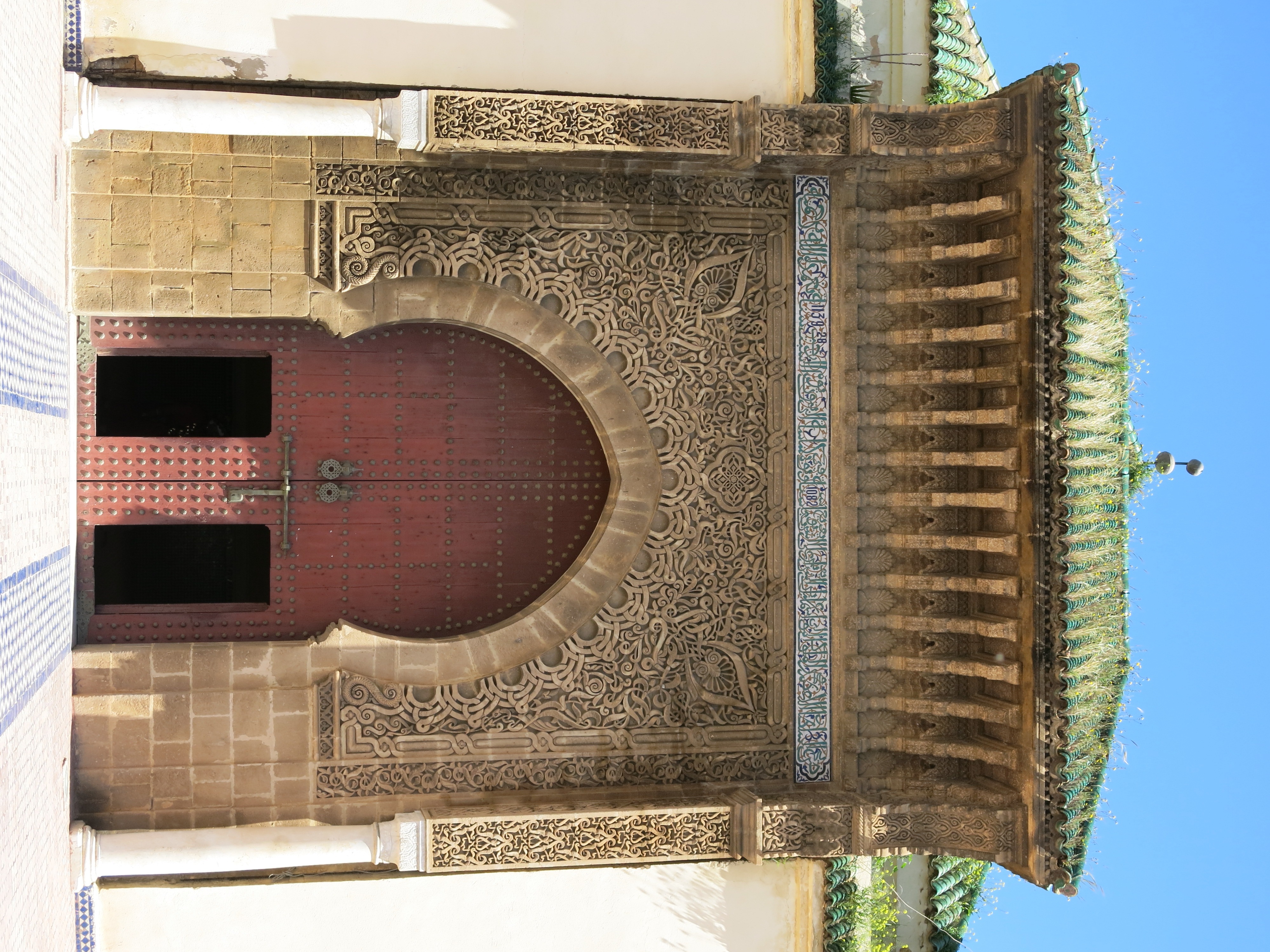
We found our riad, then dropped off our bags and headed for the center of town. We first noticed Bab Mansour, a large gate iconic of the city. Across the street was the main square, Place el Hedim. It was supposed to be the Jemaa el Fna of Meknes, but it was quite small. There was a row of restaurants and at night, vendors filled the square with items meant more for locals than tourists—things like DVDs and shoes.

In front of each restaurant, young men hustled for clients; there was a friendly competition between them. We chose a small café and took our seats inside near a television. There were very few tourists in the city and our server seemed pleased we had chosen him. He was tall and lean with a friendly smile. He bragged to his friends that his restaurant was the best; he was the winner. Next to us, three local men sat at a table drinking mint tea and watching a movie on the television. It was Battle: Los Angeles, in Arabic.

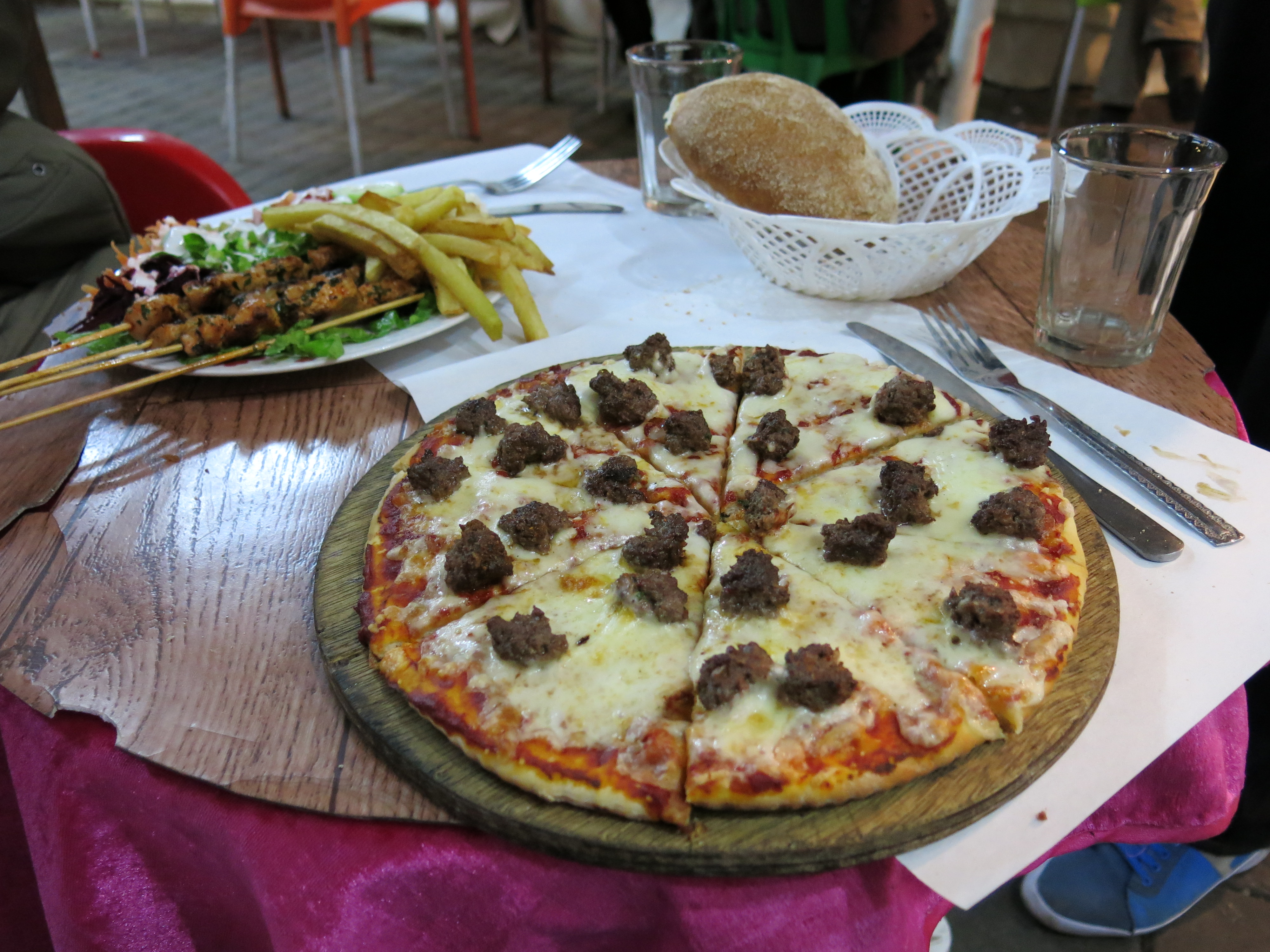
My husband ordered chicken kebabs and I ordered pizza; I had had success in Rabat and wanted to try my luck again. Once we ordered, we watched the kebabs being prepared on a small grill a few feet away. As usual, they were served with French fries and they were delicious. My pizza on the other hand was interesting. It looked just like a pizza, but it was made Moroccan style: the sauce was unseasoned tomato paste, the topping kofta meatballs. When our server asked me how I liked it, I told him it was delicious. I ate most of it and fed the last of the meatballs to a cat under the table.

That night we retired to our room and were greeted with ice cold showers, which happened many times throughout our trip. Each time, you have to decide which you hate more: being dirty or being cold.

The next morning we asked for a new room with hot water and then walked through the town with our guidebook. We had one day to see the city and were deciding what we had time for and what we would skip. It didn’t take long, however, for a guide to offer us a city tour on a horse-drawn carriage.

Our first stop was Habs Qara, an underground prison that had once housed tens of thousands of prisoners, including many Christian sailors. We walked through the tunnels with a guide who wielded a flashlight and told stories of people who had gotten lost and died in the tunnels.

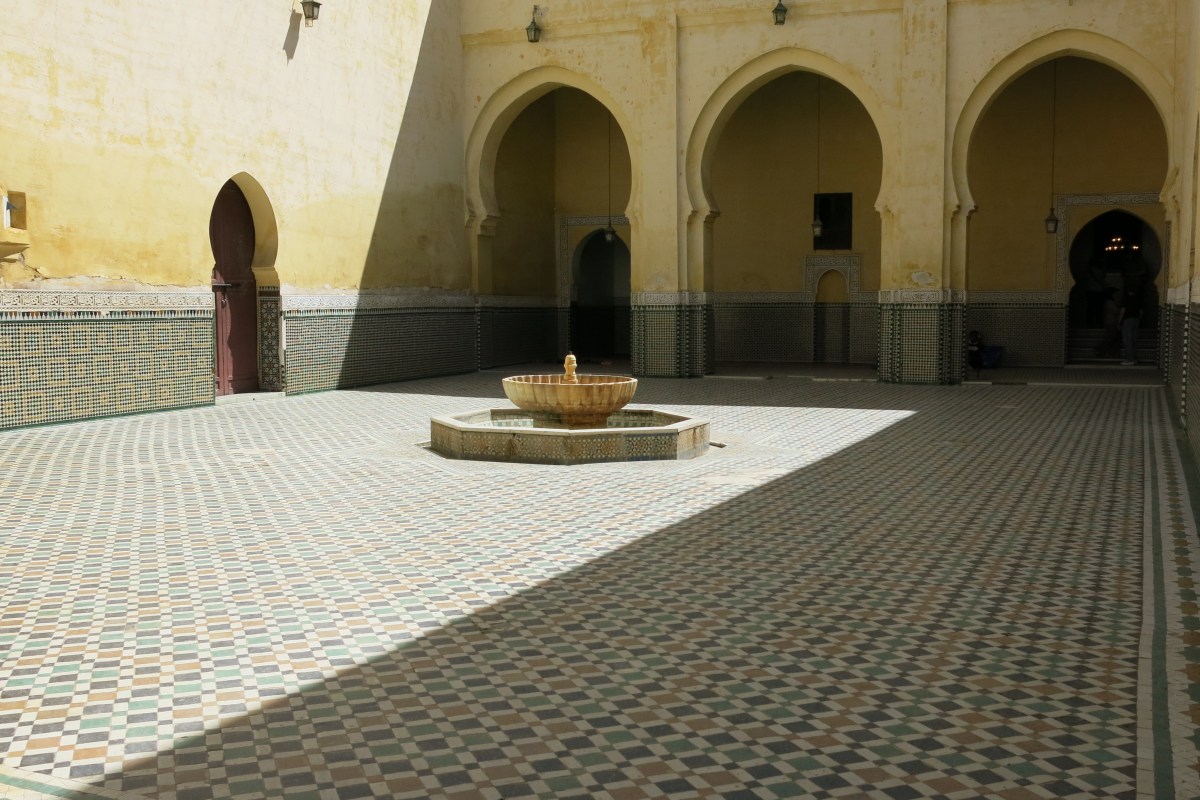
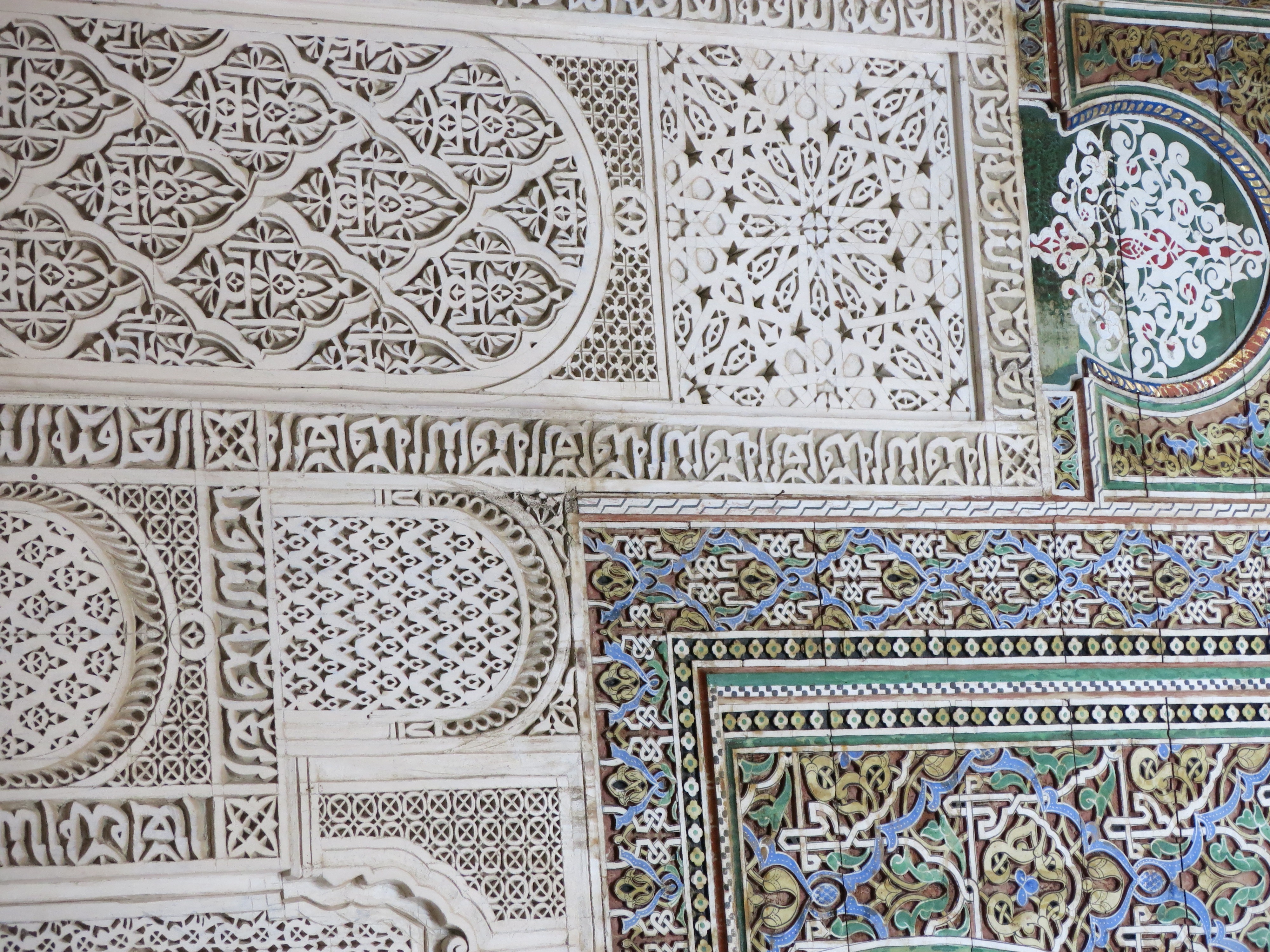
Next was the mausoleum of Moulay Ismail, one of the few holy sites in Morocco where non-Muslims may enter. We removed our shoes and entered quietly. Much like the many mosques and mausoleums we’d already visited, the inside had colorful mosaics, intricate carvings, and that special beauty that comes with age—all of Morocco has this beauty.

For the rest of the tour, we visited Moulay Ismail’s horse stable and granary, which was peaceful, with massive ceilings and wildflowers growing outside, and the Agdal basin, an artificial lake frequented by locals and tourists.

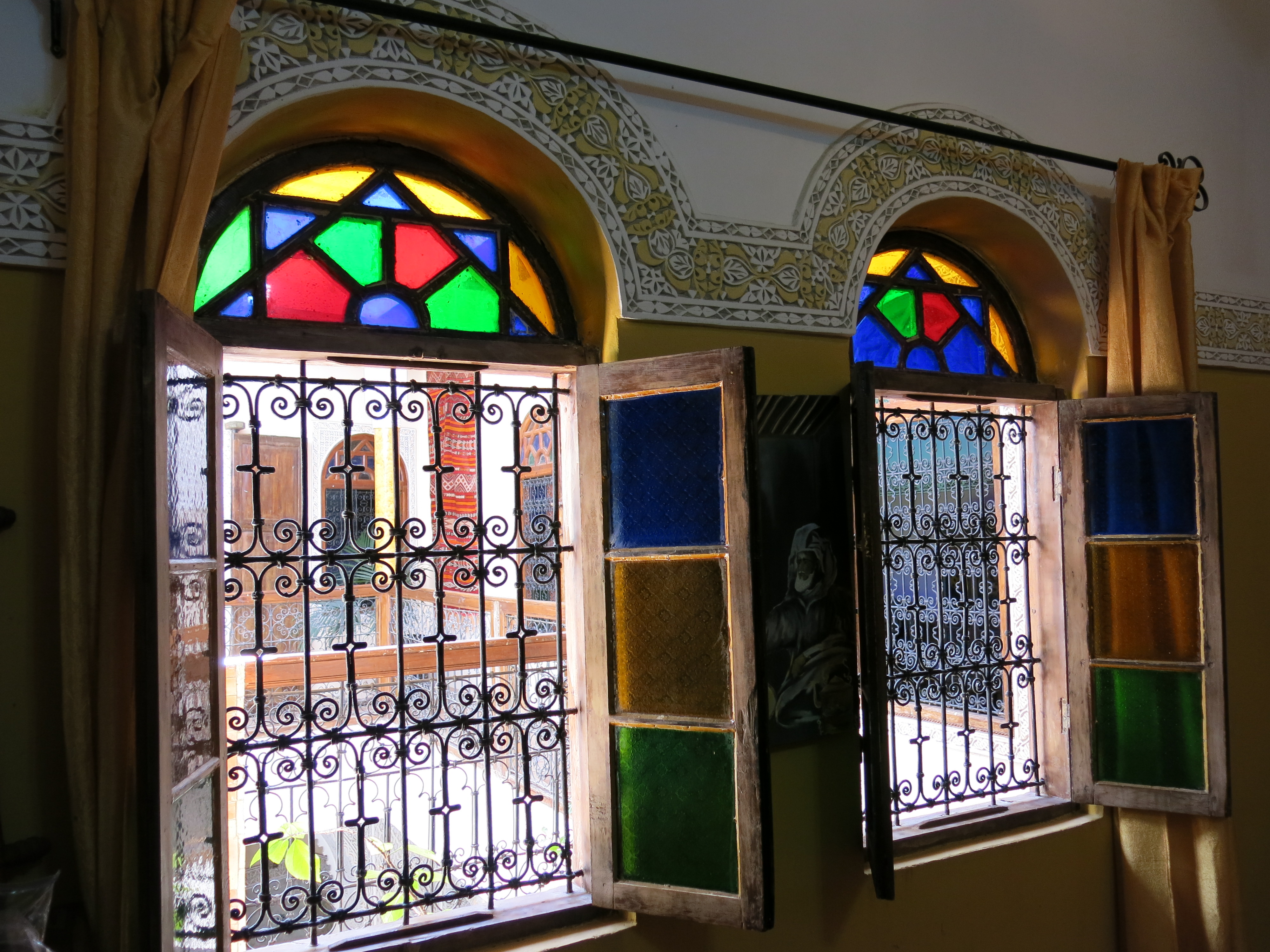
After our tour, we went back to the same restaurant as before. Our new friend was pleased to see us again. After dinner, we took a picture with him and his friends asked that we take pictures with them too. Then we retired to our new room at the riad. It was brightly colored with stained-glass windows that opened up to the interior courtyard.

The next day, we would meet a driver who would take us to the nearby Roman ruins of Volubilis—the very reason for our trip to Meknes.


Meknes


Meknes

Meknes

Meknes

Meknes

???????????????????????????????

Meknes

Meknes

???????????????????????????????

Meknes

Meknes

Meknes

Meknes

Meknes

Meknes

???????????????????????????????


Riad

Riad

Riad

View from riad rooftop

Modern and Historic Rabat

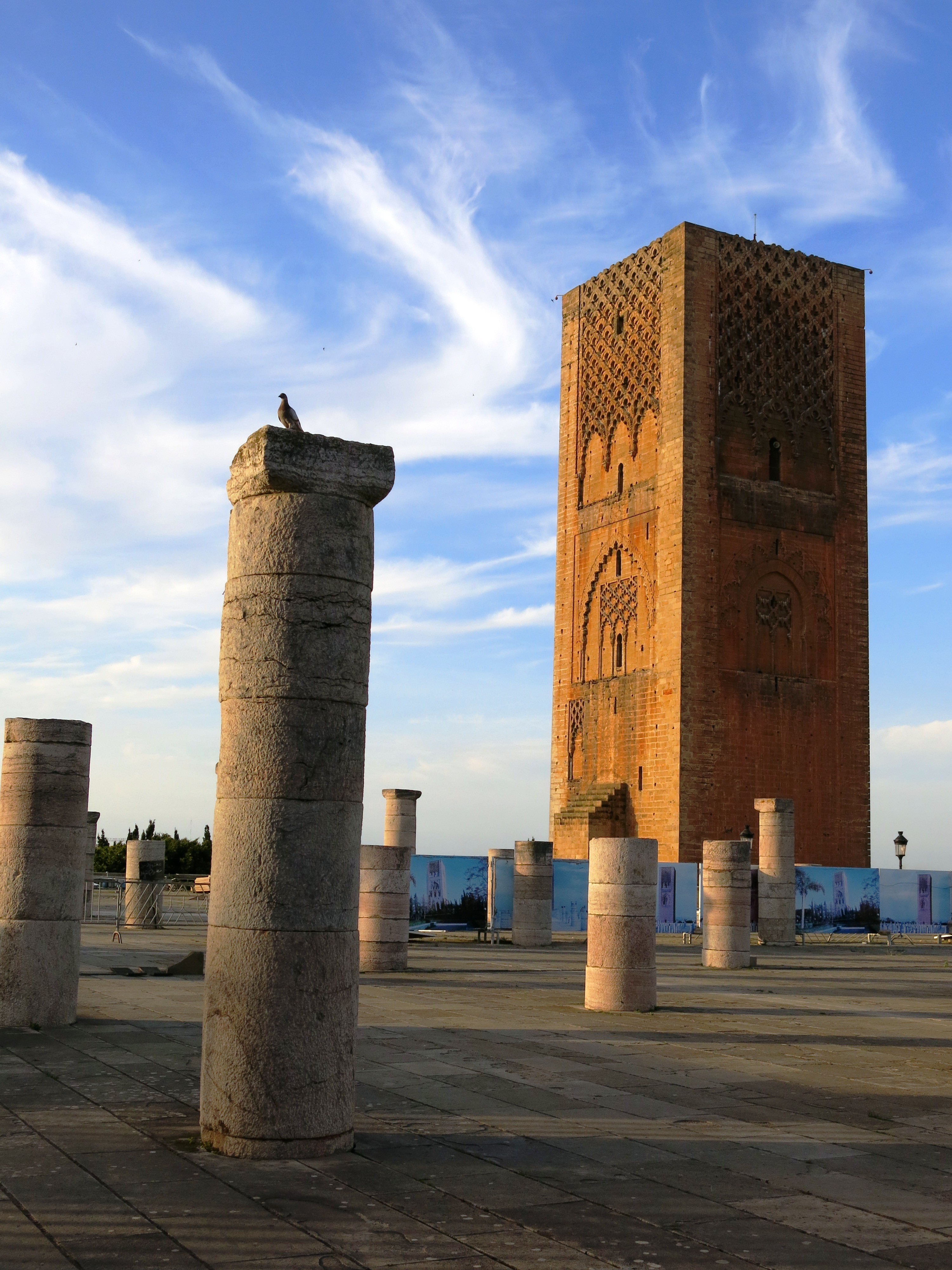
After a week of exploring Morocco and immersing ourselves in the old world—eating tagine and couscous, shopping in the old medinas, visiting the Berbers—Rabat was a nice change of pace. We went there just to spend an afternoon visiting the Hassan Tower, but we found Rabat to be special, a unique, modern city that incorporated the old world into the new, a city worth more of our time than we had planned, a city we could see ourselves living in.

When we arrived, we walked around downtown, admiring foreign embassies, the Royal Palace and other government buildings. There was a newly built tram system and an abundance of pizzerias. Rabat is Morocco’s capital city and it felt like one. In fact, it felt so “normal” that I didn’t even think to take photos.

Next, we checked into a hotel to drop off our bags. It was a nice hotel, nicer than most we stay at in the US and also more expensive than we wanted—a drawback of last-minute travel and not booking ahead. There were a few hours left of daylight so we headed toward the Hassan Tower.

Once at the tower, I was surprised that it didn’t feel like a tourist attraction. There was no admission charge, no one selling trinkets and no one hassling us to pay them for a tour. Most of the visitors were locals. Families ate popcorn and other treats sold by vendors. Mothers sat and talked while their children played games in adjacent gardens. For them, it was just another day at the park.

For us, it was a step into an unfamiliar history. We stared up at the strange tower, a 140-foot cube made of red sandstone. Around it stood 200 columns of varying heights and crumbling walls that were bright orange in the sun. The tower, we learned, was an unfinished minaret of an unfinished mosque that was started in 1195 and stopped four years later at the death of the sultan who had commissioned it.

At the other end of the courtyard is the Mosque and Mausoleum of Mohammed V. Royal guards in bright red uniforms stand at the entrance of the mausoleum. Emerald green tiles adorn the roof, and inside visitors crowd around a balcony to look down at the ornate room holding the tomb.

At sunset, we left the courtyard to sit in a nearby park that overlooked the Bou Regreg River into the city of Sale. We sat on a concrete bench reading our Nat Geo guide while locals sat on blankets in the grass, the tower looming behind us all. It was peaceful, a much needed pause from our breakneck pace.

Once it was dark, we went to Big Fresh—a pizzeria we had passed earlier near our hotel—to eat pizza and burgers and use wifi to book a riad for the next day in Meknes. I had enjoyed the Moroccan cuisine the past week, but it was nice to just have a pizza.

Back in our hotel, we indulged in a few hours of television and the unexpected gift of sleeping in. In Marrakesh, we had awoken each morning at 5 a.m. to the call to prayer. It was loud and deep, the unfamiliar sound of an unfamiliar language echoing through the city. In Rabat, we didn’t hear this at all. But for those who did want to pray, there was a sticker on the ceiling pointing to Mecca.

The next morning, it was back to our usual pace. We had breakfast and hurried off to spend an extra half day in this city that had caught us off guard. We walked toward the coast along the old city walls and arrived at the Kasbah of the Udayas.  We climbed the steps to the main gate, admiring its massive size and beauty, and then entered this city within a city. We walked among the gardens and orange trees, visited the Oudaya Museum, and explored the maze of blue and white streets.

When we reached the ramparts, we looked out to where the ocean met the mouth of the river. The water was murky with gentle waves and people were surfing in wetsuits. Looking west, there was a long boardwalk along the coast and a cemetery just opposite.

By then, it was nearing time for our train so we took the long walk back to the station. Along the way, we stumbled upon the old medina and walked a path straight through the center. We looked at furniture and souvenirs and no one pushed for a sale. We were free to just look, undisturbed.

Once on the other side, we were back in downtown Rabat. We strolled the palm-lined stretch of Mohammed V Avenue and then boarded the train for Meknes.

Walls of unfinished mosque
Hassan Tower
Hassan Tower

Inside Mausoleum of Mohammed V
Unfinished columns near Hassan Tower
Outside Mausoleum of Mohammed V
Mohammed V Mosque
Mohammed V Mosque
Big Fresh Restaurant
Hotel ceiling; sign points to Mecca
Kasbah of the Udayas
Bab Oudaia
Bab Oudaia
Kasbah of the Udayas
Courtyard in Kasbah Udayas Museum
Blue and white walls in Rabat
Blue and white streets in Rabat
Blue and white walls in Rabat
Blue and white streets in Rabat
Blue and white walls in Rabat
Blue and white streets in Rabat
Surfers in Rabat
Surfers in Rabat
Rabat
Mohammed V Avenue

From Marrakesh to the Sahara: A 3-Day Tour

From our hotel in Marrakesh, we booked a 3-day tour of Morocco that would take us through the Atlas Mountains to Merzouga. From there, we would ride camels to the sand dunes of Erg Chebbi to see the Saharan sunset and spend the night in Berber tents. We would also make a few stops along to way to see Aït Ben Haddou and tour a Berber village near the Todra Gorge.

Day 1
We met our driver in the Jemaa el Fna and loaded into a van with four strangers—three women from London and a man from Germany. Then we headed toward the Atlas Mountains, whose snow-capped peaks could be seen from many points in Marrakesh. As we rode, we watched the landscape change from green valleys to dry, rocky terrain. We snaked our way through the mountains on narrow roads, stopping a few times for photos and to close the broken side door of the van which occasionally whipped open as we drove. Eventually, our driver tied the door shut with rope.

After a few hours, we arrived at Aït Ben Haddou, a fortified city of earthen buildings built hundreds of years ago. There were camels sitting near a narrow stream and donkeys carrying loads of vegetation. The sky was cloudless with the sun beating down us. Palm trees dotted the landscape. It was easy to understand why this site was used in dozens of movies like Gladiator and why it was designated a UNESCO world heritage site. It was a place that had preserved time.

We walked through the village with our guide as he discussed the few remaining families that still lived there and name dropped some Hollywood actors he had once met on set. Our guide himself had been an extra in several movies. We called him a celebrity and took a picture with him.

Before heading back down for lunch, we climbed to the top of the old granary for a view of the area. The landscape was layered around us, green and fertile near the river, then dry and rocky, the mountains a third layer in the background.

From there we drove toward Dades Gorge to have dinner and stay the night at Hotel Tamlalte which was surrounded by immense rock formations that reminded me of the American West. Before dinner, we wandered a short distance from the hotel to see the area and catch the last of the sunset. Then a local boy approached us on a bicycle. He asked us for something, but we didn’t know what he wanted. I had heard that children ask for pens, but I didn’t have one to give him. Since we couldn’t understand one another, he rode away and we headed back to the hotel.

At dinner, we made friends with an American woman named Mimsie who was teaching English in Korea, and a Japanese woman named Ayano. Our waiter, like others we encountered on our tour, yelled “Japan!” at Ayano. Apparently Japan is known for teaching the Berber language, something the Berbers in Morocco quite appreciate.

For dinner, we ate large hunks of bread, a staple during our two weeks in Morocco, plus Moroccan soup served with a wooden spoon, and chicken tagine with couscous. Then we retired to our rooms, excited that the next day we would see the Sahara.

 Day 2
After breakfast, we drove to Todra Gorge. We parked our van on the highway and started walking through fields toward a Berber village. There was a narrow stream, palm trees and olive trees, and fields of alfalfa. Beside us, women were picking the alfalfa, hunched over at the waist, and we were asked not to take photos of them.

When we reached the village, we gathered for a demonstration on making Berber carpets. We sat on the floor in a small room whose walls and floors were covered in colorful rugs of different shapes and sizes. Then we were served mint tea while we listened to our guide explain the Berber lifestyle and watched a woman make a rug, weaving the fibers in and out with her fingers.

Afterwards, we browsed the rugs for sale, but instead purchased a blue scarf, a traditional Berber color, which later came in handy on the camel trek.

On our way out of the village, a small boy approached me and asked for something. Again, I wasn’t sure what he wanted, but I gave him my pen. It was short with a floral design, part of a Vera Bradley stationery kit I received as a gift. He smiled and walked away.

From there we headed back to the highway and left for Merzouga, our meeting place for the camel trek. After a couple of hours on the road, a sandstorm began, turning everything into a uniform wall of beige. At points, we could hardly see the road ahead. The driver seemed nervous, which made us nervous too. I was also worried about how this would affect our camel trek, whether it would be cancelled, and if not, whether we would miss the famed Saharan sunset.

When we arrived at our meeting point, we were told to leave our luggage. We were to be led by Berber guides to Erg Chebbi and we would stay overnight in tents. I kept a small bag with my passport and a few necessities and left my backpack behind.

While waiting on the others, I noticed a map on the wall that showed how close we were to the jagged Algerian border. At that moment, I felt very far from home. It was a little frightening, but also freeing, knowing I was about to be led into the desert in a sandstorm.

We gathered outside to be paired with our camels. The buildings and the palm trees offered a slight reprieve from the wind and sand. The camels were tethered together in a line, each with a saddle and bridle. I was expecting them to be tan so I was surprised to see them in white, brown and black. My husband was assigned to a pretty white one and I assumed I would be placed next to him. Instead, I was seated two camels away with one more suited for my height.

The camels remained seated as we mounted them, their legs folded neatly beneath them, the knees on their back legs bending backwards. Then the guide instructed them to rise, back legs first, slinging each of us forward until the camel was on all fours. Once my camel stood, I felt very small on top of it.

By the time everyone was saddled up, it was late afternoon and we headed toward camp. As we rode, the wind and sand whirled around us, creeping through the pores of our clothes and bags. Even with sunglasses and a scarf wrapped around my face, I got sand in my mouth, eyes and ears. The trek was supposed to take an hour and a half but it felt much longer. Perhaps the storm slowed us down.

As we rode, the palm trees and shrubbery of our meeting point vanished. At some point, I realized there was nothing around but the sand and we were finally in the desert. Everything was dull and hazy as we rode through the storm, quiet, listening to the wind and watching evening creep upon us. We wound our way through the dunes and by the time we reached camp, it was pitch black. That night, there was no sunset.

We each dismounted our camels and the Berbers assigned us to tents for sleeping. Then we gathered in another tent to wait for dinner. Our guides left to prepare our meal while we sat with our new friends on pillows that surrounded small tables.

For dinner, our table shared a chicken tagine with rice and onions, followed, of course, by hot mint tea. Afterward, the Berbers entertained us with music. A young man sat next to me and showed me how to beat the drums. It was a simple beat, but I had a difficult time. Some people have rhythm and others do not. He was persistent so I tried a few more times until I was able to recreate his beat well enough to satisfy him. Then I excused myself from the tent. Outside, the storm had stopped and the stars shone bright in the black sky.

Soon after, I went to sleep. I was so tired that I didn’t bother changing or brushing my teeth. I slept in my clothes under a pile of heavy blankets inside the tent. The tent was flapping in the wind and the night was getting cold. In a few hours, we would wake to see the sunrise.

Day 3
We woke the next morning to the sounds of shouting. Our guides wanted us up and ready to see the sunrise. My husband and I were quick to rise and we walked around the sand dunes alone taking pictures just before the sun peeked over the horizon. Then we saddled up and headed back to Merzouga.

With the sandstorm over, our camel trek was a different experience. This time we were able to see the desert and appreciate the immense height of the dunes, their soft, shifting peaks, and the wind-blown pattern the desert had taken. It was a different desert than the day before.

As the sun rose higher, the sand changed colors from gray to tan to the deep orange you associate with the Sahara. We could also see our shadows as we rode, gently bobbing with the camels gait.

The trip back was much faster and toward the end, several in my group opted to walk instead of riding their camels; a few of them had motion sickness.

When we reached our meeting point, breakfast was waiting for us. There was coffee and sugar, plus bread, cheese, honey and several kinds of olives. Then we loaded back into the van for the long ride back to Marrakesh.

Along the way, we stopped for a lunch of chicken kebabs and French fries. Then I walked around to take pictures of the valley and shop at the store next door. I bought rose-scented moisturizer and a scarf. On our next stop, it snowed. I’ve only seen snow a few times in my life, and it felt like the perfect addition to our trip.

In the same day, I had ridden a camel, seen the Sahara desert and felt snowfall in the Atlas Mountains.

The ride back was long, eight or ten hours, and we were exhausted. But the roads were so dangerous we were afraid to sleep. It was raining and the roads were narrow and winding so we talked to stay awake.

I listened to stories from the others—Peter’s work-a-year, travel-a-year method, and Mimsie’s decision to move from a small town in Mississippi to Korea. Everyone had such interesting lives and I was glad to have met them, realizing they enriched my trip as much as the locals I was so fond of.

When we arrived back in Marrakesh, we all went our separate ways. My husband and I went to bed to rest up for our last day in Marrakesh before moving on to Rabat.

Drive toward Ait Ben Haddou
Ait Ben Haddou
Ait Ben Haddou
Ait Ben Haddou
Ait Ben Haddou
Ait Ben Haddou
Ait Ben Haddou
View from granary atop Ait Ben Haddou
Coca Cola
Coca Cola
Hotel Tamlalte
Hotel Tamlalte
View from Hotel Tamlalte
Hotel Tamlalte
Hotel Tamlalte
Moroccan soup
Moroccan soup
Tagine dinner at Hotel Tamlalte
Todra Gorge
Todra Gorge
Todra Gorge
Todra Gorge
Berber village
Berber village
Berber village
Berber village
Berber village
Berber village
Berber village
Berber village
Rug demonstration
Rug demonstration
Sandstorm
Sandstorm
Sandstorm
Sandstorm
Camels
Camels
Camel trek
Camel trek
Night creeps in
Night creeps in
Berber entertainment
Berber tents
Berber tents
Berber tents
Berber tents
sunrise
sunrise
sunrise
sunrise
Sahara
Sahara
Sahara
Sahara
Sahara
Sahara
Sahara
Sahara
Berber in Sahara
Berber in Sahara
Berber in Sahara
Berber in Sahara
shadows
shadows
Camel
Camel
green pottery I wish I had bought
Green pottery I wish I had bought
View from Cafe Almanadir
 Col du Tichka road
Col du Tichka road


Marrakesh [PHOTOS]


Ben Youssef Medrasa
Ben Youssef Medrasa
Ryad Marrakiss Rooftop
Synagogue in Mellah
Synagogue in Mellah
Bahia Palace
Bahia Palace
Marrakesh
Marrakesh
Marrakesh Vendor
Marrakesh Vendor
Bab Agnaou
Bab Agnaou
Bahia Palace
Bahia Palace
Storks at Bahia Palace
Souk Entrance from Jemaa el Fna
Marrakesh
Marrakesh
Moroccan Spices
Moroccan Spices
Moroccan Souvenir
Moroccan Souvenir
Menara Gardens
Menara Gardens
Moroccan cuties!
Moroccan cuties!
Marrakesh Museum
Marrakesh Museum
Marrakesh Museum
Marrakesh Museum
Marrakesh
Marrakesh
Making Argan Oil
Making Argan Oil
Koutoubia Mosque
Koutoubia Mosque
Arabic and Berber Language
Saadian Tombs
Saadian Tombs

The Jemaa el Fna, Marrakesh

I did a lot of research before traveling to Morocco and what I read about the Jemaa el Fna scared the hell out of me. One blogger described it as a chaotic and terrifying place where monkeys and cobras roam the market, where aggressive vendors yell at tourists, and pickpockets creep in your shadow.

But, as it turns out, the Jemaa el Fna is a fantastic place—perhaps the most memorable place of my entire trip. Everywhere you look there are heaps of colorful spices and dried fruits, tagines and decorative hamsas, camel-skin lamps and argan-oil cosmetics. Vendors compete for your attention selling famed Moroccan orange juice, kabobs and mint tea. Snake handlers and monkey wranglers show off their animals and offer once-in-a-lifetime photo ops. Simply put, the Jemaa el Fna is everything I imagined Morocco to be.

Yes, it’s crowded. Yes, vendors are aggressive. And, yes, you do need to carefully guard your wallet—but the same goes for many places in the U.S. In reality, the Jemaa el Fna is just an interesting market with some interesting characters trying to sell you their interesting wares.

If you’re skittish, as I assume the aforementioned blogger might be, it’s important to remember that everyone in the market is just trying to make a living. As you walk around “just browsing,” you will be approached by vendors and they will make every attempt to sell to you. It is, after all, a market.

For example, if you walk by the man selling olives, he will try to sell you olives. If you admire an artisanal lantern, the vendor will ask you to name your price. And if you walk past a woman selling henna tattoos, she will grab your hand to give you a “sample” and then charge you for it. Okay, the henna lady is a little too aggressive for my taste. Just pull your hand away, give a polite but firm “no thank you” and move along. No harm done. As long as you keep this in mind, the Jemaa el Fna can be a fun and exciting place.

Taking Photos
The Jemaa el Fna is an ideal location for taking photos. But before you start snapping away, you should know the rules of the game. Basically, you will often need to pay to take a photo in the market.

If you want to take a picture of someone’s goods, you should buy something from them first and ask if you can take a photo. For animal wranglers and anyone in costume, you will likely be told the photo is free. They will pose with you, take your picture, and then surround you to demand money. Now, you will need to negotiate a price. Don’t be alarmed by the seemingly harsh tone—it’s just the way business is done in Morocco. And don’t get upset because you feel tricked. Just remember to keep things in perspective: paying 8 Moroccan dirhams (about 1 US dollar) is an amazing price for the pictures you are getting. And once you pay, everyone goes back to smiling and laughing. To avoid the drama altogether, try negotiating a price beforehand. (I paid about 1–2 dollars per photo op.)

The Jemaa at Night
At night is when the Jemaa really comes alive. Large crowds form around musicians, storytellers and games, and the market fills with steam from bustling food stalls. This is the perfect time to escape to a rooftop café for a mint tea. From there, you can enjoy an insanely pink sunset and an amazing view of the market.

Jemaa al Fna

Jemaa al Fna

Jemaa al Fna

Jemaa al Fna

The Jemaa el Fna, Marrakesh Morocco Jemaa al Fna Jemaa al Fna Jemaa al Fna

The Grand Hassan II Mosque, Casablanca

When I saw the mosque from afar, I knew it was going to be impressive. It juts straight into the Atlantic Ocean with the tides ebbing and flowing around it. As I got closer, I was amazed at the meticulous detail that went into every square inch of the exterior—the intricate carvings, the massive doorways, the colorful tiled mosaics.

The inside was just as impressive. Unlike most other mosques in Morocco, the Hassan II Mosque allows non-Muslims to enter, but you must pay for admission. Your entrance fee includes a guided tour and you will be asked to remove your shoes and carry them in a plastic bag they provide.

The tour guide walked us around describing different parts of the mosque, focusing on its construction and the amount of people and man hours it took to create. Even more so than the exterior, the interior reflects an unfathomable attention to detail that helps you understand the mosque’s cost; estimates hover above half a billion dollars.

The one thing the mosque lacked, however, was that feeling of someplace old and sacred. After all, it was built in 1993 and under controversial circumstances. Many see the mosque as a misuse of funds, and construction of the mosque displaced nearby slum dwellers.
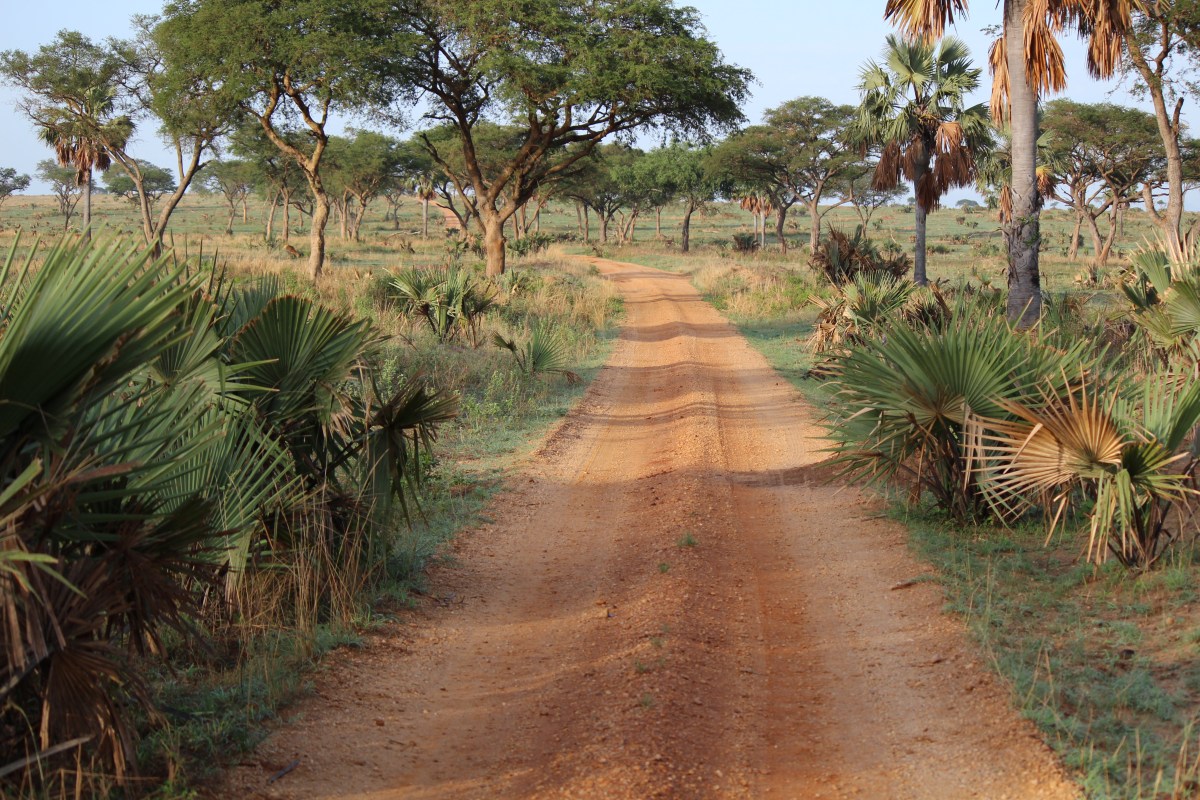
Ultimately, as an unattached visitor, I was able to appreciate the mosque for its beauty and I highly recommend seeing it if you ever get the chance.

Hassan II Mosque, Casablanca Hassan II Mosque, Casablanca Hassan II Mosque, Casablanca Hassan II Mosque, Casablanca Hassan II Mosque, Casablanca Hassan II Mosque, Casablanca Hassan II Mosque, Casablanca Hassan II Mosque, Casablanca Hassan II Mosque, Casablanca Hassan II Mosque, Casablanca Hassan II Mosque, Casablanca IMG_0083IMG_0086IMG_0092